Key Points
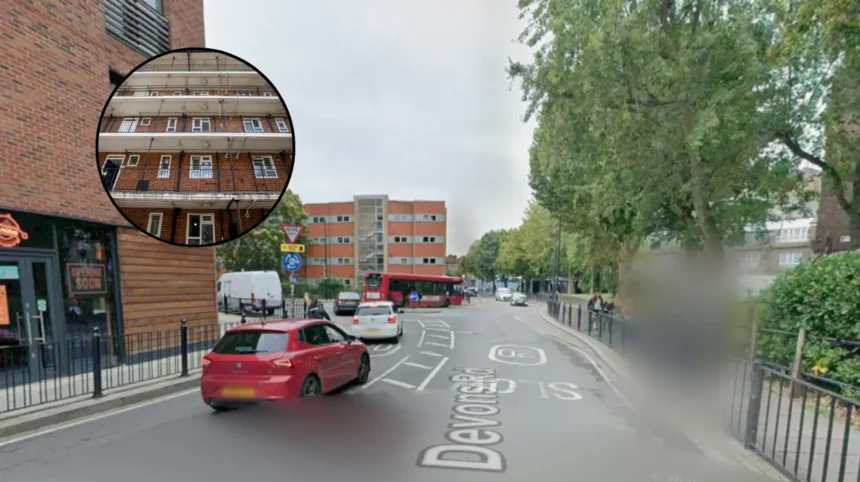
- Seven-Month Outage: Hundreds of residents in nine residential blocks across the Devons Road estate in Tower Hamlets, east London, have been living without reliable running water for over seven months.
- Severe Daily Disruption: Families are unable to carry out essential household tasks such as cooking, cleaning, showering, or flushing toilets, with water pressure frequently dropping to zero during daytime hours.
- Impact of Extreme Weather: The ongoing water shortage coincides with prolonged period of high temperatures, leaving vulnerable residents, including elderly individuals and bedbound patients, at heightened risk of heat exhaustion.
- Infrastructure Strain: Residents suspect nearby high-density housing developments have severely depleted local water network pressure, although official root causes remain under investigation.
- Delayed Remedial Works: Housing association Poplar HARCA has faced sharp criticism for delaying the installation of essential new pump systems due to statutory consultation procedures rather than taking emergency repair action.
- Political and Legal Backlash: Local Member of Parliament Uma Kumaran has condemned the situation as a gross failure of basic landlord duties, while legal experts question why emergency tribunal dispensations were not sought.
Tower Hamlets (East London Times) August 11, 2026 – Hundreds of householders living in blocks of flats across east London have been left without a consistent supply of running water for more than seven months following severe pressure drops across the local network. The crisis affects nine residential blocks managed by the housing association Poplar HARCA on the Devons Road estate in Tower Hamlets, where taps regularly run completely dry during peak daylight hours. Despite rising summer temperatures and repeated complaints from affected families, permanent engineering solutions have experienced significant administrative delays, forcing residents to rely on rationed bottled water deliveries and public facilities for basic hygiene.
- Key Points
- Which Residential Blocks Are Affected On The Devons Road Estate?
- What Impact Is The Prolonged Water Outage Having On Daily Life And Public Health?
- How Are Vulnerable Tenants and Families Coping During Heatwaves?
- What Position Have Housing Association Poplar HARCA And Thames Water Taken?
- How Have Local Politicians And Legal Experts Responded To The Delays?
- What Is The Background To This Housing And Infrastructure Crisis?
- How Will This Water Supply Crisis Affect Tenants And Housing Management In The Future?
Which Residential Blocks Are Affected On The Devons Road Estate?
The water supply disruptions are concentrated within nine social housing and leasehold blocks on the Devons Road estate in the London Borough of Tower Hamlets. Among the impacted properties is Limscott House, where residents report that water flow frequently ceases without prior notification for extended periods each day.
The problem first emerged during the summer of 2025, when individual households noticed intermittent drops in tap pressure. By December, the issue had escalated into a systemic failure across the estate.
While water occasionally flows at low pressure during the late hours of the night, thousands of tenants and owner-occupiers spend the majority of their day with empty pipes, leaving entire households incapable of running basic domestic appliances or maintaining standard sanitation practices.
What Impact Is The Prolonged Water Outage Having On Daily Life And Public Health?
The absence of regular running water has forced residents into arduous daily routines to maintain basic living standards. Many occupants report having to set alarms between 1:00 AM and 4:00 AM—the only window when water pressure briefly recovers—to wash dishes, do laundry, cook meals, and fill buckets to manually flush toilets during the day.
Tenants have described the psychological and physical strain created by the protracted utility failure. Bottled water distributions managed by Poplar HARCA have been described by residents as irregular and inadequate, with initial allocations limited to 15 litres per household regardless of family size.
To bathe, residents have been directed by their landlord to use public shower facilities at Poplar Baths or claim expenses for day passes at Mile End Leisure Centre—an arrangement that local families with young children, elderly occupants, and disabled individuals find impractical and disruptive.
How Are Vulnerable Tenants and Families Coping During Heatwaves?
The utility crisis has posed acute health risks during warm periods. Among those affected is 64-year-old Razna Begum, who resides on the estate alongside her youngest son—who suffers from severe eczema—and her husband, Abdul Hai, who is largely bedbound following a stroke in June. Visiting healthcare carers have expressed grave concern over hydration and sanitary care under current conditions, noting the heightened risk of heat-related illness.
Other residents, including local mothers Rajia Begum and Jasmine Begum, highlighted that entire multi-generational households went several consecutive days without a single drop of water from their taps during recent high-temperature spikes, leaving them reliant entirely on emergency water drops.
What Position Have Housing Association Poplar HARCA And Thames Water Taken?
In official statements, housing association Poplar HARCA acknowledged the severe disruption and frustration experienced by estate residents but maintained that the water supply had experienced severe fluctuations rather than an absolute total shutdown across all blocks.
A spokesperson for Poplar HARCA stated that upon becoming aware of the systemic issue in December, the housing association initiated joint investigations with Thames Water.
Investigations confirmed that Thames Water’s mains supply to the boundary of the properties satisfied the statutory minimum pressure guidelines mandated under Ofwat’s guaranteed standards scheme. Consequently, the root of the deficiency lies within internal building infrastructure and booster pump equipment required to propel water to upper storeys.
To permanently resolve the problem, Poplar HARCA determined that internal booster pump systems across the affected buildings require complete replacement.
However, the housing landlord opted against applying for emergency legal works orders, choosing instead to follow standard statutory Section 20 consultation procedures required for leaseholders before embarking on major capital works.
Works for six affected blocks were subsequently scheduled between early August and early September, while engineering interventions for three remaining blocks are delayed until late August, meaning some residents will have experienced compromised water access for nearly a full year.
Poplar HARCA reiterated that its operational focus remains on distributing bottled water on request, offering alternative washing facility provisions, and giving direct support to vulnerable tenants while the required legal and technical processes proceed.
Explore More Tower Hamlets News
Government Approves Controversial Brick Lane Redevelopment Despite Local Opposition
Tower Hamlets Council Votes to Divest Pensions From Israeli Settlements 2026
How Have Local Politicians And Legal Experts Responded To The Delays?
The prolonged response timeline has drawn heavy criticism from elected officials, legal practitioners, and community union organizers.
Uma Kumaran, the Labour MP for Stratford and Bow (covering the area), condemned the prolonged outage as an unacceptable breakdown in basic housing management.
She stated that access to clean running water is an absolute fundamental right and urged Poplar HARCA to take full accountability, expedite the work schedule, and restore full service immediately.
Legal experts have also questioned the necessity of the extended administrative delays. Clair Phillips, a senior associate specialising in property law at Moore Barlow, observed that in circumstances involving an urgent loss of essential services like water, landlords routinely execute emergency repairs straight away and subsequently apply to the First-tier Tribunal for retroactive dispensation from statutory leasehold consultation requirements.
Community organizers from the housing union Acorn, including organizer Sadaf Moosvi, emphasized the unprecedented nature of the failure, calling the extended disruption to hundreds of households in modern London a failure of basic oversight.
Meanwhile, a spokesperson for Tower Hamlets Council confirmed that while direct water service delivery falls under the landlord’s purview, municipal authorities and the Mayor’s office are actively pressing Poplar HARCA for accelerated timelines and enhanced safeguard measures for vulnerable residents.
Explore More Tower Hamlets News
Dr Alison Arnaud Leads New City College Tower Hamlets 2026
Tower Hamlets Mayor Demands Stricter Anti-Social Behaviour Enforcement, 2026
What Is The Background To This Housing And Infrastructure Crisis?
The water pressure failure on the Devons Road estate highlights wider urban planning and infrastructure challenges facing east London borough housing networks.
Over the past decade, Tower Hamlets has experienced rapid residential construction, with numerous high-density apartment complexes and commercial developments being integrated into existing municipal water grids.
Local residents and urban campaigners suspect that cumulative strain from nearby new housing developments has reduced baseline hydraulic head pressure in older surrounding pipe networks.
When external network pressures drop even slightly, older post-war and late-20th-century residential blocks that lack modern internal booster pumps struggle to pull water up to higher floor levels.
Furthermore, the legal framework governing social housing associations creates structural tension between statutory consultation duties and emergency response capabilities.
Under UK property legislation, social housing providers managing mixed-tenure estates (comprising both social renters and private leaseholders) must consult leaseholders prior to incurring significant maintenance costs to avoid legal challenges over service charge recoverability. When landlords choose s
tandard consultation pathways over emergency legal dispensations, critical utility repairs can remain stalled for months despite severe impact on resident welfare.
How Will This Water Supply Crisis Affect Tenants And Housing Management In The Future?
This development is likely to trigger significant changes across social housing regulation, urban planning assessments, and tenant protection frameworks across the United Kingdom.
For the residents of Tower Hamlets, the immediate future involves continued reliance on temporary measures until engineering works complete in autumn. However, the long-term impacts on the community are substantial:
- Tenant Health and Financial Redress: Prolonged exposure to unsanitary conditions and heat stress may lead to formal legal claims for compensation, rent abatement, and damages against housing providers under the Homes (Fitness for Human Habitation) Act.
- Regulatory Scrutiny for Housing Associations: The Social Housing Regulator and the Housing Ombudsman are anticipated to face increased pressure to impose stricter penalties on landlords that fail to classify prolonged utility losses as emergency events requiring immediate dispensation.
- Planning and Development Controls: Local planning authorities are likely to face calls for stringent hydraulic impact assessments before approving major new residential developments, ensuring that surrounding established estates retain adequate utility capacity.
- Precedent for Emergency Works: The public scrutiny surrounding Poplar HARCA’s reliance on standard statutory consultations over rapid emergency pump installations will likely push housing associations nationwide to establish clearer emergency procurement protocols for essential infrastructure failures.