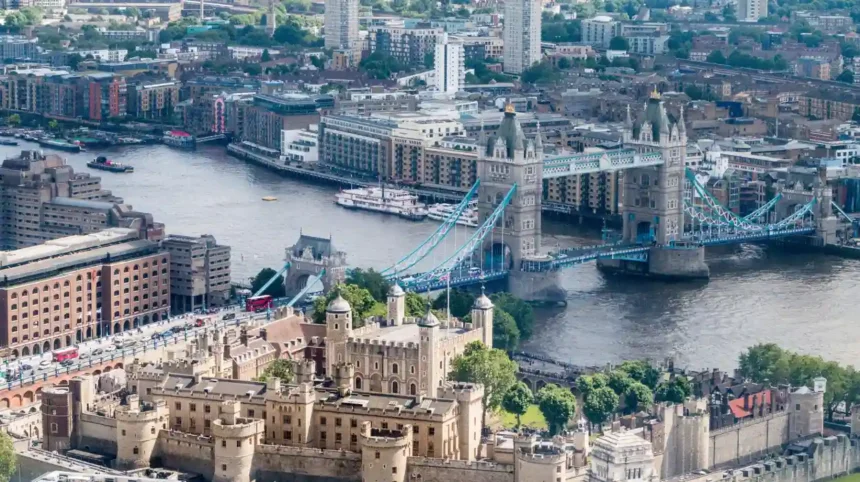
Tower Hamlets is one of East London’s most historically significant and culturally diverse boroughs. It stretches from the City fringe and Tower Hill through Whitechapel, Spitalfields, Bethnal Green and Mile End to Bow, Canary Wharf, the Isle of Dogs and the Thames riverside.
- What makes Tower Hamlets an important place to visit in East London?
- Which historic landmarks should visitors explore in Tower Hamlets?
- Where can visitors experience Tower Hamlets’ docklands history?
- Which markets are worth visiting in Tower Hamlets?
- What can visitors see around Brick Lane and Spitalfields?
- Which parks and green spaces should visitors explore?
- What can visitors experience around Canary Wharf?
- Which cultural experiences make Tower Hamlets distinctive?
- How can visitors explore Tower Hamlets efficiently?
- Why is Tower Hamlets suitable for visitors interested in London’s history?
- What should visitors prioritise during a first Tower Hamlets visit?
- Why should Tower Hamlets remain on an East London visitor itinerary?
The borough combines medieval heritage, maritime history, Victorian architecture, public parks, street markets, museums, contemporary culture and one of London’s most recognisable financial districts. The London Borough of Tower Hamlets describes the area as the heart of London’s East End, with evidence of human activity dating back thousands of years.
For visitors, this creates a concentrated sightseeing area where historic landmarks sit close to markets, cultural venues, green spaces and modern architecture. Tower Hamlets also contains internationally recognised sites such as the Tower of London, Tower Bridge and Canary Wharf.
What makes Tower Hamlets an important place to visit in East London?
Tower Hamlets combines major London landmarks, historic docklands, markets, museums, parks and diverse neighbourhoods within a compact East London borough. Visitors can experience royal history, maritime heritage, contemporary architecture, food culture, public green spaces and local communities during one trip.
The borough’s geographical position explains much of its importance. Its southern boundary follows a distinctive bend of the River Thames, while its western edge reaches the historic City of London. The area therefore connects central London with the East End and the modern Docklands.
Tower Hamlets takes its name from the historic hamlets associated with the Tower of London. Its development has been shaped by the river, trade, migration, industry and housing growth. The borough’s modern identity combines these layers rather than replacing them.
The result is a destination with several distinct visitor experiences. Tower Hill focuses on royal and military history. Whitechapel and Spitalfields provide markets, food and cultural heritage. Bethnal Green and Mile End connect museums and parks. The Isle of Dogs presents dockland regeneration and financial architecture.
This geographical variety makes Tower Hamlets particularly suitable for visitors who want more than conventional central London attractions.
Which historic landmarks should visitors explore in Tower Hamlets?
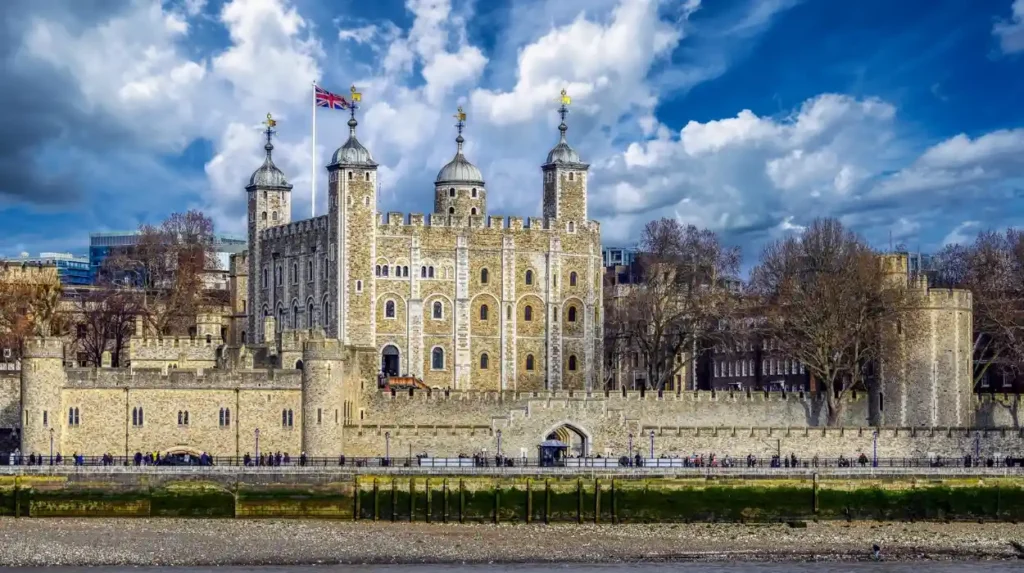
The Tower of London, Tower Bridge, St Katharine Docks and historic East End streets form the borough’s strongest heritage attractions. They reveal London’s royal, military, architectural, maritime and commercial development across several centuries.
The Tower of London is the most internationally recognised historic attraction in the borough. The fortress occupies the riverside beside Tower Bridge and has played roles in royal history, defence, imprisonment and state administration.
The Tower of London is also a UNESCO World Heritage Site and an Ancient Monument. Historic England identifies the Tower and St Katharine Docks area as a place of exceptional architectural and historic interest.
Nearby Tower Bridge is one of London’s defining engineering landmarks. The bridge opened in 1894 and connects Tower Hamlets with Southwark across the Thames. Its bascule design allows river traffic to pass beneath the central roadway.
St Katharine Docks provides a different type of historic environment. The former dock complex retains historic warehouses alongside modern residential, commercial and hospitality buildings. Historic England records the area as an Archaeological Priority Area, reflecting its importance for understanding London’s past.
The heritage experience extends beyond individual monuments. Streets around Whitechapel, Stepney, Wapping and Shadwell contain surviving historic buildings, churches, warehouses and residential architecture.
As you explore the modern borough, you are crossing land with a deep heritage. Read about the full to understand its origins.
Historic England’s Tower Hamlets heritage hub provides access to listed buildings, historic photographs and archival information about the borough.
Where can visitors experience Tower Hamlets’ docklands history?
London Museum Docklands is the principal museum for understanding Tower Hamlets’ maritime past. Its historic warehouse setting and permanent galleries explain London’s river, port, trade, migration, slavery, wartime experience and Docklands transformation.
London Museum Docklands stands at West India Quay in a Grade I-listed warehouse. The building dates from 1802 and originally stored goods arriving through London’s docks. The museum opened at the site in 2003.
The museum documents approximately 400 years of Docklands history. Its galleries examine London’s role as a major port and explore subjects including trade, migration, commerce, wartime activity and the redevelopment of Canary Wharf.
One important exhibition area addresses the history of slavery and its connections with London’s port economy. This provides historical context for understanding how commodities, shipping and global trade influenced the capital.
The museum also recreates aspects of Victorian London through its Sailortown display. Families can use the Mudlarks gallery, while permanent galleries provide historical material for visitors seeking a deeper understanding of the area.
Entry to the permanent museum is free. The museum is open daily from 10am to 5pm according to its current visitor information.
Visitors can reach the museum from Canary Wharf or West India Quay. Canary Wharf is served by the Jubilee line, Elizabeth line, DLR and other transport services, making the museum convenient for visitors travelling from central London.
Which markets are worth visiting in Tower Hamlets?
Tower Hamlets has a strong market tradition, with Brick Lane, Columbia Road, Old Spitalfields, Petticoat Lane and local neighbourhood markets offering food, flowers, fashion, antiques and independent retail within distinct East London settings.
Markets are central to the visitor experience in Tower Hamlets because they connect shopping with local history and neighbourhood identity.
Old Spitalfields Market is a covered market close to Liverpool Street and the City. It combines independent retail, food, restaurants and market stalls. Its historic market setting makes it useful for visitors exploring Spitalfields on foot.
Brick Lane is one of East London’s best-known market streets. The area is associated with food, fashion, art, vintage retail and independent businesses. Sunday is particularly important for the market atmosphere.
Columbia Road Flower Market is known for flowers, plants and gardening products. It operates on Sundays and sits within a Victorian street environment in Bethnal Green.
Petticoat Lane Market is associated with fashion, textiles and street trading. The market operates around Middlesex Street and surrounding streets near Aldgate and Liverpool Street.
Tower Hamlets Council also identifies local markets including Bethnal Green Market, Chrisp Street Market, Whitechapel Market, Watney Market and Roman Road Market.
Each market has a different function. Visitors looking for flowers have Columbia Road. Visitors seeking food and street culture have Brick Lane. Visitors interested in a more structured covered market have Old Spitalfields.

What can visitors see around Brick Lane and Spitalfields?
Brick Lane and Spitalfields combine historic streets, market culture, food businesses, independent shops, religious heritage and contemporary art. The area provides one of the clearest examples of how successive migrant communities shaped modern East London.
Brick Lane runs through the historic East End and provides a direct connection between Spitalfields, Bethnal Green and Shoreditch.
The area has long been shaped by migration. Huguenot communities, Jewish communities and Bangladeshi communities each contributed to the social and commercial history of the district.
Religious buildings provide visible evidence of this layered history. The Brick Lane Mosque, also known as the Jamme Masjid, occupies a building with a changing religious history. Its earlier uses reflect the succession of communities that settled in the area.
The surrounding streets contain Victorian architecture, former warehouses, independent retailers and food businesses. Street art is also a major visual feature, particularly around Brick Lane and adjoining streets.
Spitalfields adds another historic layer. Old Spitalfields Market and the surrounding conservation area retain architectural connections with the district’s commercial development.
For visitors, the most efficient approach is to explore the neighbourhood on foot. A walking route can connect Liverpool Street, Spitalfields Market, Brick Lane, Hanbury Street, Cheshire Street and Bethnal Green Road.
The area also provides strong options for visitors interested in food. Brick Lane is particularly associated with South Asian cuisine, while the surrounding streets contain restaurants representing a wider range of international food traditions.
Which parks and green spaces should visitors explore?
Victoria Park, Mile End Park, Tower Hamlets Cemetery Park and Mudchute Park and Farm provide major green-space experiences. They offer historic landscapes, wildlife habitats, recreation, walking routes, gardens and open areas across different parts of the borough.
Tower Hamlets contains more than 120 parks and green spaces, ranging from major parks to smaller gardens and open areas. The council currently records 14 Green Flag Awards across its parks.
Victoria Park
Victoria Park is the borough’s oldest and largest park. It covers more than 80 hectares and receives around nine million visits each year. Tower Hamlets Council records facilities including sports pitches, tennis, cricket, picnic areas, gardens, a bandstand, toilets and play areas.
The park opened in 1845 after being designed by architect James Pennethorne. It was created as a public park for East London residents.
The landscape includes historic lakes, mature trees, gardens and architectural features. Two original London Bridge stone alcoves are among its historic features.
Victoria Park is also close to the Hertford Union Canal and provides connections towards the wider Lea Valley landscape.
Mile End Park
Mile End Park provides a long green corridor between Mile End and the Regent’s Canal. It includes sports facilities, the Ecology Park, Arts Pavilion and areas designed for recreation and nature.
The park is particularly useful for visitors travelling between Bethnal Green, Mile End and Bow because it creates a continuous green route through a densely developed part of East London.
Tower Hamlets Cemetery Park
Tower Hamlets Cemetery Park is a historic cemetery and local nature reserve. Its combination of mature vegetation, historic graves and wildlife habitats creates a distinct heritage landscape.
Mudchute Park and Farm
Mudchute Park and Farm occupies part of the Isle of Dogs and provides an unusual countryside-style experience within the urban borough. It is also recognised by Tower Hamlets Council as a local nature reserve.
What can visitors experience around Canary Wharf?
Canary Wharf demonstrates Tower Hamlets’ transformation from an industrial dockland into a major financial and commercial district. Visitors can explore modern architecture, public spaces, riverside routes, retail areas, restaurants, transport links and dockside heritage.
Canary Wharf occupies part of the former West India Docks on the Isle of Dogs. The docks were central to London’s international trading system before containerisation and changing shipping technology reduced the importance of the traditional docklands.
The modern district developed from the late twentieth century onwards. High-rise offices now dominate the skyline, creating a major concentration of financial and professional services.
The area retains its connection with the docks. West India Quay preserves historic warehouses, while water spaces remain integrated into the modern urban landscape.
Canary Wharf is also important for contemporary architecture. Visitors encounter large commercial towers, landscaped public spaces, pedestrian routes and public art installations.
The area is highly accessible. Canary Wharf station is served by the Jubilee line, DLR and Elizabeth line. This makes the district one of the easiest Tower Hamlets destinations to combine with central London.
Visitors interested in the relationship between historic and modern London can walk between West India Quay, London Museum Docklands and the central Canary Wharf estate.
The contrast is geographically concentrated. Historic dock warehouses stand beside modern office towers, demonstrating the physical transformation of London’s port economy.
Which cultural experiences make Tower Hamlets distinctive?
Tower Hamlets’ cultural identity comes from migration, faith communities, markets, creative industries, music, food and local institutions. Whitechapel, Spitalfields, Brick Lane, Bethnal Green and the Docklands each contribute different cultural experiences.
The borough has a long history of migration and cultural change. This is visible through religious buildings, food businesses, markets, community organisations and local architecture.
Whitechapel is an important cultural district. Its history includes Jewish and Bangladeshi migration, medical institutions, markets and working-class East End development.
Brick Lane provides particularly strong evidence of this cultural layering. Visitors can encounter South Asian restaurants, independent retailers, street art, markets and historic buildings within a short walking distance.
Bethnal Green combines residential streets with museums and cultural institutions. The V&A Museum of Childhood, part of the Victoria and Albert Museum, is located in Bethnal Green and focuses on childhood-related collections and design.
The borough’s cultural experience also extends into public space. Victoria Park hosts events and activities, while local parks support festivals, music, arts and community programmes. Tower Hamlets Council confirms that its parks programme includes festivals, funfairs, arts, music and dance events.
Food is another major cultural component. Brick Lane’s South Asian food businesses and the international restaurants around Spitalfields and Canary Wharf demonstrate the borough’s contemporary diversity.
How can visitors explore Tower Hamlets efficiently?
Visitors can explore Tower Hamlets efficiently by grouping nearby attractions into walking districts and using the Underground, DLR, Elizabeth line, buses and river services for longer connections between Tower Hill, Whitechapel, Spitalfields, Victoria Park and Canary Wharf.
Tower Hamlets is best explored geographically rather than as a single linear attraction.
A Tower Hill and riverside route can connect the Tower of London, Tower Bridge and St Katharine Docks.
A Whitechapel and Spitalfields route can connect Whitechapel Market, historic streets, Old Spitalfields Market and Brick Lane.
A Bethnal Green and Victoria Park route can combine cultural attractions with one of London’s largest historic public parks.
A Docklands route can connect London Museum Docklands, West India Quay and Canary Wharf.
Transport provides additional flexibility. The borough has several Underground stations, DLR stations and Elizabeth line connections. Canary Wharf provides particularly strong access to central London and east-west journeys.
Walking remains important because many attractions are close together. Market streets, historic buildings and riverside locations often provide more contextual detail when experienced at street level.
Visitors should check attraction opening times before travelling because museums, markets, parks and event venues operate on different schedules.
Why is Tower Hamlets suitable for visitors interested in London’s history?
Tower Hamlets is especially valuable for historical tourism because its buildings and landscapes document London’s development as a royal capital, port, industrial city, migration centre and modern financial hub across different periods.
The borough contains evidence from multiple historical phases.
The Tower of London represents royal and military history. St Katharine Docks and the West India Docks represent maritime commerce. Whitechapel and Spitalfields document migration and urban development. Victoria Park represents nineteenth-century public health and recreation planning.
The Docklands redevelopment represents a later phase of economic restructuring. Former industrial land became a major commercial district centred on Canary Wharf.
London Museum Docklands provides the strongest single institutional explanation of this transformation. Its collections cover the river, port and people of London and trace the development of the Docklands into the modern era.
Historic England also records numerous listed buildings and heritage locations throughout Tower Hamlets. Its local heritage hub provides access to official information about the borough’s historic environment.
This historical density makes Tower Hamlets relevant to visitors interested in architecture, social history, maritime history, urban planning and London’s economic development.
Explore More Area Guide
Tower Hamlets Tourist Day Guide: Attractions, Food & Culture 2026
Tower Hamlets Attractions for East End Tourists 2026
What should visitors prioritise during a first Tower Hamlets visit?
First-time visitors should prioritise the Tower of London and Tower Bridge for major landmarks, Spitalfields and Brick Lane for markets and culture, Victoria Park for green space, and London Museum Docklands for the borough’s maritime history.
The strongest itinerary depends on available time.
For a half-day visit, Tower Hill, the Tower of London, Tower Bridge and St Katharine Docks provide a concentrated heritage experience.
For a full day, visitors can continue towards Spitalfields and Brick Lane, combining historic architecture with markets, food and independent retail.
For visitors interested in green space, Victoria Park is the strongest choice. Its size, historic landscape, gardens, sports facilities and visitor amenities make it the borough’s principal public park.
For maritime history, London Museum Docklands provides the clearest overview. Its free permanent galleries cover approximately 400 years of Docklands history.
For modern London, Canary Wharf provides the clearest view of the borough’s transformation into an international financial district.
Visitors with additional time should explore Whitechapel, Bethnal Green, Mile End, Bow and the Isle of Dogs. These areas demonstrate that Tower Hamlets is not defined by one landmark. Its significance comes from the relationship between its historic districts, communities, parks, markets and modern developments.
Why should Tower Hamlets remain on an East London visitor itinerary?
Tower Hamlets brings together London’s royal heritage, docklands history, market culture, public parks, migration history and modern architecture. Its concentration of attractions makes it one of the most comprehensive areas for understanding East London.
The borough’s visitor appeal rests on variety supported by strong historical evidence.
Its riverside landmarks explain London’s strategic and commercial development. Its markets demonstrate the continuing importance of local trade. Its parks provide public recreation and biodiversity. Its museums preserve evidence of the port and the communities connected to it.
The modern skyline adds another layer. Canary Wharf represents the transformation of former dockland into a global business district, while West India Quay preserves physical evidence of the older port.
Tower Hamlets Council describes the borough as a place where ancient and modern attractions coexist, while its parks network provides more than 120 green spaces and Victoria Park attracts around nine million visits annually.
For tourists, this creates a practical East London destination with major landmarks, free cultural attractions, markets, parks and strong public transport connections.
For residents, the same geography provides opportunities for repeat exploration. A visitor can return to the same borough and experience a different combination of heritage, food, markets, green space and contemporary architecture.
Tower Hamlets therefore deserves a prominent position in any East London itinerary. It provides a direct view of how London developed from a fortified medieval city and working port into a diverse modern capital with globally significant financial and cultural districts.
What are the best places to visit in Tower Hamlets?
The best places include the Tower of London, Tower Bridge, St Katharine Docks, Brick Lane, Old Spitalfields Market, Victoria Park, London Museum Docklands, Canary Wharf and Columbia Road Flower Market.