Tower Hamlets is an East London borough positioned between the City of London and the eastern Docklands. It contains the Tower of London, Tower Bridge, Brick Lane, Whitechapel, Canary Wharf, Victoria Park, Mile End and several historic markets. Its location makes it practical for short sightseeing breaks between central London attractions.
- Why is Tower Hamlets useful between major London sightseeing stops?
- Which historic attractions can visitors see in Tower Hamlets?
- Where can visitors find markets between sightseeing stops?
- What food experiences fit naturally into a Tower Hamlets sightseeing break?
- Which parks provide a break from busy London sightseeing?
- How can visitors experience Tower Hamlets culture without spending a full day?
- What can visitors do around Canary Wharf between central London attractions?
- How should visitors connect Tower Hamlets with central London sightseeing?
- What can visitors experience in Tower Hamlets with only two hours?
- What works for a half-day visit to Tower Hamlets?
- Why is Tower Hamlets relevant to London’s wider visitor experience?
- How should visitors plan Tower Hamlets around changing London itineraries?
- Why does Tower Hamlets work particularly well for repeat London visits?
The borough combines medieval heritage, maritime history, migrant communities, contemporary art, major financial districts, public parks and street markets. This creates a useful stopover area for visitors who want to add local experiences without committing to a full-day excursion.
Tower Hamlets also functions as an important transport link. Whitechapel, Liverpool Street, Canary Wharf and other nearby stations connect the borough with central London and wider East London. The Elizabeth line provides direct connections through Liverpool Street, Whitechapel and Canary Wharf, while the Underground, Docklands Light Railway and London Overground provide additional routes.
Why is Tower Hamlets useful between major London sightseeing stops?
Tower Hamlets works well between sightseeing stops because it combines central location, rapid public transport, historic landmarks, markets, food streets, museums and parks within a compact East London area that supports short visits without requiring a separate day trip.
The borough sits immediately east of the City of London. This position places several major attractions close to established tourist routes. The Tower of London and Tower Bridge provide the most obvious western gateway. Whitechapel, Spitalfields and Brick Lane extend the experience eastwards.
The borough is particularly useful when an itinerary has gaps between booked attractions. A visitor with an afternoon appointment at the Tower of London can continue towards Whitechapel for food and markets. A visitor travelling from central London towards Canary Wharf can use the area for a park visit, museum stop or riverside walk.
Transport is central to this flexibility. Whitechapel is served by Underground and Overground services and the Elizabeth line. Canary Wharf connects with the Elizabeth line, Jubilee line and DLR. Liverpool Street provides access to multiple Underground and rail services.
This means visitors can choose activities according to the time available rather than building a separate long excursion.
Which historic attractions can visitors see in Tower Hamlets?
Tower Hamlets contains major historic attractions ranging from the medieval Tower of London and Tower Bridge to former docklands, historic markets and museums that explain how London developed as a royal, commercial and maritime capital.
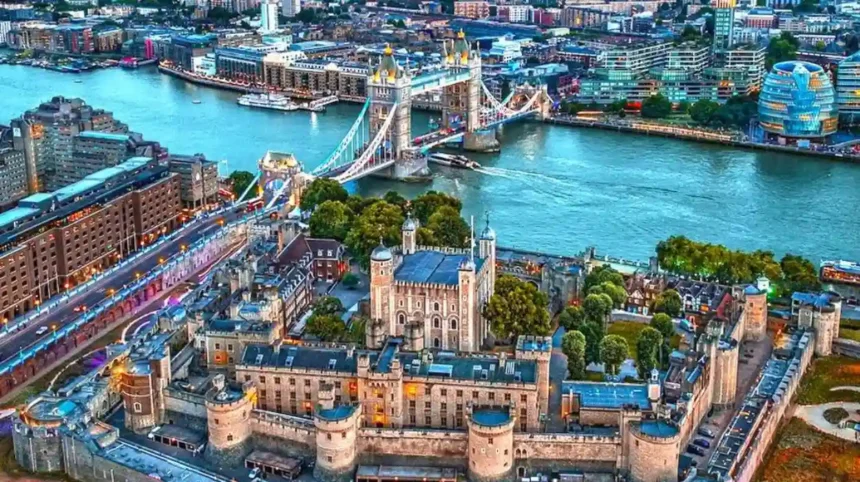
The Tower of London is the borough’s most significant historic attraction. UNESCO identifies it as a World Heritage Site and describes the White Tower as one of the most complete surviving examples of an 11th-century fortress palace in Europe. William the Conqueror established the original White Tower after the Norman Conquest, beginning a complex that developed between the 11th and 16th centuries.
Tower Bridge stands nearby across the River Thames. Its location creates a natural sightseeing sequence with the Tower of London, the riverside and St Katharine Docks. Visitors can combine architectural viewing, photography and riverside walking without travelling far between locations.
The borough’s historic identity extends beyond royal buildings. Tower Hamlets developed around London’s eastern edge, port activity, manufacturing, markets and immigrant communities. The council describes the area as the heart of London’s East End and identifies evidence of human activity dating back thousands of years.
As you explore the modern streets, you are crossing land with a deep heritage. Read about the full to understand its origins.
The Museum of London Docklands provides another historical layer. Located at West India Quay, the museum occupies No. 1 Warehouse and presents galleries covering 400 years of London’s Docklands, river, port and communities.
What does the Tower of London add to a short visit?
The Tower of London provides a concentrated historic experience because its surviving buildings represent royal power, military architecture, imprisonment, state institutions and the development of London beside the Thames.
UNESCO records the Tower’s role in defence, record-keeping and coinage. The complex also houses the Crown Jewels, which have been kept there since the 17th century.
For visitors working with limited time, the Tower also establishes geographical context. Its position beside the Thames explains the historical importance of London’s eastern river gateway and the relationship between the City and the river.
Where can visitors find markets between sightseeing stops?
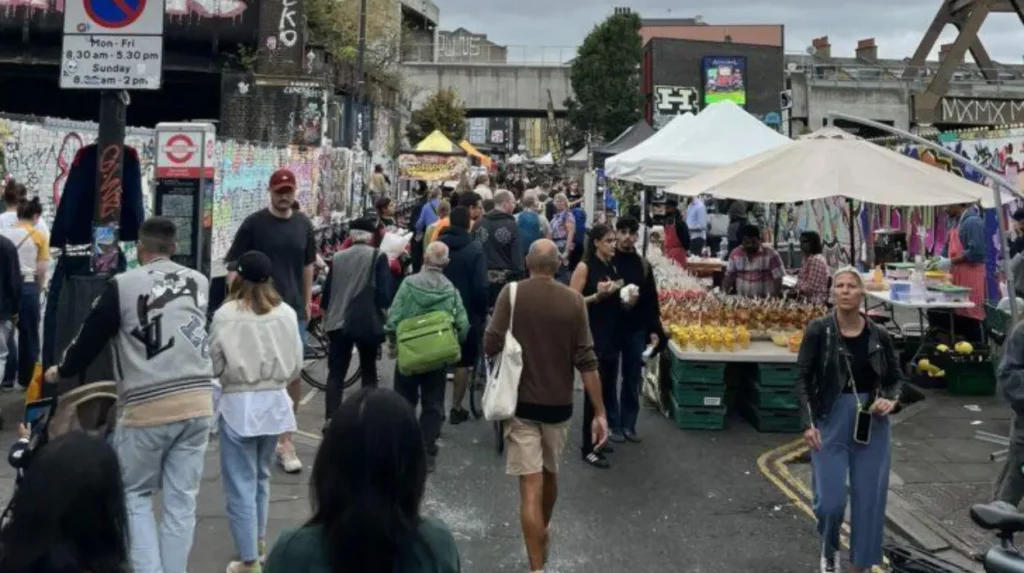
Tower Hamlets has a dense network of street markets where visitors can combine shopping, food and local culture with sightseeing, including Brick Lane, Columbia Road, Whitechapel, Petticoat Lane, Chrisp Street and Roman Road.
Markets are one of the easiest ways to add a short local experience to a London itinerary. Tower Hamlets Council lists ten street markets across the borough, including Brick Lane, Bethnal Green Road, Chrisp Street, Columbia Road, Petticoat Lane, Roman Road, Roman Road Square, Sclater Street, Watney Market and Whitechapel Market.
Brick Lane Market is particularly relevant to visitors. The market operates on Sundays and combines food, fashion, art, jewellery, vintage goods and other products. The council dates the market’s establishment to 1888 and identifies Brick Lane as an important focal point for the Bangladeshi community, alongside earlier French Huguenot and Jewish settlement.
Columbia Road Flower Market operates on Sundays and focuses on flowers and plants. The surrounding street also contains independent shops, galleries, cafés and pubs.
Whitechapel Market provides another option during the working week. It operates from Monday to Saturday and includes fresh produce, vegetables, spices, cultural clothing and jewellery.
Roman Road Market operates on Tuesdays, Thursdays and Saturdays. It includes clothing, household goods, toys, cosmetics, jewellery, bread, pastries and hot food.
Market opening days therefore influence itinerary planning. Sunday visitors have access to Brick Lane and Columbia Road, while weekday visitors have several other options.
What food experiences fit naturally into a Tower Hamlets sightseeing break?
Tower Hamlets offers food experiences closely connected with its markets, migrant communities and East End traditions, giving visitors opportunities to combine street food, cafés, traditional dishes and international cuisines with nearby cultural attractions.
Food is an important part of the borough’s visitor identity. Brick Lane is particularly associated with Bangladeshi culture and a broad selection of restaurants, cafés and street-food businesses.
Whitechapel and surrounding streets provide further connections with South Asian food traditions. Markets create additional opportunities for quick meals because visitors can eat without committing to a long restaurant booking.
Chrisp Street Market in Poplar provides a different local experience. The council identifies cafés, eateries and pie-and-mash shops alongside fruit, vegetables, clothing and household goods.
Petticoat Lane also combines shopping with weekday street food. Its trading area includes Goulston Street, Wentworth Street and Bell Lane. The market operates Monday to Friday and provides food alongside fashion and other goods.
This makes food particularly useful for short sightseeing windows. A visitor can use a market as both a meal stop and a cultural experience rather than treating eating and sightseeing as separate activities.
For digital nomads and business travellers, cafés around Whitechapel, Brick Lane and Canary Wharf also provide locations for a short working session between appointments. Visitors should check individual business opening hours and seating policies because these change independently of borough attractions.
Which parks provide a break from busy London sightseeing?
Tower Hamlets has more than 120 parks and green spaces, giving visitors practical places to pause between museums, markets and landmarks, with Victoria Park and Mile End Park providing particularly substantial green spaces.
Tower Hamlets Council records more than 120 parks and green spaces across the borough. Fourteen hold Green Flag Awards, while the council also reports London in Bloom recognition.
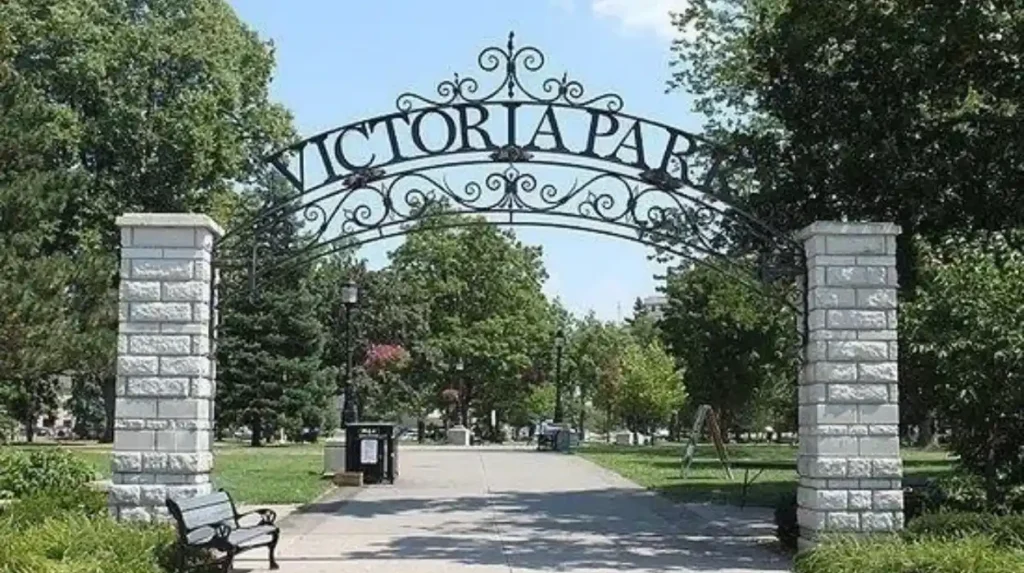
Victoria Park is the largest and most prominent option. It covers approximately 86 hectares and opened in 1845 for the benefit of East London’s working-class population. The council records more than nine million visits each year.
The park contains historic lakes, a bandstand, the Burdett Coutts Memorial, gardens and two original London Bridge stone alcoves. Facilities include sports areas, playgrounds, picnic spaces, toilets and refreshments.
Mile End Park provides a different environment. It includes the Art Pavilion, Ecology Pavilion, sports facilities and landscaped areas. The park also forms part of a wider green corridor connecting different parts of East London.
Victoria Park suits visitors with a longer break because of its scale. Mile End Park works well for visitors moving between central East London and the Olympic area.
How can visitors experience Tower Hamlets culture without spending a full day?
Visitors can experience Tower Hamlets culture through short combinations of markets, galleries, food streets, public art, historic neighbourhoods and community spaces, allowing cultural exploration to fit around larger London attractions rather than replacing them.
Whitechapel provides a strong cultural starting point. The Whitechapel Gallery was founded in 1901 by Samuel and Henrietta Barnett to bring major art to East London. The gallery continues to present contemporary exhibitions and public programmes.
The gallery is less than a minute’s walk from Aldgate East Underground station. Liverpool Street, Tower Gateway, Shoreditch High Street and Whitechapel are also within walking distance.
This location makes the gallery useful between central London and East London journeys. Visitors can incorporate an exhibition without making a separate cross-city trip.
The gallery also reflects the demographic history of the East End. Its history records the importance of working-class and migrant communities in Whitechapel and surrounding areas.
Brick Lane adds another cultural dimension through food, markets, street activity and the area’s long history of migration. The borough’s official market information identifies French Huguenot, Jewish and Bangladeshi connections with the street.
Why is Whitechapel useful for short cultural visits?
Whitechapel combines transport, food, art, markets and historic streets within a relatively small area. Its proximity to Aldgate East and Liverpool Street makes it easy to enter and leave without disrupting a wider London itinerary.
What can visitors do around Canary Wharf between central London attractions?
Canary Wharf provides a contrasting Tower Hamlets experience built around modern architecture, financial activity, public spaces, riverside areas, restaurants, shops and rapid transport connections through the Elizabeth line, Jubilee line and DLR.
Canary Wharf represents the modern Docklands side of Tower Hamlets. Its high-rise commercial architecture contrasts with the historic streets of Whitechapel, Spitalfields and the Tower area.
The area is also an important transport interchange. The Elizabeth line connects Canary Wharf with Liverpool Street and central London, while the Jubilee line and DLR provide additional connections.
The Docklands setting provides direct context for the area’s transformation. The Museum of London Docklands at West India Quay documents the history of London’s port and river communities over 400 years.
Visitors can therefore combine modern architecture with historical interpretation. A short visit can include the waterfront, public spaces, shops, restaurants and the museum without travelling to another borough.
Canary Wharf also works for business travellers. The concentration of offices, transport connections and food venues allows visitors with meetings to use spare time efficiently.
How should visitors connect Tower Hamlets with central London sightseeing?
Visitors can connect Tower Hamlets with central London by treating the borough as a sequence of nearby districts, using the Tower area, Whitechapel, Brick Lane, Victoria Park and Canary Wharf according to available time and transport connections.
A practical short itinerary starts near the Tower of London. Visitors can explore the fortress and continue towards Tower Bridge and the riverside.
A second stage can focus on Whitechapel. Aldgate East provides access to the Whitechapel Gallery, while nearby streets lead towards Brick Lane and Spitalfields.
A longer break can extend towards Victoria Park. The park is significantly larger than the small urban green spaces near the western edge of the borough, making it more suitable for walking, resting or outdoor recreation.
Another route moves east towards Canary Wharf. This option suits visitors interested in modern architecture, Docklands history and riverside environments.
Transport should determine the order. The Elizabeth line provides a fast east-west connection through Whitechapel and Canary Wharf, while the Underground and DLR provide alternative routes. TfL publishes current timetables and journey information because service patterns change.
What can visitors experience in Tower Hamlets with only two hours?
A two-hour Tower Hamlets stop works best when visitors choose one compact zone, such as the Tower and riverside, Whitechapel and Brick Lane, or Canary Wharf and Docklands, instead of attempting to cover the entire borough.
The Tower and riverside zone suits first-time visitors prioritising major heritage. The Tower of London provides the principal attraction, while Tower Bridge and the Thames create nearby extensions.
Whitechapel and Brick Lane suit visitors prioritising food, markets and culture. The Whitechapel Gallery sits close to Aldgate East, while Brick Lane provides food and market activity.
Canary Wharf suits visitors interested in modern London. The area provides a strong architectural contrast with the historic Tower district and has direct transport links.
A two-hour visit requires realistic distances. Victoria Park is extensive, so visitors should allow additional travel time when starting from the western side of the borough.
The most efficient approach is to select attractions based on geography rather than trying to collect individual landmarks across different districts.
What works for a half-day visit to Tower Hamlets?
A half-day gives visitors enough time to combine two connected experiences, such as the Tower and Docklands, Whitechapel and Brick Lane, or Victoria Park and Roman Road, while retaining enough travel time for the next London destination.
The Tower and Docklands combination creates a historical sequence from medieval royal power to the modern financial district. The Tower provides Norman and medieval history, while the Museum of London Docklands explains London’s later port development.
Whitechapel and Brick Lane provide a stronger cultural and food-focused half-day. Visitors can combine contemporary art, historic streets, market browsing and food.
Victoria Park and Roman Road offer a greener local experience. The park provides substantial open space, while Roman Road Market provides a traditional street-market setting on selected days.
Visitors should check opening days before travelling. Market schedules differ considerably. Brick Lane and Columbia Road are particularly associated with Sundays, while Whitechapel and Chrisp Street operate during the week.
Why is Tower Hamlets relevant to London’s wider visitor experience?
Tower Hamlets demonstrates how London’s royal, commercial, maritime, migrant, cultural and financial histories developed alongside one another, making the borough relevant to visitors seeking more context around the major landmarks of central and eastern London.
The borough connects several important narratives of London. The Tower of London represents Norman conquest, royal power and medieval state institutions. The river explains the importance of trade and transport. The Docklands represents London’s maritime and commercial transformation. Whitechapel and Brick Lane reflect successive migrant communities and East End culture. Canary Wharf represents modern financial London.
Its parks provide another dimension. Victoria Park opened in the 19th century as a public park serving East London’s working population. Today it attracts more than nine million visits annually.
The borough’s markets also remain part of its everyday economic and cultural structure. Ten council-supported street markets provide different combinations of food, produce, clothing, household goods, flowers and specialist products.
This combination gives Tower Hamlets particular relevance for short visits. The area does not require visitors to abandon the major London sightseeing circuit. Instead, it adds local markets, neighbourhood culture, green space, food, art and Docklands history between major attractions.
Explore More Area Guide
Tower Hamlets for Short Visits: Top Attractions & Things to Do
How Long to Explore Tower Hamlets? London Travel Guide
How should visitors plan Tower Hamlets around changing London itineraries?
Visitors should plan Tower Hamlets by grouping attractions geographically, checking current transport and opening information, allowing walking time, and selecting activities that match their available window rather than attempting to cover the entire borough in one stop.
Opening times and transport schedules are practical planning factors. TfL provides current Elizabeth line timetables and live travel information, while individual museums, galleries and markets publish their own visitor information.
Market days require particular attention. Brick Lane operates on Sundays, Columbia Road Flower Market operates on Sundays, Whitechapel Market operates Monday to Saturday, and Roman Road Market operates on Tuesdays, Thursdays and Saturdays.
Visitors should also distinguish between a landmark visit and a neighbourhood visit. The Tower of London requires dedicated attraction time. A market or riverside walk is easier to incorporate into a short gap.
For accessibility planning, visitors should check the latest venue and TfL information before travelling. Station facilities, temporary closures and event arrangements change over time.
The most effective Tower Hamlets stop therefore starts with the next destination. Visitors can then choose the nearest suitable attraction rather than crossing the borough unnecessarily.
Why does Tower Hamlets work particularly well for repeat London visits?
Tower Hamlets suits repeat London visitors because its attractions extend beyond the standard central itinerary, offering markets, neighbourhoods, parks, galleries, Docklands heritage, food districts and changing cultural programmes across different parts of the borough.
First-time visitors often prioritise the Tower of London and Tower Bridge. Repeat visitors can explore Whitechapel, Brick Lane, Columbia Road, Roman Road, Victoria Park, Mile End and Canary Wharf.
The borough also has a changing cultural programme. Whitechapel Gallery presents temporary exhibitions rather than maintaining a permanent collection, while its programme includes exhibitions, events and educational activities.
Parks provide another reason to return. Victoria Park hosts community activities, events, live music and sport, while Mile End Park contains art, ecology and recreation facilities.
The borough’s markets also change by day and location. This makes different visits produce different experiences without requiring a long journey from central London.
For tourists, the result is a flexible East London stop that fits around major attractions. For residents, business travellers and digital nomads, the same infrastructure provides food, work-friendly areas, transport links and outdoor spaces.
Tower Hamlets therefore functions as both a destination and a connector. Its location links historic London with the East End and Docklands, while its attractions provide practical options for visitors filling two hours, half a day or a longer gap between sightseeing stops.
What is Tower Hamlets known for?
Tower Hamlets is known for the Tower of London, Tower Bridge, Brick Lane, Whitechapel, Victoria Park, Canary Wharf, historic markets, Docklands heritage and its diverse food and cultural scene.