Tower Hamlets is one of East London’s most varied visitor destinations. The London Borough of Tower Hamlets stretches from the City of London and the Tower of London towards Bow, Mile End, Canary Wharf, Limehouse and the Thames-side neighbourhoods around Wapping. Its attractions combine medieval heritage, historic docks, markets, museums, public art, parks, canals and contemporary architecture.
- What makes Tower Hamlets an important visitor destination in East London?
- Which historic attractions should visitors explore in Tower Hamlets?
- What are the best markets to visit in Tower Hamlets?
- Which museums and cultural venues are worth visiting in Tower Hamlets?
- Where can visitors find the best parks and green spaces in Tower Hamlets?
- What are the best riverside and waterfront places in Tower Hamlets?
- What makes Canary Wharf different from historic Tower Hamlets?
- Which lesser-known places should visitors explore beyond the main attractions?
- How can visitors experience Tower Hamlets through its cultural diversity?
- What can digital nomads and business travellers do in Tower Hamlets?
- How should visitors plan a one-day Tower Hamlets itinerary?
- Morning: Tower Hill and the Thames
- Midday: Spitalfields and Brick Lane
- Afternoon: Museum or park
- Evening: Canary Wharf
- How accessible is Tower Hamlets for visitors?
- What should visitors know before exploring Tower Hamlets?
- Why should Tower Hamlets be included in an East London travel itinerary?
The borough has a particularly strong connection with London’s development as a trading city. The River Thames, docks, warehouses and markets shaped its economy, while successive communities created distinctive cultural areas around Whitechapel, Spitalfields, Brick Lane, Bethnal Green and the Isle of Dogs.
Tower Hamlets also contains internationally recognised landmarks. The Tower of London is a UNESCO World Heritage Site. Victoria Park provides one of the borough’s largest green spaces. Canary Wharf presents a modern financial district with public art, gardens and waterside routes. The Museum of London Docklands explains the history of the capital’s river, docks and global trading connections.
For visitors, this combination creates a destination where a single day can include a historic fortress, a museum, a market, a canal walk and a riverside skyline.
What makes Tower Hamlets an important visitor destination in East London?
Tower Hamlets is an important East London visitor destination because it combines major landmarks, historic neighbourhoods, museums, markets, parks, waterways and modern commercial districts within a relatively compact part of London. Its attractions span more than 1,000 years of history and contemporary urban life.
The borough’s visitor identity is built around several geographical zones. Tower Hill and Wapping provide historic riverside attractions. Whitechapel and Spitalfields offer museums, markets, architecture and cultural venues. Bethnal Green and Bow connect visitors with parks and local markets. The Isle of Dogs and Canary Wharf provide modern waterfront experiences.
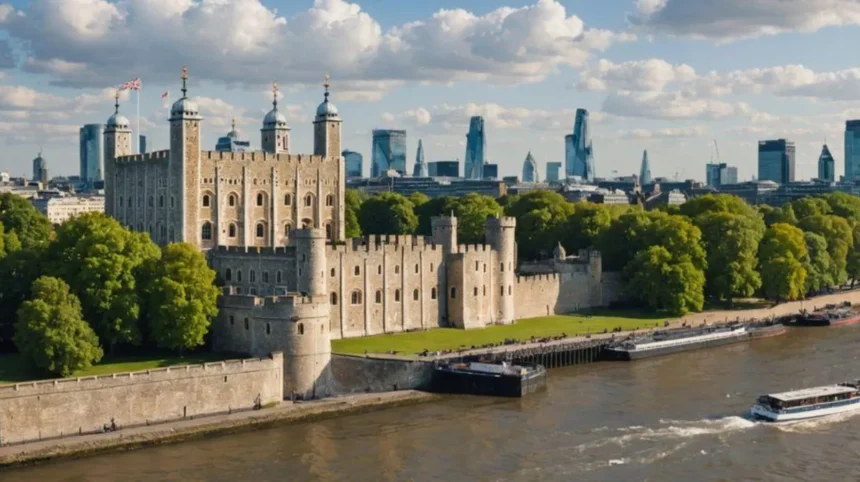
The Tower of London is the borough’s most internationally recognised historic attraction. UNESCO identifies the fortress as an outstanding example of Norman military architecture and records its foundation by William the Conqueror in 1066. The White Tower forms the core of the complex.
Tower Hamlets also has a strong concentration of street markets. The council lists 10 street markets, including Brick Lane, Bethnal Green Road, Chrisp Street, Columbia Road, Petticoat Lane, Roman Road, Sclater Street, Watney Market and Whitechapel Market.
This geographical and cultural variety makes Tower Hamlets suitable for different visitor interests without requiring travel across distant parts of London.
Which historic attractions should visitors explore in Tower Hamlets?
Visitors should prioritise the Tower of London, Tower Bridge surroundings, historic Spitalfields, Christ Church Spitalfields, Wapping’s former docklands and surviving listed buildings. These places demonstrate how royal power, maritime commerce, immigration, industry and urban redevelopment shaped Tower Hamlets.
Tower of London
The Tower of London is the borough’s defining historic attraction. The complex began with the White Tower after the Norman Conquest and developed into a fortress, royal residence, prison, armoury and repository for state possessions.
UNESCO describes it as the most complete surviving 11th-century fortress palace in Europe. The site also became associated with major episodes of English political and religious history.
The Tower is particularly important for visitors interested in medieval London. Its location beside the Thames demonstrates the strategic relationship between the river, the City of London and royal authority.
Tower Bridge area
Tower Bridge stands immediately west of the Tower of London across the Thames. Its Victorian engineering and distinctive towers form one of London’s best-known riverside views.
The surrounding riverside route connects Tower Hill with St Katharine Docks and Wapping. This makes the area useful for visitors combining historic attractions with a Thames walk.
St Katharine Docks
St Katharine Docks is a former commercial dock transformed into a marina with restaurants, shops and waterside spaces. It provides a direct example of how former industrial infrastructure has been incorporated into modern London.
Its location beside the Tower of London makes it an efficient stop during a central Tower Hamlets itinerary.
Historic Spitalfields
Spitalfields contains historic streets, religious buildings, former commercial premises and market spaces. Tower Hamlets Council’s cultural trail identifies 20 points of interest around Brick Lane and Spitalfields, including Christ Church Spitalfields, Fournier Street, Princelet Street, Old Spitalfields Market, Whitechapel Art Gallery and Toynbee Hall.
As you explore the modern streets around Brick Lane and Spitalfields, you are crossing land with a deep heritage. Read about the full to understand its origins.
What are the best markets to visit in Tower Hamlets?
Tower Hamlets has one of London’s strongest concentrations of traditional and specialist markets, with established destinations such as Brick Lane, Petticoat Lane, Columbia Road, Whitechapel and Roman Road. Visitors find food, clothing, flowers, vintage goods, household products, art and independent retail.
Brick Lane Market
Brick Lane is one of East London’s most recognisable visitor destinations. Tower Hamlets Council records the market’s establishment in 1888 and describes its historic connection with French Huguenot, Jewish and Bangladeshi communities.
Sunday is particularly associated with Brick Lane Market. Visitors encounter fashion, food, art, jewellery, retro goods and independent stalls.
The surrounding street also contains restaurants, cafés, galleries, vintage shops and street art. This makes Brick Lane more than a market destination.
Old Spitalfields Market
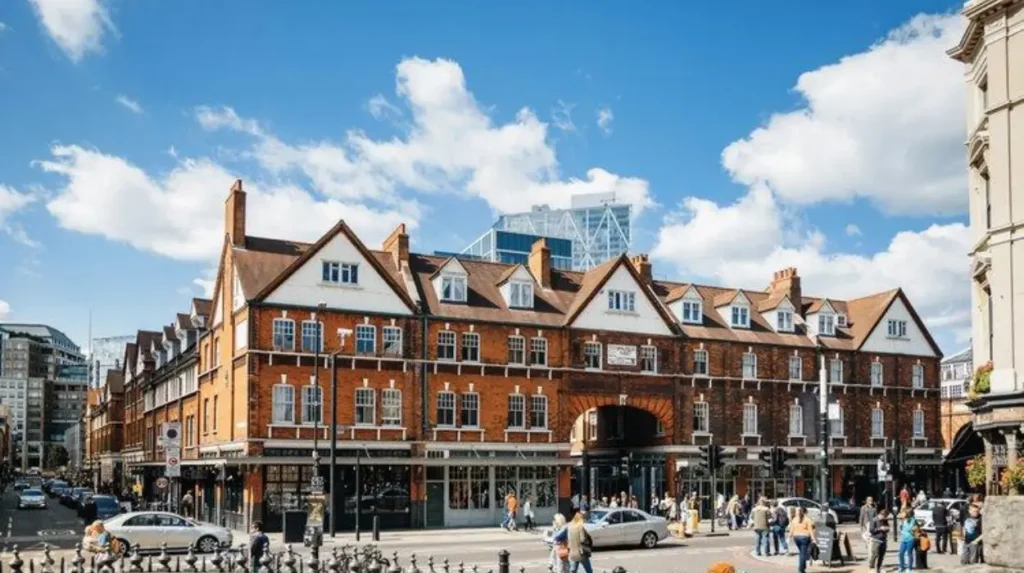
Old Spitalfields Market provides a covered market environment close to Liverpool Street and Brick Lane. Its setting combines historic architecture with contemporary retail, food and independent businesses.
It works particularly well during wet weather because visitors can continue exploring without relying entirely on outdoor routes.
Petticoat Lane Market
Petticoat Lane is another historic market destination in the wider Spitalfields and Whitechapel area. The market is associated particularly with clothing, textiles and fashion-related trading.
Its location makes it easy to combine with Brick Lane, Old Spitalfields Market and Whitechapel attractions.
Columbia Road Flower Market
Columbia Road Flower Market provides a distinct visitor experience centred on plants and flowers. Tower Hamlets Council identifies Columbia Road as the borough’s specialist flower and plant market.
The surrounding street contains independent shops, cafés and small businesses. Sunday is the key market day, making it useful for visitors planning a weekend itinerary.
Which museums and cultural venues are worth visiting in Tower Hamlets?
Tower Hamlets offers museums and cultural venues covering London’s maritime history, migration, contemporary art, local communities and urban development. The Museum of London Docklands, Whitechapel Gallery, Rich Mix and historic cultural sites provide different perspectives on East London.
Museum of London Docklands
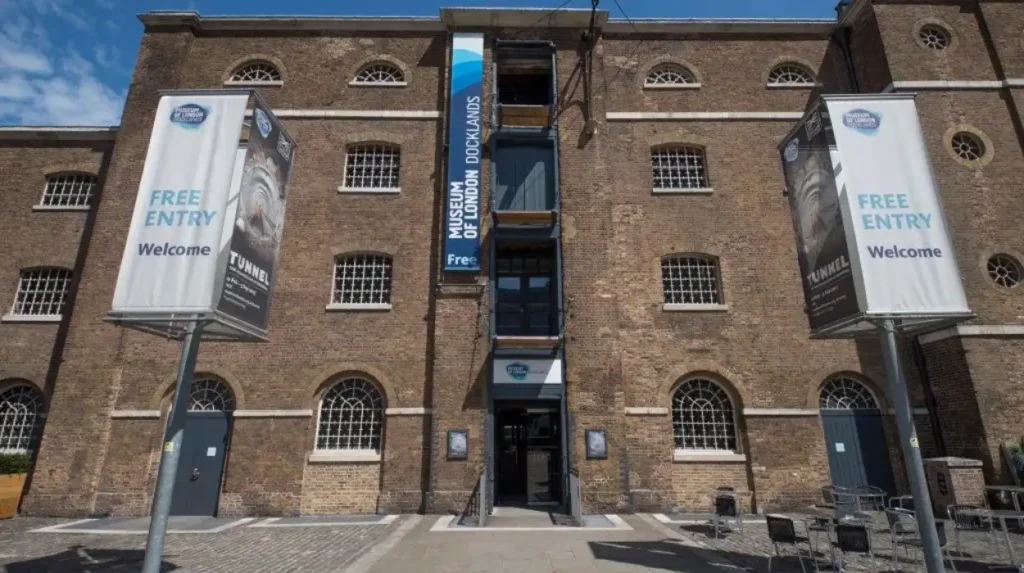
The Museum of London Docklands is one of the borough’s most important cultural attractions. It is located at West India Quay in a former warehouse associated with the historic docks.
The museum explains the development of London’s river, docks and international trade. Its collections provide context for understanding why the Isle of Dogs, Canary Wharf and the wider Thames waterfront became economically significant.
The museum is also useful for family visits because its subject matter connects geography, commerce, migration and everyday life.
Whitechapel Gallery
Whitechapel Gallery is a major contemporary art institution located on the edge of the Whitechapel and Spitalfields area.
Its exhibitions place East London within London’s wider contemporary cultural landscape. The gallery also connects naturally with Brick Lane, Commercial Street and other cultural destinations.
Rich Mix
Rich Mix is a cultural venue in Bethnal Green. It presents film, arts, music and community-focused programming.
Its location near Brick Lane and Shoreditch makes it practical for visitors combining daytime sightseeing with evening cultural activities.
Historic churches and cultural buildings
Christ Church Spitalfields is one of the area’s most prominent historic buildings. Its architecture forms part of the wider heritage landscape around Fournier Street and Spitalfields Market.
The borough’s cultural trail also identifies Brick Lane Jamme Masjid, Whitechapel Art Gallery, Toynbee Hall and other sites as significant locations within the local heritage landscape.
Where can visitors find the best parks and green spaces in Tower Hamlets?
Victoria Park and Mile End Park are the leading large green spaces for visitors, while smaller gardens, cemetery landscapes and riverside areas provide additional outdoor options. These spaces support walking, recreation, picnics, nature observation and cultural events.
Victoria Park
Victoria Park is the borough’s largest park and one of its most important recreational destinations. The council describes it as London’s oldest public park, opened in 1845 for the benefit of the East End working class. It covers approximately 86 hectares and receives more than nine million visits each year.
The park contains historic lakes, a bandstand, memorials, gardens, sports facilities and two original London Bridge stone alcoves. It also has Green Flag and Green Heritage recognition.
Victoria Park connects with a wider green corridor involving the Regent’s Canal, Mile End Park and routes towards Queen Elizabeth Olympic Park.
Mile End Park
Mile End Park is a 32-hectare linear park extending alongside the Regent’s Canal. The council states that it was created on industrial land affected by Second World War bombing.
The park includes the Art Pavilion, Ecology Pavilion, children’s facilities, sports areas and outdoor activity spaces.
Its location between Victoria Park and Limehouse makes it particularly useful for visitors who want to combine green space with canal-side walking.
Tower Hamlets Cemetery Park
Tower Hamlets Cemetery Park provides another important green and heritage environment. It is also identified by the council as a local nature reserve.
The cemetery landscape combines historic memorials, mature vegetation and wildlife habitats. It provides a quieter alternative to the borough’s busiest visitor districts.
What are the best riverside and waterfront places in Tower Hamlets?
The Thames, Limehouse Basin, Wapping, St Katharine Docks and Canary Wharf provide Tower Hamlets’ main waterfront experiences. Visitors can follow riverside paths, view historic docks, see modern architecture and connect different attractions through walking routes.
Wapping and the Thames Path
Wapping retains strong associations with London’s historic docks and riverside industries. Its location between Tower Hill and Limehouse makes it suitable for walking itineraries.
The Thames Path provides opportunities to view warehouses, wharves, bridges and changing riverfront architecture.
Limehouse Basin
Limehouse Basin links the Regent’s Canal with the Thames. It forms an important transition between inland waterways and the river.
The surrounding area contains residential development, historic warehouses and waterside paths. Visitors can use it as a stopping point when exploring Limehouse and the eastern section of the Thames.
Canary Wharf waterfront
Canary Wharf represents the modern transformation of former docklands into a major financial and commercial district. The area combines office towers with public squares, gardens, restaurants, shopping areas, waterways and cultural installations.
Visit London describes Canary Wharf as a major East London destination combining modern architecture with repurposed dockland structures, waterfront activities, gardens, art and entertainment.
The district is especially useful for visitors interested in architecture and photography because the skyline changes dramatically between the docks, bridges and public spaces.
What makes Canary Wharf different from historic Tower Hamlets?
Canary Wharf differs from historic Tower Hamlets through its high-rise skyline, financial institutions, contemporary public spaces and regenerated docks. Its attractions include Crossrail Place Roof Garden, public art, Jubilee Park, waterside paths and modern architecture around former commercial docklands.
Crossrail Place Roof Garden
Crossrail Place Roof Garden is one of Canary Wharf’s distinctive public spaces. Its enclosed structure contains plants from different parts of the world and provides an elevated garden environment within the financial district.
The garden forms part of Canary Wharf’s wider programme of landscaped public spaces.
Public art
Canary Wharf has developed a substantial permanent public art collection. Its published art material describes more than 100 permanent pieces across the estate, creating one of the United Kingdom’s largest free outdoor public art collections.
Visitors can therefore build a self-guided architecture and sculpture route through the district without entering a traditional gallery.
Jubilee Park and Canada Square
Jubilee Park and Canada Square provide landscaped spaces surrounded by office buildings and transport infrastructure. Their paths and open areas provide straightforward breaks between Canary Wharf’s commercial and cultural attractions.
The combination of water, gardens, sculpture and towers gives this part of Tower Hamlets a distinct visual character.
Which lesser-known places should visitors explore beyond the main attractions?
Visitors seeking quieter experiences should explore Limehouse, Narrow Street, Tower Hamlets Cemetery Park, Mudchute Park and Farm, local canals and smaller heritage sites. These destinations provide historical buildings, nature, working-dock heritage and community environments beyond the main tourist circuit.
Narrow Street and Limehouse
Narrow Street follows the historic waterfront near Limehouse. Surviving warehouses and wharf buildings provide evidence of the area’s maritime past.
Historic England records St Dunstan’s Wharf at 142 Narrow Street as a Grade II listed building dated 1873. The building forms part of a group associated with Limekiln Dock.
Mudchute Park and Farm
Mudchute Park and Farm occupies a large open area on the Isle of Dogs. It provides an unusual rural-style experience within a densely developed urban district.
The combination of open land, animals, gardens and views towards Canary Wharf makes Mudchute particularly useful for families and visitors seeking outdoor activities.
St Dunstan in the East
St Dunstan in the East is technically just outside the Tower Hamlets boundary, in the City of London, but it sits immediately west of the borough and forms a useful addition to a Tower Hill itinerary.
Historic England records its surviving church ruins and the Wren-designed tower dating from 1698. Much of the church body was destroyed during the Second World War.
Its proximity to the Tower of London makes it practical for visitors exploring the historic eastern edge of central London.
How can visitors experience Tower Hamlets through its cultural diversity?
Tower Hamlets’ cultural identity reflects centuries of migration, trade, religion and community development. Whitechapel, Spitalfields and Brick Lane provide particularly strong examples through food, religious buildings, markets, architecture, independent businesses and cultural institutions.
Brick Lane provides one of the clearest examples. The council identifies the street as a historic focal point for the Bangladeshi community while also recording earlier French Huguenot and Jewish connections.
The architectural landscape reinforces this history. Visitors encounter former synagogues, churches, mosques, warehouses, workshops and Victorian commercial buildings within relatively short walking distances.
Brick Lane Jamme Masjid is particularly notable because the building reflects changing religious communities in Spitalfields. It forms part of the council’s cultural trail alongside Fournier Street, Christ Church Spitalfields and Old Spitalfields Market.
This cultural layering makes Tower Hamlets relevant to visitors interested in London’s migration history as well as conventional sightseeing.
What can digital nomads and business travellers do in Tower Hamlets?
Digital nomads and business travellers can combine sightseeing with cafés, libraries, public spaces, cultural venues and transport-connected districts. Canary Wharf, Spitalfields, Whitechapel and Brick Lane provide particularly practical bases for working during the day and exploring East London afterwards.
Canary Wharf provides extensive commercial infrastructure, restaurants, cafés, public spaces and transport connections. Its proximity to the Jubilee line, Elizabeth line and DLR makes it especially convenient for travellers moving between East London and central London.
Spitalfields and Brick Lane provide a different working environment. Independent cafés, restaurants, shops and cultural venues create a more local urban setting.
Whitechapel provides another strong base because it sits close to the City of London while connecting directly with East London neighbourhoods.
For short business trips, the borough works particularly well because leisure activities are located close to major employment centres. A visitor can explore the Museum of London Docklands during a free afternoon, walk around Canary Wharf after meetings or visit Brick Lane during an evening.
How should visitors plan a one-day Tower Hamlets itinerary?
A practical one-day itinerary should group nearby attractions rather than attempting to cover the entire borough. Start around the Tower of London, continue through Wapping or Spitalfields, visit a museum or market, then finish around Brick Lane, Victoria Park or Canary Wharf.
Morning: Tower Hill and the Thames
Start at Tower Hill with the Tower of London. Allow sufficient time for the fortress and its principal exhibitions.
Continue towards St Katharine Docks and the Thames. This section provides a concentrated introduction to medieval, maritime and modern riverside London.
Midday: Spitalfields and Brick Lane
Travel towards Spitalfields for Old Spitalfields Market, Christ Church Spitalfields and the surrounding historic streets.
Continue towards Brick Lane for food, independent retail and market activity. The council’s cultural trail provides a framework for exploring 20 heritage locations around Brick Lane and Spitalfields.
Afternoon: Museum or park
Choose the Museum of London Docklands for maritime and economic history.
Alternatively, head towards Victoria Park for open space and recreation. Victoria Park covers approximately 86 hectares and receives more than nine million visits annually.
Evening: Canary Wharf
Finish at Canary Wharf for contemporary architecture, public art, restaurants and waterside views.
Crossrail Place, Jubilee Park and the surrounding dock spaces provide several options for an evening walk.
How accessible is Tower Hamlets for visitors?
Tower Hamlets is highly connected to central London and other East London districts through Underground, DLR, Elizabeth line, rail, bus, walking and cycling routes. Visitors should select attractions by neighbourhood to reduce unnecessary journeys and maximise sightseeing time.
The Underground serves important areas including Tower Hill, Aldgate East, Whitechapel and Mile End. The DLR connects destinations such as West India Quay, Canary Wharf, Limehouse and other Docklands locations.
The Elizabeth line provides fast connections through Whitechapel and Canary Wharf, while the Jubilee line serves Canary Wharf.
Mile End is particularly useful for visitors heading towards Victoria Park. The council identifies Mile End Underground station as the nearest Underground station to Mile End Park and notes that it is served by the Central, District and Hammersmith & City lines.
Walking is also important because several attractions sit within compact districts. Spitalfields, Brick Lane, Whitechapel and the City fringe can be explored effectively on foot.
Explore More Area Guide
Tower Hamlets Attractions for Holidaymakers: East London 2026
Tower Hamlets Tourist Guide: Attractions, History & Culture
What should visitors know before exploring Tower Hamlets?
Visitors should check individual attraction opening arrangements, market days, event schedules and transport conditions before travelling. Markets operate on different days, parks have defined access arrangements, and popular attractions require enough time for entry and exploration.
Market timing is particularly important. Brick Lane is strongly associated with Sunday trading, while Columbia Road Flower Market also operates as a Sunday destination. Tower Hamlets Council provides current market information and lists the borough’s established street markets.
Visitors should also distinguish between outdoor and indoor attractions. Parks and riverside routes provide flexible sightseeing, while museums and galleries operate according to their own opening schedules.
Victoria Park opens from 7am until dusk throughout the year, according to the council, while specific opening times are displayed at park entrances.
For accessibility planning, Mile End Park has step-free route information covering journeys from Mile End Underground Station towards the Children’s Park and Art Pavilion.
Checking official information before departure keeps an itinerary accurate, particularly during festivals, public events and seasonal market periods.
Why should Tower Hamlets be included in an East London travel itinerary?
Tower Hamlets deserves a central place in an East London itinerary because its attractions cover royal history, maritime heritage, immigration, markets, contemporary art, green spaces and modern architecture. Few London boroughs provide such a concentrated combination of historic and contemporary visitor experiences.
The borough provides a clear chronological journey through London’s development.
The Tower of London represents Norman conquest and medieval royal power. Spitalfields demonstrates migration, religion and commercial expansion. The historic docks explain London’s global trading economy. Victoria Park reflects nineteenth-century investment in public recreation. Canary Wharf demonstrates the redevelopment of former docklands into a global financial district.
The borough’s markets add another layer by preserving forms of street trading that remain central to local commerce. Tower Hamlets Council describes its markets as vibrant and contrasting destinations and identifies 10 established street markets across the borough.
Its green spaces also provide balance to the dense urban environment. Victoria Park, Mile End Park, Tower Hamlets Cemetery Park and Mudchute create opportunities for walking, recreation and nature observation.
For tourists, the result is a destination that works across multiple interests. History enthusiasts can focus on the Tower of London and docklands. Food-focused visitors can explore Brick Lane and the markets. Art enthusiasts can visit Whitechapel Gallery and Canary Wharf’s public art. Families can use Victoria Park, Mile End Park and Mudchute. Business travellers can combine Canary Wharf with short cultural excursions.
Tower Hamlets therefore functions as more than a collection of individual attractions. Its main value comes from the relationship between its river, markets, communities, heritage buildings, green spaces and regenerated docklands. Exploring those connections provides a fuller understanding of East London and London’s wider urban history.
What are the best places to visit in Tower Hamlets?
The best places include the Tower of London, Brick Lane, Spitalfields, Museum of London Docklands, Victoria Park, Canary Wharf, Limehouse, Wapping and St Katharine Docks.