Key Points
- Rapid Decrease in Capacity: Romford Market has seen its capacity decline from about 600 pitch spaces in 1990 to slightly more than 150 stalls currently being offered.
- Fast Decline in Number of Traders: According to the records of 2020, the number of traders in the market has declined to approximately 60 traders using 122 pitches.
- Change in Consumer Behavior: With the advent of supermarkets, shopping complexes and online trading platforms, the shopping behavior of consumers has changed greatly.
- Adjustments in Council’s Approach: The Havering Council has previously explored the idea of shrinking the area covered by the physical market to cover roughly half of the historical Market Place for addressing dispersal.
- Significance of Historical Age: Established almost 800 years ago, the street market is now in one of the toughest periods in terms of economic environment.
Romford (East London Times) September 9, 2026 — Staff at Queen’s Hospital have been left overwhelmed by an extraordinary wave of community generosity following a substantial influx of handmade donations crafted by local residents. The donated items, which range from vibrant lap blankets to seasonal gifts, have been delivered to assist in bringing warmth, cheer, and dignity to patients undergoing treatment across various wards. Hospital representatives confirmed that the outpouring of support will directly benefit individuals receiving care over the coming months, particularly during major seasonal milestones and key commemorative events.
- Key Points
- Why Have Handmade Donations Flooded Into Queen’s Hospital?
- How Do These Crafted Items Impact Patient Care and Well-being?
- What Has Been the Official Response From Hospital Staff?
- Background of the Particular Development
- Prediction: How This Development Can Affect Patients and the Local Community
Why Have Handmade Donations Flooded Into Queen’s Hospital?
The surge in community contributions comes as local craft groups, independent volunteers, and neighborhood knitting circles joined forces to support the hospital’s patient experience initiatives. Individuals dedicated hundreds of hours to creating tailored items designed to meet specific physical and emotional needs within the healthcare environment.
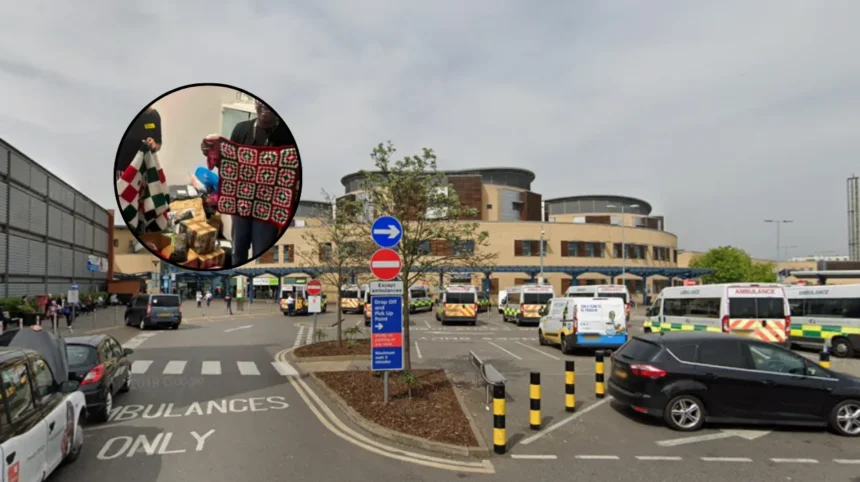
Among the items received are hand-knitted lap blankets intended to provide warmth to frail and elderly patients, particularly those recovering from major procedures or enduring lengthy stays. In addition to general comfort items, volunteers produced dedicated seasonal craftwork. This includes themed creations for Halloween, handcrafted poppies ahead of Remembrance Day services, and festive Christmas stockings meant to brighten the environment for those hospitalized over the holiday season.
Staff members reported that the scale of the donations exceeded initial expectations, demonstrating a deep-rooted public commitment to supporting the local NHS hospital and its workforce.
How Do These Crafted Items Impact Patient Care and Well-being?
Healthcare professionals at Queen’s Hospital emphasized that handmade donations offer therapeutic benefits that extend beyond mere physical utility. For many patients—especially those without regular visitors or those receiving palliative care—receiving a unique, hand-crafted item provides a vital sense of community connection and emotional reassurance.
Clinical teams highlighted several key operational and therapeutic uses for the donated stock:
- Lap Blankets: Utilized across elderly care and rehabilitation units to assist with temperature regulation and provide tactile comfort.
- Remembrance Poppies: Distributed to veterans and older patients during November, allowing individuals to participate in national traditions despite being confined to a hospital bed.
- Seasonal Stockings and Toys: Reserved for pediatric wards and emergency units to alleviate anxiety for younger patients during holiday periods.
Nurses and support staff noted that such personal touches play a key role in humanizing the hospital environment, reducing feelings of isolation, and assisting in general recovery outcomes.
What Has Been the Official Response From Hospital Staff?
Representatives and ward leaders at Queen’s Hospital expressed sincere gratitude to every contributor involved in the initiative. Management highlighted that the selfless effort of local residents reflects a strong public bond with the institution.
Staff members confirmed that the hospital’s patient experience teams are currently cataloging and organizing the items to ensure equitable distribution across all departments. The hospital expressed immense appreciation for the time, skill, and resources invested by community members, reaffirming that these contributions make a tangible difference to daily ward life.
Background of the Particular Development
Queen’s Hospital, located in Romford and operated by the Barking, Havering and Redbridge University Hospitals NHS Trust (BHRUT), serves a large and diverse population across East London and Essex. Over recent years, NHS trusts across the United Kingdom have increasingly integrated community-led voluntary initiatives to supplement core healthcare provision and improve patient experience.
Public crafting drives have a established history within the NHS, particularly during times of heightened pressure on public health services. Organizations frequently rely on local voluntary networks to supply items such as premature baby clothes, dementia fidget blankets, and end-of-life memory bags. The recent overwhelming response at Queen’s Hospital aligns with a broader national movement where community engagement directly reinforces the day-to-day emotional support framework for hospitalized individuals.
Prediction: How This Development Can Affect Patients and the Local Community
This significant influx of handmade donations is set to create lasting positive outcomes for both the institutional operations at Queen’s Hospital and the surrounding region.
For the primary audience—the patients—the ongoing availability of these items ensures a more compassionate and personalized care setting. The continuous supply of lap blankets and seasonal gifts will directly mitigate inpatient stress, boost morale during long-term admissions, and preserve patient dignity during emotionally difficult periods like Christmas or Remembrance Day.
For the broader local community and voluntary groups, this successful initiative is likely to solidify and expand civic engagement with the NHS trust. The visible, positive reception from hospital staff acts as a powerful catalyst, encouraging continued volunteerism and fostering structured local crafting networks. In the longer term, this deepened partnership between residents and Queen’s Hospital provides a scalable model for community-backed healthcare support, reinforcing social cohesion and ensuring vulnerable patients remain thoughtfully connected to the surrounding community.