Tower Hamlets is an East London borough that combines historic neighbourhoods, major cultural attractions, former docklands, markets, parks, riverside spaces and one of London’s largest business districts. For first-time visitors, understanding its geography makes it easier to plan sightseeing, food, walking routes and transport.
- What is Tower Hamlets and where is it?
- What should first-time visitors know about Tower Hamlets’ history?
- Which Tower Hamlets neighbourhoods are best for a first visit?
- Which attractions should first-time visitors see in Tower Hamlets?
- What can visitors do in Tower Hamlets besides visiting major attractions?
- Where should first-time visitors eat in Tower Hamlets?
- Which markets should first-time visitors explore in Tower Hamlets?
- Which parks are worth visiting in Tower Hamlets?
- How easy is it to get around Tower Hamlets?
- How can first-time visitors plan a one-day Tower Hamlets itinerary?
- Is Tower Hamlets suitable for visitors who want quieter experiences?
- Where can digital nomads and business travellers spend downtime in Tower Hamlets?
- What should first-time visitors know about Tower Hamlets’ modern identity?
- How should first-time visitors spend two or more days in Tower Hamlets?
- Why is Tower Hamlets worth understanding as a whole?
The borough stretches from the historic Tower of London and Wapping in the west to Canary Wharf, Poplar and Blackwall in the east. Its northern areas include Bethnal Green, Bow, Mile End and parts of the East End. This creates a destination with several distinct visitor experiences rather than one single tourist centre.
Tower Hamlets is also one of London’s most densely populated and culturally diverse boroughs. The council’s borough profile brings together information covering population, employment, economy, housing, transport and community characteristics.
For a first visit, the most useful approach is to divide the borough into geographical areas and combine major attractions with markets, parks, food streets and riverside walks.
What is Tower Hamlets and where is it?
Tower Hamlets is an inner London borough on the eastern side of central London, extending from the Tower of London and Whitechapel towards Canary Wharf, Poplar, Bow and the River Lea. Its southern boundary follows a substantial section of the River Thames.
Tower Hamlets sits immediately east of the City of London. Its position gives visitors access to central London while also providing a distinct East London environment.
The borough includes neighbourhoods such as Whitechapel, Spitalfields, Bethnal Green, Stepney, Mile End, Bow, Wapping, Limehouse, Poplar, the Isle of Dogs and Canary Wharf. Each area has a different built environment and visitor focus.
The council describes Tower Hamlets as the heart of the East End and highlights its combination of historic and modern destinations. The borough includes the Tower of London, Tower Bridge, Columbia Road Flower Market, Canary Wharf and major cultural attractions.
The River Thames forms the southern edge of the borough and has shaped its history, economy and architecture. Former dock areas remain important to the landscape, particularly around Wapping, Limehouse, the Isle of Dogs and Poplar.
For first-time visitors, this geography matters because attractions that look close together on a London map can represent different neighbourhood experiences. Planning by area reduces unnecessary travel and creates more practical walking routes.
What should first-time visitors know about Tower Hamlets’ history?
Tower Hamlets developed from rural settlements and riverside communities into an industrial East End shaped by docks, manufacturing, immigration and transport. Its modern landscape combines medieval buildings, Victorian infrastructure, former docklands, twentieth-century estates and contemporary commercial districts.
The name Tower Hamlets reflects the historic relationship between the Tower of London and the smaller settlements surrounding it. The area has evidence of human activity stretching back thousands of years, while Roman, medieval and post-medieval remains demonstrate its long development.
Industrialisation transformed the borough substantially. Historic England records the growth of manufacturing, maritime services, chemical works, engineering, breweries, distilleries, gasworks and other industries across the area. The proximity of the City of London and River Thames encouraged this economic expansion.
The docks became particularly important from the late eighteenth and early nineteenth centuries. London Docks opened at Wapping in the early nineteenth century, while West India Dock, East India Dock, Limehouse Basin, Poplar Dock and Millwall Dock developed into major elements of London’s commercial infrastructure.
Migration is another essential part of Tower Hamlets’ history. Historic England identifies successive communities including Huguenot weavers in Spitalfields, Jewish communities, Chinese seamen in Limehouse and South Asian communities around Brick Lane. These movements influenced buildings, businesses, food and religious life.
As you explore the modern borough, you are crossing land with a deep heritage. Read the full [Insert Anchor Text for History Article Here] to understand its origins.
This historical background explains why first-time visitors encounter former warehouses, old market buildings, religious structures, dock walls and modern towers within relatively short distances.
Which Tower Hamlets neighbourhoods are best for a first visit?
The most useful areas for a first visit are Whitechapel and Spitalfields for history and food, Wapping for riverside heritage, Bethnal Green and Bow for local East End character, and Canary Wharf for modern architecture, shopping and business-district attractions.
Whitechapel provides an accessible introduction to the East End. It connects historic streets, cultural institutions, markets, food businesses and major transport routes.
Spitalfields is particularly useful for visitors interested in architecture, markets and the changing commercial history of East London. Historic England identifies Spitalfields Market as a significant late nineteenth-century market building.
Brick Lane connects Spitalfields with Bethnal Green and provides one of the borough’s strongest concentrations of food, retail, street art and cultural activity. The surrounding area also reflects successive waves of migration.
Wapping offers a different experience. Former dock warehouses and riverside buildings demonstrate the area’s relationship with maritime trade. Historic England records the London Docks as opening in 1805 and closing in 1969.
Canary Wharf represents the modern transformation of the former docklands. The district contains offices, shops, restaurants, public spaces and cultural programming. Canary Wharf’s current visitor information lists extensive retail and dining facilities alongside Jubilee line, DLR and Elizabeth line connections.
Mile End and Bow provide access to large green spaces, canals, historic streets and community facilities. They work particularly well for visitors who want to move away from the busiest central tourist locations.
Which attractions should first-time visitors see in Tower Hamlets?
First-time visitors can build a strong sightseeing itinerary around the Tower of London, Tower Bridge, Museum of London Docklands, markets, historic streets, Victoria Park and Canary Wharf. These attractions collectively explain Tower Hamlets’ royal, commercial, cultural, maritime and contemporary identity.
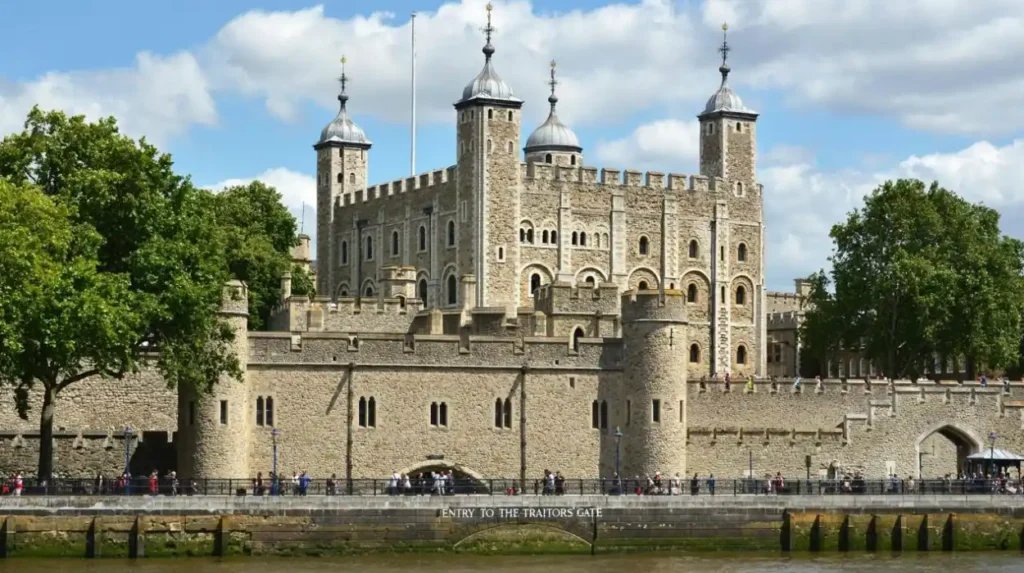
The Tower of London is one of the borough’s most significant historic attractions. The fortress dates from the Norman period and developed through centuries as a royal palace, prison, fortress and royal institution. Visit London recommends allowing at least three hours for a visit.
Tower Bridge stands immediately beside the Tower of London and provides a major Thames landmark. The bridge connects the Tower Hamlets riverside with Southwark and forms part of the visual identity of the area.
The Museum of London Docklands provides a more focused introduction to the history of London’s port and docklands. It is particularly relevant for understanding how trade, shipping, warehouses and migration shaped the borough.
Markets provide another important attraction category. Tower Hamlets Council highlights Petticoat Lane and Columbia Road Flower Market among the borough’s visitor destinations.
Victoria Park provides a completely different setting. It is the borough’s largest historic public park and covers more than 80 hectares. The council states that it receives over nine million visitors each year.
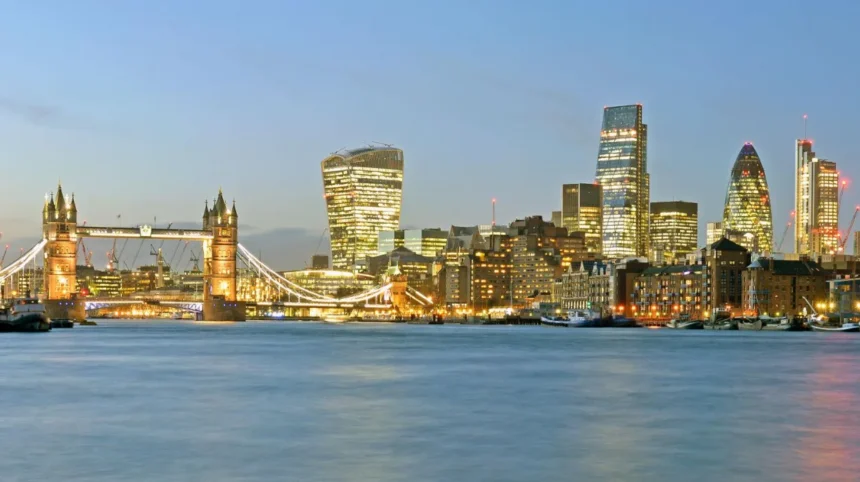
Canary Wharf completes the contrast between historic and contemporary Tower Hamlets. Its high-rise skyline, public spaces, shopping areas, restaurants and transport connections show how former dockland areas have been redeveloped into an international business district.
What can visitors do in Tower Hamlets besides visiting major attractions?
Visitors can spend time walking along the Thames, exploring markets, viewing historic architecture, using parks, following canal routes, visiting museums, eating across different neighbourhoods and exploring contemporary Canary Wharf. These activities provide alternatives to conventional landmark sightseeing.
Walking is one of the simplest ways to understand Tower Hamlets. The borough council specifically recommends walking as a way to discover areas including the Tower of London, Brick Lane and the riverside.
A riverside walk around Wapping introduces former dock infrastructure and Thames-facing architecture. The route can be combined with the Tower of London and Tower Bridge for a concentrated historic itinerary.
Market exploration works particularly well around Spitalfields, Brick Lane and nearby streets. Visitors can combine independent retail with food stops and architectural sightseeing.
Parks provide another layer of the borough. Tower Hamlets has more than 120 parks and green spaces, ranging from large public parks to smaller gardens and squares. Fourteen parks currently hold Green Flag Awards, according to the council.
Victoria Park is particularly substantial. Its facilities include sports areas, playgrounds, picnic areas, a bandstand, historic features, refreshments and public toilets.
Mile End Park offers another large green corridor with recreational and environmental facilities. It connects with wider walking and cycling routes and provides a useful break between neighbourhood visits.
Where should first-time visitors eat in Tower Hamlets?
First-time visitors should explore food by neighbourhood rather than searching for one central dining area. Brick Lane and Whitechapel provide strong choices for South Asian food, Spitalfields offers varied restaurants and markets, while Canary Wharf provides extensive modern dining.
Tower Hamlets has developed a food culture strongly connected with migration and commercial history. Brick Lane is particularly associated with Bangladeshi cuisine and remains one of East London’s recognised food destinations.
Whitechapel provides another concentration of restaurants, cafés, bakeries and food shops. Its location between the City and East End makes it convenient for visitors combining sightseeing with meals.
Spitalfields provides a broader commercial mix. Visitors can move between historic market spaces, independent businesses, cafés and restaurants without needing to travel far.
Canary Wharf provides a different dining environment. Its current visitor guide lists restaurants covering cuisines including Japanese, Italian, Indian, Thai, Argentine and Mediterranean food, alongside casual chains and food-hall options.
For a first visit, meal planning works best when connected to the day’s walking route. A visitor exploring the Tower of London can continue towards Wapping or Whitechapel. Someone visiting Victoria Park can explore Bethnal Green, Bow or Mile End afterwards.
Food also provides a practical way to understand the borough’s multicultural development. Restaurants and food shops form part of the everyday commercial landscape rather than existing separately from it.
Which markets should first-time visitors explore in Tower Hamlets?
Tower Hamlets has several established markets that offer different visitor experiences, including Brick Lane for food and culture, Spitalfields for retail and dining, Petticoat Lane for traditional market shopping and Columbia Road for its famous flower market.
Brick Lane is one of the best-known market streets in East London. Its surrounding area contains food businesses, independent shops, vintage retailers, street art and cultural venues.
Old Spitalfields Market provides a more structured market environment within a historic building. Historic England identifies the existing market building as dating from the late nineteenth century.
Petticoat Lane is associated with the historic East End market tradition and remains part of the borough’s recognised visitor offer.
Columbia Road is particularly associated with flowers and Sunday market activity. Its location near Bethnal Green and Shoreditch makes it practical to combine with other East London attractions.
Market opening patterns differ by location and day. First-time visitors should check the individual market’s current operating information before travelling.
The markets also demonstrate the relationship between commerce and migration in Tower Hamlets. Their present-day products and businesses sit within streets shaped by centuries of trade and population movement.

Which parks are worth visiting in Tower Hamlets?
Victoria Park is the borough’s largest historic park, while Mile End Park provides a connected green corridor and Mudchute Park and Farm offers open space on the Isle of Dogs. These sites provide walking, recreation, nature and quieter alternatives to urban sightseeing.
Victoria Park was designed in the nineteenth century and is recognised as a Grade II* registered park and garden. Tower Hamlets Council identifies five registered parks and gardens across the borough, including Victoria Park, Boundary Gardens, Island Gardens, Museum Gardens and Novo Cemetery.
Victoria Park contains historic lakes, a bandstand, memorials, sports facilities and extensive landscaped areas. Its size makes it suitable for longer walks rather than a short sightseeing stop.
Mile End Park stretches through a dense part of East London and provides green space, recreational facilities and environmental areas. The council identifies its Ecology Park and Arts Pavilion among its facilities.
Mudchute Park and Farm occupies a large open area on the Isle of Dogs. The council identifies it alongside Tower Hamlets Cemetery Park as a local nature reserve.
These parks are particularly useful for visitors staying several days. They provide a different pace from markets, museums and commercial districts while remaining connected to the borough’s neighbourhoods.
How easy is it to get around Tower Hamlets?
Tower Hamlets has extensive public transport, including Underground, DLR, Elizabeth line, London Overground, rail and bus services. Key transport areas include Whitechapel, Mile End, Stratford-adjacent routes, Canary Wharf, Tower Hill and stations serving the Isle of Dogs.
Transport for London services provide the main visitor network. Tower Hamlets Council identifies buses, Underground trains, London Overground, Docklands Light Railway, rail and other public transport services as part of the borough’s network.
Whitechapel is particularly important because it connects the East End with wider London transport routes. Canary Wharf is another major interchange, with Jubilee line, DLR and Elizabeth line services.
Tower Hill is useful for the Tower of London and riverside sightseeing. The station is served by the District and Circle lines, while Tower Gateway DLR station provides another connection nearby.
Walking is practical within individual neighbourhoods. It is less efficient to walk between distant parts of the borough simply because Tower Hamlets covers a large area and contains major roads, canals, railway infrastructure and waterways.
Contactless payment and Oyster are widely used on London’s public transport. Visitors need to touch correctly when required and follow the payment rules for each mode.
Cycling is another option. Tower Hamlets provides cycle routes and access to Santander Cycles, while the council also provides cycling information and training.
How can first-time visitors plan a one-day Tower Hamlets itinerary?
A practical one-day itinerary starts around the Tower of London, continues through the riverside and Wapping, moves towards Whitechapel and Spitalfields for food and markets, then finishes around Brick Lane, Canary Wharf or another evening destination.
Start in the western part of the borough. The Tower of London provides the strongest historical introduction and connects directly with Tower Bridge and the Thames.
Allow several hours for the Tower itself if it is a priority. The attraction contains multiple historic sections, exhibitions and visitor routes.
Continue towards Wapping for riverside architecture and former dock landscapes. This section provides a clearer understanding of London’s historic port.
Move north towards Whitechapel and Spitalfields around lunchtime. This brings together food, markets, historic buildings and cultural attractions.
Continue into Brick Lane during the afternoon. The street and surrounding neighbourhood provide food, independent retail and street-level cultural activity.
Finish in Canary Wharf for a contrasting modern skyline. The district is well connected by the Jubilee line, DLR and Elizabeth line.
A park-focused itinerary works differently. Start around Victoria Park, continue through Mile End, then move towards Bethnal Green or Bow. This route prioritises open space, local streets and recreation rather than major historic landmarks.
The key planning principle is to group nearby destinations. Tower Hamlets contains several distinct visitor zones, so crossing the borough repeatedly wastes time.
Is Tower Hamlets suitable for visitors who want quieter experiences?
Tower Hamlets offers quieter experiences through its parks, canals, residential streets, historic churchyards, riverside areas and less commercial sections of former docklands. Visitors can avoid the busiest attractions by exploring Limehouse, parts of Wapping, Mile End and selected green spaces.
Limehouse provides a strong alternative to the busiest tourist streets. Its canals, riverside setting and historic built environment connect directly with the borough’s maritime history.
Wapping also provides quieter stretches away from the Tower of London. Former warehouses, dock walls and residential streets create a different environment from central London shopping districts.
Mile End Park provides another option. Its size and linear layout allow visitors to walk away from busy roads while remaining close to major transport connections.
Tower Hamlets Cemetery Park offers a further historic green-space experience. The council recognises it as a local nature reserve and highlights its conservation value.
Quiet exploration does not mean leaving the borough’s main cultural themes behind. The less commercial streets often contain the historic buildings, waterways and public spaces that explain how East London developed.
Where can digital nomads and business travellers spend downtime in Tower Hamlets?
Digital nomads and business travellers have access to cafés, libraries, public spaces, restaurants, shopping areas and major commercial districts across Tower Hamlets. Canary Wharf provides extensive business infrastructure, while Whitechapel, Spitalfields and Bethnal Green offer different work-and-break environments.
Canary Wharf is the clearest business-oriented area. The district combines offices, retail, restaurants, public spaces and transport infrastructure. Its current visitor information also states that free Wi-Fi is available across Canary Wharf.
Whitechapel provides another practical base because it combines transport connections with cafés, restaurants, shops, educational institutions and cultural destinations.
Tower Hamlets also has Idea Stores and libraries. The council states that its eight Idea Stores and libraries receive two million visits each year.
For short business trips, neighbourhood selection should follow the location of meetings. Canary Wharf works efficiently for financial and corporate appointments. Whitechapel and Aldgate provide easier access to the City Fringe, while Spitalfields and Brick Lane provide food and leisure options after work.
Visitors should distinguish between formal coworking spaces and cafés. Work policies, Wi-Fi availability, power sockets and seating conditions differ between individual businesses.
What should first-time visitors know about Tower Hamlets’ modern identity?
Modern Tower Hamlets is shaped by financial services, creative industries, universities, cultural organisations, residential development, transport investment and international communities. Canary Wharf represents the commercial transformation, while Whitechapel, Spitalfields and the East End retain strong cultural and historic identities.
Canary Wharf has developed into one of London’s major business districts. The borough describes it as an internationally recognised financial centre and highlights its large concentration of offices, shops, cafés, restaurants and cultural events.
Whitechapel has become an important education, healthcare and innovation area. The borough is home to Queen Mary University of London and major medical institutions, alongside cultural organisations and businesses.
The modern identity also reflects continued population change. Tower Hamlets Council’s borough profile documents demographic, economic and social change across the borough.
This combination makes Tower Hamlets relevant beyond traditional sightseeing. Visitors encounter a functioning residential and business borough rather than an area designed exclusively around tourism.
The contrast between historic East End streets and high-rise Canary Wharf is therefore central to understanding the area. The two environments belong to the same borough but represent different stages of London’s economic and urban development.
Explore More Area Guide
Tower Hamlets on Foot: East London Walking Guide
What to See in Tower Hamlets Before Leaving East London
How should first-time visitors spend two or more days in Tower Hamlets?
A two-day visit allows travellers to separate historic attractions from neighbourhood exploration. Day one can focus on the Tower, riverside and Spitalfields, while day two can cover Victoria Park, Bethnal Green, Brick Lane, Limehouse, Canary Wharf and the Isle of Dogs.
The first day should prioritise the western side of Tower Hamlets. Begin with the Tower of London, then explore Tower Bridge and the Thames. Continue towards Wapping before moving north towards Whitechapel and Spitalfields.
The second day can start with Victoria Park and Mile End. These areas provide open space and a different perspective on everyday East London.
Continue towards Bethnal Green and Brick Lane for food, markets and independent businesses. If time permits, finish in Canary Wharf.
A third day provides enough time for more specialised interests. History-focused visitors can investigate former docklands and heritage buildings. Food-focused visitors can spend longer around Brick Lane, Whitechapel and Spitalfields. Visitors seeking outdoor activities can explore Victoria Park, Mile End Park, Limehouse and riverside routes.
The borough’s size means two or three days produce a more complete understanding than attempting to cover every destination in one continuous itinerary.
Why is Tower Hamlets worth understanding as a whole?
Tower Hamlets brings together royal history, East End neighbourhoods, docklands, migration, markets, parks, cultural institutions, riverside landscapes and global business districts. Understanding these connections helps first-time visitors plan efficient routes and experience the borough beyond its most famous landmarks.
A first-time visit is easier when Tower Hamlets is understood as a collection of connected areas rather than one tourist district.
The western section around the Tower of London provides major historic landmarks. Whitechapel and Spitalfields explain much of the East End’s cultural and commercial development. Brick Lane demonstrates the continuing influence of migration and food culture.
Wapping and Limehouse reveal the borough’s maritime history. Victoria Park and Mile End demonstrate the importance of public green space. Canary Wharf shows the scale of modern financial and commercial redevelopment.
Historic England’s heritage research demonstrates the depth of this development, from Roman and medieval evidence through industrialisation, dock construction, migration and twentieth-century urban change.
The result is a borough where historical infrastructure and contemporary London exist within the same geographic area.
For first-time visitors, the most effective strategy is simple: choose a neighbourhood cluster, use public transport for longer connections, walk between nearby destinations, and combine major landmarks with markets, parks, food streets and historic areas. This approach reveals the full structure of Tower Hamlets rather than only its most recognisable attractions.
What is Tower Hamlets known for?
Tower Hamlets is known for the Tower of London, Tower Bridge, Brick Lane, Spitalfields, Canary Wharf, Victoria Park, historic docklands, diverse food culture and East London heritage.