Tower Hamlets is one of the most historically significant boroughs in East London. Located immediately east of the City of London, the borough combines centuries of maritime history, industrial development, migration, trade and cultural change. Visitors exploring Tower Hamlets discover historic docks, museums, religious landmarks, traditional markets and modern cultural institutions that explain how London developed into a global city.
- What Makes Tower Hamlets an Important Place to Learn About London’s History?
- Where Can Visitors Learn About Maritime History at the Museum of London Docklands?
- Why Is the Tower of London Essential for Understanding Tower Hamlets?
- Where Can Visitors Explore East London’s Migration History in Spitalfields?
- What Can Visitors Learn About Bangladeshi Heritage on Brick Lane?
- Where Can Visitors Learn About Social History at the Ragged School Museum?
- Why Is the Whitechapel Area Important for Understanding East London?
- What Can Visitors Learn From Whitechapel’s Institutions?
- How Can Visitors Explore Whitechapel Respectfully?
- Where Can Visitors Understand the History of Canary Wharf and the Isle of Dogs?
- Which Religious and Architectural Landmarks Explain Tower Hamlets’ Cultural Diversity?
- Where Can Visitors Discover Art, Culture and Contemporary History in East London?
- How Can Visitors Plan an Educational Day Trip Around Tower Hamlets?
- When Is the Best Time to Visit Tower Hamlets’ Museums and Heritage Sites?
- Why Is Learning About Tower Hamlets Relevant to Understanding Modern London?
- What Can Residents and Business Travellers Learn?
- How Does Tower Hamlets Preserve Its Heritage for Future Generations?
- Conclusion: Which Places Best Explain Tower Hamlets to First-Time Visitors?
The borough includes well-known destinations such as the Museum of London Docklands, the historic streets of Spitalfields, Brick Lane, the Whitechapel area and the Isle of Dogs. Each location reveals a different part of East London’s development, from the expansion of international trade to the growth of immigrant communities and the transformation of former industrial districts.
For tourists, Tower Hamlets offers educational experiences beyond conventional sightseeing. Museums explain London’s trading networks, historic buildings preserve architectural evidence, and local markets demonstrate the continuing influence of international migration. These destinations also help residents, students and business travellers understand the relationship between London’s past and its modern identity.
What Makes Tower Hamlets an Important Place to Learn About London’s History?
Tower Hamlets is an important historical borough because its location beside the River Thames connected London with international trade, maritime industries and migration. Its historic docks, museums, religious buildings and markets preserve evidence of the economic and cultural changes that shaped East London.
Tower Hamlets developed alongside the expansion of London as a trading centre. The River Thames provided a transport route for goods, people and industries, while the settlements east of the City of London supported the capital’s growing commercial activities.
The borough’s history includes several major periods. Medieval communities developed around the Tower of London and nearby settlements. During the eighteenth and nineteenth centuries, maritime trade expanded, warehouses multiplied and dock employment attracted workers from different parts of Britain and overseas.
Industrialisation transformed the local economy. Shipbuilding, manufacturing, storage and transport became important sources of employment. However, changes in shipping technology and the movement of port activity towards larger facilities farther downstream contributed to the decline of London’s traditional docks during the twentieth century.
Migration also shaped Tower Hamlets. Huguenot refugees, Jewish communities and Bangladeshi migrants contributed to the borough’s religious life, businesses, food culture and neighbourhood identity. Their influence remains visible in Spitalfields, Whitechapel and Brick Lane.
Today, museums, heritage buildings and public spaces help visitors understand these developments. The borough provides a useful introduction to London’s maritime economy, working-class history, architecture and multicultural society.
Where Can Visitors Learn About Maritime History at the Museum of London Docklands?
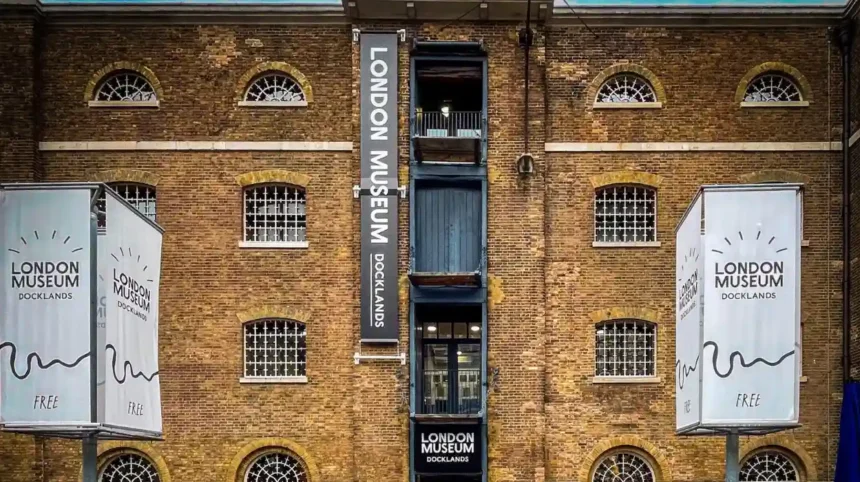
The Museum of London Docklands explains how the River Thames and London’s docks influenced trade, industry, migration and everyday life. Located in a historic warehouse at West India Quay, the museum presents exhibitions about the development of the Port of London and the communities connected to it.
Location: West India Quay, Canary Wharf, East London.
The Museum of London Docklands is one of the most informative places to understand Tower Hamlets. Its location is significant because West India Quay formed part of the historic West India Docks, which opened in 1802 to support the import and storage of goods.
The museum occupies a former warehouse associated with the dock system. Its historic surroundings help visitors connect the exhibits with the commercial landscape that once dominated this part of East London.
The collections explain the relationship between shipping, commerce and urban development. Exhibitions explore imported goods, dock labour, the expansion of international trade and the lives of people who worked around the river.
The museum also examines the difficult aspects of London’s commercial history, including slavery and the connections between colonial trade and British wealth. These subjects provide essential context for understanding the economic systems that influenced London’s development.
What Can You Discover Inside the Museum?
Visitors encounter historical objects, photographs, maps and displays explaining how the docks operated. The museum’s permanent galleries cover London’s relationship with the Thames across different periods, from the city’s early maritime connections to modern redevelopment.
The Sailortown gallery recreates aspects of a nineteenth-century riverside neighbourhood. It helps visitors understand the working environments, commercial streets and social conditions associated with the docks.
Families benefit from accessible displays and educational activities, while students gain historical context for subjects such as geography, economics, migration and British history.
How Should You Plan a Visit?
Check the museum’s official website for opening hours, admission arrangements, current exhibitions and family activities before travelling. The museum is close to Canary Wharf and West India Quay stations, making it convenient to combine with a walk around the former docks.
Allow enough time to explore the galleries without rushing. Visitors interested in maritime history benefit from examining the museum exhibits before walking along the surrounding waterfront.
Why Is the Tower of London Essential for Understanding Tower Hamlets?
The Tower of London is a historic royal fortress beside the River Thames, founded by William the Conqueror in the late eleventh century. Its royal, military and political history explains the development of London’s eastern riverfront and the strategic importance of the area.
Location: Tower Hill, beside the eastern edge of the City of London.
The Tower of London is one of Britain’s most recognisable historic landmarks. Construction began around 1078 under William the Conqueror, following the Norman Conquest of England in 1066. The White Tower became the central structure of a wider defensive complex.
Although the Tower stands within the historic City of London rather than the modern London Borough of Tower Hamlets, its location makes it an important nearby destination for visitors studying the borough’s history.
The fortress protected a strategic position beside the Thames. Over time, it served several functions, including royal residence, armoury, prison and treasury. It also became associated with the Crown Jewels and the Yeoman Warders, the ceremonial guardians of the historic site.
The Tower’s history connects royal power with London’s commercial and political development. Its riverside position illustrates how control of the Thames mattered for defence, administration and trade.
What Can Visitors Learn at the Tower of London?
The historic buildings and exhibitions explain the Norman period, medieval royal government, military architecture and the changing uses of the fortress.
Visitors can explore the White Tower, learn about royal armour and discover the history of prisoners held within the complex. The Crown Jewels exhibition provides insight into royal ceremonial traditions and the continuing role of monarchy in British public life.
The site also introduces visitors to the relationship between historic monuments and modern heritage conservation. Its designation as part of the Tower of London UNESCO World Heritage Site reflects its international historical significance.
A visit works particularly well alongside the Museum of London Docklands. The Tower explains the strategic importance of the riverfront, while the docklands museum examines the commercial and industrial systems that developed farther east.
Where Can Visitors Explore East London’s Migration History in Spitalfields?
Spitalfields provides an important introduction to East London’s migration history through its historic streets, former Huguenot residences, market traditions and changing communities. Its buildings and local businesses reveal how successive generations of migrants influenced the area’s architecture, employment, food and cultural identity.
Location: Spitalfields, near Liverpool Street and Aldgate East.
Spitalfields developed as a distinctive neighbourhood east of the City of London. Its history reflects the movement of people seeking work, religious freedom and commercial opportunities.
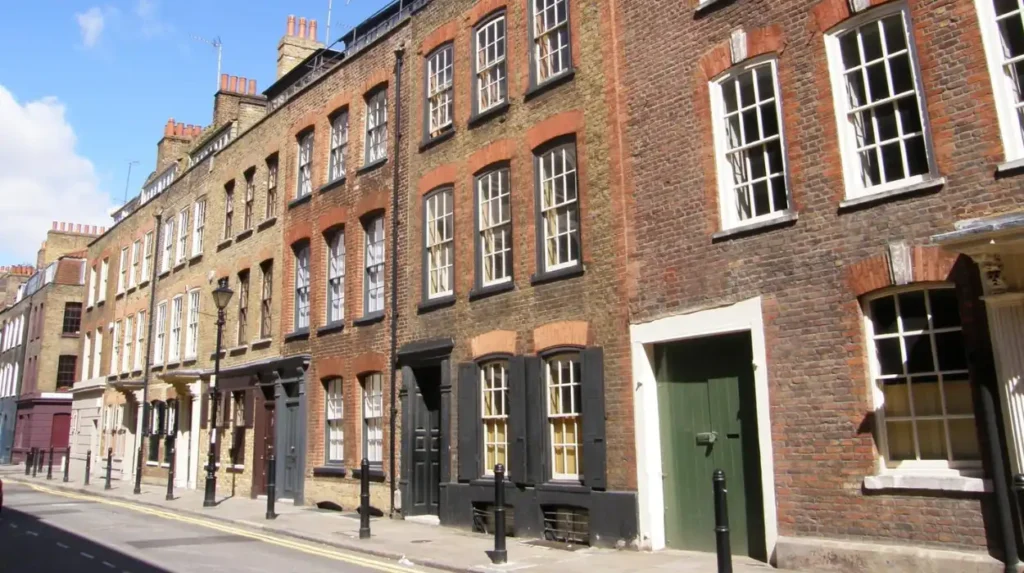
During the late seventeenth and early eighteenth centuries, French Protestant refugees known as Huguenots settled in the area. Many worked in silk weaving and related textile trades. Their presence influenced local architecture, housing and manufacturing.
Later, Jewish communities established businesses and religious institutions in East London. During the twentieth century, Bangladeshi migration became particularly important to the development of Spitalfields and neighbouring Whitechapel.
These communities contributed to local commerce, food culture, religious life and the social character of the borough. Their influence remains visible in street names, historic buildings, places of worship and independent businesses.
What Historic Features Should Visitors Look For?
Visitors walking through Spitalfields can observe Georgian buildings, former commercial premises and streets associated with textile production and market activity.
The area around Fournier Street contains historic houses associated with the neighbourhood’s eighteenth-century development. These buildings provide architectural evidence of the wealth generated by textile businesses and the changing residential character of the district.
Spitalfields Market also illustrates the continuing relationship between trade and urban life. Its history reflects the area’s longstanding role as a centre for selling goods and supporting local businesses.
As you explore the modern neighbourhood, you are crossing land shaped by generations of migration and commerce. Discover the full [History of Spitalfields and Its Migrant Communities] to understand the origins of its distinctive cultural identity.
How Can Visitors Study Spitalfields Independently?
A walking route through Spitalfields connects architecture, markets, religious history and contemporary businesses. Visitors can begin near Liverpool Street Station, explore the historic streets and continue towards Brick Lane.
Look for publicly accessible historic buildings and interpretive information. Respect private residences and places of worship, particularly during religious services.
This self-guided approach allows visitors to examine how a neighbourhood retains traces of earlier communities while adapting to new economic and cultural conditions.
What Can Visitors Learn About Bangladeshi Heritage on Brick Lane?
Brick Lane is one of East London’s best-known streets for understanding Bangladeshi heritage, migration and food culture. Its restaurants, independent businesses, historic buildings and nearby religious landmarks demonstrate how migrant communities transformed a former industrial neighbourhood into a distinctive multicultural destination.
Location: Brick Lane, between Shoreditch and Whitechapel.
Brick Lane provides a direct connection between Tower Hamlets’ migration history and its contemporary identity. The street has experienced significant changes as different communities settled in East London and established businesses.
In earlier periods, Brick Lane and its surroundings became associated with textile manufacturing and Jewish migration. During the twentieth century, Bangladeshi residents established restaurants, shops and community organisations that reshaped the neighbourhood.
Bangladeshi migration, particularly from the Sylhet region, influenced the area’s food industry, religious institutions and cultural life. Brick Lane became widely associated with curry houses and South Asian cuisine, attracting visitors from across London and beyond.
The street’s history also illustrates how migration supports economic activity. Family-run restaurants, food businesses and independent retailers provide employment while maintaining links to cultural traditions.
Which Cultural Landmarks Are Worth Exploring?
Visitors can examine the exterior of historic buildings and observe how different communities adapted existing structures to meet their needs.
The Brick Lane Jamme Masjid is a particularly notable landmark. The building has served different religious communities over time, reflecting the neighbourhood’s changing population. Its history includes use as a Huguenot chapel, a Methodist chapel, a synagogue and, subsequently, a mosque.
This architectural continuity demonstrates how buildings acquire new meanings as communities change.
Brick Lane’s street art, markets and independent shops also contribute to its contemporary identity. These features are part of a changing urban environment rather than a complete record of the neighbourhood’s history, so visitors benefit from considering them alongside museums and historical sources.
What Is the Best Way to Experience Brick Lane?
Walk along the street during the daytime to explore its shops, food businesses and surrounding streets. Check local market schedules before travelling because opening arrangements vary by venue and day.
Food provides another route into the area’s history. Traditional South Asian dishes and contemporary interpretations reflect the relationship between migration, entrepreneurship and changing consumer tastes.
Visitors should treat the neighbourhood as a living community rather than simply a tourist attraction. Respect residents, avoid obstructing shop entrances and follow photography restrictions where displayed.
Where Can Visitors Learn About Social History at the Ragged School Museum?
The Ragged School Museum explains the lives of poor children in Victorian East London through the history of free education and social reform. Housed in historic school buildings beside the Regent’s Canal, it demonstrates how charitable institutions responded to poverty and limited access to schooling.
Location: Copperfield Road, Mile End, East London.
The Ragged School Museum offers a different perspective on Tower Hamlets by focusing on education, poverty and childhood.
In nineteenth-century Britain, many working-class children experienced barriers to formal education. Families faced financial pressures, overcrowded housing and insecure employment. Some children worked rather than attending school regularly.
Ragged schools provided free education, often alongside food, clothing and other forms of support. The movement was associated with social reformers who sought to improve opportunities for disadvantaged children.
The museum occupies former school buildings connected with the work of Thomas Barnardo, a philanthropist who established educational and welfare institutions for children in East London. The school opened in the nineteenth century to serve children living in poor local conditions.
What Does the Museum Reveal About Victorian Childhood?
The museum’s reconstructed classroom provides insight into nineteenth-century teaching practices. Visitors learn about school discipline, educational materials and the daily conditions experienced by working-class pupils.
The displays explain how charitable education developed before the modern system of universal schooling became established. They also provide context for wider debates about child welfare, public responsibility and access to education.
The museum’s historic setting strengthens the educational experience. Its buildings stand near the Regent’s Canal, which formed part of East London’s transport and industrial infrastructure.
Who Benefits Most From Visiting?
The museum is useful for families, school groups, history students and visitors interested in social policy. It connects local history with broader questions about inequality, public education and children’s rights.
Check the museum’s official website for opening days, school sessions and special events. Access arrangements and activities vary, so advance planning is important.
Why Is the Whitechapel Area Important for Understanding East London?
Whitechapel is an important East London neighbourhood for studying migration, healthcare, working-class history and religious diversity. Its historic streets, market activity and cultural institutions reveal how changing populations shaped local services, employment and community life over several centuries.
Location: Whitechapel, east of Aldgate and west of Stepney.
Whitechapel developed as a densely populated urban district outside the historic City of London. Its location attracted workers, traders and migrants who relied on employment in manufacturing, transport and commercial services.
During the nineteenth century, the area became associated with overcrowded housing, poverty and public health challenges. Industrial employment attracted people seeking work, while limited housing supply placed pressure on local living conditions.
Whitechapel also became an important destination for Jewish migrants escaping persecution and seeking new economic opportunities. Later, Bangladeshi communities established businesses, religious institutions and community networks throughout the wider area.
These developments make Whitechapel useful for understanding the relationship between migration, urban poverty and social change.
What Can Visitors Learn From Whitechapel’s Institutions?
The Royal London Hospital is a major institution in the area’s history. Its development reflects the growth of medical services in a densely populated part of London.
The hospital’s predecessor was established in the eighteenth century, and the institution expanded alongside the changing healthcare needs of East London. Its history provides context for the development of organised medical care in the capital.
Visitors should distinguish between historical sites that welcome tourists and operational facilities that primarily serve patients. Hospital buildings are working healthcare environments, so access to clinical areas is restricted.
Whitechapel also provides access to markets, historic streets and cultural landmarks associated with migrant communities. These places help explain how community networks support employment, religious practice and everyday life.
How Can Visitors Explore Whitechapel Respectfully?
Explore public streets, established visitor attractions and publicly accessible heritage locations. Read historical interpretation and use museum collections to understand the context behind the buildings.
Avoid photographing people without permission, particularly near places of worship, schools and healthcare facilities. Respect religious practices and local residents while exploring the neighbourhood.
A walk linking Whitechapel with Brick Lane and Spitalfields provides a useful introduction to the changing social history of Tower Hamlets.
Where Can Visitors Understand the History of Canary Wharf and the Isle of Dogs?
Canary Wharf and the Isle of Dogs illustrate the transformation of Tower Hamlets from a major dockland economy into an international financial and business district. Their waterfront landscapes connect the history of maritime trade with modern redevelopment, office employment, transport investment and urban planning.
Location: Isle of Dogs, around Canary Wharf and the former West India Docks.
The Isle of Dogs is a peninsula surrounded by bends in the River Thames. Its geography made it suitable for dock development, particularly as London expanded its overseas trade.
The West India Docks opened in 1802 and became an important part of the Port of London’s commercial infrastructure. The docks handled imported commodities and supported warehouses, transport services and employment for generations of East London residents.
During the twentieth century, changes in shipping and cargo handling reduced the competitiveness of London’s traditional inner-city docks. The West India Docks closed in 1980, contributing to major employment losses across the surrounding communities.
The subsequent redevelopment of Canary Wharf transformed the former dockland into a business district. Large office buildings, retail spaces and modern transport connections replaced much of the traditional industrial landscape.
What Can Visitors Observe Today?
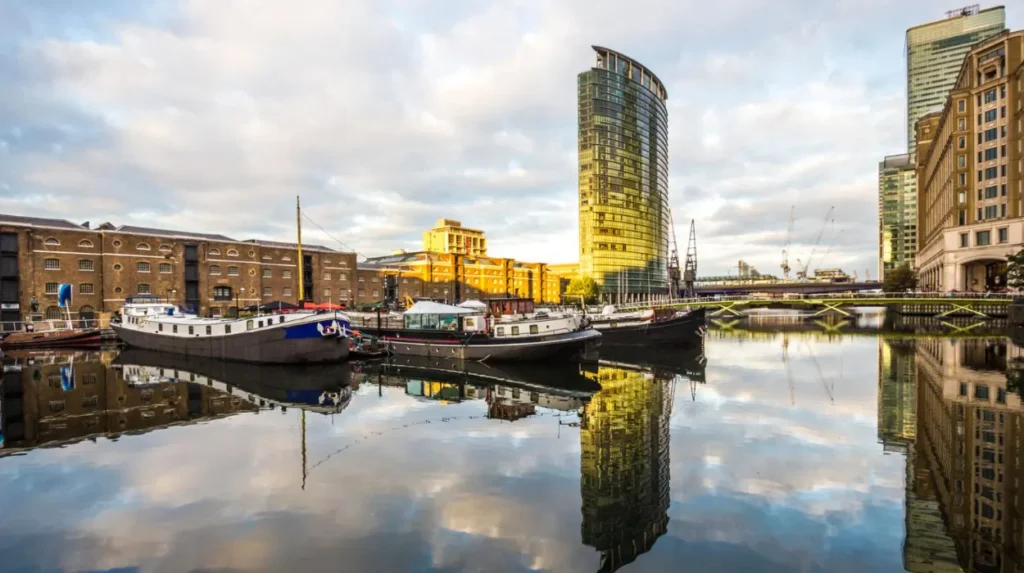
The Canary Wharf area contains public waterfront spaces, surviving dock basins, historic warehouses and modern commercial buildings.
West India Quay is particularly useful for understanding the relationship between the old docks and new development. Historic structures sit alongside contemporary offices and residential buildings, making the contrast between different economic periods visible.
Public art, landscaped squares and riverside walkways also form part of the modern district. Visitors can use these spaces to examine how redevelopment changed the area’s appearance and economic function.
What Does Canary Wharf Teach Visitors About Urban Change?
Canary Wharf demonstrates how changes in technology and global trade reshape cities. Containerisation reduced the need for many traditional dock facilities, while the growth of financial services created demand for new office districts.
The redevelopment also raises questions about employment, housing, transport and access to waterfront land. New business activity created economic opportunities, while the decline of the old docks had significant consequences for established working-class communities.
Walking between Canary Wharf and West India Quay provides a clear way to compare the docklands’ industrial past with its modern commercial identity.
Which Religious and Architectural Landmarks Explain Tower Hamlets’ Cultural Diversity?
Tower Hamlets’ religious and architectural landmarks reveal how migration and changing communities influenced the borough’s built environment. Historic churches, mosques, former synagogues and other religious buildings preserve evidence of different traditions and show how existing spaces adapted to new populations.
Tower Hamlets contains a range of religious buildings associated with different periods of London’s history. Their architecture provides evidence of changing demographics, religious practices and community organisation.
In Spitalfields, historic buildings reflect the settlement of French Protestant refugees and the development of textile businesses. In Whitechapel and Brick Lane, buildings associated with Jewish and Bangladeshi communities demonstrate later changes in religious life.
The Brick Lane Jamme Masjid is a particularly clear example of architectural reuse. Its successive religious functions reflect the arrival and settlement of different communities in East London.
How Do Religious Buildings Preserve Local History?
Religious buildings often function as more than places of worship. They support education, community gatherings, charitable activities and cultural traditions.
Their architectural features, inscriptions and records help historians understand how communities organised themselves. Changes to a building’s use also reveal wider shifts in the neighbourhood’s population.
Visitors should distinguish between heritage interpretation and access to active religious spaces. Not every building is open for general sightseeing, and entry during services is governed by the community responsible for the site.
What Should Visitors Consider Before Entering?
Check visitor information before planning a visit to a religious building. Follow any dress requirements, remove footwear where requested and ask permission before taking photographs.
A respectful visit focuses on learning about the building’s history and continuing role in the community. This approach helps visitors understand cultural diversity without treating religious institutions as static historical exhibits.
Where Can Visitors Discover Art, Culture and Contemporary History in East London?
Tower Hamlets’ contemporary cultural spaces help visitors understand how art, public events and creative industries influence East London’s identity. Galleries, independent venues, markets and public artworks connect the borough’s industrial history with current debates about regeneration, community expression and urban change.
The cultural landscape of Tower Hamlets extends beyond traditional museums. Independent creative spaces, public art and historic market areas reveal how people continue to reinterpret the borough’s identity.
The Whitechapel Gallery is a significant cultural institution near the western edge of Tower Hamlets. Founded in 1901, it has a long history of presenting modern and contemporary art to a broad public.
The gallery’s exhibitions provide opportunities to explore visual culture, social issues and artistic developments. Its location near Whitechapel and Aldgate also makes it a useful stop on a wider historical walking route.
Brick Lane and the surrounding streets offer another perspective. Murals, independent creative businesses and temporary cultural events reflect the area’s changing social environment.
How Does Contemporary Art Connect With Local History?
Art often responds to the conditions in which it is produced. In East London, creative work frequently engages with migration, identity, inequality, public space and redevelopment.
These themes connect contemporary culture with the historical forces that shaped Tower Hamlets. Industrial decline, new investment and demographic change influenced both the physical landscape and the stories communities tell about their neighbourhoods.
Visitors should remember that public artworks and exhibitions change over time. Check current exhibition details and opening arrangements before travelling to a specific venue.
Which Cultural Experiences Suit a Short Visit?
A short cultural itinerary can combine the Whitechapel Gallery, Brick Lane and Spitalfields. This route introduces visitors to contemporary art, migration history, historic architecture and independent businesses without requiring extensive travel between locations.
Visitors with more time can add the Museum of London Docklands to examine the maritime history that helped shape the wider cultural landscape.
How Can Visitors Plan an Educational Day Trip Around Tower Hamlets?
Visitors can explore Tower Hamlets through a planned route that connects museums, historic streets, markets and waterfront landmarks. Grouping nearby destinations reduces travel time and provides a clearer understanding of how maritime trade, migration, education and redevelopment shaped East London.
An educational visit works best when locations are organised by geography and historical theme. Tower Hamlets has strong public transport connections, but the borough’s attractions are spread across several neighbourhoods.
A day focused on maritime history should begin at the Museum of London Docklands. Continue through West India Quay and Canary Wharf to compare the historic dock environment with the modern business district.
Visitors interested in migration and social history should focus on Spitalfields, Brick Lane and Whitechapel. This route connects historic housing, religious landmarks, markets and contemporary businesses.
What Is a Practical One-Day Itinerary?
Morning: Begin at the Museum of London Docklands. Explore the exhibitions about maritime trade, dock labour and London’s relationship with the Thames. Walk around West India Quay to observe the surviving historic warehouse environment.
Late morning: Travel towards Spitalfields and explore its historic streets. Examine the architecture associated with textile production and migration, then continue towards Brick Lane.
Afternoon: Explore Brick Lane’s cultural landmarks and food businesses before walking towards Whitechapel. If time allows, visit the Whitechapel Gallery to connect local history with contemporary art.
Alternative route: Visitors primarily interested in royal and medieval history can begin at the Tower of London before travelling east towards the docklands.
How Can Visitors Make the Most of Limited Time?
Prioritise one main museum and one surrounding neighbourhood rather than attempting to visit every attraction. Museum opening hours, exhibition schedules and access arrangements determine how much can be covered in a single day.
Use public transport for longer journeys and walk between nearby destinations. Check Transport for London’s official journey planner for current routes, service changes and accessibility information.
Visitors with mobility requirements should confirm step-free access, lift availability and accessible facilities directly with each venue before travelling.
When Is the Best Time to Visit Tower Hamlets’ Museums and Heritage Sites?
The best time to explore Tower Hamlets depends on the attractions, weather and visitor priorities. Museums provide structured indoor experiences throughout their published opening periods, while historic streets, markets and waterfront walks are easier to combine during daylight hours.
Spring and summer generally provide longer daylight hours for walking between neighbourhoods and exploring public spaces. Autumn and winter remain suitable for museum visits, galleries and historic buildings with indoor exhibitions.
Weather affects the comfort of walking routes, particularly around the Thames and former docklands. Check the forecast before planning an extended outdoor itinerary.
Markets and cultural venues operate on different schedules. Brick Lane’s market activity varies by day and location, while museums often have specific weekly opening days and seasonal arrangements.
Should Visitors Book Museum Tickets in Advance?
Check each museum’s official visitor information before travelling. Some institutions provide free general admission, while special exhibitions, guided tours and particular events require advance booking or separate tickets.
Advance planning is especially useful for school holidays, weekends and organised group visits. Visitors should confirm opening times, accessibility, photography rules and temporary closures rather than relying on outdated third-party listings.
How Can Visitors Keep Their Trip Accessible?
Choose destinations with convenient Underground, Elizabeth line, Docklands Light Railway or bus connections, depending on the route. Walking distances between stations and attractions vary, so check the full journey rather than only the station location.
Visitors requiring step-free access should verify station and venue facilities before departure. Historic buildings sometimes have architectural constraints that affect access to particular rooms or upper floors.
Explore More Area Guide
Exploring Tower Hamlets’ Creative Side: Art, Culture and Hidden Gems
Tower Hamlets Public Spaces: Parks, Markets & Riverside Walks
Why Is Learning About Tower Hamlets Relevant to Understanding Modern London?
Tower Hamlets helps visitors understand modern London because its history connects international trade, migration, industrial change, social reform and financial redevelopment. Its museums and neighbourhoods demonstrate how economic decisions and population movements continue to shape employment, architecture and cultural identity.
Tower Hamlets offers a concentrated view of major changes in London’s development. Its history explains how the Thames supported trade, how dock employment influenced working-class communities and how migration transformed local businesses and cultural traditions.
The borough also illustrates the consequences of economic restructuring. The decline of traditional docks created significant challenges for local workers, while redevelopment introduced new employment opportunities and transformed the waterfront.
These changes remain relevant to discussions about housing, transport, urban planning and economic inequality. Understanding the historical context helps visitors recognise that modern London is the result of successive periods of investment, migration and adaptation.
What Can Residents and Business Travellers Learn?
Residents can use local museums and heritage walks to understand the development of neighbourhoods they encounter in everyday life. Historic streets provide evidence of earlier industries, housing patterns and community institutions.
Business travellers can explore the relationship between the old docks and Canary Wharf to understand how London shifted from maritime commerce towards international financial services.
Digital nomads and remote workers can combine cultural visits with time in established cafés or public spaces, while checking individual venue policies and facilities. Museums and galleries are primarily visitor destinations, so visitors should not assume that all provide work-friendly facilities.
How Does Tower Hamlets Preserve Its Heritage for Future Generations?
Museums, heritage organisations, local authorities and community groups contribute to the preservation and interpretation of Tower Hamlets’ history. Their work includes conserving historic structures, maintaining collections, presenting exhibitions and documenting community experiences.
Heritage preservation also involves balancing historic buildings with housing needs, commercial development and public access. The borough’s former docklands demonstrate how historic infrastructure can be adapted to new uses while retaining evidence of earlier economic activity.
Visitors support heritage awareness by using responsible tourism practices, respecting local communities and learning from reliable historical sources.
Conclusion: Which Places Best Explain Tower Hamlets to First-Time Visitors?
Tower Hamlets offers a broad introduction to East London’s history through its maritime museums, historic neighbourhoods, religious landmarks, social history collections and contemporary cultural institutions.
The Museum of London Docklands provides the clearest introduction to trade and dock employment. Spitalfields, Brick Lane and Whitechapel explain migration and cultural change, while the Ragged School Museum explores Victorian education and poverty. Canary Wharf demonstrates the transformation of the docklands into a modern business district.
The Tower of London provides important additional context for understanding the historic Thames corridor, while the Whitechapel Gallery connects the area’s heritage with contemporary culture.
Together, these destinations reveal how trade, migration, industry and redevelopment shaped Tower Hamlets. Exploring them gives visitors a deeper understanding of East London and the historical forces that continue to influence the capital today.
What are the best places to learn about Tower Hamlets’ history?
The best places include the Museum of London Docklands, the Ragged School Museum, Spitalfields, Brick Lane and Whitechapel. These destinations explain East London’s maritime trade, migration, Victorian education and cultural development.