Tower Hamlets food markets connect visitors with East London’s everyday food culture, independent traders and international cuisines. They offer fresh fruit, vegetables, spices, prepared meals and traditional British snacks, alongside opportunities to explore neighbourhood history, local businesses and established community trading traditions.
- Which Food Markets Should Visitors Explore in Tower Hamlets?
- Whitechapel Market
- Brick Lane Market
- Petticoat Lane weekday street food
- Chrisp Street Market
- Roman Road Market
- Watney Market
- Where Can Visitors Find Authentic International Street Food?
- Which Tower Hamlets Markets Are Best for Fresh Produce and Cooking Ingredients?
- How Has Tower Hamlets’ Market History Shaped Its Food Culture?
- When Are Tower Hamlets Food Markets Open?
- How Can Visitors Plan a Food Market Route Through Tower Hamlets?
- What is a practical Sunday food itinerary?
- What is a practical weekday itinerary?
- How should visitors travel?
- How Can Visitors Make the Most of Tower Hamlets Food Markets?
- How should visitors choose food stalls?
- How can visitors support local traders?
- How can market visits suit different budgets?
- What Makes Tower Hamlets Food Markets Relevant to East London’s Future?
Tower Hamlets is a London borough on the eastern side of the capital, covering neighbourhoods including Whitechapel, Bethnal Green, Poplar, Bow and parts of the Isle of Dogs. Its street markets serve residents, commuters, workers and visitors throughout the week.
The borough’s market network includes ten recognised street markets, according to Tower Hamlets Council. These include Whitechapel Market, Brick Lane Market, Chrisp Street Market, Roman Road Market and Watney Market. Each has its own trading pattern and local character.
Food markets provide more than places to purchase meals. Fresh-produce stalls supply ingredients for household cooking, while hot-food traders offer convenient lunches and regional dishes. Markets also give small businesses a physical location to meet customers and build regular trade.
For visitors, the main advantage is variety. A single trip through East London introduces different shopping traditions, culinary influences and local high streets. Choosing a market according to its opening day and food offer helps make the visit more productive.
Which Food Markets Should Visitors Explore in Tower Hamlets?
Visitors can explore Whitechapel Market for fresh produce, Brick Lane for international street food, Petticoat Lane for weekday food stalls, and Chrisp Street, Roman Road and Watney Market for everyday neighbourhood shopping and local eating experiences across East London.
Tower Hamlets has markets suited to different visitor interests. Some concentrate on everyday groceries, while others attract visitors for street food, specialist shopping and a combination of food and cultural activities.
Whitechapel Market
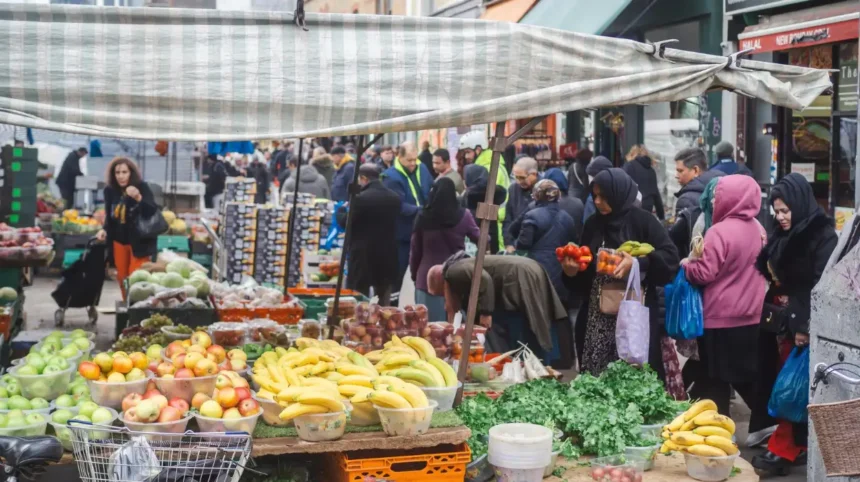
Whitechapel Market runs along Whitechapel Road and is one of the borough’s established shopping destinations. Its stalls sell fresh fruit, vegetables, spices, clothing, cultural garments and jewellery. The council lists its usual trading hours as Monday to Saturday, 8am to 6pm.
The market suits visitors interested in ingredients used in South Asian cooking. Produce stalls provide an opportunity to examine unfamiliar vegetables and spices alongside familiar household staples. Its location also makes it practical to combine market browsing with a walk through Whitechapel’s shops and surrounding streets.
Brick Lane Market
Brick Lane is a recognised East London destination for food, vintage shopping, art and independent retail. The council lists its street market on Sundays, from 10am to 3pm. Nearby indoor and independent market venues have separate opening hours.
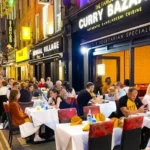
Visitors can explore the wider Brick Lane area for international dishes, casual meals and food businesses reflecting the neighbourhood’s diverse communities. The street’s established association with Bangladeshi culture makes it particularly relevant for people interested in South Asian food traditions.
Petticoat Lane weekday street food
Petticoat Lane’s weekday food area provides an option for visitors who cannot attend a Sunday market. The council lists street-food trading around Wentworth Street, Goulston Street and Bell Lane from Monday to Friday, generally between 8am and 4pm.
Its location near Aldgate and Aldgate East makes it useful for office workers, business travellers and people exploring central East London. Visitors should distinguish the weekday food stalls from the broader Sunday Petticoat Lane market, which is particularly associated with clothing, textiles and other goods.
Chrisp Street Market
Chrisp Street Market sits within Poplar, in a pedestrianised shopping area. It combines fruit and vegetable stalls with cafés, everyday retail and food businesses serving the surrounding community. The council lists regular trading from Monday to Saturday, 8am to 6pm.
This market is suitable for visitors who want to experience a local shopping centre rather than a destination designed mainly around tourism. Its position near the Docklands Light Railway also makes it accessible from other parts of East London.
Roman Road Market
Roman Road Market serves Bow and the surrounding residential neighbourhoods. Its regular market days are Tuesday, Thursday and Saturday, with listed hours of 8am to 6pm. The wider street includes everyday shopping, while a court area on St Stephen’s Road has bread, pastries and hot-food options.
Visitors looking for a neighbourhood atmosphere can combine food shopping with a walk along Roman Road. Saturday is a practical choice for people wanting to explore the market alongside other local businesses.
Watney Market
Watney Market is located on Watney Street between Whitechapel and Shadwell. It offers fresh produce, household goods, clothing and other everyday products. Its regular trading hours are listed as Monday to Saturday, 8.30am to 6pm.
The market is useful for visitors interested in the practical side of East London food shopping. It provides a different experience from the specialist street-food destinations, with an emphasis on local shopping needs and routine purchases.
Where Can Visitors Find Authentic International Street Food?
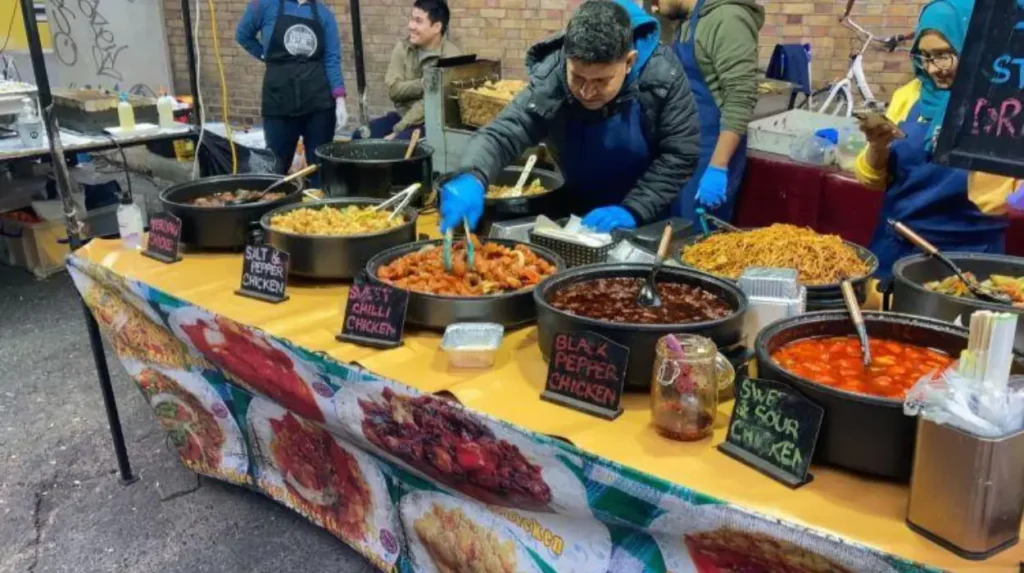
Visitors seeking international street food should explore Brick Lane, Whitechapel and Petticoat Lane’s weekday food area. These locations provide access to East London’s diverse food businesses, with opportunities to discover South Asian flavours, quick lunches, freshly prepared snacks and other casual dining choices.
East London’s food culture reflects successive waves of migration, established communities and independent businesses. In Tower Hamlets, these influences are visible in grocery shops, restaurants, cafés and market stalls.
Brick Lane is particularly associated with Bangladeshi heritage and South Asian dining. Visitors exploring the wider neighbourhood encounter curry restaurants, cafés and food vendors, alongside businesses serving other international cuisines. The actual selection varies by venue and trading day.
Whitechapel offers another setting for exploring South Asian food culture. Its market stalls and surrounding food businesses serve local shoppers, including people seeking spices, vegetables and ingredients for home cooking. The market’s everyday character makes it a useful place to observe how food retail supports neighbourhood life.
Petticoat Lane’s weekday food area is convenient for a quick meal during a working day. Its street-food traders serve people moving between offices, shops and transport connections. Visitors should check individual stalls for menus, prices and current trading arrangements.
When choosing a stall, look for clear menu information, visible prices and food that is handled and stored appropriately. Ask about ingredients when necessary, especially for allergies or dietary requirements. Halal, vegetarian and vegan options depend on individual traders, so verify them directly rather than assuming every stall provides them.
A useful way to explore is to order one small dish first, then compare other vendors before buying more. This approach gives visitors a chance to sample different flavours without committing to a large meal at the first stop.
Which Tower Hamlets Markets Are Best for Fresh Produce and Cooking Ingredients?
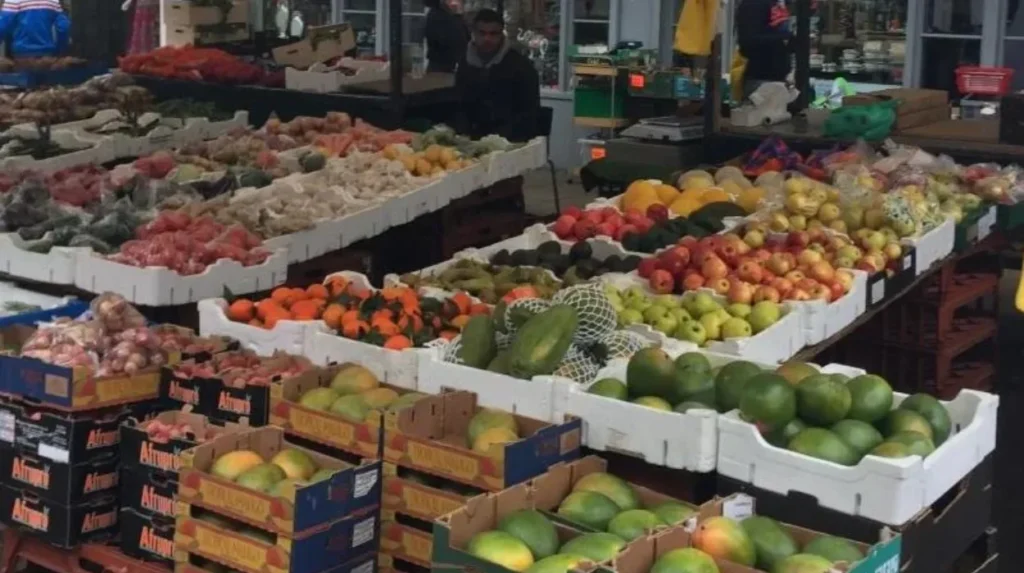
Whitechapel Market, Chrisp Street Market, Roman Road Market, Watney Market and Roman Road Square Market are useful destinations for everyday food shopping. Their traders sell produce and groceries for local households, with selection and availability varying by stall, season and trading day.
Fresh-produce markets are important because they connect local shoppers with ingredients for everyday cooking. Tower Hamlets Council identifies fruit and vegetable stalls at several neighbourhood markets, including Whitechapel, Chrisp Street, Roman Road and Watney Market.
What can shoppers expect to find?
Produce stalls commonly focus on fresh fruit and vegetables, while some markets also include fish sellers, bread vendors and other food retailers. Whitechapel is a useful option for exploring a broad range of produce and spices. Chrisp Street and Watney Market also serve routine household shopping.
Roman Road Square Market, also known as Globe Town Market, is another neighbourhood destination. The council describes fruit and vegetable and fish sellers as an important part of its offer. Its location on Roman Road Square makes it suitable for people exploring Bethnal Green and the surrounding area.
How can visitors shop efficiently?
Arrive earlier in the trading day for a fuller shopping visit, but confirm opening hours before travelling. Compare produce quality, quantities and prices between stalls. Some traders sell by weight, while others offer pre-packed portions.
Visitors staying in self-catering accommodation can use these markets to buy ingredients for breakfast, packed lunches or evening meals. Those staying in hotels can still enjoy the atmosphere, learn about unfamiliar produce and purchase fruit or ready-to-eat items where available.
Seasonal availability changes throughout the year. Ask traders about unfamiliar ingredients and how they are prepared. This makes market shopping useful for people interested in regional cooking as well as those seeking everyday groceries.
How Has Tower Hamlets’ Market History Shaped Its Food Culture?
Tower Hamlets’ markets developed through centuries of trade, migration and neighbourhood growth. Historic trading streets and established communities helped shape today’s food culture, connecting local produce, international ingredients and independent businesses with the everyday needs of East London’s residents and visitors.
Market trading is part of the East End’s long commercial history. Streets around Whitechapel, Spitalfields and Petticoat Lane developed as places where traders and shoppers exchanged goods, supported household economies and established local business networks.
Spitalfields has a particularly long trading history. Tower Hamlets Council’s conservation strategy identifies historic Spitalfields Market as dating from the seventeenth century. The borough’s wider market landscape also includes long-established street markets such as Whitechapel, Roman Road and Petticoat Lane.
Migration also shaped the borough’s commercial and culinary identity. Brick Lane has historic associations with French Huguenot and Jewish communities, followed by its strong association with the Bangladeshi community. These changing communities contributed to the neighbourhood’s cultural character and commercial activity.
The development of markets reflects changes in local employment, transport, housing and shopping habits. Traditional street traders continue to serve residents, while food-focused destinations attract visitors looking for regional dishes and independent businesses.
For a deeper understanding of the places visitors encounter today, explore the [historical development of Tower Hamlets and its East London communities]. This background helps explain how migration, trade and urban change shaped the borough’s markets and food traditions.
Markets continue to serve both practical and cultural purposes. They provide access to groceries, support independent traders and maintain public spaces where different communities meet. Their future relevance depends on retaining local customers while responding to changing visitor interests, retail habits and business conditions.
When Are Tower Hamlets Food Markets Open?
Tower Hamlets markets operate on different days, with several neighbourhood markets open Monday to Saturday and specialist destinations trading on Sundays. Visitors should check the individual market’s published schedule before travelling, particularly when planning food trips around weekends or public holidays.
The borough’s regular market schedules make it possible to plan a food-focused visit during the week or at the weekend. However, not every market operates daily, and food stalls do not necessarily follow the same hours as nearby shops.
Which markets open during the week?
Whitechapel Market, Chrisp Street Market, Watney Market and Bethnal Green Market are listed as operating Monday to Saturday. Roman Road Market generally trades on Tuesday, Thursday and Saturday, while Roman Road Square Market operates Monday to Saturday.
Petticoat Lane’s weekday street-food area is an alternative for lunch from Monday to Friday. It is especially useful for people working nearby or visitors exploring Aldgate and Whitechapel during the day.
Which markets are suitable for Sunday visits?
Brick Lane Market and the wider Petticoat Lane Market are listed as Sunday destinations. Columbia Road Flower Market also operates on Sundays and can complement a food-market itinerary, although its principal focus is flowers and plants rather than food.
Brick Lane’s independent indoor venues have their own schedules. The Brick Lane Market website lists venues including Upmarket and Ely’s Yard Food Trucks, with opening hours that differ from those of the council’s Sunday street market. Individual food-truck hours also vary.
For the most reliable plan, consult the relevant market’s official website before setting out. Weather, special events, temporary closures and individual trader schedules affect the experience. Confirm food-vendor availability separately if a particular dish or stall is central to the visit.
How Can Visitors Plan a Food Market Route Through Tower Hamlets?
Visitors can organise a food-market route by grouping nearby destinations, checking trading days and allowing time for meals and independent shopping. Brick Lane and Petticoat Lane suit central East London walks, while Whitechapel and Watney Market work well for neighbourhood-focused visits.
The best route depends on the day of the week and the type of food experience you want. Choosing markets in the same area reduces unnecessary travel and leaves more time for browsing stalls, eating and exploring local businesses.
What is a practical Sunday food itinerary?
Begin around Brick Lane, where the Sunday street market and nearby independent food venues provide opportunities to browse and eat. Arrive during the morning to explore before the busiest period.
Continue towards Petticoat Lane if its Sunday market is operating. This combines food-related stops with shopping for clothing, textiles and other goods. Allow time for breaks and check walking directions between destinations before setting off.
Columbia Road Flower Market is another option for visitors interested in combining food with a wider East London market outing. It is a separate destination, so include it only if the extra walking time fits your schedule.
What is a practical weekday itinerary?
Start at Whitechapel Market to explore fresh produce, spices and nearby food businesses. Continue towards Watney Market if you want to experience another community shopping area. Alternatively, visit Petticoat Lane’s weekday food stalls for lunch before exploring the surrounding streets.
Visitors travelling to Chrisp Street Market can build a separate trip around Poplar and the Docklands Light Railway. Roman Road and Roman Road Square are more suitable for a visit centred on Bow and Bethnal Green.
How should visitors travel?
London Underground, London Overground and the Docklands Light Railway provide access to different parts of Tower Hamlets. Whitechapel, Aldgate East, Shadwell, Bethnal Green and All Saints are useful transport points, depending on the chosen market. Check the nearest station and current service information before departure.
Wear comfortable shoes, carry a reusable shopping bag and keep enough time for queues. If you plan to buy fresh produce, consider how you will transport it and whether your accommodation has suitable storage.
Explore More Area Guide
Authentic Food Experiences Across Tower Hamlets, East London
Tower Hamlets Historic Markets and Traditional Shopping Streets
How Can Visitors Make the Most of Tower Hamlets Food Markets?
Visitors get more from Tower Hamlets food markets by checking opening times, comparing stalls, asking about unfamiliar ingredients and allowing time to explore surrounding streets. Respectful shopping, sensible food-safety checks and awareness of dietary requirements help create a practical and rewarding market visit.
A successful market visit involves more than choosing a destination. Understanding how stalls operate and how different markets serve their communities helps visitors make informed choices.
How should visitors choose food stalls?
Review displayed menus and prices before ordering. Ask staff about portion sizes, preparation methods and ingredients when information is unclear. For cooked food, look for appropriate handling, clean serving equipment and safe storage practices.
People with food allergies should communicate their requirements clearly and confirm whether the vendor can manage cross-contact risks. A menu description alone does not guarantee that a dish is suitable for a specific allergy.
How can visitors support local traders?
Buying from independent stalls helps sustain the businesses that contribute to local market activity. Visitors can support traders by paying the displayed price, following queues and handling produce carefully.
Ask permission before photographing vendors or their customers. Some traders welcome photographs of products, while others prefer not to be photographed. Respecting these preferences helps maintain a positive relationship between visitors and market communities.
How can market visits suit different budgets?
Street markets offer different purchasing options, from individual snacks and takeaway meals to larger quantities of fruit and vegetables. Prices vary according to the vendor, ingredients, portion size and time of year.
Set a spending limit before browsing if you plan to sample several dishes. Compare prices and portion sizes rather than assuming that every market stall is cheaper than a restaurant. Carry a payment method accepted by the vendor, as payment arrangements vary between businesses.
What Makes Tower Hamlets Food Markets Relevant to East London’s Future?
Tower Hamlets food markets remain relevant because they connect independent traders, everyday food shopping, cultural heritage and visitor spending. Their continued role depends on accessible public spaces, viable small businesses, changing consumer needs and the preservation of the neighbourhood identities that distinguish East London.
Markets form part of the borough’s local economy and public life. Tower Hamlets Council identifies ten street markets within its market network and supports trading opportunities for businesses seeking a physical presence in the borough.
Their contribution extends across several areas. Fresh-produce traders provide ingredients for household cooking. Hot-food vendors serve shoppers and workers. Specialist markets attract visitors who also spend money at nearby cafés, restaurants and independent shops.
Markets also preserve everyday cultural practices. The sale of familiar ingredients helps communities maintain established cooking traditions, while visitors discover regional products and dishes that are less common in their usual shopping areas.
The market experience continues to change as shopping habits, transport links and local development evolve. Digital payments, online promotion and changing visitor expectations influence how traders reach customers. At the same time, the appeal of direct interaction with independent vendors remains central to traditional market shopping.
For visitors, the practical lesson is to explore more than one type of market. Brick Lane offers a different experience from Whitechapel, while Chrisp Street and Watney Market provide insight into the everyday shopping needs of local communities. Each destination reveals a different aspect of East London’s food culture.
Tower Hamlets food markets are therefore not a single attraction but a connected network of trading places. By choosing the right market day, checking current opening times and exploring the surrounding neighbourhood, visitors can experience the borough’s food, history and independent businesses in a single trip.
What are the best food markets in Tower Hamlets?
Whitechapel Market, Brick Lane Market, Chrisp Street Market, Roman Road Market and Watney Market are established destinations. They offer fresh produce, street food, groceries and access to East London’s diverse food culture.