Tower Hamlets is one of East London’s most varied boroughs for leisure travel. It stretches from the historic edge of the City of London to the River Thames and the modern commercial district of Canary Wharf. Its neighbourhoods combine markets, museums, galleries, parks, canals, riverside paths, historic streets, restaurants and contemporary architecture.
- Which Tower Hamlets neighbourhoods are best for leisure travellers?
- Why should you explore Spitalfields and Brick Lane?
- What makes Whitechapel an important neighbourhood for visitors?
- Why is Bethnal Green a good choice for markets, museums and parks?
- What can travellers experience in Wapping?
- Why should Limehouse be included in a Tower Hamlets itinerary?
- What makes Canary Wharf different from other Tower Hamlets neighbourhoods?
- What can visitors discover around Poplar and Chrisp Street?
- Is Stepney worth exploring for history and local East End culture?
- Which Tower Hamlets neighbourhood is best for parks and outdoor leisure?
- How should leisure travellers choose between Tower Hamlets neighbourhoods?
- What makes Tower Hamlets distinctive for leisure travel?
For travellers, the key difference between Tower Hamlets neighbourhoods is the experience each area provides. Spitalfields and Brick Lane focus on heritage, food, markets and independent culture. Whitechapel combines historic East End identity with major transport connections, public art and contemporary regeneration. Bethnal Green provides markets, green space and cultural attractions. Wapping and Limehouse offer riverside heritage and quieter walking environments. Canary Wharf provides modern architecture, public art, restaurants, shopping and business-district amenities.
Tower Hamlets also has substantial environmental and heritage assets. The council identifies 58 conservation areas across the borough, including Brick Lane and Fournier Street, Wapping Pierhead, Narrow Street, Victoria Park, West India Dock and Whitechapel Market. These designations protect areas with special architectural or historic character.
This makes Tower Hamlets particularly suitable for travellers who want to combine several types of sightseeing within one London borough.
Which Tower Hamlets neighbourhoods are best for leisure travellers?
The best Tower Hamlets neighbourhoods for leisure travellers are Spitalfields, Brick Lane, Whitechapel, Bethnal Green, Wapping, Limehouse, Canary Wharf, Poplar and Stepney, because each offers distinct markets, heritage, food, culture, parks, architecture and riverside experiences.
The borough is not a single tourist district. It is a collection of connected neighbourhoods with different identities. A visitor interested in historic streets gets a different experience from someone prioritising shopping, contemporary architecture or riverside walks.
Tower Hamlets Council describes the borough as having a combination of ancient and modern attractions, museums, galleries, markets and historic locations. Its visitor offer includes places around the Tower of London, Brick Lane, Columbia Road, Whitechapel and the Docklands.
The neighbourhoods are also relatively easy to combine during a day of sightseeing. Underground, Elizabeth line, DLR, London Overground, buses and walking routes connect the main districts.
For first-time visitors, Spitalfields and Brick Lane provide the strongest concentration of recognisable East London experiences. Whitechapel works well for history and cultural exploration. Bethnal Green suits travellers who want markets and parks. Wapping and Limehouse suit slower riverside itineraries. Canary Wharf provides a strong contrast through modern architecture and dockside public spaces.
Why should you explore Spitalfields and Brick Lane?
Spitalfields and Brick Lane are among Tower Hamlets’ strongest neighbourhoods for heritage, markets, food, street culture and independent shopping, combining historic streets with contemporary businesses and a long history of French Huguenot, Jewish and Bangladeshi communities.
Brick Lane has existed since at least the 1500s, when it was a field path outside the City of London. Its name relates to brick kilns associated with early Flemish settlers. From the 1680s, French Huguenot refugees brought silk-weaving expertise to Spitalfields, helping establish the area as a major centre of silk production.
Later migration changed the social and commercial character of the district. Jewish communities established businesses and institutions, followed by the large Bangladeshi community that became particularly associated with Brick Lane and surrounding streets.
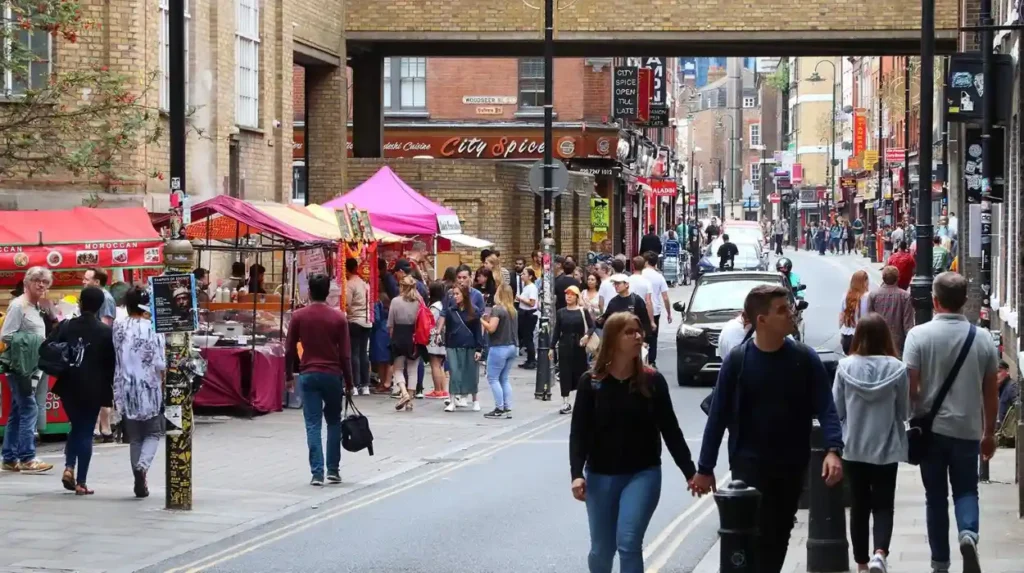
The neighbourhood remains strongly associated with markets. Brick Lane Market operates on Sundays, with fashion, food, art, jewellery and vintage-style goods among its attractions. Tower Hamlets Council records the market’s establishment in 1888.
Old Spitalfields Market adds another dimension. The current market buildings were constructed between 1883 and 1893 on the site of an older market licensed by King Charles II in 1682. The market subsequently became a retail and visitor destination alongside offices, restaurants and public space.
The streets surrounding Brick Lane also contain important architectural landmarks. Christ Church Spitalfields was designed by Nicholas Hawksmoor in 1714 and completed in 1729. Fournier Street retains historic buildings associated with Spitalfields’ weaving heritage.
The council’s cultural trail identifies 20 points of interest around Brick Lane and Spitalfields, including Boundary Estate, Redchurch Street, Brick Lane Market, Sclater Street, Old Truman Brewery, Princelet Street, Brick Lane Jamme Masjid, Christ Church Spitalfields, Old Spitalfields Market, Whitechapel Art Gallery and Altab Ali Park.
As you explore the modern restaurants, shops and markets, you are crossing land with a deep heritage. Read the full to understand its origins.
For leisure travellers, this neighbourhood is particularly effective as a walking district. The streets are compact, and visitors can combine architecture, shopping, food and cultural sites without relying heavily on transport.
What makes Whitechapel an important neighbourhood for visitors?
Whitechapel combines East End history, multicultural food, markets, art, architecture and excellent transport connections, making it one of Tower Hamlets’ most practical neighbourhoods for leisure travellers seeking a concentrated mix of historic and contemporary London experiences.
Whitechapel Road forms the central commercial spine. Whitechapel Market is one of the borough’s most established visitor-facing markets. Tower Hamlets Council states that the market has centuries of history, with records of a hay market dating to 1665. In 2025, Whitechapel Market won the Great British Markets Award for Best Large Outdoor Market.
The market currently operates six days a week and has more than 80 traders selling products that include fresh produce, fish, clothing, household goods and street food.
Whitechapel also has strong cultural significance. Whitechapel Gallery opened between 1898 and 1901 and was founded by Canon Samuel Augustus Barnett and Henrietta Barnett to bring major art to East London. The building was designed by Charles Harrison Townsend and is an important example of Arts and Crafts architecture.
The neighbourhood’s history is strongly connected with migration. Jewish communities established themselves in Whitechapel during the late nineteenth century, while the Bangladeshi community became particularly significant from the 1970s. This layered history remains visible through restaurants, shops, religious buildings, markets and community institutions.
Altab Ali Park provides another cultural reference point. It occupies a site associated with the original Whitechapel chapel and was renamed after Altab Ali, a young clothing worker who was murdered in 1978.
Whitechapel also benefits from major transport investment. Whitechapel station connects the District and Hammersmith & City lines, London Overground and Elizabeth line services. The combination gives visitors convenient access to central London, Canary Wharf and other parts of East London.
The neighbourhood therefore suits travellers who want a base for exploring several areas in one itinerary.
Why is Bethnal Green a good choice for markets, museums and parks?
Bethnal Green is well suited to travellers who want a balance of markets, museums, independent shops, cafés, historic streets and green space, with Victoria Park and Columbia Road providing two particularly strong leisure attractions nearby.
Bethnal Green sits between central East London and the larger green spaces towards Victoria Park. Its location makes it useful for travellers who want to combine urban sightseeing with outdoor activities.
Columbia Road is one of the neighbourhood’s best-known attractions. The Sunday flower market runs from 8am to 2pm according to Tower Hamlets Council. The street also contains independent shops, cafés, pubs, galleries and antique sellers.
Columbia Road is particularly suited to visitors interested in photography, gardening, independent retail and street atmosphere. Its proximity to Brick Lane also makes it possible to combine two major East London markets during one itinerary.
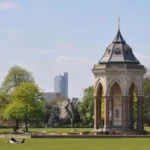
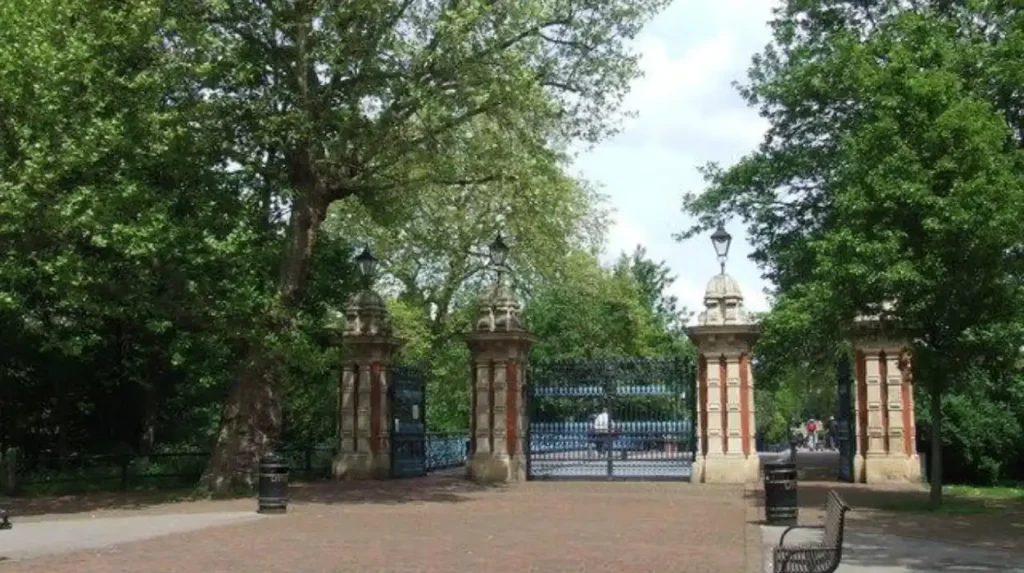
Bethnal Green also provides access to Victoria Park. The park opened in 1845 and is London’s oldest public park. At 86 hectares, it is the largest park in Tower Hamlets and receives more than nine million visits each year.
Victoria Park contains lakes, historic monuments, a bandstand, sports facilities, cafés and large areas of open lawn. The park also forms part of a wider green corridor connecting Limehouse, Regent’s Canal, Mile End Park and the Queen Elizabeth Olympic Park area.
The wider borough has more than 120 parks and green spaces, while 14 parks hold Green Flag Awards according to the council.
For leisure travellers, Bethnal Green therefore works particularly well when an itinerary needs a break from dense urban streets. A visitor can explore Columbia Road in the morning, continue towards Victoria Park and then return towards the central East End for food and evening activities.
What can travellers experience in Wapping?
Wapping provides a quieter riverside experience built around historic warehouses, Georgian terraces, Thames views, old stairs, riverside gardens and surviving dockland architecture, making it one of Tower Hamlets’ strongest neighbourhoods for heritage walks and slower sightseeing.
Wapping has a distinct maritime identity. Wapping High Street was laid out in 1570 and became associated with sailors, taverns and riverside commerce. By 1750, the street had 36 taverns, although only the Town of Ramsgate survives from that historic group.
Wapping Pierhead is particularly important. Its Georgian houses were built between 1811 and 1813 on either side of the entrance to the former London Docks. Dock officials lived in these properties while supervising activity around the docks.
The Thames Path provides the main leisure route through the area. Travellers can follow the river past the Hermitage Riverside Memorial Garden and continue towards Wapping Pierhead.
Wapping Old Stairs is another historic feature. The stairs connect the neighbourhood directly with the river and represent the relationship between Wapping and the working Thames.
The architectural character is protected through conservation designations. Wapping Pierhead and Wapping Wall are among Tower Hamlets’ conservation areas.
Wapping suits travellers who prioritise walking, architecture, photography and riverside history rather than major shopping centres. The area also connects naturally with the Tower of London and St Katharine Docks, allowing visitors to build a longer Thames-side route.
Its strongest attraction is the concentration of historic features within a relatively compact riverside environment.
Why should Limehouse be included in a Tower Hamlets itinerary?
Limehouse is ideal for travellers interested in canals, historic docklands, riverside architecture, Narrow Street, Limehouse Basin and maritime history, while its location provides a quieter transition between central East London and the Canary Wharf area.
Limehouse has a long industrial and maritime history. Tower Hamlets planning documents state that the name derives from lime kilns established in the area during the fourteenth century, which produced quicklime used for building mortar.
The area later became connected with docks, canals, imports and maritime commerce. Limehouse Causeway, Pennyfields and West India Dock Road also formed the centre of London’s original Chinatown during the 1890s.
Narrow Street is one of Limehouse’s most distinctive historic streets. Its riverside position and surviving buildings provide a strong contrast with the modern towers visible further west and south.
Limehouse Basin links the Regent’s Canal with Limehouse Cut and the Thames. The council identifies London’s canals, including Regent’s Canal, Limehouse Cut and Limehouse Basin, as sites of metropolitan importance for nature conservation.
This makes Limehouse particularly valuable for travellers who want an itinerary based on walking rather than indoor attractions. Canal paths provide an alternative perspective on East London’s industrial landscape.
Limehouse is also close to Wapping and Canary Wharf. Travellers can therefore connect historic streets, canals and modern docklands within a single walking or public-transport itinerary.
What makes Canary Wharf different from other Tower Hamlets neighbourhoods?
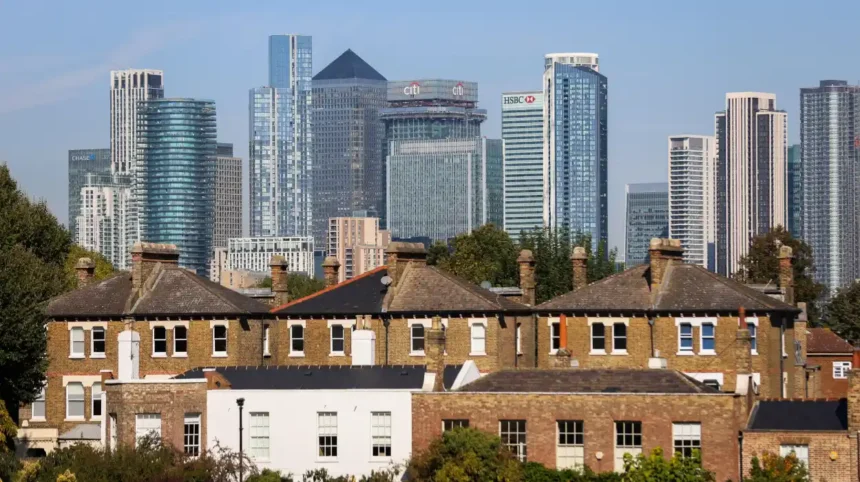
Canary Wharf provides the strongest modern contrast within Tower Hamlets, combining high-rise architecture, dockside public spaces, restaurants, retail, public art and London Museum Docklands with excellent transport connections through the Underground, DLR and Elizabeth line.
Canary Wharf developed from the former West India Docks into one of London’s major financial and business districts. Its built environment is defined by high-rise offices, modern residential buildings, landscaped public spaces and restored dock infrastructure.
For leisure travellers, Canary Wharf is not simply a business district. The area provides restaurants, cafés, shopping, public art and waterside spaces.
London Museum Docklands is particularly important. The museum occupies a historic Grade I-listed warehouse at West India Quay and explores London’s river, port and people. Its permanent galleries cover subjects including the history of the docks, trade, cultural exchange, slavery and wartime experiences.
The museum provides valuable historical context for the surrounding docklands. Travellers can therefore see the modern Canary Wharf skyline while also learning about the commercial infrastructure that shaped East London.
West India Dock is also included among Tower Hamlets’ conservation areas, demonstrating the continuing importance of the historic dock landscape within the modern district.
Canary Wharf works especially well for visitors interested in architecture and photography. The contrast between retained dock water, historic warehouses and contemporary towers creates a clearly defined urban environment.
Its transport connections also make it one of the easiest Tower Hamlets neighbourhoods to add to a wider London itinerary.
What can visitors discover around Poplar and Chrisp Street?
Poplar offers a less conventional visitor experience through historic housing, community architecture, Chrisp Street Market, dockland connections and nearby green spaces, making it useful for travellers seeking everyday East London character beyond the borough’s best-known tourist districts.
Poplar sits east of Canary Wharf and provides a different perspective on the Docklands. The area has long been associated with working-class communities, municipal housing, industry and dock employment.
Chrisp Street Market is one of Tower Hamlets’ established street markets. It forms part of the borough’s network of ten street markets, alongside Brick Lane, Columbia Road, Roman Road Market, Whitechapel Market and others.
The market environment provides a more local shopping experience than the commercial centres associated with Canary Wharf. Travellers can explore everyday retail, food and community activity while observing the architectural character of the surrounding neighbourhood.
Poplar is also close to the River Thames, East India Dock Basin and the wider docklands. The council identifies East India Dock Basin as a site of borough importance for nature conservation.
The neighbourhood therefore works well as part of a broader Docklands itinerary. A visitor can move from Canary Wharf’s modern towers towards Poplar and then continue towards historic docklands landscapes.
For travellers who have already visited Brick Lane and central Whitechapel, Poplar provides a useful change of pace and a stronger focus on local urban history.
Is Stepney worth exploring for history and local East End culture?
Stepney is worth exploring for travellers interested in historic churches, community heritage, local markets, urban regeneration and connections between Whitechapel, Limehouse and the eastern districts of Tower Hamlets.
Stepney occupies an important position between Whitechapel, Limehouse, Mile End and the eastern Docklands. Its location makes it useful for travellers building walking routes across several neighbourhoods.
Stepney Green is one of the area’s most distinctive historic spaces. The council lists Stepney Green among Tower Hamlets’ conservation areas, reflecting its architectural and historical significance.
The neighbourhood also contains St Dunstan’s Church, a historic parish church with roots extending back many centuries. Nearby streets demonstrate the transition between historic East End settlement and later residential development.
Stepney also provides access to local food, community facilities and markets. Watney Market in neighbouring Shadwell adds another important commercial destination, while Whitechapel Market is within walking distance for travellers following an East End heritage route.
Tower Hamlets’ own walking material highlights the connections between Whitechapel and Stepney, including the Royal London Hospital, Whitechapel Market and historic streets leading eastwards.
For visitors, Stepney is most effective when included within a wider walking itinerary rather than treated as an isolated sightseeing district. It connects several historical layers of East London and provides a transition between the major attractions of Whitechapel and the quieter streets around Limehouse and the Docklands.
Which Tower Hamlets neighbourhood is best for parks and outdoor leisure?
Victoria Park and the surrounding Bethnal Green, Bow and Mile End districts provide Tower Hamlets’ strongest concentration of outdoor leisure, with large lawns, lakes, canals, sports facilities, gardens, walking routes and ecological spaces supporting varied visitor activities.
Victoria Park is the main outdoor attraction. Its 86 hectares make it the borough’s largest park, and its more than nine million annual visits demonstrate its importance as a major London recreation space.
Mile End Park provides another important green corridor. It includes the Ecology Park, Arts Pavilion, Mile End Stadium and other recreational facilities.
Tower Hamlets also contains two local nature reserves: Tower Hamlets Cemetery Park and Mudchute Park and Farm.
The borough’s environmental network extends beyond formal parks. The council identifies the River Thames, Bow Creek, Lea Valley, canals, Mudchute, Mile End Park and Tower Hamlets Cemetery Park among its sites of importance for nature conservation.
Travellers interested in outdoor sightseeing therefore have options across different parts of the borough. Victoria Park suits long walks and open-space recreation. Mile End connects green space with canals and urban attractions. Mudchute provides a distinctive combination of open land and farm-based activities near the Isle of Dogs.
This network also supports leisure itineraries that do not depend entirely on museums, restaurants or shopping.
Explore More Area Guide
Tower Hamlets Tourist Guide: Historic Streets & Markets 2026
Tower Hamlets Highlights: Top Places to Explore East London 2026
How should leisure travellers choose between Tower Hamlets neighbourhoods?
Choose Spitalfields and Brick Lane for markets and heritage, Whitechapel for culture and food, Bethnal Green for parks and markets, Wapping and Limehouse for riverside history, Canary Wharf for modern architecture, and Poplar or Stepney for deeper local East End exploration.
Neighbourhood selection should match the traveller’s main activity. Tower Hamlets contains enough variation to support different types of leisure itineraries.
Travellers focused on historic streets should prioritise Spitalfields, Brick Lane, Wapping and Limehouse. These areas contain conservation areas, historic buildings, old markets, dock infrastructure and surviving street layouts.
Visitors interested in food and markets should prioritise Brick Lane, Whitechapel, Columbia Road and Roman Road. Tower Hamlets Council identifies ten street markets across the borough, including Brick Lane, Bethnal Green Road, Chrisp Street, Columbia Road, Petticoat Lane, Roman Road Market, Roman Road Square, Sclater Street, Watney Market and Whitechapel Market.
Art and cultural travellers should focus on Whitechapel and Spitalfields, with Whitechapel Gallery and the cultural trail providing strong starting points.
Travellers seeking modern London should choose Canary Wharf. Its towers, docks, public spaces and museum provide a clear contemporary interpretation of the borough.
Outdoor travellers should concentrate on Victoria Park, Mile End, the Thames Path, Limehouse Basin and Wapping.
The most effective itinerary combines neighbouring districts rather than treating every neighbourhood separately. For example, a visitor can start in Spitalfields, walk through Brick Lane to Whitechapel, continue towards Stepney and finish near Limehouse. Another route can connect Canary Wharf, Poplar and the riverside Docklands.
What makes Tower Hamlets distinctive for leisure travel?
Tower Hamlets stands out because historic East End neighbourhoods, migrant heritage, major markets, docklands, contemporary architecture, museums, waterways and extensive green spaces exist within one connected London borough with strong public transport links.
The borough’s strongest visitor advantage is its cultural and physical variety. Its neighbourhoods represent different periods of London’s development, from medieval settlement and eighteenth-century weaving to nineteenth-century markets, industrial docks, twentieth-century social housing and twenty-first-century commercial redevelopment.
Heritage protection remains significant. Tower Hamlets currently has 58 conservation areas, covering neighbourhoods and streets including Brick Lane, Wapping, Whitechapel, Limehouse, West India Dock and Victoria Park.
The market network provides another defining feature. Ten official street markets create regular opportunities to experience local commerce and food.
The green-space network adds a further dimension. The borough has more than 120 parks and green spaces, while Victoria Park alone attracts more than nine million visits annually.
The combination is particularly relevant for leisure travellers because different experiences can be accessed within short distances. A single day can include a historic market, an art gallery, a canal walk, a riverside district and a modern financial centre.
Tower Hamlets therefore works best as a neighbourhood-based destination rather than a single-attraction destination. Exploring its individual districts reveals the cultural, architectural, commercial and environmental diversity that defines East London.
What are the best neighbourhoods to explore in Tower Hamlets?
Spitalfields, Brick Lane, Whitechapel, Bethnal Green, Wapping, Limehouse, Canary Wharf, Poplar and Stepney are among the best neighbourhoods to explore. Each area offers different combinations of markets, heritage, food, culture, parks, architecture and riverside attractions.