Key Points
- Year 11 GCSE Art & Design students from Ormiston Bridge Academy in Fulham visited V&A East in Stratford, London, to mark Black History Month.
- The students toured the landmark exhibition ‘The Music Is Black: A British Story’ to explore 125 years of Black British musical heritage.
- Visitors engaged with an immersive multi-sensory headphone experience, listening to genres spanning gospel, blues, jazz, reggae, lovers rock, jungle, drum and bass, grime, and hip-hop.
- The visit highlighted visual arts, including cultural memorabilia, instruments, album artwork, photography, stage wear, and fashion to aid GCSE contextual studies.
- School principal Sophia Martin highlighted the educational value of the visit in sparking classroom creativity and meaningful discussion.
- The activity forms part of the academy’s broader Black History Month programme, which aligns with this year’s theme, “Honouring Our Communities.”
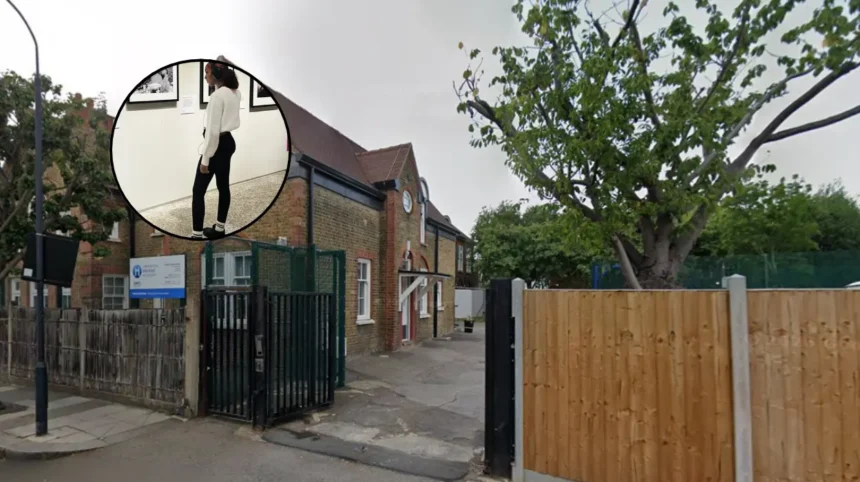
Stratford (East London Times) November 6, 2026 – Students from Ormiston Bridge Academy in Fulham, a member school of the Ormiston Academies Trust, have visited the V&A East gallery in Stratford, East London, to take part in educational activities commemorating Black History Month. The trip enabled Year 11 pupils currently enrolled in the General Certificate of Secondary Education (GCSE) Art & Design curriculum to examine ‘The Music Is Black: A British Story’, a major exhibition dedicated to the legacy and evolution of Black British sound and visual culture.
- Key Points
- What Did Students Experience During the V&A East Visit?
- How Does the Exhibition Support GCSE Art & Design Studies?
- What Statements Were Made by School Leadership?
- How Does This Event Fit Into the Academy’s Wider Programming?
- Background of the V&A East Development and Black History Month Initiatives
- Prediction: How This Development Can Affect Students, Schools, and Cultural Institutions
What Did Students Experience During the V&A East Visit?
During the gallery tour, the secondary cohort inspected a wide collection of historical and contemporary memorabilia charting over 125 years of music history. To facilitate an immersive, multi-sensory environment, each student was equipped with headphones that delivered synchronized audio tracks as they navigated the display zones. The curated playlist spanned a wide spectrum of musical developments, incorporating early gospel, blues, and jazz, through to mid-century reggae and lovers rock, as well as electronic and contemporary genres including jungle, drum and bass, grime, and hip-hop.
The exhibition design allowed pupils to connect specific soundscapes with the social, geographical, and historical settings in which they developed. By tracing these artistic trajectories, the trip provided the cohort with direct insight into the individuals, key locations, and broader social movements that have contributed to shaping the modern British music industry.
How Does the Exhibition Support GCSE Art & Design Studies?
For the Year 11 art students, the educational objective focused on analyzing the visual and material culture surrounding music production and performative art. The cohort inspected physical artifacts, including historic musical instruments, original album sleeve artwork, archival photography, stage costumes, and defining fashion items from various eras.
This direct interaction with design history directly supports the Ormiston Bridge Academy Art Department’s curriculum goals, which emphasize the development of contextual understanding within creative practices. Department leaders noted that the observational work completed at V&A East provides practical reference points and concepts that students will integrate into their ongoing GCSE portfolio coursework.
Beyond technical visual analysis, the trip prompted structured discussions regarding the role of cultural exchange, migration, and artistic innovation in defining the identity of contemporary Britain. Students reflected on how historic socio-cultural dynamics influenced the musical genres they listen to today.
What Statements Were Made by School Leadership?
Educational leaders at the academy highlighted the wider personal and academic benefits of experiential learning trips during Black History Month.
Principal Sophia Martin stated:
“It was wonderful to see our students learning, discussing, creating connections and, most importantly, enjoying themselves as part of this meaningful experience. The trip provided an excellent starting point for our Black History Month activities and gave our young artists plenty of ideas and experiences to take back into the classroom.”
How Does This Event Fit Into the Academy’s Wider Programming?
The visit to V&A East builds upon an established schedule of commemorative and educational events hosted by Ormiston Bridge Academy during annual Black History Month observances.
In previous academic years, the school organized cross-curricular initiatives spanning both the sciences and the humanities. Past activities included specialized lessons focused on the historical contributions of Black scientists to global research and innovation. Additionally, the school community previously hosted a spoken word performance by Natalie Wright, Secondary Outreach Specialist Teacher at Bridge. Her performance featured original poetry exploring British identity alongside the personal generational history of her grandfather’s journey as part of the Windrush generation.
This year’s national Black History Month theme, “Honouring Our Communities,” emphasizes recognizing the historical and ongoing contributions, leadership, care, and resilience of Black individuals and civic networks throughout the United Kingdom. The visit to Stratford was designed to align with these principles by offering students a direct link between community heritage and national cultural history.
Background of the V&A East Development and Black History Month Initiatives
The establishment of V&A East in Stratford represents a major structural expansion of the Victoria and Albert Museum into East London’s Queen Elizabeth Olympic Park. Formed as part of the East Bank cultural quarter—a regeneration scheme bringing together world-class educational and artistic institutions—V&A East was conceived to increase access to national collections for younger audiences and local communities. The venue prioritizes programming that explores global heritage, contemporary creation, and the socio-cultural histories of diverse urban populations.
Black History Month in the United Kingdom was first celebrated in October 1987, following initial organizing efforts led by Ghanaian analyst Akyaaba Addai-Sebo and the Greater London Council. Unlike its counterpart in the United States, which takes place in February, the UK observance was designated for October to coincide with the beginning of the academic year, maximizing engagement within schools and local authorities. Over the past four decades, the initiative has expanded from localized lectures into a nationally recognized period during which academic institutions, museum networks, and civic bodies evaluate the historical, artistic, scientific, and societal contributions of Black British citizens.
Within the secondary education sector, multi-academy networks such as the Ormiston Academies Trust have increasingly incorporated experiential learning—such as gallery visits and primary source investigations—into standard subject delivery. This approach aims to contextualize national curriculum modules in history, art, and literature within real-world cultural frameworks.
Prediction: How This Development Can Affect Students, Schools, and Cultural Institutions
The integration of major museum exhibitions into standard secondary school curricula is likely to have measurable effects across several key stakeholder groups:
For GCSE Students and Academic Outcomes
Direct access to national collections like ‘The Music Is Black: A British Story’ provides students with high-level primary source material, directly aiding high-order critical analysis required in upper-tier GCSE art and design assessments. Students who engage with multi-sensory and contextual learning environments typically demonstrate stronger retention of art history frameworks and deeper conceptual development in their visual portfolios. Furthermore, exposure to diverse cultural histories fosters a broader sense of civic identity and belonging among young learners.
For Educational Institutions and Curriculum Design
Schools that successfully embed external museum visits into their annual programming set a template for cross-curricular teaching. Blending art, music history, and social studies encourages academic departments to move away from isolated subject delivery toward integrated learning models. As multi-academy trusts evaluate the outcomes of such trips, similar initiatives are expected to become standard practice across regional academies, pushing schools to prioritize budget allocations for off-site cultural visits despite wider educational resource constraints.
For Museum and Cultural Sector Strategy
For institutions like V&A East, sustained engagement with school groups from diverse London boroughs is critical for long-term audience development. Demonstrating high utility for state school curricula validates public investment in major cultural infrastructure projects like East Bank. Moving forward, museum curators are likely to design future temporary and permanent exhibitions with dedicated modular audio-visual components specifically tailored for rapid assimilation by secondary school cohorts and examination boards.