Key Points
- Newham Independent councillor Mehmood Mirza released a TikTok video criticising local residents for persistent fly-tipping across the borough.
- Discarded household items shown in the video included garden chairs, a chest of drawers, and a child’s swing left on the pavement.
- Councillor Mirza pointed out that Newham Council provides free bulky waste collections up to three times a year for up to six items per booking.
- The councillor urged residents to take personal pride in their surroundings rather than placing full blame on the local authority for community waste issues.
- Councillor Mirza confirmed he is continuing to campaign for unlimited free bulky waste collections while urging residents to report illegally dumped refuse.
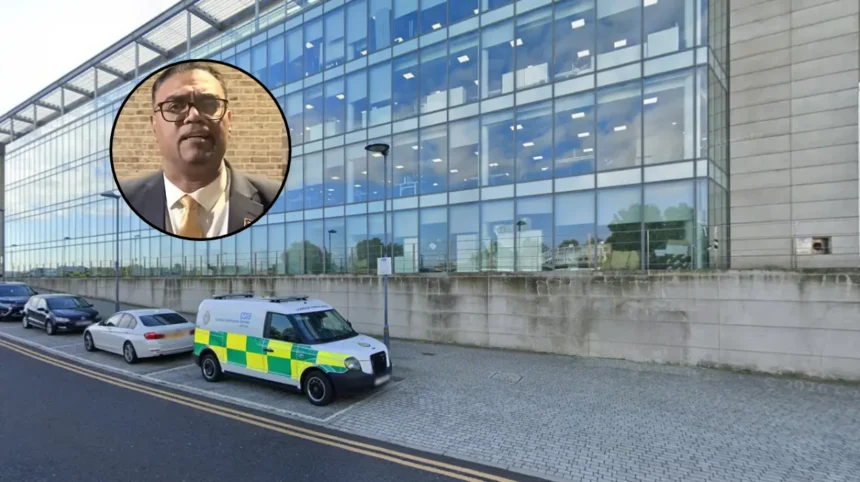
Newham (East London Times) November 6, 2026 – A London councillor has launched a public rebuke against residents in his local ward over ongoing issues with fly-tipping, insisting that members of the community must stop placing sole blame on Newham Council for the borough’s rubbish problems.
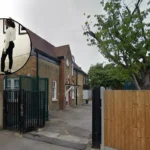
Councillor Mehmood Mirza, an Independent representative for Newham, filmed and published a video message on the social media platform TikTok while standing directly in front of an illegal dump site on a local residential pavement. The video footage captured a substantial accumulation of discarded household items left along the pedestrian walkway, including plastic garden chairs, a wooden chest of drawers, and a child’s garden swing unit.
Addressing the camera directly, Councillor Mirza expressed long-standing frustration regarding illegal waste disposal in the area, pointing out his personal efforts over several years to secure waste collection services for local taxpayers. During the recording, Councillor Mirza stated:
“I have been fighting for you for the last six or seven years to get a free bulky waste collection.”
The councillor highlighted existing municipal services that permit householders to dispose of large items without incurring direct charges, reminding residents that bookings can be completed digitally through the local authority’s official portal.
Addressing the community’s habit of attributing environmental degradation strictly to local council inaction, Councillor Mirza stated:
“You know what, you can book it online. Why do you have to do that? You can get six items picked up free of charge. Just go online, do your keyroll, book it online and have some pride where you live.”
Councillor Mirza further added:
“You can’t just blame Newham Council for everything. They have been doing it for you, and I am asking for unlimited bulky waste collection. You get three times a year, free collection. And if you see fly-tipping, please report it.”
Following his direct address to the camera, the video recorded Councillor Mirza photographing the discarded items on his mobile phone to submit an official report to municipal waste clearance teams.
Why Is Fly-Tipping Causing Friction Between Residents and Local Councils?
The confrontation in Newham reflects broader operational and financial pressures facing local authorities across Greater London regarding illegal waste management and public realm upkeep. Fly-tipping—defined under UK law as the illegal deposit of any waste onto land that does not have a licence to accept it—remains a major operational challenge for inner and outer London boroughs alike.
Local councils possess a statutory duty under the Environmental Protection Act 1990 to keep clear public land and highways within their boundaries. However, local authorities frequently report that the financial burden of clearing illegally dumped items diverts significant funding away from standard municipal services, such as social care, public parks maintenance, and street lighting.
In response to rising waste levels, several London boroughs have modified their refuse protocols. While some council areas charge property owners for collecting bulky domestic items—such as mattresses, sofas, and white goods—Newham Council operates a policy allowing households to schedule up to three free collections per calendar year, capped at six individual items per collection request. Despite these provisions, illegal dumping on footpaths, alleyways, and public green spaces continues to generate public dissatisfaction and councillor intervention.
Community groups and resident associations frequently argue that administrative hurdles, including online-only booking systems and strict caps on item numbers, contribute to public frustration and improper waste disposal. Conversely, local authority figures maintain that free services are underutilised due to a lack of community engagement and personal responsibility.
Background of the Newham Bulky Waste and Fly-Tipping Dispute
Fly-tipping has remained a persistent political and environmental subject within the London Borough of Newham for several years. According to historical municipal data published by the Department for Environment, Food & Rural Affairs (DEFRA), East London boroughs routinely record high volumes of fly-tipping incidents relative to population density, leading to recurring debates during local council meetings regarding enforcement measures and collection budgets.
Councillor Mehmood Mirza, who was elected as an Independent member to represent local residents in Newham, has made waste management reform a core focus of his tenure. Over a multi-year period, Independent and opposition councillors within Newham have campaigned for alterations to the borough’s waste collection framework, advocating for the expansion of municipal refuse provisions.
The introduction of Newham Council’s current waste policy—which offers three free bulky waste pickups per year for up to six items per household—was designed to curb illegal dumping by removing direct financial barriers for residents disposing of large domestic goods. Prior to the implementation of free collection allocations, residents were required to pay standard fees per item or arrange private transport to designated local reuse and recycling centres.
Despite the availability of free scheduled collections, informal dumping remains prevalent across urban corridors in the borough. Local government monitoring indicates that items are frequently deposited on public highways without prior booking, leading elected representatives to utilise social media channels to inform residents of proper disposal pathways and enforcement actions.
Prediction: How Will This Development Affect Newham Residents and Local Waste Policies?
The public intervention by Councillor Mirza and the ongoing visibility of fly-tipping issues are likely to influence both local administration policies and daily community dynamics within Newham in several distinct ways:
1. Increased Municipal Enforcement and Monitoring
Following public demonstrations of fly-tipping by local representatives, Newham Council may face heightened pressure to step up code enforcement and environmental policing. This could result in an increased deployment of fixed penalty notices (FPNs) for illegal dumping, expanded CCTV surveillance in known fly-tipping hotspots, and stricter monitoring of residential waste compliance. Residents who dump waste illegally risk receiving substantial monetary fines under current environmental legislation.
2. Debates over Waste Policy Reform
Councillor Mirza’s public statement that he continues to advocate for “unlimited bulky waste collection” will keep waste management at the forefront of municipal policy discussions. If political pressure mounts, Newham Council may be forced to evaluate the feasibility of expanding existing free collection allowances beyond the current three visits per year. However, any expansion would require reallocation of local council funding from other departmental budgets.
3. Changes to Resident Disposal Habits and Digital Access
The emphasis on online booking services places an expectation on local households to utilise digital council platforms. Residents who actively engage with the current scheme stand to benefit from free removal of unwanted furniture and appliances, reducing clutter in shared residential spaces. Conversely, digitally excluded residents—such as elderly citizens or those without reliable internet access—may experience continued difficulty navigating the booking system unless alternative phone-based or in-person reporting routes are made more accessible by the local authority.