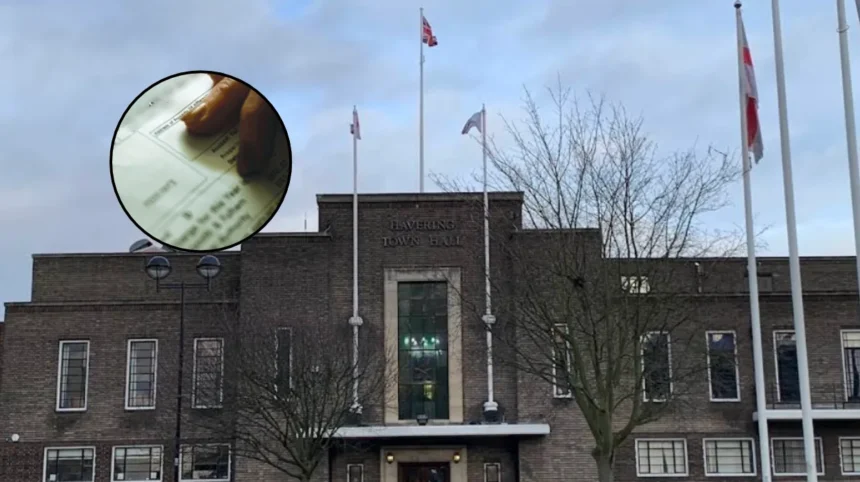
Key Points
- Havering Council has reduced its projected budget deficit for 2027/28 by more than £26 million, bringing the gap down from £81 million to £55 million.
- The local authority has identified a further £13 million in potential savings within its new medium-term financial strategy.
- Financial projections assume a 4.99 per cent increase in council tax next spring, matching the percentage rise of previous years, with a final decision scheduled for the new year.
- Over the past three years, Havering Council has borrowed nearly £250 million in exceptional financial support and anticipates requesting an additional £54 million next year.
- Leader of Havering Council, Councillor Keith Prince, stated that closer scrutiny is making taxpayers’ money count, though difficult decisions remain due to social care and temporary accommodation costs.
- Two public engagement events are scheduled for November 24 in Romford and December 1 online to allow residents to review the budget proposals.
Havering (East London Times) November 13, 2026 – Havering Council has reduced its projected budget deficit by more than £26 million, yet residents in the borough are expected to face a 4.99 per cent increase in council tax next spring to help bridge the remaining financial shortfall.
- Key Points
- How much has Havering Council borrowed from the central government?
- What did Councillor Keith Prince say about the budget and difficult decisions?
- What is driving the ongoing financial challenges in Havering?
- When can Havering residents attend the public budget engagement events?
- Background
- Prediction
According to the local authority’s newly published medium-term financial strategy, the projected budget gap for the 2027/28 financial year has decreased from £81 million to £55 million. Alongside this reduction, council officials have identified an additional £13 million in potential savings across departmental operations. However, these updated financial calculations rely on the assumption that council tax will rise by 4.99 per cent, mirroring the rate increases implemented in previous years. Top councillors are scheduled to make a formal, final decision regarding the proposed council tax hike in the new year.
How much has Havering Council borrowed from the central government?
Local authorities across England operate under a strict legal mandate to set a balanced budget every financial year. When a council’s expenditure exceeds its projected revenue and reserves, it must apply to the central government to borrow funds through a mechanism known as “exceptional financial support” (EFS), or face the intervention of government-appointed commissioners to manage its finances.
To maintain statutory services and balance its books, Havering Council has borrowed just shy of £250 million over the course of the past three years. Despite the recent £26 million reduction in its projected deficit, the council anticipates having to seek a further £54 million in exceptional financial support from the central government next year.
What did Councillor Keith Prince say about the budget and difficult decisions?
Addressing the updated financial outlook and the ongoing fiscal pressures facing the borough, Councillor Keith Prince, Leader of Havering Council, emphasised the administration’s focus on expenditure control and public consultation.
Councillor Keith Prince stated that “stronger financial discipline and closer scrutiny were making every pound of taxpayers’ money count,” while cautioning that “difficult decisions” still lay ahead for the local authority.
Outlining the council’s approach to upcoming budget adjustments, Councillor Keith Prince added:
“We will keep challenging spending, finding efficiencies and prioritising the services residents need most. Where proposals affect residents, people must have the opportunity to understand the changes and have their say before decisions are taken.”
Furthermore, Councillor Keith Prince confirmed that Havering Council would continue its efforts to lobby Westminster to cancel the authority’s existing outstanding borrowing and associated loan interest costs.
What is driving the ongoing financial challenges in Havering?
Even with the identified savings and the narrowing of the 2027/28 budget gap, Havering Council continues to navigate severe structural financial pressures. The primary drivers of the borough’s deficit remain the escalating demand for, and rising operational costs of, statutory social care services alongside temporary accommodation for homeless households.
When can Havering residents attend the public budget engagement events?
To ensure local taxpayers can review the medium-term financial strategy and understand how the proposed savings and tax adjustments may impact local services, Havering Council has arranged two public engagement events:
- In-person event: Scheduled to take place at the town hall in Romford on November 24, running between 6pm and 7.30pm.
- Online event: Scheduled to take place digitally on December 1, also running between 6pm and 7.30pm.
Background
The financial position detailed in Havering Council’s medium-term financial strategy reflects a multi-year period of acute fiscal strain. Under UK local government finance rules, councils are prohibited from running an operational deficit and must demonstrate a fully funded budget annually. When demographic shifts and inflation outpace local revenue streams—such as council tax receipts and business rates—councils without sufficient financial reserves must rely on Exceptional Financial Support (EFS) from central government. Over the preceding three-year period, Havering accumulated nearly £250 million in such borrowing to prevent the issuance of a Section 114 notice, which would effectively freeze all non-essential spending and trigger central government intervention via appointed commissioners. The 4.99 per cent council tax figure referenced in the strategy aligns with the maximum threshold local authorities with social care responsibilities are typically permitted to raise tax without triggering a local referendum.
Prediction
For residents and households across Havering, the immediate consequence of the medium-term financial strategy is a higher household tax burden starting next spring, should councillors approve the 4.99 per cent increase in the new year. Because the council is simultaneously seeking £13 million in additional savings and requesting another £54 million in central government borrowing, local taxpayers may also experience adjustments, consolidations, or reductions in non-statutory council services as resources are ring-fenced for high-demand areas like adult and children’s social care and temporary housing. In the longer term, the financial stability of the borough’s public services—and the potential avoidance of government-appointed commissioners—will depend heavily on whether Havering’s lobbying efforts persuade Westminster to write off its £250 million debt and ongoing interest payments, as well as the council’s ability to contain rising social care and housing costs through 2027/28.