Whitechapel, in East London, has a distinctive artistic heritage shaped by contemporary galleries, migrant communities, independent creative organisations, photography, film and public street art. Located within the London Borough of Tower Hamlets, Whitechapel connects historic cultural institutions with the wider creative neighbourhoods of Spitalfields, Brick Lane, Shoreditch and Bethnal Green.
- What Makes Whitechapel an Important Centre of Artistic Heritage?
- When Was Whitechapel Gallery Established and Why Is It Historically Significant?
- Which Artists and Art Movements Have Shaped Whitechapel’s Cultural Identity?
- How Have Migration and Multicultural Communities Influenced Whitechapel’s Art Scene?
- What Other Art Galleries and Creative Institutions Are Near Whitechapel?
- Why Is Brick Lane Important to East London’s Street Art Heritage?
- How Can Visitors Explore Whitechapel’s Artistic Heritage on Foot?
- How Do Historic Buildings and Cultural Spaces Preserve Whitechapel’s Artistic Heritage?
- How Does Whitechapel Support Contemporary Artists and Creative Communities?
- What Is the Future of Whitechapel’s Artistic and Cultural Heritage?
- Why Should Art and Culture Enthusiasts Visit Whitechapel?
The area’s artistic identity developed through successive generations of artists, photographers, filmmakers, craftspeople and community organisations. Its cultural history also reflects the experiences of Jewish, Bangladeshi and other migrant communities that established homes and businesses across the East End. These communities influenced local visual culture, public spaces, creative industries and artistic expression.
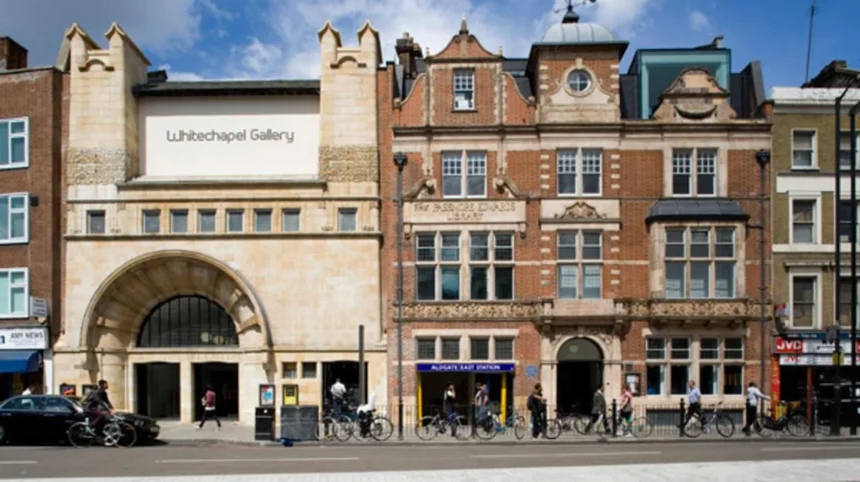
Whitechapel Gallery remains the area’s most prominent art institution. Established in 1901, it introduced international art to East London audiences and provided opportunities for local communities to engage with exhibitions and education. Its programme helped establish Whitechapel as an important centre for modern and contemporary art.
Today, visitors discover artistic heritage through gallery exhibitions, historic buildings, photographic archives, independent creative spaces and changing street art. Exploring these locations provides an understanding of how East London’s social history continues to influence its cultural identity.
What Makes Whitechapel an Important Centre of Artistic Heritage?
Whitechapel is an important artistic centre because it combines a pioneering public art gallery, migrant cultural heritage, independent creative organisations and contemporary street art. Its artistic identity connects historic exhibitions with photography, film, community-led projects and international contemporary art.
Whitechapel’s cultural significance comes from its long relationship with accessible public art. Unlike cultural districts developed primarily around commercial galleries, Whitechapel built its artistic reputation through an institution established specifically to serve local communities.
The neighbourhood belongs to the wider East End, an area historically associated with manufacturing, trade, immigration, working-class communities and social reform. These circumstances influenced the subjects, audiences and artistic organisations that developed locally.
The establishment of Whitechapel Gallery in 1901 introduced a permanent exhibition space to an area where access to major art institutions had traditionally been limited. Its founders believed that art and education belonged within everyday community life.
The surrounding neighbourhood also developed a distinctive creative identity through independent workshops, photographic organisations and community arts initiatives. These organisations supported artists who explored social inequality, cultural identity, migration and everyday experiences.
Whitechapel’s artistic heritage includes several interconnected cultural elements:
- Fine art: Historical and contemporary exhibitions at Whitechapel Gallery, including painting, sculpture and installation.
- Photography: Documentary photography and socially engaged photographic practices developed through East London organisations.
- Film: Independent filmmaking, experimental cinema and community-based production.
- Street art: Murals, graffiti and temporary public artworks across Brick Lane and neighbouring Shoreditch.
- Community art: Creative education, participatory exhibitions and projects involving local residents.
These elements establish Whitechapel as more than a gallery destination. Its artistic identity reflects the relationship between cultural institutions, neighbourhood history and everyday urban life.
The area’s cultural development also becomes clearer when examined alongside its wider historical background. As visitors explore its galleries and creative spaces, they encounter locations shaped by centuries of migration, commerce and social change. The complete [History of Whitechapel and Its Development in London’s East End] provides the historical context behind this artistic transformation.
When Was Whitechapel Gallery Established and Why Is It Historically Significant?
Whitechapel Gallery opened on 12 March 1901 through the work of philanthropists Canon Samuel Barnett and Henrietta Barnett. Its original purpose was to bring significant international and British art to East London residents through accessible exhibitions and educational activities.
Whitechapel Gallery is the central institution in the area’s artistic history. Its foundation represented an important development in public access to art in London.
Canon Samuel Barnett and his wife Henrietta Barnett were social reformers who believed that cultural education could improve opportunities for working-class communities. They established the gallery with the objective of making important artworks accessible to people who rarely visited established cultural institutions.
The original building was designed by architect Charles Harrison Townsend. Its Arts and Crafts architectural style gives the institution a distinctive appearance within Whitechapel High Street.
The gallery’s first exhibition, Modern Pictures by Living Artists, Pre-Raphaelites and Old Masters, opened in March 1901. It attracted approximately 260,000 visitors, demonstrating substantial public interest in accessible art exhibitions.
The exhibition programme also included international subjects. In 1901, the gallery presented Chinese Life and Art, followed by exhibitions featuring Japanese, Indian and European artistic traditions in subsequent years.
This international approach established an important foundation for the gallery’s future programming.
Why did the gallery become internationally recognised?
Whitechapel Gallery developed its reputation through exhibitions that introduced influential artists and artistic movements to British audiences.
One of its most historically important exhibitions was Pablo Picasso’s Guernica in 1939. The painting, which represents the suffering caused by the Spanish Civil War, made its first and only visit to Britain at Whitechapel Gallery.
Other significant exhibitions included:
- Jackson Pollock’s first major British exhibition in 1958.
- Mark Rothko’s British presentation in 1961, which influenced his approach to subsequent installations.
- Gilbert & George’s early exhibition in 1971.
- Frida Kahlo’s introduction to London audiences through an exhibition in 1982.
- Sonia Boyce’s exhibition in 1988.
- William Kentridge’s exhibition in 2016.
These exhibitions established the institution’s position within international modern and contemporary art.
The gallery also became known for presenting experimental and challenging artistic practices. Its exhibition history includes painting, photography, installation, conceptual art and interdisciplinary projects.
How did the building develop?
The original building expanded to accommodate changing exhibition and educational requirements. An adjoining former public library became part of the gallery’s extended premises.
The expanded institution reopened in 2009, providing additional exhibition and visitor facilities. The building now incorporates multiple galleries, an auditorium, educational and study spaces, a bookshop and a café.
The expansion preserved the relationship between the gallery’s historic architecture and its contemporary cultural programme.
In 2026, Whitechapel Gallery celebrates its 125th anniversary. This milestone reflects its continuing contribution to East London’s cultural life and international contemporary art.
The gallery’s history demonstrates how a neighbourhood institution developed into an internationally recognised exhibition centre without abandoning its original commitment to local audiences.
Which Artists and Art Movements Have Shaped Whitechapel’s Cultural Identity?
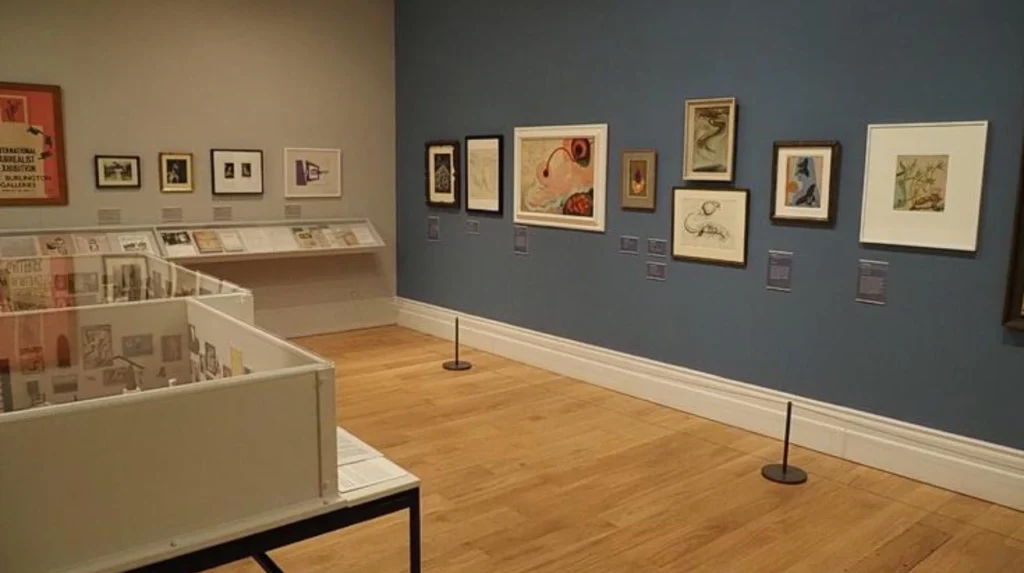
Whitechapel’s artistic identity has been shaped by international modernism, contemporary installation, conceptual art, photography and socially engaged creative practices. Artists including Pablo Picasso, Jackson Pollock, Mark Rothko, Frida Kahlo and Gilbert & George contributed to its exhibition history.
Whitechapel Gallery introduced East London audiences to major international artistic movements throughout the twentieth century.
Modernism was particularly important to the gallery’s development. Modernism describes artistic movements that challenged traditional approaches to representation, composition, materials and artistic subjects.
The gallery’s exhibitions helped audiences encounter new approaches to painting and visual expression.
Pablo Picasso’s Guernica became a major cultural event in 1939. Its exhibition introduced British audiences to an internationally recognised anti-war artwork at a time when European political tensions were increasing.
Jackson Pollock’s 1958 exhibition presented abstract expressionism to British audiences. Abstract expressionism is a movement associated with expressive brushwork, large-scale compositions and non-representational painting.
Mark Rothko’s 1961 exhibition also established the gallery’s importance in presenting international modern art. His colour-field paintings used large areas of colour to create immersive visual experiences.
British artists also contributed to Whitechapel’s reputation.
Gilbert & George developed an influential artistic practice combining photography, performance and visual composition. Their exhibition history at Whitechapel reflects the institution’s commitment to experimental contemporary art.
Richard Long introduced approaches associated with land art and conceptual practice. His work explored the relationship between movement, natural materials and landscape.
Frida Kahlo’s 1982 exhibition introduced her work to a wider London audience. Her paintings explored identity, physical experience, personal history and Mexican cultural references.
How did contemporary art influence the gallery?
Contemporary art expanded the gallery’s focus beyond traditional painting and sculpture.
Artists increasingly used photography, video, installation, performance and mixed media to examine social and political subjects.
Exhibitions featuring artists such as Sonia Boyce, Sophie Calle, Zarina Bhimji, Emily Jacir and William Kentridge demonstrate this development.
Their artistic practices address subjects including identity, migration, memory, representation and historical experience.
This approach connects Whitechapel’s international exhibition programme with the social character of East London.
The gallery also provides opportunities for artists whose work challenges established cultural narratives. Its programme has increasingly highlighted women artists, artists of colour and underrepresented creative perspectives.
The result is an artistic environment where historical movements and contemporary cultural questions remain closely connected.
How Have Migration and Multicultural Communities Influenced Whitechapel’s Art Scene?
Whitechapel’s art scene reflects generations of migration and cultural exchange. Jewish, Bangladeshi and other communities influenced local visual expression through photography, community projects, independent businesses, creative organisations and artistic interpretations of identity and belonging.
Whitechapel’s multicultural character is central to understanding its artistic development.
The East End attracted successive migrant communities because of employment opportunities, established social networks and affordable accommodation during different historical periods.
Jewish migration significantly influenced the area’s cultural and commercial development during the nineteenth and early twentieth centuries. Jewish residents established religious institutions, businesses, educational organisations and community networks throughout Whitechapel and neighbouring Spitalfields.
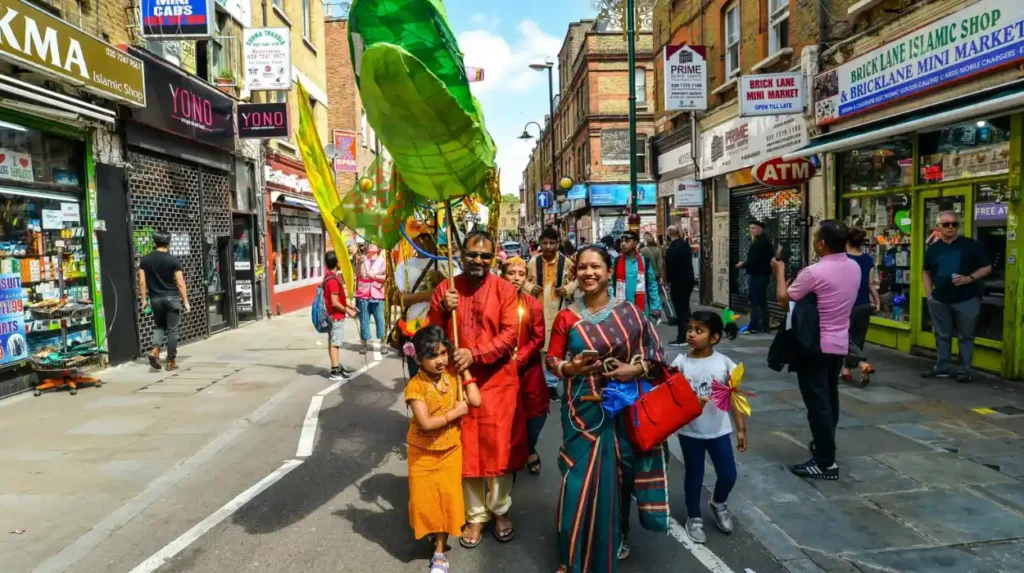
Bangladeshi migration became another defining influence, particularly from the mid-twentieth century onwards. Brick Lane developed into an important centre of Bangladeshi community life, food businesses and cultural activity.
These communities influenced the neighbourhood’s visual identity through shopfronts, signage, religious architecture, textiles, food culture and public celebrations.
Artists have documented these changes through photography, film and community-based exhibitions.
How does migration influence artistic subjects?
Migration provides artists with subjects connected to family histories, cultural identity, language, displacement and belonging.
Photography has played a particularly important role in recording these experiences. Documentary photographers have captured changing neighbourhoods, working conditions, community activities and everyday experiences.
Contemporary artists also examine the relationship between personal identity and wider political structures.
Whitechapel Gallery’s international programme supports this approach by presenting artistic practices from different geographical and cultural backgrounds.
Its exhibitions connect East London’s local communities with international conversations about representation and social change.
Why is community participation important?
Community participation makes cultural institutions more accessible to residents who do not traditionally engage with major galleries.
Whitechapel Gallery has historically developed educational programmes alongside exhibitions. Its founders considered public learning an essential part of the institution’s mission.
Today, community-focused cultural activities include educational initiatives, discussions, creative workshops and opportunities to encounter contemporary artists.
These activities demonstrate that artistic heritage is not limited to famous paintings or historical exhibitions. It also includes the experiences and creative contributions of neighbourhood residents.
Migration continues to shape Whitechapel’s cultural identity, giving its artistic institutions a strong connection to the communities surrounding them.
What Other Art Galleries and Creative Institutions Are Near Whitechapel?
Whitechapel’s artistic heritage extends into neighbouring East London districts through independent galleries, photography organisations, film centres and creative spaces. Spitalfields, Shoreditch and Bethnal Green provide additional opportunities to explore contemporary art and community-led cultural activities.
Several cultural organisations within the surrounding neighbourhoods complement Whitechapel Gallery’s exhibition programme. Each institution has a different artistic focus and historical contribution.
1. Autograph, Shoreditch
Autograph is an important photography and visual arts organisation located at Rivington Place in Shoreditch.
Founded in 1988, it initially operated as the Association of Black Photographers. Its original objective was to support Black photographic practices and increase representation within the visual arts.
In 2007, Autograph moved into its permanent home at Rivington Place. The building was jointly commissioned by Autograph and the Institute of International Visual Arts.
Rivington Place became the first newly constructed public art gallery to open in London in 40 years. It also established a permanent public space dedicated to culturally diverse visual arts in England.
Autograph presents photography and film exploring:
- Race and cultural identity.
- Human rights and social justice.
- Representation and historical memory.
- Migration and personal experience.
Its photographic collection includes historical and contemporary works. The organisation also supports exhibitions, publications, educational activities and artist commissions.
For visitors interested in photography and social history, Autograph provides a valuable perspective on the relationship between visual culture and society.
2. Four Corners, Bethnal Green
Four Corners is a creative arts organisation located at 121 Roman Road in Bethnal Green.
Established in 1973 by four young filmmakers, Joanna Davis, Mary Pat Leece, Ronald Peck and Wilfried Thust, Four Corners developed independent filmmaking and accessible film education.
The founders wanted to provide opportunities for people excluded from conventional filmmaking industries.
The organisation created a cinema and production workshop at Roman Road. It supported local film production, screenings and practical creative training.
Its history also connects with Half Moon Photography Workshop and Camerawork, two organisations associated with experimental and socially engaged photography.
Four Corners moved into its expanded permanent premises in 2007. The building provides exhibition facilities, darkrooms, studios, training rooms and film production spaces.
Visitors encounter an artistic tradition based on independent filmmaking, documentary photography and community participation.
Its archive also provides access to historical material documenting East London’s experimental film and photographic movements between 1972 and 1987.
3. Raven Row, Spitalfields
Raven Row is another cultural destination within the wider Whitechapel and Spitalfields area.
Its location places contemporary artistic activity within a neighbourhood known for historic architecture, commercial buildings and migrant communities.
Raven Row provides an additional perspective on London’s independent contemporary art environment. Its exhibition programme connects artists, historical research and experimental artistic practices.
Visitors exploring Whitechapel can include Spitalfields in their cultural itinerary to understand how independent galleries contribute to the wider East London art scene.
Together, these institutions demonstrate that Whitechapel’s artistic influence extends beyond a single gallery. It forms part of a wider network of organisations supporting visual arts, photography, filmmaking and contemporary creative production.
Why Is Brick Lane Important to East London’s Street Art Heritage?
Brick Lane is an important part of East London’s street art culture because its surrounding streets display murals, graffiti, paste-ups and temporary artworks. Its creative environment connects independent artistic expression with the neighbourhood’s migrant history and changing urban identity.
Brick Lane is one of the most recognisable streets in East London. Located between Whitechapel and Spitalfields, it connects historic commercial activity with contemporary creative culture.
The surrounding streets provide an informal outdoor exhibition environment where artists use building walls, shutters, alleyways and other public-facing surfaces.
Unlike a conventional gallery, street art exists within everyday urban surroundings. Its accessibility allows pedestrians, residents and visitors to encounter artwork without entering a cultural institution.
What forms of street art can visitors discover?
The area’s public artworks include several distinct forms:
- Murals: Large-scale paintings created directly on walls, such as commissioned building facades and colourful urban compositions.
- Graffiti: Lettering, symbols and visual designs created using spray paint and other materials.
- Paste-ups: Printed or painted images attached to surfaces using adhesive, including illustrated posters and layered paper artwork.
- Stencils: Designs produced through cut-out templates, allowing artists to reproduce detailed images.
- Installations: Three-dimensional artworks incorporated into public environments, such as sculptural objects and temporary displays.
Brick Lane and neighbouring Shoreditch are particularly recognised for changing collections of murals and smaller street artworks.
Artists associated with London’s street art scene include Banksy, D*Face, Eine, Sweet Toof and Blek le Rat. Their work represents different approaches to public art, from stencil-based imagery to typography and large-scale murals.
Not every artwork remains permanently visible. Building redevelopment, repainting, weather exposure and new commissions regularly change the appearance of streets.
Where should visitors look for street art?
Several nearby locations provide useful starting points:
Hanbury Street is known for its large-scale street art and changing wall paintings. The surrounding streets connect Brick Lane with the wider Shoreditch creative district.
Fashion Street and Princelet Street also provide opportunities to explore the visual character of Spitalfields and Whitechapel.
Pedestrians should explore side streets rather than concentrating exclusively on Brick Lane itself. Smaller artworks frequently appear on shutters, walls and building entrances.
Street art tours provide additional context about individual artists, techniques and the social meaning of public artworks.
Visit London’s Shoreditch recommendations identify Brick Lane and the surrounding neighbourhood as an established urban art destination.
How does street art connect with Whitechapel’s cultural identity?
Street art reflects the relationship between artistic expression and the communities using public spaces.
Its subjects frequently include cultural identity, political commentary, social inequalities and neighbourhood change.
The visual environment also demonstrates how East London combines established artistic institutions with informal creative practices.
For visitors, Brick Lane provides a different experience from Whitechapel Gallery. One presents curated exhibitions inside a dedicated cultural institution, while the other provides constantly changing artworks within public streets.
How Can Visitors Explore Whitechapel’s Artistic Heritage on Foot?
Visitors can explore Whitechapel’s artistic heritage through a walking route connecting Whitechapel Gallery, Brick Lane, Spitalfields and Shoreditch. This approach combines historic exhibition spaces, photography institutions, public artworks and independent cultural destinations.
A walking itinerary provides an effective way to understand the relationship between Whitechapel and neighbouring creative districts.
The locations are relatively close geographically, although opening times and exhibition schedules differ between organisations.
The following route provides a practical structure for visitors:
Whitechapel Gallery: Begin at Whitechapel High Street. Explore the exhibitions, architectural features and educational facilities. Allow approximately 60–90 minutes, depending on the exhibition programme.
Brick Lane: Continue towards Brick Lane to explore its independent businesses, public artworks and cultural landmarks. Allow 30–45 minutes for a general street art walk.
Spitalfields: Explore the surrounding historic streets and independent creative spaces. The area provides opportunities to understand the relationship between historic architecture and contemporary culture.
Autograph: Continue towards Shoreditch to visit Rivington Place. Explore the photography exhibitions and learn about the organisation’s work on representation and identity.
Four Corners: Visit Bethnal Green separately or extend the itinerary using public transport. Its film and photography exhibitions provide additional insight into East London’s community arts heritage.
This itinerary combines different artistic disciplines rather than concentrating exclusively on traditional galleries.
Which transport options provide access to these cultural locations?
Whitechapel Underground and Overground stations provide convenient access to the neighbourhood.
Whitechapel station serves the District and Hammersmith & City Underground lines, together with the Elizabeth line and London Overground.
Liverpool Street and Shoreditch High Street stations provide alternative access to Spitalfields and Shoreditch.
Bethnal Green station provides access to Four Corners and Roman Road.
Walking is suitable for exploring Whitechapel, Brick Lane and Spitalfields. Public transport is useful when extending the journey towards Bethnal Green or other East London destinations.
When should visitors plan their visits?
Weekdays provide opportunities to explore galleries with fewer visitors during quieter periods. Weekends provide additional opportunities to encounter independent shops, markets and street activity.
Visitors should check individual institutions’ official websites before travelling. Exhibition schedules, opening hours, ticket requirements and public holiday arrangements vary.
Whitechapel Gallery and Autograph provide free exhibition access, although special events and booking arrangements differ.
How Do Historic Buildings and Cultural Spaces Preserve Whitechapel’s Artistic Heritage?
Historic buildings preserve Whitechapel’s artistic heritage by maintaining connections between architecture, education, community activities and cultural institutions. Former libraries, gallery buildings, workshops and historic streets demonstrate how artistic practices developed alongside East London’s social and economic transformation.
Architecture is an important part of Whitechapel’s cultural identity. Historic buildings provide evidence of the area’s development and changing relationship with public culture.
Whitechapel Gallery is one of the strongest examples. Its Arts and Crafts architecture reflects the early twentieth-century belief that cultural institutions should serve the surrounding population.
The building’s connection with the former Whitechapel Public Library also demonstrates the historical relationship between art, reading and education.
Other parts of the surrounding neighbourhood preserve different aspects of East London’s history.
Spitalfields contains historic commercial and residential architecture associated with the area’s trading and migrant communities.
Brick Lane preserves elements of the neighbourhood’s commercial development through its historic shopfronts, religious buildings and community businesses.
These architectural features provide important cultural context for understanding the area’s artistic environment.
Why are historic buildings important to contemporary artists?
Historic buildings provide spaces for exhibitions, creative production and cultural interpretation.
Artists frequently respond to their surroundings through photography, installations, documentary work and architectural research.
Former industrial and commercial spaces also contribute to East London’s creative economy. Their adaptation for cultural activities demonstrates how historic urban environments accommodate changing artistic requirements.
Preserving these buildings therefore supports both architectural heritage and opportunities for future creative activity.
How Does Whitechapel Support Contemporary Artists and Creative Communities?
Whitechapel supports contemporary artistic activity through public exhibitions, educational programmes, photographic organisations, independent creative spaces and community engagement. These activities provide opportunities for emerging artists, established practitioners and local residents to participate in London’s cultural sector.
The area’s artistic environment continues to develop through organisations that connect professional artists with local communities.
Whitechapel Gallery supports this relationship through exhibitions, public programmes and educational activities.
Its archive also provides an important resource for researchers studying the development of modern and contemporary art in East London.
The Whitechapel Gallery Archive contains records extending back more than 130 years. These materials document exhibitions, artistic practices and changes in the institution’s cultural programming.
The archive also provides evidence of wider political and social developments in East London. Whitechapel Gallery+1
What opportunities exist for emerging artists?
Creative organisations across East London provide different forms of professional support.
Four Corners offers training and production opportunities in film and photography. Its programmes support people from backgrounds that are underrepresented in creative industries.
Autograph commissions artists and organises exhibitions, publications and educational projects. Its work provides opportunities for photographers and filmmakers exploring questions of identity and representation.
Whitechapel Gallery contributes through exhibitions, learning activities and opportunities to encounter experimental artistic practices.
These organisations demonstrate how the area’s creative infrastructure operates through different activities:
- Exhibition development, including solo presentations and group exhibitions.
- Artist education, including practical workshops and creative learning.
- Film production, including independent filmmaking and documentary work.
- Photographic research, including archive exploration and contemporary commissions.
- Community engagement, including collaborative cultural projects.
Why is this important for East London’s creative economy?
Creative organisations contribute to employment, education, cultural tourism and the development of local businesses.
Galleries attract visitors who also use nearby cafés, restaurants, independent shops and transport services.
Creative institutions also provide opportunities for collaboration between artists, researchers, educational organisations and cultural professionals.
For digital nomads and creative professionals, the wider neighbourhood offers access to exhibitions, cultural events and independent commercial spaces. Visitors seeking somewhere to work should check individual cafés and coworking venues for facilities, availability and working policies.
The continued presence of these organisations strengthens Whitechapel’s position within East London’s wider creative economy.
Explore More Area Guide
Discover Historic Cemeteries and Heritage Landscapes in Tower Hamlets
Tower Hamlets Museums: Best Educational Attractions in East London
What Is the Future of Whitechapel’s Artistic and Cultural Heritage?
Whitechapel’s artistic future depends on maintaining accessible cultural institutions, supporting diverse artists, preserving historic buildings and encouraging community participation. Its established galleries and independent creative organisations provide a foundation for continued artistic development across East London.
Whitechapel’s artistic heritage remains relevant because its institutions continue to respond to changes in contemporary culture.
The neighbourhood’s cultural future involves maintaining connections between local communities and international artistic developments.
The 125th anniversary of Whitechapel Gallery in 2026 provides an important opportunity to recognise its historical contribution and future ambitions.
Its anniversary programme builds on more than a century of exhibitions, educational initiatives and international artistic exchange.
How will contemporary exhibitions influence the area’s cultural identity?
Contemporary exhibitions provide opportunities to examine subjects affecting modern society.
These include migration, environmental change, technology, representation, political history and cultural identity.
Whitechapel Gallery’s programme demonstrates how international artists contribute to conversations about these subjects.
The institution’s commitment to artists from underrepresented backgrounds also supports a broader understanding of British and international art.
Why is cultural preservation important?
Cultural preservation protects the historical records, buildings and creative organisations that establish a neighbourhood’s identity.
Whitechapel’s artistic heritage includes more than individual artworks. It includes the archives, educational programmes, independent organisations and community experiences that have influenced the area’s cultural development.
Preserving this heritage ensures that future generations can understand how East London became an important centre of artistic experimentation.
What challenges will the neighbourhood face?
Cultural organisations operate within an urban environment affected by changing property costs, commercial development and competition for accessible creative space.
Maintaining affordable opportunities for artists and community organisations remains important.
Preserving historic buildings also requires balancing architectural conservation with modern accessibility and operational requirements.
Continued collaboration between cultural institutions, local authorities, artists and residents supports the area’s long-term cultural development.
Whitechapel’s future artistic identity will therefore depend on the relationship between heritage preservation and new creative opportunities.
Why Should Art and Culture Enthusiasts Visit Whitechapel?
Whitechapel provides visitors with access to historic art exhibitions, international contemporary artists, independent photography organisations, public murals and multicultural heritage. Its location connects several East London cultural districts within an accessible sightseeing and walking itinerary.
Whitechapel offers a cultural experience that extends beyond conventional gallery visits.
Its artistic heritage demonstrates how art institutions, migrant communities and independent organisations contribute to the identity of an urban neighbourhood.
Visitors can explore the area’s history through exhibitions at Whitechapel Gallery, photography at Autograph, film and photographic archives at Four Corners, and public artwork around Brick Lane and Shoreditch.
The neighbourhood also provides opportunities to discover historic architecture, independent businesses and community landmarks.
Different visitors can approach the area according to their interests.
Art enthusiasts can concentrate on contemporary exhibitions and historic gallery programmes.
Photography enthusiasts can explore Autograph and Four Corners.
Cultural tourists can combine gallery visits with Brick Lane, Spitalfields and the surrounding historic streets.
Residents can use exhibitions, educational programmes and community events to maintain connections with local cultural organisations.
Whitechapel’s artistic significance comes from the relationship between its past and present. Its pioneering gallery, international exhibition history, multicultural communities and independent creative organisations continue to shape East London’s cultural identity.
For visitors exploring the capital’s artistic heritage, Whitechapel provides an important starting point for understanding the development of art, creativity and community culture across London’s East End.
What is Whitechapel famous for in the art world?
Whitechapel is famous for Whitechapel Gallery, an internationally recognised contemporary art institution established in 1901. The neighbourhood is also known for independent photography, creative organisations and Brick Lane street art.