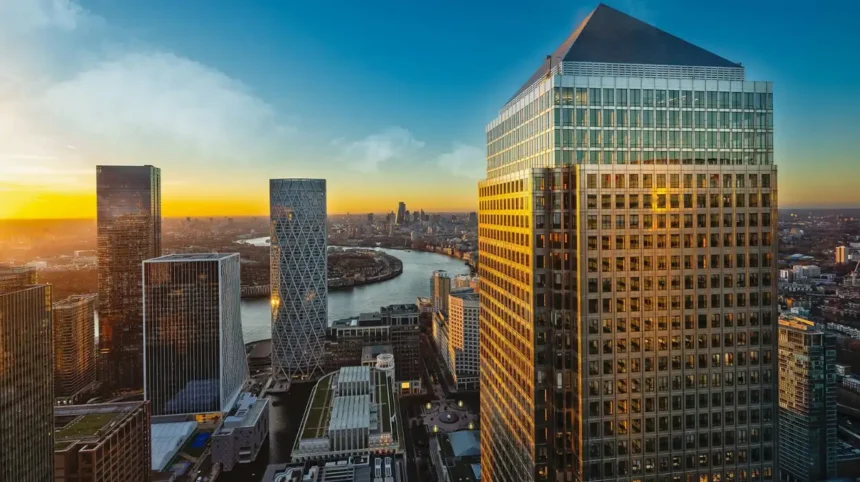
Canary Wharf is one of East London’s most distinctive leisure destinations. Located on the Isle of Dogs in the London Borough of Tower Hamlets, it combines modern architecture, historic docklands, waterfront promenades, public art, landscaped gardens, shopping centres and diverse restaurants. Although internationally recognised as a major financial district, Canary Wharf offers considerably more than offices and corporate buildings.
- What Makes Canary Wharf an Interesting Destination for Leisure Visitors?
- How Did Canary Wharf Develop From Historic Docks Into a Leisure Destination?
- What Public Art Can Visitors Discover at Canary Wharf?
- Which Waterfront Spaces Make Canary Wharf Worth Visiting?
- What Can Visitors Experience at Eden Dock?
- What Makes Harbour Quay Attractive?
- Why Should Visitors Explore the Dockside Promenades?
- Which Parks and Gardens Should Visitors Explore in Canary Wharf?
- Why Is Crossrail Place Roof Garden a Major Attraction?
- What Can Visitors Do at Jubilee Park?
- What Makes Canada Square Park Special?
- Where Can Visitors Find Additional Landscaped Spaces?
- What Architectural Attractions Make Canary Wharf Unique?
- Why Is One Canada Square Important?
- What Other Modern Buildings Define the Skyline?
- How Does Crossrail Place Contribute to the Area’s Architecture?
- What Shopping Experiences Are Available at Canary Wharf?
- What Can Visitors Find at Canada Place?
- What Makes Jubilee Place Popular?
- What Does Cabot Place Offer?
- Are There Other Shopping Destinations?
- What Restaurants and Food Experiences Can Visitors Enjoy in Canary Wharf?
- Where Can Visitors Find Waterfront Restaurants?
- What Food Options Are Available for Casual Visitors?
- Are There Places for Evening Dining?
- What Cultural Attractions Can Visitors Explore Near Canary Wharf?
- Why Should Visitors Explore London Museum Docklands?
- What Can Visitors Learn About East London’s Communities?
- Can Visitors Combine Museums With Outdoor Sightseeing?
- What Family-Friendly Activities Are Available at Canary Wharf?
- Which Activities Are Suitable for Children?
- Are Seasonal Events Available for Families?
- Is Canary Wharf Suitable for a Family Day Out?
- How Can Visitors Enjoy Seasonal Events and Entertainment at Canary Wharf?
- What Events Take Place During Summer?
- What Can Visitors Experience During Winter?
- How Can Visitors Find Current Event Information?
- How Can Visitors Travel to Canary Wharf?
- Can Visitors Reach Canary Wharf by Underground?
- Does the Elizabeth Line Serve Canary Wharf?
- Can Visitors Use the DLR?
- Are River Services Available?
- Should Visitors Check Transport Accessibility?
- What Is the Best Way to Explore Canary Wharf on Foot?
- Which Walking Route Covers the Main Attractions?
- How Much Time Should Visitors Allow?
- Is Canary Wharf Suitable for Photography?
- Why Is Canary Wharf Suitable for Digital Nomads and Business Travellers?
- Where Can Visitors Take Breaks Between Meetings?
- Can Business Travellers Enjoy Leisure Activities After Work?
- When Is the Best Time to Visit Canary Wharf?
- Is Spring a Good Time to Explore Canary Wharf?
- What Makes Summer Attractive?
- Is Autumn Suitable for Sightseeing?
- What Can Visitors Do During Winter?
- What Makes Canary Wharf an Important Part of East London’s Future?
- How Does Canary Wharf Support Urban Regeneration?
- Why Are Green Spaces Important to Its Future?
- How Does Improved Transport Support Visitor Growth?
- Why Should Canary Wharf Be Included in an East London Sightseeing Itinerary?
The neighbourhood has developed into a seven-day destination for tourists, local residents, families and business travellers. Its attractions include the Crossrail Place Roof Garden, Canada Square Park, Jubilee Park, Eden Dock, London Museum Docklands and an extensive collection of outdoor sculptures. Visitors also enjoy shopping, waterfront dining, seasonal markets and cultural events.
Canary Wharf’s appeal comes from the combination of these experiences within a relatively compact neighbourhood. Visitors can explore contemporary architecture, discover historic waterways, enjoy green spaces and experience London’s changing urban landscape without travelling between several distant attractions.
What Makes Canary Wharf an Interesting Destination for Leisure Visitors?
Canary Wharf attracts leisure visitors through its combination of contemporary architecture, historic waterways, public art, landscaped gardens, shopping destinations and restaurants. Its pedestrian-friendly environment provides opportunities for sightseeing, outdoor recreation, cultural exploration and waterfront experiences throughout the year.
Canary Wharf occupies the Isle of Dogs in East London. It forms part of London’s wider Docklands regeneration area, which transformed former commercial shipping facilities into a modern district for business, residential development and leisure.
The neighbourhood is particularly recognisable for its skyscrapers, including One Canada Square, a landmark office tower completed in 1991. Its distinctive pyramid-shaped roof makes it one of London’s most recognisable buildings.
However, the area’s leisure appeal extends beyond its skyline.
Visitors encounter landscaped public spaces, enclosed shopping centres, pedestrian walkways and historic dock basins. These features create an environment where sightseeing and everyday leisure activities take place alongside commercial development.
Canary Wharf Group reports that the estate contains more than 320 shops and over 80 cafés, bars and restaurants. Its open spaces also include more than 16.5 acres of green and blue spaces. These facilities support a broad range of visitor activities.
The neighbourhood also benefits from its location beside the River Thames and its historic dock network. This waterfront setting distinguishes Canary Wharf from many other modern commercial districts.

How Did Canary Wharf Develop From Historic Docks Into a Leisure Destination?
Canary Wharf developed from London’s historic West India Docks into a modern financial and leisure district. The docks opened in 1802, supported international trade and closed in 1980. Subsequent regeneration transformed the former industrial landscape into today’s mixed-use neighbourhood.
The history of Canary Wharf begins with the development of the West India Docks on the Isle of Dogs.
The docks opened in 1802 following legislation authorising their construction. They provided enclosed facilities for unloading ships carrying goods from the Caribbean and other international trading destinations.
During the 19th century, the docks handled commodities including sugar, rum and coffee. Warehouses stored imported goods before their distribution across Britain.
The docks also formed part of a trading system built around British colonialism and the exploitation of enslaved African people on Caribbean plantations. This history remains essential to understanding the wealth generated through London’s historic port economy.
The original Canary Wharf name emerged during the 20th century. A warehouse built in 1936 handled fruit and vegetables arriving from the Canary Islands.
Why Did the Historic Docks Close?
Changes in international shipping eventually reduced the importance of London’s traditional docks.
Containerisation introduced new methods of transporting commercial goods. Larger ships required deeper water and more modern facilities than many traditional London docks provided.
The West India Docks stopped general cargo operations in 1980. Their closure created significant economic challenges for surrounding communities.
The London Docklands Development Corporation was established in 1981 to coordinate regeneration across the wider Docklands area. Redevelopment introduced new commercial buildings, transport connections, residential developments and public facilities.
How Does the Historic Background Influence Modern Canary Wharf?
Historic dock basins, surviving warehouses and waterfront infrastructure remain visible throughout the neighbourhood.
The area’s transformation also provides an important connection between London’s maritime economy and its contemporary financial sector.
As you explore the modern district, you are crossing land with a deep industrial and maritime heritage. Discover the full [Canary Wharf History and the Transformation of West India Docks] to understand the origins of this East London neighbourhood.
Visitors interested in this background can also explore London Museum Docklands, which explains the development of London’s port and the experiences of communities connected to its trading history.
What Public Art Can Visitors Discover at Canary Wharf?
Canary Wharf features more than 100 permanent public artworks across its outdoor spaces, pedestrian routes and buildings. Visitors encounter sculptures, installations, architectural artworks and contemporary pieces by internationally recognised artists without paying an admission fee.
Public art is one of Canary Wharf’s most distinctive leisure attractions.
Unlike traditional galleries, where visitors follow designated exhibition spaces, the neighbourhood incorporates artworks into everyday public environments. Sculptures appear beside dock basins, shopping areas, landscaped gardens and pedestrian routes.
Canary Wharf Group describes its collection as the UK’s largest free-to-visit outdoor public art collection. The collection includes more than 100 works.
Visitors can explore the artworks independently while walking through the neighbourhood.
Which Public Artworks Are Worth Finding?
Several installations provide interesting stopping points during a sightseeing visit.
Whale on the Wharf
Whale on the Wharf is a large sculpture created by StudioKCA. Installed in 2025, the artwork stands approximately 11 metres tall.
The sculpture incorporates recovered plastic materials and represents marine pollution. Its waterfront location connects the artwork with environmental protection and the importance of reducing plastic waste.
The Spirit of East London
This artwork by Maureen Anne Holley forms part of Canary Wharf’s permanent collection. It contributes to the area’s representation of local identity through contemporary sculpture.
Windwand
Created by Ron Arad, Windwand is another recognisable artwork within the public collection. Its form introduces movement and visual interest into the surrounding urban environment.
Descent: HQ3
Created by artist Catherine Yass, this work is another example of the collection’s integration of contemporary artistic ideas into Canary Wharf’s built environment.
Why Is Public Art Important to Canary Wharf?
Public art provides free cultural experiences outside traditional museums and galleries.
It also encourages visitors to explore different sections of the neighbourhood. An artwork becomes a sightseeing point, while its surroundings introduce visitors to additional architectural and landscape features.
The official Canary Wharf art brochure provides information about the collection’s locations and artists.

Which Waterfront Spaces Make Canary Wharf Worth Visiting?
Canary Wharf’s waterfront spaces provide opportunities for walking, photography, outdoor relaxation and recreational activities. Historic dock basins, landscaped promenades, public seating and modern waterfront developments create attractive spaces for visitors throughout the year.
Waterfront access is one of the strongest reasons to explore Canary Wharf beyond its shopping centres.
The neighbourhood contains several historic dock basins that now form part of its public landscape. These waterways create open views between modern buildings and provide a distinctive setting for outdoor recreation.
Visitors can walk along the waterfront, observe boats, photograph the skyline or enjoy refreshments at nearby cafés.
What Can Visitors Experience at Eden Dock?
Eden Dock is a waterfront environment developed in partnership with the Eden Project.
The space combines aquatic planting, floating habitats, environmental installations and opportunities for recreational activities.
Its design introduces nature into an urban waterfront setting. Visitors can observe aquatic ecosystems and learn about the relationship between biodiversity and city environments.
Eden Dock also supports activities including open-water swimming and yoga sessions. Access to organised activities depends on their individual arrangements and availability.
What Makes Harbour Quay Attractive?
Harbour Quay provides another waterfront location for outdoor relaxation.
Its boardwalks, seating areas and waterside views create opportunities for walking and informal gatherings.
Families can use the surrounding spaces for relaxed outdoor visits, while photographers benefit from views across the water and neighbouring buildings.
Why Should Visitors Explore the Dockside Promenades?
The dockside promenades connect different parts of Canary Wharf.
They provide alternative walking routes between shopping destinations, restaurants, gardens and public art installations.
These routes also allow visitors to appreciate the relationship between the historic dock infrastructure and the modern buildings surrounding it.
Which Parks and Gardens Should Visitors Explore in Canary Wharf?
Canary Wharf contains several landscaped parks and gardens that provide outdoor relaxation within its modern commercial environment. Jubilee Park, Canada Square Park, Crossrail Place Roof Garden and Westferry Circus offer distinct settings for walking, photography and seasonal activities.
Green spaces contribute significantly to Canary Wharf’s leisure appeal.
The neighbourhood’s landscaped environments provide a contrast to its high-rise buildings. They also support outdoor events, informal gatherings and opportunities for visitors to spend time away from busy shopping areas.
Why Is Crossrail Place Roof Garden a Major Attraction?
Crossrail Place Roof Garden is one of Canary Wharf’s most distinctive visitor attractions.
Located above the Elizabeth line station within Crossrail Place, the garden features tropical and subtropical planting.
Its design incorporates plants from different parts of the world, including species associated with regions historically connected to London’s maritime trading networks.
The garden is enclosed beneath an architectural roof structure that allows natural light to enter while providing shelter from changing weather conditions.
Visitors can explore its planted pathways, discover different botanical species and enjoy views of the surrounding architecture.
Its location also makes it convenient for visitors arriving through the Elizabeth line.
What Can Visitors Do at Jubilee Park?
Jubilee Park is a landscaped green space located between Canary Wharf’s major commercial buildings.
Its design includes trees, planted areas, seating and cascading water features.
Visitors use the park for lunchtime relaxation, informal meetings, photography and short walks.
The park provides a quieter environment compared with the surrounding shopping and business areas.
What Makes Canada Square Park Special?
Canada Square Park is one of Canary Wharf’s principal outdoor public spaces.
It hosts seasonal events, outdoor entertainment and community activities.
The park also provides a central location for visitors exploring nearby shops, restaurants and architectural landmarks.
Its open layout makes it suitable for relaxing between sightseeing activities.
Where Can Visitors Find Additional Landscaped Spaces?
Other outdoor locations include:
- Cabot Square: A central public square featuring a fountain and surrounding commercial buildings.
- Westferry Circus: A landscaped garden area with seasonal planting and sculptures.
- Montgomery Square: An event-friendly public space used for markets and sporting activities.
- Harbour Quay: A waterfront location featuring walkways and outdoor seating.
These spaces demonstrate how Canary Wharf combines commercial development with accessible public environments.
What Architectural Attractions Make Canary Wharf Unique?
Canary Wharf features a distinctive collection of modern skyscrapers, landscaped plazas, underground shopping facilities and contemporary public buildings. Its architecture reflects London’s financial development while incorporating pedestrian routes, waterfront environments and modern transport infrastructure.
Architecture is a major part of the Canary Wharf visitor experience.
The district contains some of London’s most recognisable commercial buildings. Their scale, glass façades and carefully arranged public spaces create an identifiable urban landscape.
Why Is One Canada Square Important?
One Canada Square is the architectural landmark most closely associated with Canary Wharf.
Completed in 1991, the tower reaches approximately 235 metres in height, including its distinctive pyramid-shaped roof.
It was Britain’s tallest building when completed and remained an important feature of London’s skyline.
Although the building primarily serves commercial purposes, its exterior is a major photography subject for visitors exploring Canada Square and nearby public spaces.
What Other Modern Buildings Define the Skyline?
Canary Wharf contains several notable commercial towers.
Examples include:
8 Canada Square: A prominent office tower with a contemporary glass exterior.
25 Canada Square: Also known as Citigroup Centre, this building forms part of the district’s financial architecture.
HSBC Tower: A major commercial building that contributes to the area’s recognisable skyline.
One Churchill Place: Another significant office development within the neighbourhood.
Together, these buildings demonstrate the architectural character of Canary Wharf.
How Does Crossrail Place Contribute to the Area’s Architecture?
Crossrail Place combines transport infrastructure, commercial facilities and public space.
The development houses the Elizabeth line station, retail facilities and the Crossrail Place Roof Garden.
Its large roof structure provides a distinctive architectural feature while accommodating the garden above.
This integration of transport, retail and leisure facilities demonstrates how contemporary urban developments support several different visitor needs.
What Shopping Experiences Are Available at Canary Wharf?
Canary Wharf provides an extensive shopping experience through five principal shopping destinations: Canada Place, Cabot Place, Jubilee Place, Crossrail Place and Churchill Place. Visitors find fashion, beauty, homeware, food, lifestyle products and everyday retail services.
Shopping is one of the neighbourhood’s most established leisure activities.
Canary Wharf’s retail environment combines large international brands with specialist shops, cafés and restaurants.
The five principal shopping centres provide convenient access to different retail categories within a connected pedestrian environment.
What Can Visitors Find at Canada Place?
Canada Place is one of Canary Wharf’s principal retail destinations.
It includes fashion, lifestyle, food and everyday shopping facilities.
Visitors can explore established retail brands alongside food outlets and other services.
Its central position also makes it convenient for exploring nearby public spaces.
What Makes Jubilee Place Popular?
Jubilee Place offers a range of fashion, beauty, homeware and lifestyle shops.
Its indoor environment provides a convenient shopping experience throughout the year.
The shopping centre also connects with surrounding pedestrian routes and transport facilities.
What Does Cabot Place Offer?
Cabot Place combines shopping with dining and lifestyle facilities.
Visitors encounter retail boutiques, food outlets and family-friendly amenities.
Its location near Cabot Square makes it a convenient stop during a wider neighbourhood visit.
Are There Other Shopping Destinations?
Crossrail Place and Churchill Place provide additional shopping opportunities.
Crossrail Place benefits from its connection with the Elizabeth line station and Roof Garden.
Churchill Place combines retail facilities with services and dining options.
The wider estate contains more than 320 shops, according to Canary Wharf Group. This figure demonstrates the scale of its retail offering.
Visitors should check individual shop opening hours before travelling, particularly on Sundays and public holidays.
What Restaurants and Food Experiences Can Visitors Enjoy in Canary Wharf?
Canary Wharf offers a varied food and drink scene featuring international restaurants, independent cafés, waterfront dining, casual eateries and bars. Its restaurants serve different cuisines and price ranges, making the district suitable for quick meals and longer dining visits.
Food is another important part of the Canary Wharf leisure experience.
The neighbourhood’s restaurant scene reflects its international workforce and diverse visitor population.
Visitors can find casual dining facilities, specialist restaurants, coffee shops and establishments offering formal dining experiences.
Where Can Visitors Find Waterfront Restaurants?
Wood Wharf provides several dining opportunities within a modern residential and commercial environment.
Its restaurants and social spaces benefit from their proximity to the waterfront.
Visitors can combine a meal with a walk around the surrounding dock basins.
What Food Options Are Available for Casual Visitors?
Canary Wharf contains cafés, takeaway outlets and casual restaurants across its shopping centres.
These establishments provide convenient options for visitors exploring the neighbourhood during a shorter trip.
Food courts and mixed dining areas also support visitors who prefer different cuisines within one location.
Are There Places for Evening Dining?
The neighbourhood has restaurants and bars that support evening visits.
Visitors can enjoy dinner, drinks and social activities after exploring the shopping centres and waterfront.
The Wood Wharf area adds further dining choices beyond the central commercial district.
Canary Wharf’s restaurant offering also makes it suitable for domestic business travellers who want to combine professional appointments with leisure dining.
What Cultural Attractions Can Visitors Explore Near Canary Wharf?
Canary Wharf provides access to cultural attractions that explain East London’s maritime history, contemporary art and changing urban identity. London Museum Docklands is particularly important because it preserves the history of London’s port, international trade and surrounding communities.
Cultural exploration adds historical depth to a visit.
The modern buildings and public spaces of Canary Wharf represent only one stage in the development of East London. The surrounding Docklands area contains important evidence of London’s industrial and maritime past.
Why Should Visitors Explore London Museum Docklands?
London Museum Docklands is located in a historic warehouse at West India Quay.
The museum explores London’s relationship with the River Thames, international trade and maritime commerce.
Its exhibitions explain how goods entered the capital, how dock workers operated and how international trade influenced London’s economic development.
The museum also examines the history of slavery and the connections between Britain’s colonial economy and the wealth generated through maritime trade.
Its location within a surviving historic warehouse provides an important physical connection to the area’s industrial heritage.
What Can Visitors Learn About East London’s Communities?
The history of Docklands extends beyond shipping and commercial development.
The area was home to generations of dock workers, warehouse employees, merchants and residential communities.
Industrial changes and redevelopment affected employment, housing and local economic conditions.
Cultural attractions help visitors understand these changes and recognise the experiences of people who lived and worked in the historic docklands.
Can Visitors Combine Museums With Outdoor Sightseeing?
Yes. London Museum Docklands is close to the historic waterfront at West India Quay.
Visitors can combine a museum visit with walking around nearby dock basins, exploring public art and visiting Canary Wharf’s modern commercial areas.
This combination creates a broader understanding of East London’s history and development.
What Family-Friendly Activities Are Available at Canary Wharf?
Canary Wharf provides family-friendly activities through public gardens, waterfront walks, open spaces, shopping destinations and seasonal events. Families can explore public art, visit the Roof Garden, enjoy outdoor recreation and discover educational attractions within the surrounding Docklands area.
Families can visit Canary Wharf for several different leisure experiences.
The pedestrian routes and landscaped public spaces create opportunities for relaxed outdoor exploration.
Which Activities Are Suitable for Children?
Several attractions offer opportunities for children to explore the neighbourhood.
Examples include:
Public art trails: Children can discover sculptures and installations while walking between different locations.
Crossrail Place Roof Garden: The garden provides an opportunity to explore unusual plants and different planting environments.
Jubilee Park: Its landscaped environment provides outdoor space for relaxation.
Waterfront walks: Families can explore the dockside paths and observe boats and surrounding buildings.
London Museum Docklands: The museum provides historical and educational information about London’s port.
Are Seasonal Events Available for Families?
Canary Wharf organises seasonal activities and events across its public spaces.
These include outdoor entertainment, markets, family activities and cultural programmes.
Canada Square Park and Montgomery Square are among the locations used for public events.
The programme changes throughout the year, so visitors should consult the official events calendar before planning a particular activity.
Is Canary Wharf Suitable for a Family Day Out?
Canary Wharf works well for families who want to combine indoor and outdoor activities.
Parents can plan a visit around gardens, shopping facilities, food outlets and cultural attractions.
Its connected public spaces also make it possible to create shorter walking routes for children.
How Can Visitors Enjoy Seasonal Events and Entertainment at Canary Wharf?
Canary Wharf offers a changing programme of seasonal entertainment, public events, outdoor markets and cultural activities. Its parks, squares and commercial venues provide spaces for performances, sporting activities, exhibitions and community events throughout the year.
Events contribute to Canary Wharf’s identity as a leisure destination.
The district operates beyond conventional office hours and supports activities that attract residents, workers and tourists.
What Events Take Place During Summer?
Summer activities often focus on outdoor recreation and public entertainment.
Examples include outdoor fitness sessions, sporting activities, community events and performances.
Montgomery Square and Canada Square Park provide suitable environments for these activities.
Waterfront locations also support outdoor relaxation during warmer weather.
What Can Visitors Experience During Winter?
Winter brings seasonal decorations, festive entertainment and Christmas-related activities.
Shopping centres and public spaces provide locations for seasonal installations and visitor experiences.
These events create additional reasons to visit Canary Wharf outside the traditional summer tourism season.
How Can Visitors Find Current Event Information?
Event schedules change according to the season and individual organisers.
Visitors should consult the official Canary Wharf events listings before travelling.
Checking event dates, admission requirements and booking arrangements helps avoid unexpected changes.
How Can Visitors Travel to Canary Wharf?
Canary Wharf is accessible through the Jubilee line, Elizabeth line and Docklands Light Railway. Visitors can also use local buses, river services and cycling routes. These transport connections make the neighbourhood accessible from central London and other East London destinations.
Transport accessibility is an important advantage for leisure visitors.
Canary Wharf has three principal rail transport options serving different parts of the district.
Can Visitors Reach Canary Wharf by Underground?
The Jubilee line provides direct Underground connections to Canary Wharf.
It connects the neighbourhood with destinations including London Bridge, Westminster, Waterloo and Stratford.
The station is convenient for visitors travelling from central London.
Does the Elizabeth Line Serve Canary Wharf?
Yes. The Elizabeth line serves Canary Wharf through its Crossrail Place station.
It provides connections to central London, Heathrow Airport and other destinations across the wider railway network.
The station also provides step-free access to its platforms, according to National Rail’s station information.
Can Visitors Use the DLR?
The Docklands Light Railway connects Canary Wharf with other East London destinations.
Nearby stations include Canary Wharf, Heron Quays and South Quay.
The DLR provides useful connections towards Greenwich, Stratford and other Docklands locations.
Are River Services Available?
Visitors can also travel by river using Uber Boat by Thames Clippers.
Canary Wharf Pier provides access to river services connecting different parts of London.
River travel offers an alternative way to experience the city’s waterfront environment.
Should Visitors Check Transport Accessibility?
Yes. Transport accessibility changes when lifts, escalators or platforms experience maintenance or disruption.
Visitors who require step-free access should check live information before travelling.
Transport for London’s station information provides updates about available facilities and service conditions.
What Is the Best Way to Explore Canary Wharf on Foot?
Walking is one of the most practical ways to explore Canary Wharf because its main attractions are connected by pedestrian routes, shopping centres, landscaped squares and waterfront promenades. Visitors can combine public art, gardens, architecture and dining within one sightseeing itinerary.
Canary Wharf’s pedestrian environment makes independent exploration straightforward.
Visitors can plan a route around the district without relying on additional transport for every attraction.
Which Walking Route Covers the Main Attractions?
A practical sightseeing route begins at Canary Wharf Underground Station or Crossrail Place Elizabeth line station.
Visitors can follow this sequence:
- Start at Crossrail Place and explore the Roof Garden.
- Walk towards Canada Square and view One Canada Square.
- Continue through Canada Square Park.
- Explore Cabot Square and its public artworks.
- Visit Jubilee Park.
- Continue towards the waterfront promenades.
- Explore Eden Dock and Wood Wharf.
- Finish with a meal or refreshments at a nearby restaurant.
This route introduces visitors to several major features of the neighbourhood.
How Much Time Should Visitors Allow?
A short visit focusing on architecture, shopping and public spaces requires approximately two hours.
A more comprehensive visit including the Roof Garden, waterfront walks, public art and shopping requires around three to four hours.
Visitors planning to explore London Museum Docklands or enjoy a longer restaurant visit should allow additional time.
These are suggested planning estimates rather than fixed attraction visiting times.
Is Canary Wharf Suitable for Photography?
Yes. The district offers several contrasting photographic environments.
Visitors can photograph modern skyscrapers, dockside reflections, public sculptures, landscaped gardens and historic buildings.
The waterfront is particularly useful for capturing reflections of the surrounding architecture.
Crossrail Place Roof Garden also provides distinctive botanical and architectural photography opportunities.
Why Is Canary Wharf Suitable for Digital Nomads and Business Travellers?
Canary Wharf suits digital nomads and business travellers through its transport connections, cafés, restaurants, shopping facilities and modern commercial environment. Its public spaces also provide opportunities for breaks between professional commitments and informal leisure activities.
Although Canary Wharf is internationally recognised as a financial centre, its facilities support visitors with different schedules.
Digital nomads are remote workers who use flexible locations rather than working exclusively from a permanent office.
Canary Wharf offers cafés and hospitality venues that provide convenient places for refreshments and informal work sessions.
Visitors should check individual venues’ seating policies, Wi-Fi arrangements and working conditions before planning a longer stay.
Business travellers also benefit from the concentration of restaurants, hotels, shopping facilities and transport connections.
Where Can Visitors Take Breaks Between Meetings?
Public spaces such as Jubilee Park, Cabot Square and Harbour Quay provide places for short breaks.
Restaurants and cafés across the shopping centres offer convenient refreshments.
Waterfront promenades also provide opportunities for walking away from busy commercial buildings.
Can Business Travellers Enjoy Leisure Activities After Work?
Yes. Visitors can explore the public art collection, enjoy waterfront dining, visit shopping centres and attend scheduled events.
The availability of evening dining and entertainment makes Canary Wharf suitable for business travellers with limited sightseeing time.
When Is the Best Time to Visit Canary Wharf?
Canary Wharf is a year-round leisure destination because its attractions include indoor shopping centres, covered gardens, outdoor public spaces, restaurants and cultural venues. Spring and summer support outdoor exploration, while autumn and winter provide opportunities for indoor activities and seasonal events.
The best visiting time depends on the activities included in a visitor’s itinerary.
Is Spring a Good Time to Explore Canary Wharf?
Spring is suitable for visiting landscaped gardens and outdoor spaces.
Seasonal planting introduces fresh colours into Jubilee Park, Westferry Circus and other public gardens.
Milder weather also supports waterfront walks and outdoor photography.
What Makes Summer Attractive?
Summer offers opportunities to spend more time outdoors.
Visitors can enjoy the waterfront, outdoor dining, public events and recreational activities.
Longer daylight hours also provide additional time for sightseeing.
Is Autumn Suitable for Sightseeing?
Autumn provides opportunities to explore the neighbourhood’s architecture and public art in cooler weather.
The landscaped gardens also develop different seasonal colours.
Indoor shopping centres and restaurants provide convenient alternatives when weather conditions change.
What Can Visitors Do During Winter?
Winter visitors can explore shopping centres, museums, restaurants and covered attractions.
Crossrail Place Roof Garden provides a sheltered environment for experiencing botanical displays.
Seasonal entertainment and festive activities also contribute to the neighbourhood’s winter programme.
Explore More Area Guide
Worst London Boroughs for Food Hygiene Ratings Revealed (London, 2026)
Exploring the Isle of Dogs: Top Attractions and Waterfront Experiences
What Makes Canary Wharf an Important Part of East London’s Future?
Canary Wharf’s future importance comes from its development as a mixed-use neighbourhood combining financial services, residential communities, retail, transport infrastructure, public art and environmental improvements. Its continued evolution supports East London’s changing identity as a destination for business and leisure.
Canary Wharf represents a significant example of urban regeneration in London.
Its transformation demonstrates how former industrial infrastructure can support new economic activities and public facilities.
The district’s development now extends beyond office construction.
Residential buildings, hotels, restaurants, public gardens and cultural facilities contribute to a more varied neighbourhood.
How Does Canary Wharf Support Urban Regeneration?
Urban regeneration involves improving previously developed or economically declining areas through investment in buildings, infrastructure, public facilities and economic opportunities.
Canary Wharf demonstrates this process through the redevelopment of the former West India Docks.
The introduction of commercial buildings and transport connections established a new economic centre in East London.
Subsequent residential and leisure developments expanded the range of activities available within the neighbourhood.
Why Are Green Spaces Important to Its Future?
Green spaces support environmental quality and public wellbeing.
Canary Wharf’s landscaped parks, gardens and aquatic habitats introduce natural features into a densely developed urban environment.
Eden Dock demonstrates how waterfront developments incorporate ecological features into public spaces.
These environments also provide opportunities for environmental education and outdoor recreation.
How Does Improved Transport Support Visitor Growth?
The Jubilee line, DLR and Elizabeth line connect Canary Wharf with different parts of London.
These transport connections make it easier for visitors to reach the neighbourhood for shopping, dining, sightseeing and cultural activities.
Improved accessibility also supports the wider integration of Canary Wharf with East London’s other destinations.
The district’s continued development as a residential and leisure neighbourhood strengthens its position within London’s wider visitor economy.
Why Should Canary Wharf Be Included in an East London Sightseeing Itinerary?
Canary Wharf deserves a place in East London sightseeing itineraries because it combines modern architecture, historic docklands, public art, waterfront walks, landscaped gardens, shopping and dining. Its attractions provide a varied experience within one accessible and well-connected neighbourhood.
Canary Wharf offers a different experience from East London’s traditional historic districts.
Its modern skyscrapers represent London’s contemporary financial economy, while its dock basins and historic warehouses preserve evidence of the area’s maritime past.
Visitors can explore more than 100 public artworks, discover landscaped gardens, enjoy waterfront restaurants and browse hundreds of retail outlets.
Crossrail Place Roof Garden and London Museum Docklands provide particularly distinctive experiences.
The neighbourhood also suits families, independent travellers, photographers, digital nomads and business visitors.
Its combination of indoor and outdoor attractions makes it suitable for visits throughout the year.
For travellers exploring East London, Canary Wharf provides an opportunity to understand how a historic industrial waterfront developed into one of London’s most recognisable modern neighbourhoods.
Is Canary Wharf worth visiting for tourists?
Yes. Canary Wharf offers modern architecture, public art, waterfront promenades, landscaped gardens, shopping centres, restaurants and cultural attractions. It provides a distinctive sightseeing experience in East London.