
Chrisp Street Market is a historic shopping destination in Poplar, within the London Borough of Tower Hamlets, East London. It combines traditional street trading, independent retailers, food outlets, everyday shopping facilities and community spaces. Its pedestrianised layout, distinctive architecture and multicultural atmosphere make it an interesting destination for visitors exploring the East End.
- What Is Chrisp Street Market and Where Is It Located?
- Why Is Chrisp Street Market Important to East London’s History?
- What Types of Shops and Market Stalls Can Visitors Find?
- What Fresh Food and Grocery Products Are Available at Chrisp Street Market?
- Where Can Visitors Eat at Chrisp Street Market?
- What Architectural Attractions Should Visitors See at Chrisp Street Market?
- How Can Visitors Reach Chrisp Street Market by Public Transport?
- What Is the Best Time to Visit Chrisp Street Market?
- What Makes Chrisp Street Market Different from Other East London Markets?
- What Local Cultural Experiences Can Visitors Enjoy Around Chrisp Street Market?
- Are There Other Attractions Near Chrisp Street Market?
- Is Chrisp Street Market Suitable for Families and International Visitors?
- How Is Chrisp Street Market Changing Through Regeneration?
- How Can Visitors Plan a Complete Shopping Visit to Chrisp Street Market?
- Why Should Chrisp Street Market Be Included in an East London Visit?
Located close to the Docklands Light Railway (DLR), Chrisp Street Market provides an accessible alternative to London’s larger commercial shopping centres. Visitors encounter traditional fruit and vegetable stalls, clothing retailers, household shops, cafés and independent food businesses. The surrounding streets also reveal the area’s post-war architectural heritage and the continuing importance of neighbourhood markets in London.
Unlike major retail destinations designed primarily for national brands, Chrisp Street retains a strong connection with everyday community life. Local residents use the market for groceries, household essentials, affordable products and casual meals. Visitors experience a working neighbourhood shopping centre rather than a destination created exclusively for tourism.
The market also occupies an important position in London’s architectural history. Its development formed part of the 1951 Festival of Britain, which celebrated British achievements in architecture, design, science and industry following the Second World War.
What Is Chrisp Street Market and Where Is It Located?
Chrisp Street Market is a traditional outdoor market and pedestrianised shopping centre in Poplar, East London. Located in Tower Hamlets, it combines independent shops, market stalls, cafés and community facilities within a historic post-war shopping precinct.
Chrisp Street Market occupies a central position in Poplar, approximately between East India Dock Road and the residential neighbourhoods surrounding the Lansbury Estate.
Its location makes it part of the wider East London shopping and cultural landscape. The market serves local residents while attracting visitors interested in traditional London markets and neighbourhood shopping experiences.
The shopping area includes an open pedestrianised market square, covered shopping sections and surrounding commercial premises. Market traders sell fresh produce, clothing, household goods and other everyday products.
The wider Chrisp Street district also contains restaurants, convenience stores, personal services and community facilities. These businesses support regular local activity throughout the week.
The market’s postcode is E14 6AQ. Visitors can use this postcode when planning journeys, checking transport connections or locating the main shopping area.
Chrisp Street Market belongs to the London Borough of Tower Hamlets, an East London borough that includes Poplar, Whitechapel, Bethnal Green, Bow and Canary Wharf.
Its location also places it within reach of several well-known destinations. Canary Wharf provides modern shopping, restaurants and waterfront attractions, while Limehouse and the historic Docklands offer additional opportunities for sightseeing.
Why Is Chrisp Street Market Important to East London’s History?
Chrisp Street Market has historical importance because its modern shopping precinct formed part of the 1951 Festival of Britain. Designed by architect Frederick Gibberd, it became Britain’s first purpose-built pedestrianised shopping centre and remains an important post-war architectural landmark.
The history of Chrisp Street Market connects traditional East End trading with post-war urban planning.
The area originally contained Victorian streets and residential buildings. A street market served the surrounding population before redevelopment transformed the neighbourhood.
During the Second World War, bombing caused considerable damage across Poplar and neighbouring East London districts. Post-war redevelopment created opportunities to replace damaged buildings with improved housing, public facilities and commercial spaces.
The Lansbury Estate became one of the most significant projects associated with this redevelopment.
The estate formed part of the Festival of Britain exhibition in 1951. The exhibition aimed to demonstrate modern British architecture, planning and design.
Architect Frederick Gibberd designed the Chrisp Street shopping precinct as part of this wider development. The project introduced a pedestrian-friendly shopping environment with shops, housing and public spaces arranged around a central market area.
The development represented an important change in British town-centre planning. Instead of organising shopping around busy vehicle routes, the design placed pedestrians at the centre of the commercial environment.
The market’s famous clock tower became a defining architectural feature. Built in 1951–52, it remains a recognisable landmark within the shopping square.
Historic England designated the clock tower Grade II listed in 2017. This designation recognises its architectural and historical importance.
As you explore the modern shopping precinct, you are crossing an area with a substantial heritage. Read the complete [History of Chrisp Street Market and Its Role in Poplar’s Development] to understand how Victorian trading streets developed into a landmark post-war shopping destination.
What Types of Shops and Market Stalls Can Visitors Find?
Chrisp Street Market offers traditional market stalls, independent retailers and everyday shopping businesses. Visitors find fresh fruit, vegetables, clothing, household products, textiles, jewellery and convenience goods, alongside specialist retailers and services operating throughout the surrounding shopping streets.
The market’s retail offer reflects its role as a neighbourhood shopping centre. Its businesses serve practical shopping requirements rather than focusing exclusively on luxury products or tourist merchandise.
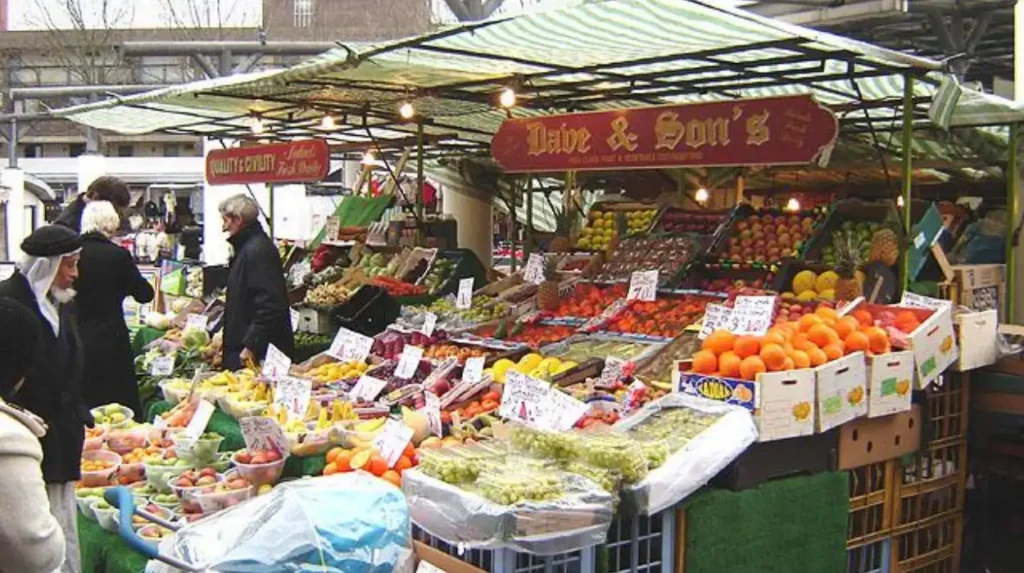
Fresh produce is one of its traditional attractions.
Fruit and vegetable traders provide everyday groceries for local households. Shoppers find seasonal produce and ingredients used in different cooking traditions.
Clothing retailers provide another important part of the market’s commercial offer. These businesses sell everyday garments, fashion accessories and practical clothing products.
Household retailers supply products used in domestic settings. Examples include bedding, linens, kitchen essentials and general household accessories.
Independent businesses also contribute to the area’s character. Small retailers provide specialist products and services that complement the larger shopping offer.
The surrounding commercial streets extend the available choice beyond the central market stalls. Visitors encounter convenience shops, personal services, beauty businesses and other neighbourhood retailers.
The mix changes as businesses open, relocate or close. Checking the current market directory before travelling helps visitors identify specific retailers and avoid relying on outdated business listings.
The market is particularly suitable for visitors who enjoy exploring independent shops and observing how traditional neighbourhood retail operates in London.

What Fresh Food and Grocery Products Are Available at Chrisp Street Market?
Fresh food is an important part of Chrisp Street Market’s traditional shopping identity. Visitors find fruit and vegetable stalls, grocery retailers, specialist food shops and everyday ingredients serving the surrounding Poplar community and wider East London neighbourhood.
Fresh produce trading remains one of the market’s most recognisable activities.
Fruit and vegetable stalls provide ingredients for everyday meals. Their products support shoppers looking for fresh groceries without visiting a large supermarket.
The selection includes different types of seasonal fruit and vegetables. Availability depends on individual traders, supply conditions and the time of year.
Visitors interested in cooking can explore the market for ingredients associated with British and international cuisines.
Tower Hamlets has a diverse population, and its neighbourhood food businesses reflect different culinary traditions. This diversity contributes to the variety of grocery products available across local shopping streets.
Visitors should distinguish between the central market stalls and the wider area’s permanent food retailers. Some businesses operate throughout the week, while individual market traders follow their own trading schedules.
For travellers staying in self-catering accommodation, the market provides an opportunity to purchase everyday ingredients.
Food shopping also offers a practical way to experience the commercial character of Poplar. The market remains connected to residents’ daily routines rather than functioning solely as a visitor attraction.
Where Can Visitors Eat at Chrisp Street Market?
Chrisp Street Market provides access to traditional East End food, independent cafés, takeaway outlets and international cuisine. Visitors can explore local pie and mash traditions alongside everyday meals, snacks, hot drinks and food businesses reflecting Poplar’s multicultural community.
Food is an important part of the Chrisp Street shopping experience.
The market’s traditional connection with East End cuisine remains particularly visible through pie and mash establishments. Pie and mash is a traditional London meal consisting of a meat pie, mashed potatoes and, in many establishments, parsley liquor.
This dish has strong historical associations with working-class London food culture. Traditional pie and mash shops remain part of the wider East End’s culinary identity.
The surrounding market area also includes cafés and independent food outlets. These businesses provide places to stop during a shopping visit.
Visitors encounter different food traditions across Tower Hamlets. Poplar’s commercial environment reflects the area’s diverse communities and changing food culture.
Chinese and Indian food are among the traditions represented in the wider Chrisp Street food offer.
Cafés also provide opportunities for refreshments. Coffee, tea and light meals make the shopping area suitable for a short break.
Food availability varies between businesses. Visitors looking for a particular dish should check current menus and opening arrangements before travelling.
For a more complete food experience, visitors can combine a Chrisp Street visit with other East London food destinations.
The wider borough includes Brick Lane, Whitechapel and other neighbourhoods known for independent restaurants, traditional food businesses and international cuisine.
What Architectural Attractions Should Visitors See at Chrisp Street Market?
Chrisp Street Market contains important examples of post-war British architecture. Its pedestrianised shopping precinct, central square, landmark clock tower and surrounding buildings demonstrate the Festival of Britain design principles associated with architect Frederick Gibberd.
Architecture is one of the features that distinguishes Chrisp Street Market from many traditional London street markets.
The shopping precinct was designed as part of the Lansbury Estate development. Its layout combined retail buildings, residential accommodation and public spaces.
The pedestrianised square provides the main focus of the shopping area. It separates the central market environment from surrounding vehicle routes and creates space for public movement.
The clock tower is the most recognisable architectural feature.
Designed by Frederick Gibberd, the tower was completed in 1951–52. Its modern design reflects the architectural style associated with the Festival of Britain.
Historic England identifies the tower as a Grade II listed structure. Listed status provides legal protection for buildings and structures recognised as having special architectural or historical interest.
The surrounding buildings also contribute to the area’s architectural character.
Market Way and the adjoining shopping blocks reflect post-war planning approaches. Residential accommodation above commercial premises demonstrates how the development combined housing and shopping within one neighbourhood centre.
Visitors interested in architecture should spend time observing the relationship between the market square, shops, pedestrian routes and residential buildings.
The area also belongs to the wider Lansbury Conservation Area, which protects the distinctive character of important post-war development.
How Can Visitors Reach Chrisp Street Market by Public Transport?
Visitors can reach Chrisp Street Market using the Docklands Light Railway and local London bus services. All Saints DLR station is the closest station, while Poplar and Blackwall provide alternative connections across East London.
Public transport is the most practical way to reach Chrisp Street Market.
All Saints DLR station provides the closest rail connection. The Docklands Light Railway connects the area with Canary Wharf, Stratford, the City of London and other Docklands destinations.
From All Saints station, visitors can walk towards the market through the surrounding Poplar streets.
Poplar DLR station provides another option. It connects passengers with different parts of the Docklands network.
Blackwall DLR station also provides access from the eastern side of the market district.
Visitors travelling from central London can connect with the DLR through interchange stations such as Bank, Tower Gateway and Stratford.
Canary Wharf provides additional connections through the Jubilee line and Elizabeth line.
Local buses provide another way to reach the shopping area. Services serving the market vicinity include routes 15, 108, 115, 309, D6, D7 and D8.
Night bus services also operate in the wider area, including N15 and N551.
Visitors should check current routes, service changes and journey times through Transport for London before travelling.
Cycling is another option for people exploring East London. Local streets connect Poplar with the wider Docklands and Canary Wharf cycling network.
Walking from nearby destinations is also practical. Visitors exploring Canary Wharf can include Chrisp Street Market in a wider East London walking itinerary.
What Is the Best Time to Visit Chrisp Street Market?
Chrisp Street Market operates as a weekday and Saturday shopping destination, with the local council listing its traditional market opening hours as Monday to Saturday, 8am to 6pm. Individual businesses follow their own schedules.
The best time to visit depends on the shopping experience visitors want.
Morning visits provide opportunities to explore fresh produce stalls and everyday grocery businesses. This period suits visitors interested in traditional market trading.
Late morning and lunchtime provide opportunities to combine shopping with refreshments. Cafés and food outlets serve visitors and local workers throughout the day.
Afternoons provide additional time to explore independent retailers and the surrounding commercial streets.
The market’s pedestrianised layout makes it suitable for walking between different shopping areas.
Visitors planning a weekend trip should remember that Saturday is a traditional market trading day.
Sunday requires additional planning because the London Borough of Tower Hamlets lists Chrisp Street’s traditional market trading days as Monday to Saturday.
Individual shops, cafés and restaurants follow separate business hours. Their opening arrangements do not necessarily match the council’s market schedule.
Public holidays and special events also affect trading arrangements.
Visitors should check the official Chrisp Street website and the Tower Hamlets market information before travelling.
Checking opening hours is particularly important when planning a short visit around a specific retailer, restaurant or market stall.
What Makes Chrisp Street Market Different from Other East London Markets?
Chrisp Street Market stands out because it combines traditional street trading with a purpose-built post-war pedestrian shopping precinct. Its architecture, community role, independent businesses and everyday retail services distinguish it from other East London markets.
East London contains several historic markets, each with its own commercial identity.
Chrisp Street differs from destinations such as Brick Lane, Columbia Road and Roman Road because of its architectural design and neighbourhood shopping function.
Brick Lane is widely associated with vintage retail, independent fashion, food businesses and its historic street market.
Columbia Road is particularly recognised for its flower market and specialist independent shops.
Roman Road Market provides another traditional East London shopping experience, with market stalls serving local residents and visitors.
Chrisp Street combines elements of traditional street trading with permanent commercial buildings and pedestrianised public space.
Its central square provides a recognisable meeting point. The surrounding shopping premises support everyday retail and community services.
The market also retains a strong connection with Poplar’s residential population.
Visitors encounter a working neighbourhood where residents purchase groceries, household products and everyday essentials.
This makes the market relevant to people interested in understanding the social and commercial structure of East London.
Its architectural heritage also provides a separate attraction. The combination of the clock tower, market square and Festival of Britain buildings creates an environment with recognised historical importance.
What Local Cultural Experiences Can Visitors Enjoy Around Chrisp Street Market?
Chrisp Street Market provides opportunities to experience Poplar’s multicultural community, traditional East End food and independent local businesses. Its surrounding public spaces, shops, cafés and community facilities demonstrate the area’s continuing social and cultural identity.
Poplar forms part of one of London’s most culturally diverse boroughs.
Tower Hamlets has a long history of migration, international trade, dock employment and changing residential communities.
These influences remain visible throughout the local shopping environment.
Food businesses provide one of the clearest examples. Different cuisines and specialist grocery products reflect the communities living and working across the borough.
Independent shops also contribute to the area’s identity. Their products and services reflect local shopping habits and commercial requirements.
The market square provides space for everyday social interaction. Residents use the shopping area for errands, refreshments and informal meetings.
The surrounding area also contains community facilities and educational services.
The Chrisp Street neighbourhood is closely connected with the Idea Store Chrisp Street, a local learning and library facility that provides access to educational resources and community activities.
Visitors interested in local culture should also explore the surrounding residential streets.
The Lansbury Estate demonstrates the relationship between housing, public services and commercial planning in post-war East London.
A visit therefore provides more than a conventional shopping experience. It offers an opportunity to understand how local markets contribute to neighbourhood identity.
Are There Other Attractions Near Chrisp Street Market?
Chrisp Street Market is well positioned for exploring other East London destinations. Visitors can combine shopping with trips to Canary Wharf, Limehouse, the historic Docklands, local parks and cultural attractions throughout Tower Hamlets.
The market’s location makes it suitable for a wider East London itinerary.
Canary Wharf is one of the closest major destinations. Its commercial district contains modern shopping centres, restaurants, public art and waterfront spaces.
Visitors can explore the contrast between Canary Wharf’s contemporary architecture and Chrisp Street’s post-war shopping precinct.
The nearby Docklands area also provides opportunities to learn about London’s maritime and industrial history.
The Museum of London Docklands is located at West India Quay. Its exhibitions explain the development of the River Thames trade, the Port of London and the surrounding Docklands communities.
Limehouse offers another option for visitors interested in historic waterways and architecture.
Its canalside environment provides opportunities for walking and photography.
Poplar also has access to local green spaces and public recreation areas. Visitors can include nearby parks in a walking itinerary.
The wider borough contains additional destinations, including Whitechapel, Bethnal Green and Brick Lane.
These locations provide access to museums, markets, independent retailers and restaurants.
A practical itinerary starts at Chrisp Street Market, continues towards Canary Wharf and finishes with a visit to the Docklands waterfront.
This approach combines neighbourhood shopping, architectural interest and contemporary London attractions within one trip.
Is Chrisp Street Market Suitable for Families and International Visitors?
Chrisp Street Market is suitable for families, international visitors and independent travellers interested in accessible neighbourhood shopping. Its pedestrianised environment, food outlets, everyday retail businesses and nearby public transport connections support a straightforward local shopping visit.
The pedestrianised shopping area provides a useful environment for visitors exploring with children.
The central square separates much of the shopping activity from surrounding vehicle routes. Families can walk between market stalls, shops and food outlets.
Parents should still supervise children around entrances, service routes and busier sections of the surrounding streets.
The market also provides opportunities for visitors interested in affordable shopping.
Fresh produce stalls, independent retailers and household shops offer alternatives to major commercial shopping centres.
International visitors can experience a different side of London retail culture.
Rather than focusing on major tourist attractions, Chrisp Street provides insight into everyday neighbourhood shopping.
The food offer also introduces visitors to different culinary traditions represented across Tower Hamlets.
For international travellers, the market is accessible through London’s integrated public transport network.
Visitors can use contactless payment cards or compatible mobile payment methods on many Transport for London services.
Those travelling from overseas should check their bank’s foreign transaction arrangements before using payment cards.
Visitors with mobility requirements should check individual shop access and current pedestrian routes. The market’s pedestrianised layout assists movement, although surface conditions and access arrangements differ between buildings.
Families can combine shopping with nearby attractions to create a longer day in East London.
How Is Chrisp Street Market Changing Through Regeneration?
Chrisp Street Market remains an important focus of regeneration in Poplar. Current development proposals and improvement programmes aim to support local businesses, improve the public environment and maintain the market’s community identity.
Regeneration refers to the planned improvement of an existing neighbourhood through investment in buildings, public spaces, housing and local economic activity.
Chrisp Street has been part of several regeneration initiatives.
The London Borough of Tower Hamlets has supported projects designed to improve local markets and encourage community participation.
The Mayor of London’s Portas Pilot Initiative previously provided £99,000 towards market improvements, with an additional £88,000 contributed by the council.
These projects focused on supporting traders, diversifying market activities and encouraging community involvement.
Poplar HARCA, a housing association operating in Poplar, has also played an important role in local development.
The wider regeneration process involves balancing new investment with the area’s established architectural and social character.
The market’s historical significance creates particular planning considerations.
The Grade II listed clock tower has recognised heritage protection. The surrounding Lansbury Conservation Area also provides a planning framework for protecting important architectural features.
Future development therefore involves more than introducing new buildings.
It requires consideration of existing businesses, housing, pedestrian movement, public spaces and local heritage.
For visitors, regeneration influences the shopping environment over time. New retailers, public-space improvements and community events contribute to the area’s changing commercial offer.
Visitors planning trips should check current development notices and access arrangements when construction work affects particular sections.
Explore More Area Guide
Canary Wharf Attractions: Best Things to Do in East London
Worst London Boroughs for Food Hygiene Ratings Revealed (London, 2026)
How Can Visitors Plan a Complete Shopping Visit to Chrisp Street Market?
Visitors can plan an effective Chrisp Street Market visit by checking trading hours, choosing suitable public transport, exploring the central market square and allowing time for food, independent shops and nearby architectural attractions.
A successful visit starts with checking the market’s current opening arrangements.
Monday to Saturday is the traditional market trading schedule published by Tower Hamlets Council.
Visitors should plan their journey using All Saints DLR station or the local bus network.
Starting at the central market square provides a convenient introduction to the shopping area.
The clock tower offers an identifiable landmark and a useful meeting point.
Visitors can then explore the fruit and vegetable stalls before moving towards clothing retailers, household shops and independent businesses.
A food break provides an opportunity to experience traditional East End dishes or explore the area’s international food offer.
Visitors interested in architecture should spend additional time observing the market buildings and surrounding Lansbury Estate.
Photography is suitable in public areas, provided it does not obstruct traders or shoppers. Visitors should ask permission before photographing individuals or private business interiors.
Those interested in a longer outing can continue towards Canary Wharf or the Museum of London Docklands.
Allowing approximately one to two hours provides a reasonable starting point for a general market visit. Visitors combining shopping, food and nearby attractions should allow additional time.
Checking business listings before departure helps identify specific shops and food outlets.
Why Should Chrisp Street Market Be Included in an East London Visit?
Chrisp Street Market deserves a place on an East London itinerary because it combines traditional shopping, independent businesses, local food, community culture and important post-war architecture within one accessible Poplar destination.
Chrisp Street Market represents an important part of East London’s commercial and architectural history.
Its origins as a Victorian street market connect the area with the long tradition of neighbourhood trading.
Its post-war redevelopment introduced a pedestrianised shopping precinct that influenced British town-centre planning.
The Festival of Britain connection gives the market additional historical significance. The clock tower and surrounding buildings remain important examples of modern architectural design.
The retail environment also provides a practical shopping experience.
Visitors find fresh produce, clothing, household products, independent retailers and everyday services.
Food outlets introduce traditional East End dishes and international cuisines associated with the borough’s diverse population.
The market’s location supports wider exploration. Visitors can connect their shopping trip with Canary Wharf, Limehouse and the historic Docklands.
For tourists, Chrisp Street provides an opportunity to explore an established neighbourhood beyond London’s most heavily promoted visitor attractions.
For local residents, it continues to serve an everyday commercial and social function.
Its importance comes from the relationship between shopping, architecture, heritage and community life.
Chrisp Street Market remains a distinctive destination within Tower Hamlets and an important part of the wider East London experience.
Where is Chrisp Street Market located?
Chrisp Street Market is located in Poplar, within the London Borough of Tower Hamlets, East London. Its postcode is E14 6AQ.