Key Points:
- New research compiled by Cairn Catering Engineers reveals that 302 food businesses across London currently hold a food hygiene rating of zero.
- The analysis indicates that 5.7 per cent of all rated food establishments in the capital scored a rating of two or below.
- The study is based on official Food Standards Agency (FSA) data updated as of October 27, 2026.
- Boroughs such as Newham, Ealing, and Waltham Forest have recorded among the highest proportions of low food hygiene scores across London.
London (East London Times) October 31, 2026 — Londoners across specific local authorities may need to check official hygiene compliance records before dining out, following new research revealing that hundreds of commercial food venues have received the lowest possible cleanliness scores.
What Do the Latest Food Hygiene Figures Reveal About London Businesses?
As reported by data analysts at Cairn Catering Engineers, figures compiled from official Food Standards Agency (FSA) records updated on October 27, 2026, demonstrate that 302 food establishments across London are operating with a zero hygiene rating. The comprehensive dataset shows that 5.7 per cent of all registered and inspected food businesses across the capital hold a score of two or below, marking them as failing to meet basic structural or operational standards.
Which London Boroughs Record the Highest Share of Low Ratings?
According to findings detailed by researchers at Cairn Catering Engineers, specific areas in East, West, and North-East London have emerged with the highest concentrations of low scores. As noted in the study, local authority areas including Newham, Ealing, and Waltham Forest possess among the largest shares of businesses failing to achieve satisfactory hygienic marks.
Background of London Food Hygiene Inspection Systems
The Food Hygiene Rating Scheme (FHRS) in England, Wales, and Northern Ireland is operated by local authorities in partnership with the Food Standards Agency (FSA). Environmental health officers conduct unannounced inspections of restaurants, cafes, takeaways, supermarkets, and other food outlets to evaluate compliance across three core criteria:
- Hygienic Food Handling: Preparation, cooking, re-heating, cooling, and storage practices.
- Physical Condition of Facilities: Cleanliness, layout, lighting, ventilation, pest control, and structure of the premises.
- Management of Food Safety: Systems, documentation, and staff training to ensure safety standards are maintained.
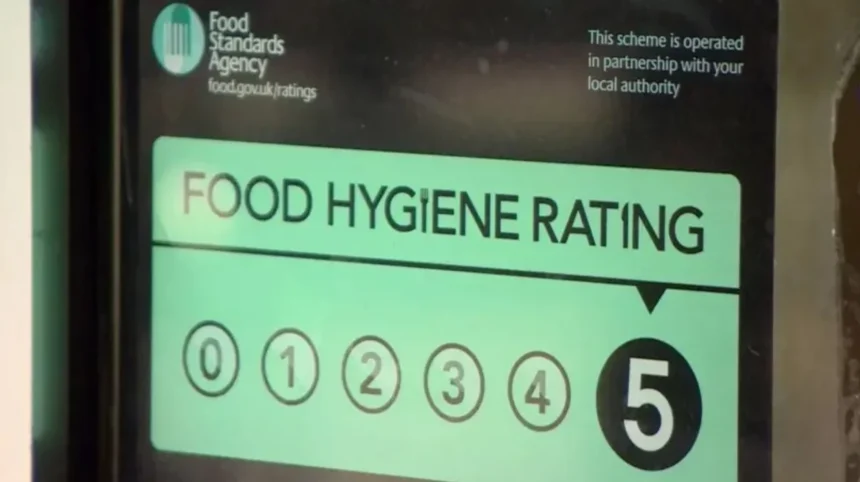
Ratings range from 5 (very good) down to 0 (urgent improvement necessary). A rating of two indicates that improvement is necessary, one means major improvement is necessary, and zero indicates urgent improvement is required. While display of the green-and-black rating sticker is legally mandatory at food premises in Wales and Northern Ireland, display in England remains voluntary for business owners, meaning consumers in London often rely on online FSA databases to verify local scores.
What Does This Development Mean for London Consumers and Local Businesses?
This latest analysis impacts both consumers and commercial operators across the capital in several key ways:
Impact on Consumers
For residents and visitors across London, particularly within high-density council areas like Newham, Ealing, and Waltham Forest, the figures highlight potential public health risks associated with uninspected or poorly rated venues. Increased awareness of these statistics may lead consumers to inspect online FSA registers more frequently before purchasing meals, shifting footfall away from failing businesses toward fully compliant establishments.
Impact on Food Businesses
For food premises currently holding low ratings, public exposure of council-wide hygiene data presents severe operational and reputational risks. Establishments rated two or below face heightened scrutiny from local council environmental health departments, which can issue formal improvement notices, prohibition orders, or emergency closures until standards are elevated. Additionally, low scores frequently lead to loss of revenue and exclusion from online food delivery aggregators that mandate minimum safety ratings for listed partners.