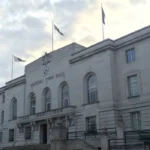
The London Borough of Tower Hamlets spans 19.77 square kilometres and houses over 331,000 residents, yet tourist activity concentrates heavily on the Tower of London, Tower Bridge, and Canary Wharf. Beyond these global icons, residential and industrial quarters hold significant historical and cultural depth.
- Where can visitors find lesser-known green spaces and urban nature reserves in the borough?
- What alternative cultural venues and independent museums exist outside the primary tourist circuit?
- Which local food markets and independent culinary hubs reflect the diverse heritage of East London?
- What work-friendly local hubs and quiet spaces suit digital nomads and business travellers maximizing downtime?
Bow, situated in the eastern sector of the borough, preserves a distinct village atmosphere centred around Bow Road and the Roman Road Market. Roman Road operates as one of London’s oldest thoroughfares, trading continuously since the mid-nineteenth century. This market serves local communities rather than international tourists, offering textiles, fresh produce, and household goods.
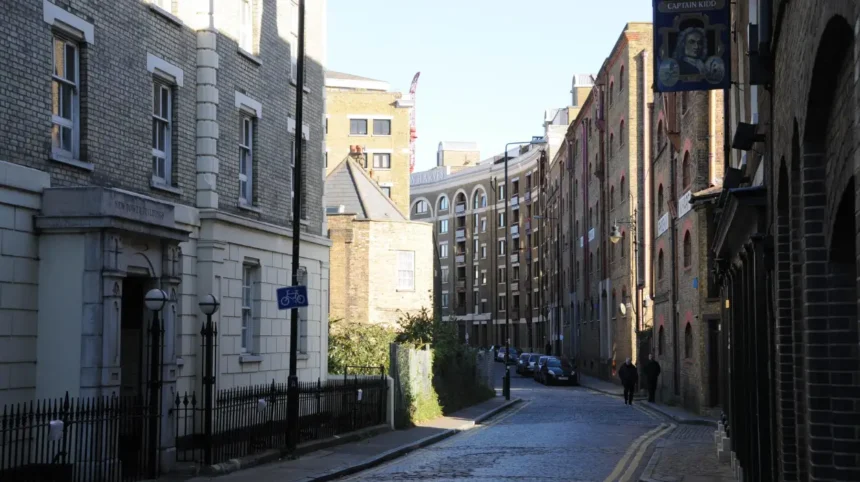
Further south, Wapping hugs the northern bank of the River Thames. Historically defined by maritime trade and dock warehousing, Wapping features narrow cobblestone streets, converted nineteenth-century spice warehouses, and centuries-old riverside pubs such as the Prospect of Whitby, established in 1520.
Adjacent to Wapping, Limehouse traces the Regent’s Canal as it meets the Thames at Limehouse Basin. This area formed the original core of London’s historic Chinese community during the nineteenth century before shifting demographics transformed it into a residential haven. Walking paths along the Limehouse Cut and the Regent’s Canal offer uninterrupted pedestrian access through industrial heritage sites. As you explore the modern site, you are crossing land with a deep heritage. Read about the full [Insert Anchor Text for History Article Here] to understand its origins.
Where can visitors find lesser-known green spaces and urban nature reserves in the borough?
Tower Hamlets Cemetery Park, Mile End Park, and Mudchute Park and Farm offer extensive ecological diversity, native woodlands, and community-managed agricultural spaces hidden within a densely urbanised borough.
While Victoria Park attracts millions of annual visitors as the borough’s premier Victorian park, smaller green infrastructure projects deliver specialized ecological and recreational value. Tower Hamlets Cemetery Park, designated a Local Nature Reserve and a Metropolitan Open Land, spans 11 hectares in Bow. Established in 1841 as one of London’s magnificent seven private cemeteries, it now functions as a protected woodland and wildlife sanctuary supporting rare species of flora, fungi, and invertebrates.
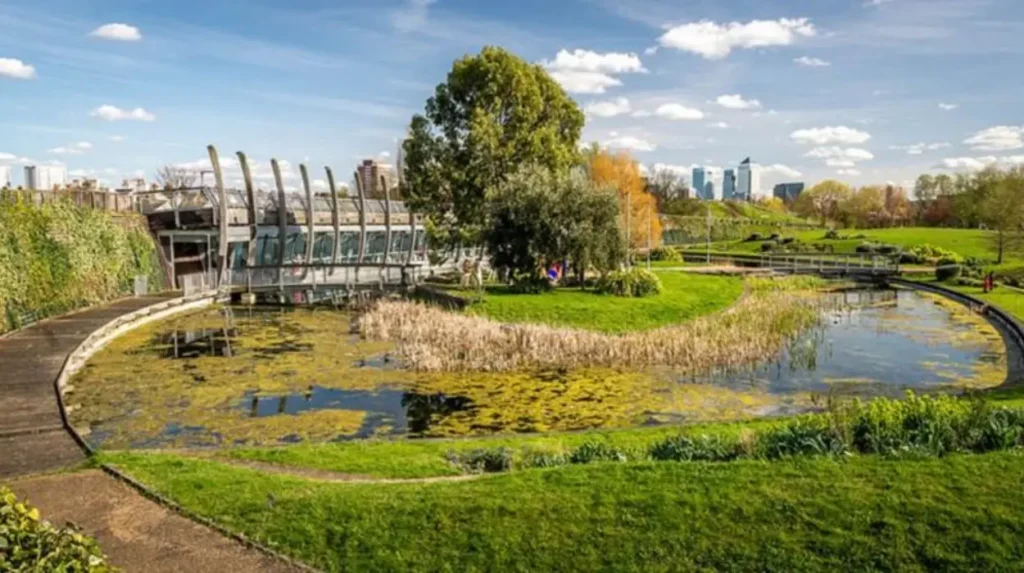
Mile End Park stretches across 32 hectares along a linear corridor parallel to the Regent’s Canal. Created on land heavily bombed during the Second World War, the park utilizes ecological design principles. It features distinct zones including an Earth Centre, an arts park, a wildlife habitat pond, and wind turbines generating local renewable energy.
On the Isle of Dogs, Mudchute Park and Farm spans 13 hectares, representing one of the largest inner-city farms in Europe. Operated as a registered charity, it maintains pastures, conservation areas, and farm livestock including rare British breeds of sheep, pigs, cattle, and goats. These green spaces provide vital ecosystem services, mitigating urban heat island effects while offering accessible outdoor recreation for local residents and informed travelers.
What alternative cultural venues and independent museums exist outside the primary tourist circuit?
The Museum of London Docklands, Dennis Severs’ House, and the Whitechapel Gallery deliver specialized insights into maritime trade, Huguenot domestic history, and contemporary visual arts without mainstream congestion.
Cultural exploration in Tower Hamlets extends far beyond national institutions. The Museum of London Docklands, housed within a Grade I listed early-nineteenth-century sugar warehouse at West India Quay, documents 400 years of river, port, and immigrant history. Permanent galleries detail the transatlantic slave trade, the development of the docklands, and the Blitz, drawing upon extensive archival collections from the Port of London Authority.
In Spitalfields, Dennis Severs’ House at 18 Folgate Street offers an immersive sensory museum experience. Created by the late artist Dennis Severs, the Georgian terraced house is styled as though its fictitious Huguenot silk-weaver family had just stepped out of rooms. Visitors tour the house in absolute silence, observing candlelit chambers, period furnishings, and domestic artifacts dating from 1724 to the early twentieth century.
The Whitechapel Gallery, founded in 1901, operates as a pioneering public art gallery dedicated to showcasing modern and contemporary art. Located on High Street Whitechapel, the institution introduced Pablo Picasso’s Guernica to British audiences in 1939. Today, it hosts rotating international exhibitions, educational residencies, and community art projects, anchoring the borough’s contemporary creative sector.
Explore More Area Guide
Tower Hamlets Markets, Museums, Parks and History 2026
Best Thames Attractions in Tower Hamlets: East London Guide 2026
Which local food markets and independent culinary hubs reflect the diverse heritage of East London?
Spitalfields Historic Market, Columbia Road Flower Market, and Brick Lane’s independent eateries offer hyper-local culinary traditions, organic street food, and specialized international gastronomy shaped by successive immigrant communities.
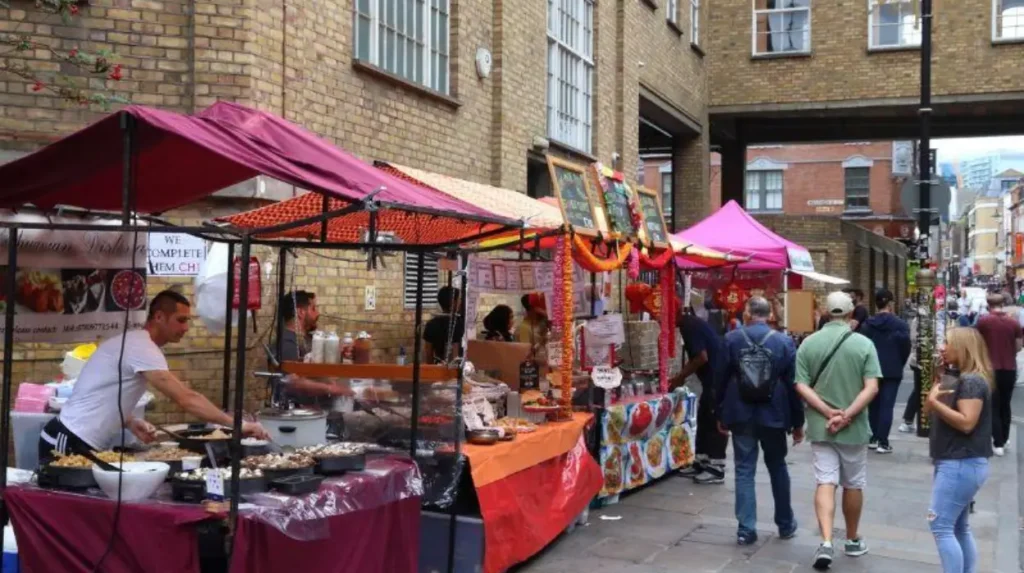
Food culture in Tower Hamlets mirrors its demographic evolution. Old Spitalfields Market, operating on its current site since 1876, balances preserved Victorian ironwork architecture with modern independent food stalls and artisan traders. The market accommodates over 40 food traders offering global cuisines, alongside independent fashion and design boutiques.
On Sundays, Columbia Road transforms into a vibrant horticultural market. Victorian flower sellers line the street from 8:00 AM to 3:00 PM, trading bedding plants, mature shrubs, and house plants alongside surrounding independent art galleries, bakeries, and antique shops.
Brick Lane and its surrounding side streets represent a historical nexus for culinary entrepreneurship. Initially settled by Irish weavers in the eighteenth century, followed by Jewish tailors in the nineteenth and twentieth centuries, and Bangladeshi restaurateurs from the mid-twentieth century onward, the corridor sustains diverse culinary traditions. Specialized bagel shops operating twenty-four hours a day sit adjacent to contemporary independent coffee roasters and Bangladeshi curry houses, illustrating the layered immigrant history of the East End.
What work-friendly local hubs and quiet spaces suit digital nomads and business travellers maximizing downtime?
Idea Store Whitechapel, Canary Wharf’s public indoor winter gardens, and independent workspace cafés provide high-speed connectivity, ergonomic workstations, and quiet professional environments.
Digital nomads and business travellers seeking productive environments outside traditional hotel rooms can utilize public and private infrastructure across Tower Hamlets. The Idea Store Whitechapel, designed by architect David Adjaye, redefines civic library spaces. It provides extensive public computer access, high-speed wireless networks, silent study desks, and panoramic rooftop views over central London, operating under free community access models.
Canary Wharf, primarily recognized as a global financial district, incorporates publicly accessible indoor and outdoor spaces designed for remote work. The Crossrail Place Roof Garden, housed beneath a timber lattice roof structure, features subtropical plants, walking pathways, and sheltered seating areas equipped with wireless internet access.
Independent work-friendly cafés are concentrated around Bethnal Green and Shoreditch fringe areas. Establishments such as Ozone Coffee Roasters on Leonard Street and Origin Coffee at Canada Square Park offer commercial-grade Wi-Fi connectivity, power access, and specialty third-wave coffee. These locations allow business travellers to integrate remote work routines while experiencing the local commercial architecture and operational tempo of East London.
What are the best hidden places to visit in Tower Hamlets away from major tourist attractions?
Bow, Wapping, and Limehouse offer some of the best off-grid experiences in Tower Hamlets, featuring historic streets, riverside walks, local markets, and preserved industrial heritage away from crowded attractions.
Visitors can explore Roman Road Market in Bow, cobbled riverside lanes in Wapping, and canal-side paths around Limehouse Basin. These areas reveal authentic East London culture, local communities, and architectural history beyond famous destinations like the Tower of London and Canary Wharf.