Tower Hamlets is one of East London’s most diverse visitor destinations, combining historic markets, major museums, extensive green spaces, riverside landmarks and internationally recognised heritage sites. Its attractions connect the medieval Tower of London with Docklands, Victorian parks, immigrant communities and modern Canary Wharf.
- What makes Tower Hamlets important for visitors?
- Which markets should visitors explore in Tower Hamlets?
- How can visitors connect Tower Hamlets markets with East End history?
- Which museums are essential for understanding Tower Hamlets?
- What historic landmarks should visitors see in Tower Hamlets?
- Which parks are best for green space in Tower Hamlets?
- How can visitors combine parks, museums and markets in one day?
- What makes Tower Hamlets suitable for families and leisure travellers?
- How useful is Tower Hamlets for digital nomads and business travellers?
- Why is Tower Hamlets historically important to London?
- What should visitors know before exploring Tower Hamlets?
- How does Tower Hamlets combine heritage with future urban development?
Tower Hamlets occupies a strategically important part of East London between the City of London and the River Thames. The borough includes neighbourhoods such as Whitechapel, Spitalfields, Bethnal Green, Stepney, Bow, Poplar, Limehouse, Wapping, Canary Wharf and the Isle of Dogs. Its geography explains much of its character. The Thames, historic docks, railway infrastructure, commercial streets and residential districts have all shaped how the area developed.
The borough is particularly useful for visitors who want to combine several types of attraction within one trip. A morning can focus on a historic market, an afternoon on museum collections and an evening around the riverside or Docklands. The same geography also makes Tower Hamlets suitable for residents, digital nomads and business travellers seeking cultural attractions during limited free time.
Tower Hamlets Council describes the borough as the heart of the East End and identifies a substantial collection of ancient and modern attractions. Evidence of human activity in the area extends back thousands of years, while the modern landscape reflects successive periods of port activity, immigration, industrialisation, redevelopment and financial growth.
What makes Tower Hamlets important for visitors?
Tower Hamlets brings markets, museums, parks and historic landmarks together across a compact part of East London. Visitors can experience maritime history, multicultural communities, Victorian urban development, royal heritage and modern regeneration within the same borough.
The borough’s visitor appeal comes from its layered geography. The western edge includes the Tower of London and historic streets around Whitechapel and Spitalfields. Central districts contain markets, cultural venues and large public parks. Further east and south, the former docks provide museums, waterside walks and modern commercial districts.
This creates a strong cultural route rather than a single attraction-based destination. Visitors can move from Whitechapel Market to historic religious and civic sites, continue towards Brick Lane and Spitalfields, then travel towards the Docklands waterfront.
Tower Hamlets also has a strong connection with migration. Brick Lane, for example, reflects successive French Huguenot, Jewish and Bangladeshi communities. The street therefore represents more than a shopping destination. It provides physical evidence of the changing social geography of the East End.
The borough’s relationship with the River Thames is equally important. Docklands transformed London’s commercial geography by providing enclosed docks for international trade. The former West India Docks now sit beside Canary Wharf, where a major international financial district occupies land once dominated by warehouses, ships and dock labour.
This combination of heritage and modern development gives Tower Hamlets unusually high semantic relevance for searches involving East London markets, museums, parks, history, culture and things to do.
Which markets should visitors explore in Tower Hamlets?
Tower Hamlets has ten recognised street markets, including Brick Lane, Columbia Road, Chrisp Street, Roman Road, Whitechapel and Watney Market. Each serves a different purpose, from flowers and food to clothing, household goods and specialist products.
Markets form one of the strongest parts of the Tower Hamlets visitor experience. The council identifies ten street markets across the borough, including Brick Lane, Bethnal Green Road, Chrisp Street, Columbia Road, Petticoat Lane, Roman Road, Roman Road Square, Sclater Street, Watney Market and Whitechapel Market.
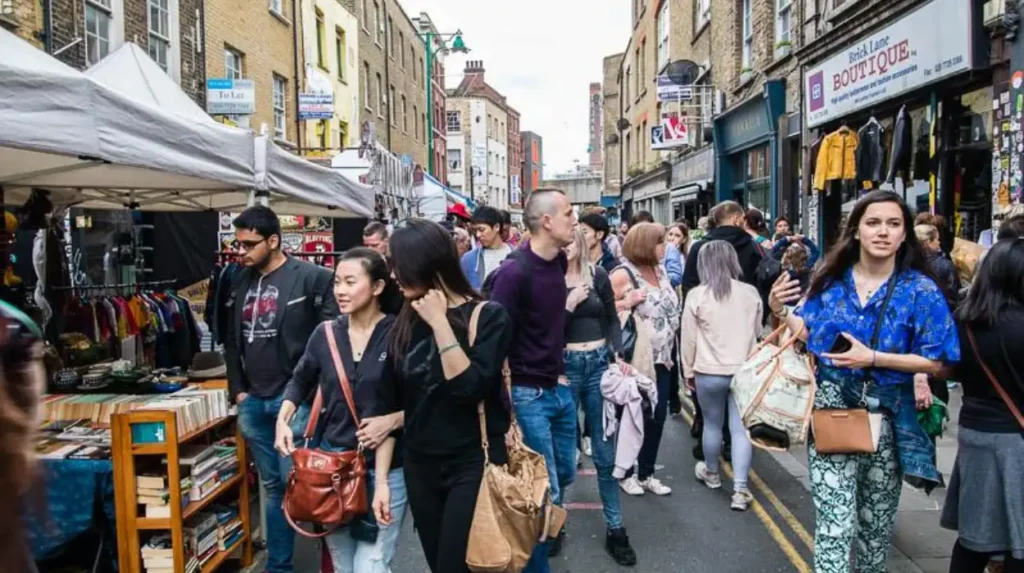
Brick Lane Market operates on Sundays and combines fashion, food, art, jewellery, retro goods and other products. Tower Hamlets Council states that the market’s history dates to 1888. Brick Lane also occupies an important place in the history of the East End’s French Huguenot, Jewish and Bangladeshi communities.
Columbia Road is distinctive because its principal focus is flowers and plants. Its character differs from general merchandise markets, making it particularly relevant for visitors interested in horticulture, street photography and traditional London market culture.
Whitechapel Market runs along Whitechapel Road and provides fresh fruit, vegetables, spices, fashion, cultural clothing and jewellery. Its location connects the market with one of East London’s most historically significant neighbourhoods.
Chrisp Street Market serves Poplar and occupies a pedestrianised setting. The council dates the market’s origins to the Victorian period. Its stalls include fruit and vegetables, clothing, household products and food businesses.
Roman Road Market operates on Tuesdays, Thursdays and Saturdays. The council describes Roman Road as part of one of England’s oldest known trade routes. The market includes clothing, household goods, toys, cosmetics and jewellery, alongside food stalls.
Roman Road Square, also known as Globe Town Market, has connections with the growth of silk weaving in Bethnal Green. The square was established in 1800 to serve a growing local population.
Petticoat Lane operates around streets including Wentworth Street and has a long association with clothing and street trading. Its weekday food market provides another option for visitors exploring the Aldgate and Whitechapel area.
Market opening times change, particularly around public holidays and special events. Visitors should check the current council market information before travelling.
How can visitors connect Tower Hamlets markets with East End history?
Tower Hamlets markets are historical institutions as well as shopping destinations. Their locations reflect migration, trade, local food systems and working-class neighbourhood development, allowing visitors to connect present-day street commerce with centuries of East End history.
Markets developed because local communities needed accessible places to buy food, clothing and household products. Their continued presence demonstrates the importance of street commerce in densely populated urban districts.
Brick Lane is particularly important because its social history reflects successive migration. The street’s changing communities influenced food, religion, architecture, language and business. The market therefore sits within a much broader cultural landscape.
Roman Road provides another historical connection. Its location follows an ancient route, while the market continues the area’s commercial function. The modern stalls therefore occupy a corridor with a long relationship with movement and trade.
Whitechapel similarly connects commerce with migration. Its proximity to the City of London, historic hospitals, religious buildings and residential streets made the area an important gateway for different communities.
As you explore the modern market streets, you are crossing land with a deep heritage. Read about the full to understand its origins.
The relationship between history and markets is important for semantic search because terms such as East End, migration, street markets, trade, food culture, Whitechapel, Brick Lane and Roman Road describe interconnected aspects of the same geographical story.
Which museums are essential for understanding Tower Hamlets?
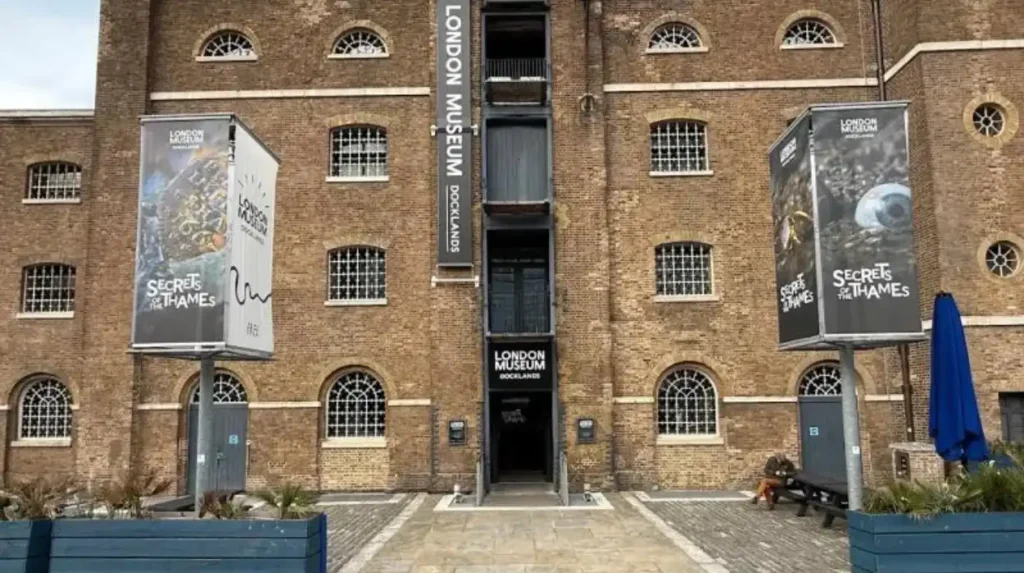
London Museum Docklands is the borough’s leading museum for understanding the River Thames, port history, trade and Docklands communities. Its free permanent galleries occupy the historic Grade I-listed No. 1 Warehouse at West India Quay.
London Museum Docklands is central to any heritage-focused Tower Hamlets itinerary. The museum occupies No. 1 Warehouse at West India Quay, a surviving building from the West India Docks.
The West India Docks opened in 1802 and formed London’s first enclosed dock system. The warehouse originally stored valuable imported commodities including sugar, rum and tea.
The museum uses this historic setting to explain London’s relationship with the river, international trade and port communities. Its permanent galleries include subjects covering trade expansion, London, sugar and slavery, Victorian Sailortown and the Great Port.
The museum’s permanent galleries are free to visit. Current visitor information lists opening hours as 10am to 5pm daily, with last admission at 4.30pm, although visitors should check the museum’s official information before travelling because temporary arrangements change.
The building itself is part of the museum experience. Visitors are not simply entering a modern exhibition space. They are entering a surviving component of the historic dock system.
The museum also addresses difficult subjects. Its interpretation of sugar and slavery demonstrates how London’s commercial prosperity was connected to global systems of forced labour, colonial trade and commodity production.
For families, the museum includes Mudlarks, a dedicated family gallery. Its accessible facilities also make it relevant to visitors who need step-free routes or additional access support.
The museum is especially useful for understanding why Canary Wharf looks so different from the industrial Docklands of the nineteenth and twentieth centuries. The surrounding landscape represents the transition from working docks to a major commercial district.
What historic landmarks should visitors see in Tower Hamlets?
The Tower of London is the borough’s most internationally recognised historic landmark, while Tower Bridge, St Katharine Docks, historic streets, churches and surviving dock structures expand the heritage experience across the riverside and East End.
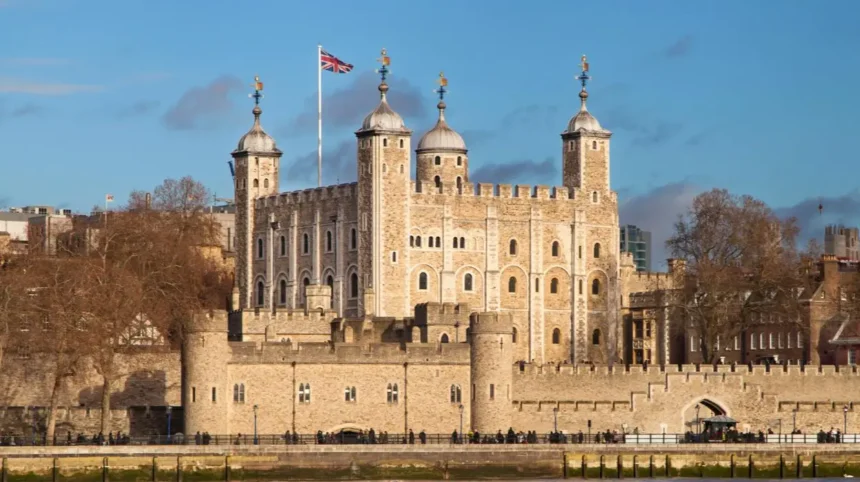
The Tower of London provides the strongest starting point for understanding the western side of Tower Hamlets. Historic Royal Palaces states that William the Conqueror began construction of the stone fortress in the 1070s and that the building programme took around twenty years.
The Tower has served several functions across its long history. It operated as a fortress, royal palace, prison, military facility and place of execution. It also housed the Royal Mint, Royal Armouries and a menagerie.
Today, visitors can explore the White Tower, battlements, Crown Jewels displays, medieval palace areas and other historic spaces. The Yeoman Warder tour is included with admission, subject to availability.
Historic Royal Palaces recommends allowing at least two to three hours for a substantial visit. Its suggested itineraries range from approximately 90 minutes for key highlights to four or more hours for visitors seeking a more extensive experience.
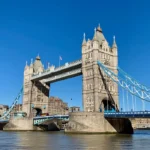
The Tower also forms part of the riverside landscape. Tower Bridge stands immediately nearby and provides one of the most recognisable visual relationships between London’s medieval royal heritage and its modern transport infrastructure.
St Katharine Docks adds another layer of maritime history. Its location close to the Tower demonstrates how the riverside evolved from royal and defensive functions into commercial dock infrastructure.
Historic England provides a Local Heritage Hub for Tower Hamlets containing information on listed buildings, historic photographs and archival material. This makes the borough particularly suitable for visitors interested in architectural heritage beyond the best-known landmarks.
Which parks are best for green space in Tower Hamlets?
Tower Hamlets contains more than 120 parks and green spaces, including Victoria Park, Mile End Park, Tower Hamlets Cemetery Park, Island Gardens and Boundary Gardens. Fourteen parks hold Green Flag Awards, showing the scale of maintained public open space.
Victoria Park is the borough’s oldest and largest park. Tower Hamlets Council reports around nine million visits annually, making it a major recreational destination for residents and visitors.
The park contains historic lakes, the Burdett-Coutts Memorial, a bandstand and two original London Bridge stone alcoves. These features combine landscape design, public recreation and architectural history.
Mile End Park provides a different landscape. It includes the Art Pavilion, Ecology Pavilion, sports facilities and other recreational spaces. The park creates a green corridor through a densely developed part of East London.
Tower Hamlets Cemetery Park is particularly significant because it combines nature conservation with Victorian heritage. It opened for burials in 1841 and later became a public park. Burial activity ceased in 1966, after which the site was re-declared as a public park.
The cemetery covers 12.55 hectares and is recognised as a Local Nature Reserve and a Metropolitan Site of Importance for Nature Conservation. The site contains habitats and biodiversity that have conservation importance within the borough.
Tower Hamlets also has five registered parks and gardens: Victoria Park at Grade II*, Boundary Gardens at Grade II, Island Gardens at Grade II, Museum Gardens at Grade II and Novo Cemetery at Grade II.
This heritage classification matters because registered parks and gardens are landscapes of national importance. Their significance is considered when planning applications affect the designated landscape or its setting.
How can visitors combine parks, museums and markets in one day?
A practical Tower Hamlets itinerary works best when attractions are grouped geographically. Visitors can combine Whitechapel or Brick Lane markets with museums, then continue towards parks, Docklands or the Thames instead of repeatedly crossing the borough.
A western itinerary can begin around the Tower of London and continue towards Tower Bridge and St Katharine Docks. Visitors interested in architectural heritage can then move towards Whitechapel.
A central East End itinerary can focus on Whitechapel Market, Brick Lane and Spitalfields. The route provides a strong combination of market culture, migration history, food, architecture and independent businesses.
A northern itinerary can centre on Bethnal Green, Roman Road and Victoria Park. Roman Road Market connects naturally with the park, while nearby streets provide additional examples of historic East London neighbourhood development.
A Docklands itinerary can begin at London Museum Docklands. The museum’s position at West India Quay makes it suitable for exploring the surviving dock landscape before continuing through Canary Wharf and the Isle of Dogs.
Visitors with limited time should prioritise one geographical cluster. Tower Hamlets contains enough attractions to support several separate visits rather than forcing every major site into one day.
What makes Tower Hamlets suitable for families and leisure travellers?
Tower Hamlets offers a broad mix of free parks, free museum galleries, markets, historic landmarks and family facilities. This range allows families to combine educational activities, outdoor recreation, food experiences and heritage attractions within one East London destination.
Victoria Park provides playgrounds, open lawns, water features and recreational facilities. Mile End Park adds sports facilities, the Ecology Pavilion and Art Pavilion. Tower Hamlets Council also supports community events, guided walks and seasonal activities across its parks.
London Museum Docklands provides an indoor option during poor weather. Its permanent galleries are free, while Mudlarks provides a dedicated family environment.
The Tower of London provides a more intensive heritage experience. Families can explore medieval architecture, royal history, armour, the Crown Jewels and Yeoman Warder tours. Historic Royal Palaces provides dedicated family planning information and visitor facilities.
Markets also create flexible experiences. Visitors can browse stalls without committing to a fixed-duration attraction. This makes markets useful between museum visits or as part of a walking route.
How useful is Tower Hamlets for digital nomads and business travellers?
Tower Hamlets combines major transport connections, public parks, cafés, cultural venues, riverside spaces and Canary Wharf’s business district. This gives digital nomads and business travellers practical ways to combine work schedules with short cultural and recreational breaks.
Canary Wharf provides a major concentration of offices, retail, hospitality and transport services. The district’s proximity to the former West India Docks also makes it possible to combine business activities with maritime heritage.
London Museum Docklands is particularly useful for a short cultural break because its permanent galleries are free and located at West India Quay.
Public parks provide another option between appointments. Victoria Park, Mile End Park and smaller gardens create outdoor spaces across the borough. The council maintains a large network of parks and open spaces, with more than 120 sites listed across the borough.
Digital nomads should distinguish between formal coworking facilities and public leisure spaces. Parks and museums provide places for breaks and cultural activity, while dedicated workspaces, cafés and business centres are more appropriate for sustained professional work.
The main advantage is geographic diversity. A visitor staying near Canary Wharf can access Docklands history, the Thames, green spaces and central East London neighbourhoods without travelling across the whole of London.
Why is Tower Hamlets historically important to London?
Tower Hamlets is historically important because it connects royal power, maritime trade, migration, industrial development and modern regeneration. The borough’s present landscape records successive transformations from medieval settlement and port activity to global finance.
The borough’s name reflects its historical association with the Tower of London and surrounding hamlets. Tower Hamlets Council identifies evidence of human activity extending back thousands of years, including prehistoric tools.
The Roman period forms another important layer. The area’s location beside the Thames made it valuable for transport and trade.
The medieval Tower of London established a powerful royal and military presence. Later, the East End developed as a densely populated area associated with manufacturing, commerce, migration and port employment.
The eighteenth and nineteenth centuries brought major dock construction. West India Docks opened in 1802 and transformed cargo handling by providing enclosed facilities. The surviving No. 1 Warehouse now forms part of London Museum Docklands.
The twentieth century brought further change. London’s docks faced increasing pressure from new shipping technology, containerisation and changes in international trade. Dock closures created large areas requiring regeneration.
Canary Wharf represents one of the most visible outcomes of that transformation. Former industrial dockland now supports major financial, commercial and residential development.
The borough therefore functions as a living historical record. Medieval fortifications, Victorian cemeteries, traditional markets, dock warehouses and modern towers coexist within a relatively compact geographical area.
Explore More Area Guide
Best Thames Attractions in Tower Hamlets: East London Guide 2026
Top Leisure Destinations in Tower Hamlets, East London 2026
What should visitors know before exploring Tower Hamlets?
Visitors should check attraction opening times, market schedules, temporary closures and ticket requirements before travelling. Walking routes work well, but the borough is large, so grouping attractions by neighbourhood saves time and reduces unnecessary travel.
Market schedules vary by location. Tower Hamlets Council publishes market information covering opening days and locations. For example, Brick Lane operates on Sundays, Whitechapel Market runs Monday to Saturday, and Roman Road Market operates on Tuesdays, Thursdays and Saturdays.
Museum arrangements also require checking. London Museum Docklands currently lists daily opening from 10am to 5pm, while individual exhibitions and events have separate arrangements.
The Tower of London operates with timed admission arrangements and recommends advance booking during busy periods. Historic Royal Palaces also warns that conservation work can affect access to some areas.
Weather affects the balance between outdoor and indoor attractions. A wet day suits London Museum Docklands and other indoor venues. Dry weather provides better conditions for Victoria Park, Mile End Park, Tower Hamlets Cemetery Park and riverside walks.
Visitors should also allow additional time for busy markets. Market streets can become crowded, particularly during peak periods.
Accessibility varies between historic sites. Modern museums generally provide stronger step-free infrastructure than older heritage buildings. The Tower of London has historic stairs, cobbles, narrow passages and uneven surfaces, with limited wheelchair access in some areas.
How does Tower Hamlets combine heritage with future urban development?
Tower Hamlets demonstrates how historic districts can remain culturally important while supporting modern housing, finance, transport and public-realm development. Docklands and Canary Wharf show the scale of regeneration, while markets and parks retain local identity.
The borough’s future relevance comes from this coexistence. Canary Wharf represents international business and high-density development, while nearby markets continue traditional forms of local commerce.
Parks provide another form of continuity. The council manages more than 120 parks and green spaces, including nationally recognised historic landscapes. Fourteen parks hold Green Flag Awards.
Heritage management also protects important buildings and landscapes. Historic England’s heritage records provide information on listed buildings and other nationally recognised sites across Tower Hamlets.
This combination gives the borough a strong long-term visitor proposition. Future development does not erase the historic layers. Instead, new commercial districts, improved public spaces and cultural institutions operate alongside older markets, warehouses, cemeteries and landmarks.
For tourists, this means Tower Hamlets works as more than a collection of individual attractions. Markets explain community life. Museums explain trade and migration. Parks explain urban planning and recreation. Historic landmarks explain royal power, commerce and London’s wider development.
Together, these components provide a coherent guide to East London’s cultural geography and make Tower Hamlets one of the most information-rich areas for visitors exploring London’s markets, museums, parks and historic places.
What are the best markets to visit in Tower Hamlets?
The best-known markets include Brick Lane Market, Columbia Road Market, Whitechapel Market, Roman Road Market, Chrisp Street Market and Petticoat Lane Market. Each has a different focus, including food, flowers, clothing, jewellery, household goods and vintage products.