Hackney Marshes stands as one of East London’s largest public open spaces, offering a blend of history, sports, and nature right on the River Lea’s edge. This evergreen gem attracts locals for football, walks, and wildlife spotting year-round. Spanning 136 hectares of protected common land, it remains a vital retreat amid urban bustle.
Rich Historical Roots
Hackney Marshes originated as true marshland in London’s Lower Lea Valley, formed by periodic River Lea flooding that created fertile pasture unusable for permanent settlement. Roman engineers likely built a stone causeway across the area, as evidenced by coins and remains noted in 18th-century records, linking it to ancient highways.
Medieval drainage efforts began under Knights Templar ownership, who used the land for grazing before passing it to the Crown post-Reformation. The 1770 Hackney Cut canal straightened the river, defining the marsh’s modern western boundary, while 19th-century industrialization threatened encroachment from housing and factories.
London County Council preserved 337 acres in 1890 for £75,000, opening it publicly in 1893 with flood defenses like river cuts forming islands. World War II rubble dumps elevated the ground, and post-war sites like the National Projectile Factory evolved into recreation areas such as Mabley Green.
Prime Location and Access
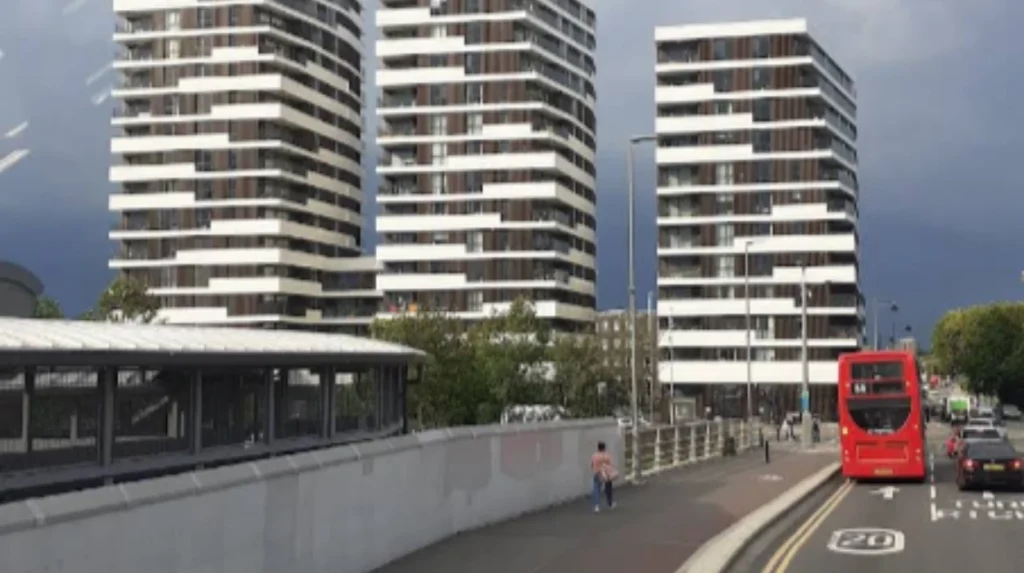
Situated on Hackney’s eastern boundary, the marshes stretch below Lea Bridge Road between the Old River Lea and Hackney Cut, bounded south by the A12. Proximity to the 2012 Olympic Park—once marsh extension—enhances its appeal, with East Marsh temporarily used during Games but now restored.
Lea Bridge station offers closest rail access, one stop from Stratford; Overground at Hackney Wick or Homerton lies 20 minutes’ walk away. Cyclists and walkers enjoy the Capital Ring and Lea towpath, connecting to Hertfordshire’s Lee Valley Regional Park.
Buses serve abundantly, making it reachable for East Londoners from Homerton High Street’s Marsh Road historic route. Ample parking supports events, though sustainable travel via foot, bike, or transit aligns with its green ethos.
Football Heartland Fame
Hackney Marshes boasts 88 full-size grass pitches, hosting over 100 Sunday league matches weekly across leagues like Hackney & Leyton and Camden Sunday. This amateur football hub, with 58 senior 11-a-side, 14 junior, plus rugby and cricket fields, draws thousands for grassroots passion.
Modern facilities include 26 changing rooms and a licensed bar for 300 guests overlooking fields, ideal for post-match gatherings. Roots trace to 1881 Glyn Cricket Club’s winter football section, birthing Clapton Orient (now Leyton Orient FC).
Nike’s 2006 logo dispute settled with £300,000 for youth sports underscores its cultural icon status, featured in Blur’s “Parklife” ad with Premiership stars. Annual Hackney Half Marathon starts and finishes here, blending elite and community vibes.
Vibrant Ecology and Wildlife
Recent rewilding revives biodiversity, with kestrels, voles, shrews, and wood mice rebounding via volunteer log piles, coppicing, and feeding stations after habitat loss. As a County Wildlife Site elsewhere mirrored here, it features flood meadows, ponds, streams, hedgerows, and woodland nurturing diverse species.
The Middlesex Filter Beds nature reserve on the island between watercourses protects old filter beds turned habitat haven. Lea Valley’s flood-prone past fosters rich birdlife and insects, with walks revealing seasonal blooms amid 336 acres of greenspace.
Protected status ensures sustainability, countering Olympic-era disruptions where mature trees were lost but offset by new parkland. Visitors spot herons and foxes, making it East London’s urban nature escape.
Top Activities and Events

Pleasant walks traverse the marshes, ideal for picnics or dog-walking with Lea views and Olympic skyline peeks. Cycle the towpath for traffic-free exploration linking to Walthamstow Wetlands.
Hackney Moves festival brings free sports, live music, street food, and markets annually, catering vegan/gluten-free options in a family-friendly village. The bar hosts events, while cricket wickets and rugby pitches diversify play.
Fishing persists historically at spots like former White House Inn site, now a WWII-rebuilt bridge. Literature nods from Gus Elen’s “If It Wasn’t for the ‘Ouses In Between” to films like Bullet Boy cement cultural draw.
Modern Developments and Legacy
2012 Olympics transformed southern fringes into Queen Elizabeth Olympic Park, upgrading waterways for better access while replacing lost Arena Fields with equivalent Hackney-side green. Legacy emphasizes world-class sports hubs accessible to diverse communities.
Council plans for pavilions and parking, approved via independent processes, boost facilities without compromising common land. Past sites like Lesney’s Matchbox factory highlight industrial shifts to recreation dominance.
Radio 1’s 2012 Hackney Weekend with Jay-Z and Rihanna amplified global profile, yet it endures as locals’ backyard for health and leisure. Future-proofed against urbanization, it symbolizes East London’s resilient green lung.