Tower Hamlets is one of London’s most historically layered and culturally diverse boroughs. It occupies a strategic section of East London beside the River Thames and includes Wapping, Whitechapel, Spitalfields, Stepney, Bethnal Green, Mile End, Poplar, the Isle of Dogs and Canary Wharf.
- What makes Tower Hamlets an important London visitor destination?
- Which historic attractions should visitors explore in Tower Hamlets?
- How can visitors experience Tower Hamlets’ docklands heritage?
- What markets should visitors explore in Tower Hamlets?
- Where can visitors experience multicultural Tower Hamlets?
- Which museums and cultural attractions are best for visitors?
- Which parks and outdoor spaces should visitors visit in Tower Hamlets?
- What can visitors see and do around Canary Wharf?
- How should visitors explore Tower Hamlets by neighbourhood?
- What is the best way to combine Tower Hamlets attractions in one day?
- Why is Tower Hamlets important for understanding London’s history?
- How can visitors experience Tower Hamlets beyond the main landmarks?
- How accessible is Tower Hamlets for London visitors?
- Why should Tower Hamlets be included in a London visitor itinerary?
The borough combines medieval royal history, Victorian engineering, former docks, immigrant heritage, major markets, contemporary architecture, public art, museums, parks and riverside spaces. Its attractions range from the UNESCO-listed Tower of London to the modern financial district at Canary Wharf.
Tower Hamlets recorded a population of 310,300 in the 2021 Census, an increase of 22.1% from 2011. The borough is also exceptionally dense, with 15,695 residents per square kilometre recorded in the 2021 Census.
The area’s visitor appeal comes from this concentration of contrasting environments. A visitor can explore medieval fortifications, walk through former docklands, visit museums, experience international food, browse markets and finish the day beside the Thames.
What makes Tower Hamlets an important London visitor destination?
Tower Hamlets is an East London destination combining royal heritage, docklands history, multicultural neighbourhoods, markets, parks, museums, architecture and riverside attractions within a compact part of the capital with strong transport connections.
Tower Hamlets occupies a particularly important position in London’s history. The borough takes its name from the historic hamlets surrounding the Tower of London. The council describes the area as the heart of London’s East End, with evidence of human activity extending back thousands of years.
Its geography explains much of its importance. The River Thames forms the southern boundary, while the City of London sits immediately to the west. This position connected the area to royal government, international trade, shipping, manufacturing and migration.
The modern borough contains several distinct visitor environments. Tower Hill and Wapping focus on royal and maritime heritage. Spitalfields and Brick Lane provide markets, food and multicultural history. Bethnal Green and Mile End combine parks, museums and residential neighbourhoods. Canary Wharf presents modern architecture, business and public art.
This diversity allows visitors to construct different types of day out without travelling across the whole of London.
Which historic attractions should visitors explore in Tower Hamlets?
Historic attractions include the Tower of London, Tower Bridge, St Katharine Docks, Christ Church Spitalfields, Brick Lane heritage buildings and historic streets where royal, religious, maritime and industrial histories remain visible.
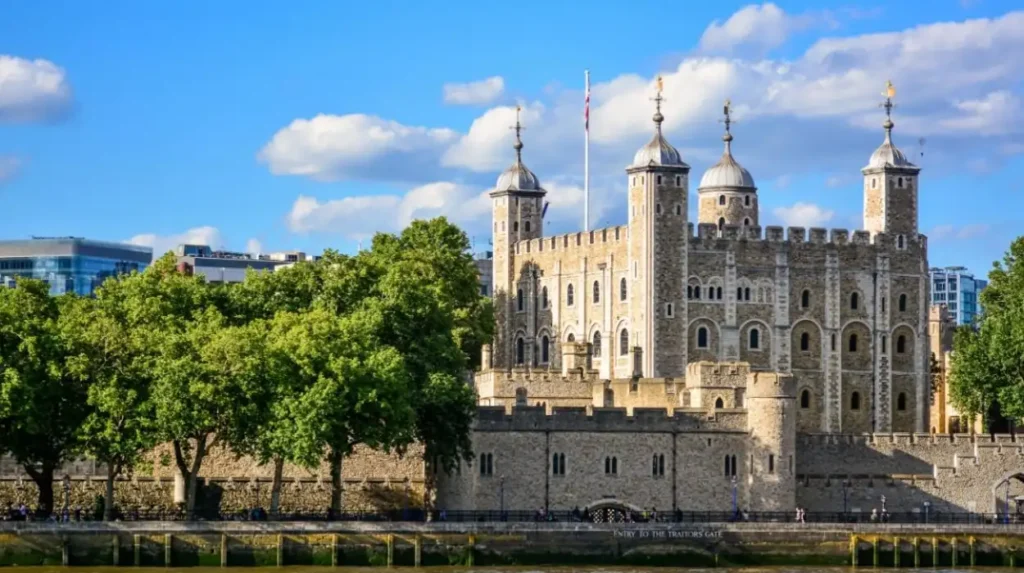
The Tower of London is the borough’s most internationally significant historic attraction. William the Conqueror began the White Tower in 1066 as a demonstration of Norman power and as a strategic defensive structure beside the Thames. UNESCO inscribed the Tower of London as a World Heritage Site in 1988.
The complex developed over several centuries. The White Tower represents Norman military architecture, while later additions created a substantial fortress-palace. The site also served royal, military, administrative and prison functions.
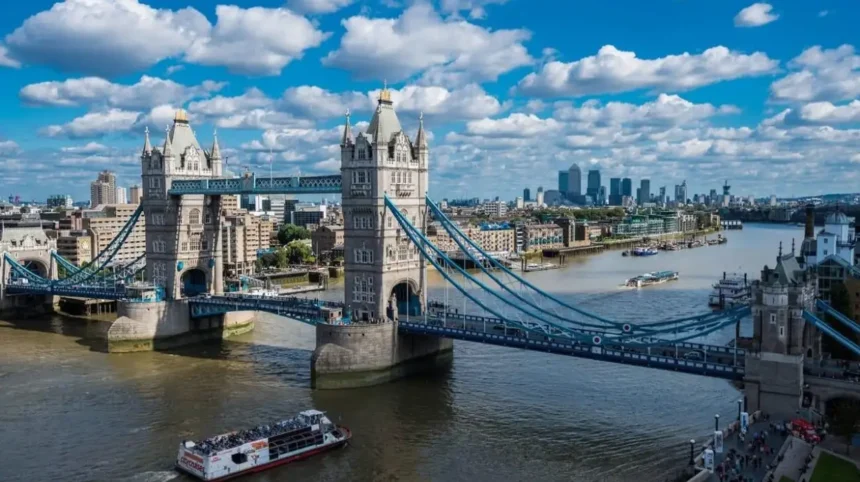
Tower Bridge provides another major landmark. It opened on 30 June 1894 after eight years of construction. Architect Sir Horace Jones and engineer Sir John Wolfe Barry led its design. The bridge was created to provide another Thames crossing while preserving access for ships using the Pool of London.
Visitors who enter Tower Bridge can access its high-level walkways, glass floors and Victorian Engine Rooms. The bridge remains operational and continues to open for river traffic.
St Katharine Docks provides another connection with London’s maritime past. Its surviving dockside buildings, warehouses and waterside routes demonstrate how commercial activity once operated close to the Tower.
Spitalfields contains important Georgian and Victorian architecture. Christ Church Spitalfields was designed by Nicholas Hawksmoor and constructed between 1723 and 1729. Its tower and spire remain dominant features of the local streetscape.
Brick Lane contains another important historical layer. The Brick Lane Jamme Masjid began as a French Protestant chapel in 1743–44. It later became a synagogue and then a mosque, reflecting successive waves of migration and religious change in East London.
As you explore these modern streets and attractions, you are crossing land with deep heritage. Read about the full [Insert Anchor Text for History Article Here] to understand its origins.
How can visitors experience Tower Hamlets’ docklands heritage?
Visitors can experience docklands heritage through the Museum of London Docklands, West India Quay, Canary Wharf, Wapping, St Katharine Docks and riverside routes that reveal London’s historic dependence on shipping and global trade.
The docklands form one of the defining historical landscapes of Tower Hamlets. The River Thames provided access for commercial shipping, while large enclosed docks developed to manage cargo and protect goods from river congestion and theft.
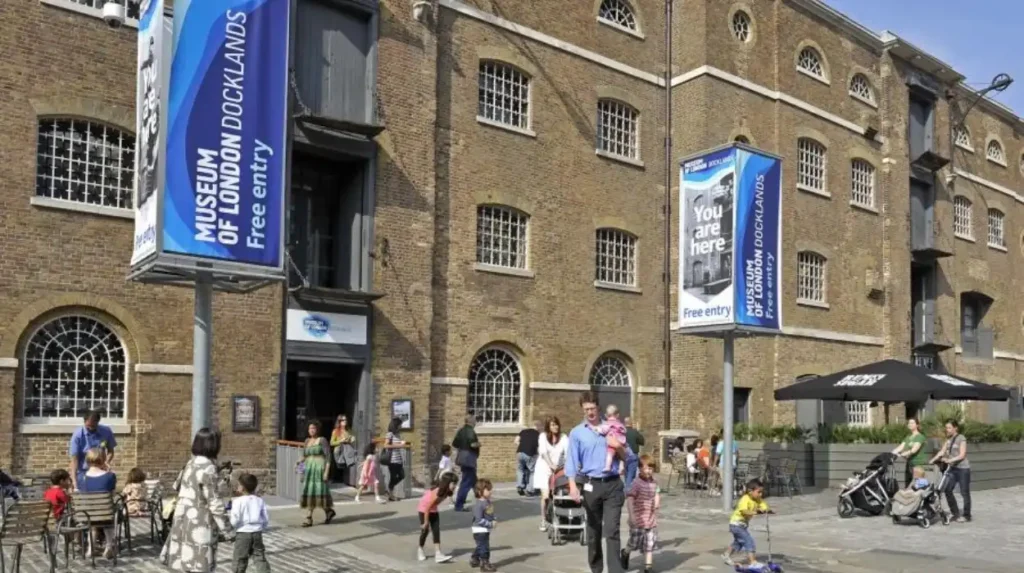
The Museum of London Docklands at West India Quay explains this transformation. Its permanent galleries examine London’s relationship with the Thames, trade, slavery, migration, commerce and the development of the docks.
The museum also contains a recreation of Victorian London known as Sailortown. Its permanent galleries are free to enter, and the museum includes the Mudlarks family gallery. Current visitor information lists opening hours from 10am to 5pm, with last admission at 4.30pm.
West India Quay is particularly useful for understanding the transition from working docks to a modern commercial district. Historic warehouse buildings stand beside restaurants, offices and contemporary public spaces.
Canary Wharf represents the later phase of this transformation. Former dockland infrastructure became the foundation for a major financial and business district. The area now contains high-rise offices, retail spaces, public art, restaurants and riverside routes.
Wapping provides a different experience. Former warehouses, wharves and narrow streets preserve the physical character of a historic riverside neighbourhood.
For visitors interested in urban regeneration, Tower Hamlets provides a clear example of how industrial infrastructure can be incorporated into a modern city landscape.
What markets should visitors explore in Tower Hamlets?
Tower Hamlets has several distinctive markets, including Brick Lane Market, Old Spitalfields Market, Columbia Road Flower Market and Petticoat Lane, offering food, flowers, clothing, antiques, crafts and independent retail experiences.
Markets are central to the visitor experience in Tower Hamlets. The borough council identifies Petticoat Lane and Columbia Road Flower Market among its principal market attractions.
Brick Lane is particularly associated with street food, independent shops, vintage clothing, art and multicultural commerce. The surrounding streets connect directly with Spitalfields and provide a walkable route through several layers of East London history.
Old Spitalfields Market provides a more structured market environment. Its historic market architecture forms part of the wider Spitalfields heritage area. Historic England records the existing market buildings as dating from 1885 to 1893 and identifies their architectural significance.
Columbia Road Flower Market is best known for flowers and plants. The surrounding street also contains independent shops, cafés, galleries and food businesses.
Petticoat Lane is another longstanding East London market tradition. Its name is strongly associated with clothing and bargain retail, while the wider area connects with the historic commercial districts around Whitechapel and Spitalfields.
Market visits work particularly well as part of neighbourhood walks. Visitors can combine shopping with architecture, street photography, food and cultural exploration.
Market conditions vary by day and individual trader. Visitors should check current operating information before travelling.
Where can visitors experience multicultural Tower Hamlets?
Visitors can experience multicultural Tower Hamlets through Brick Lane, Banglatown, Whitechapel, Spitalfields, international restaurants, religious buildings, food businesses, markets and streets shaped by successive immigrant communities.
Tower Hamlets has a long history of migration. The borough has welcomed communities from different parts of Europe, Asia, Africa and the Caribbean over several centuries.
The 2021 Census recorded Bangladesh as one of the most significant countries of birth represented among residents. Tower Hamlets also has the largest Bangladeshi population in England and Wales, according to borough information based on Census data.
Brick Lane provides one of the clearest visitor experiences of this multicultural history. Its built environment records successive communities rather than a single cultural period.
The former Huguenot chapel that became Brick Lane Jamme Masjid is a particularly strong example. The building’s sequence of Protestant, Jewish and Muslim use demonstrates how the same physical structure has served different communities over time.
Banglatown around Brick Lane is closely associated with Bangladeshi restaurants, cafés, shops and community life. Visitors can experience Bengali cuisine alongside other international food traditions.
Whitechapel adds another important layer. Its history includes Jewish settlement, Bengali migration, medical institutions and working-class East End communities.
Visitors should treat religious buildings as active places of worship. Appropriate clothing, photography rules and visitor restrictions should be observed.
Which museums and cultural attractions are best for visitors?
The Museum of London Docklands provides the strongest dedicated introduction to Tower Hamlets’ docklands history, while the Whitechapel area, Spitalfields and local cultural venues extend the experience into art, migration, architecture and East End social history.
The Museum of London Docklands is the principal museum dedicated to the historical development of London’s docks. Its collections connect the Thames with commerce, migration, industrialisation and the wider history of London.
Its location at West India Quay also makes it practical for combining a museum visit with Canary Wharf exploration.
The Whitechapel Gallery is another important cultural institution in the wider visitor landscape. It focuses on modern and contemporary art and has played a significant role in London’s visual arts scene.
The V&A Museum of Childhood in Bethnal Green has historically been an important cultural destination, although visitors should check current operational arrangements before planning a visit because museum redevelopment affects access and programming.
Spitalfields adds architectural culture. Christ Church, Fournier Street and surrounding Georgian buildings demonstrate the area’s importance during the development of the eighteenth-century East End.
Historic England identifies Spitalfields and Brick Lane as an Archaeological Priority Area. Evidence from the Roman period, later burial activity, Huguenot settlement, Jewish communities and industrial development contributes to the area’s archaeological significance.
This combination makes Tower Hamlets particularly valuable for visitors who want cultural experiences beyond conventional central London attractions.
Which parks and outdoor spaces should visitors visit in Tower Hamlets?
Victoria Park, Mile End Park, the Thames riverside, Shadwell Basin and dockside public spaces provide outdoor experiences across Tower Hamlets, combining gardens, water, walking routes, recreation, heritage and views of modern London.
Victoria Park is the borough’s major historic public park. It opened in 1845 after growing concern about poor health and overcrowding in the East End. A petition supporting a Royal Park was signed by 30,000 local residents in 1840.
Today, Victoria Park contains formal gardens, open lawns, water features, sports facilities, play areas and a lake. Visit London describes the park as a centre for community activities, live music, sport and events.
Mile End Park provides another large open space. Its design connects several neighbourhoods and incorporates recreation, gardens, walking routes and community facilities.
The Thames riverside provides a different outdoor experience. Routes around Wapping, Shadwell and the Isle of Dogs reveal historic warehouses, modern developments, river traffic and bridges.
Shadwell Basin is particularly useful for visitors interested in dockland regeneration. The water space is surrounded by residential development and former industrial infrastructure.
These spaces also provide alternatives to indoor attractions during periods of good weather. Visitors can combine a park with nearby markets, museums or cafés to create a longer neighbourhood itinerary.
What can visitors see and do around Canary Wharf?
Canary Wharf combines high-rise architecture, public art, shopping, restaurants, waterside walks, gardens and transport connections, making it a strong destination for visitors interested in contemporary London and the transformation of former docklands.
Canary Wharf represents one of the most visible changes in modern Tower Hamlets. The district developed from former dockland land into a major international business centre.
Its architecture provides a sharp contrast with the Georgian streets of Spitalfields and the medieval Tower of London. This contrast is one of the defining characteristics of the borough.
Visitors can explore the public spaces around the Canary Wharf estate, walk beside the docks, view public art and use the area’s restaurants and cafés.
The district also provides strong connections to other parts of London through the Underground, Docklands Light Railway, Elizabeth line and river services.
For digital nomads and business travellers, Canary Wharf provides cafés, public spaces and commercial facilities close to major transport connections. It also provides an efficient base for exploring the wider borough during limited free time.
The most useful approach is to combine Canary Wharf with the Museum of London Docklands. The museum explains the historical docklands, while Canary Wharf demonstrates their contemporary redevelopment.
How should visitors explore Tower Hamlets by neighbourhood?
Visitors can divide Tower Hamlets into practical neighbourhood zones such as Tower Hill and Wapping, Spitalfields and Brick Lane, Whitechapel, Bethnal Green and Mile End, and Canary Wharf and the Isle of Dogs.
Tower Hill and Wapping work well for visitors focused on royal and riverside history. The Tower of London, Tower Bridge and St Katharine Docks create a concentrated historic zone.
Spitalfields and Brick Lane suit visitors interested in architecture, markets, food, street culture and migration history. Christ Church Spitalfields, Fournier Street and Brick Lane sit within a compact walking area.
Whitechapel provides a stronger connection with medical, religious, migrant and East End history. It also provides access towards Brick Lane and Spitalfields.
Bethnal Green and Mile End offer parks, museums, residential streets and local cultural destinations. Victoria Park is particularly suitable for longer outdoor visits.
Canary Wharf and the Isle of Dogs provide contemporary architecture, business districts, public art, dockside spaces and modern transport infrastructure.
Dividing the borough into zones reduces unnecessary travel. It also allows visitors to understand how different economic and historical periods shaped neighbouring districts.
What is the best way to combine Tower Hamlets attractions in one day?
A practical one-day itinerary can combine the Tower of London, Tower Bridge, St Katharine Docks, Spitalfields, Brick Lane and the Museum of London Docklands, with Canary Wharf or Victoria Park added according to available time.
Start around Tower Hill with the Tower of London. Allow substantial time because the complex contains multiple buildings, exhibitions and historical spaces.
Walk towards Tower Bridge and explore its exterior before entering the attraction if time permits. The bridge provides elevated views of the Thames and access to its Victorian engineering exhibits.
Continue towards St Katharine Docks for a quieter waterside section. From there, travel towards Spitalfields.
Explore Christ Church Spitalfields, Fournier Street and the surrounding historic streets before continuing to Brick Lane.
Brick Lane provides opportunities for food and market browsing. Its architectural environment also demonstrates the area’s changing social and religious history.
For an alternative afternoon, continue east towards the Museum of London Docklands. The museum provides a more structured historical explanation of the docks and their relationship with London.
Finish at Canary Wharf for contemporary architecture, public spaces and riverside views.
Visitors prioritising green space can replace Canary Wharf with Victoria Park. The correct itinerary depends on attraction opening times, ticket requirements and available daylight.
Why is Tower Hamlets important for understanding London’s history?
Tower Hamlets is important because its landscape records London’s royal power, maritime trade, industrialisation, migration, religious change, urban expansion and financial redevelopment within one continuously evolving section of the capital.
The borough provides unusually clear evidence of London’s changing economic geography.
The Tower of London represents Norman royal authority and medieval state power. Tower Bridge represents Victorian engineering and the need to improve movement across the Thames. The docks represent Britain’s global trading economy.
Spitalfields demonstrates migration and textile production. Historic England records Huguenot silk weavers in the area and later Jewish and other immigrant communities.
Brick Lane demonstrates how buildings and streets can acquire new functions as populations change. Its former chapel, synagogue and mosque history provides a physical record of London’s religious diversity.
Victoria Park demonstrates the nineteenth-century development of public health and open-space policy. Its creation followed concerns about overcrowding, polluted air and high mortality in the East End.
Canary Wharf represents late twentieth-century and contemporary regeneration. Former docklands have become a major financial and commercial district.
These layers make Tower Hamlets more than a collection of individual attractions. The borough itself functions as a historical landscape.
How can visitors experience Tower Hamlets beyond the main landmarks?
Visitors can go beyond major landmarks by exploring historic streets, independent markets, public art, local food districts, dockside paths, parks, religious architecture and neighbourhood shopping areas that reveal everyday life across East London.
The strongest deeper experiences often come from walking between major attractions rather than visiting isolated sites.
In Spitalfields, visitors can examine Georgian houses, historic shopfronts, religious buildings and market architecture. Historic England records numerous listed structures in the area, including eighteenth-century buildings along Brick Lane.
Whitechapel provides another route through East London history. Visitors can combine markets, food, architecture and cultural institutions.
Wapping provides quieter riverside exploration. Its streets and former industrial buildings reveal the relationship between housing and the Thames.
Bethnal Green and Mile End provide a more residential experience. Victoria Park offers gardens, sports, open space and local events.
Canary Wharf provides contemporary public art and architecture. It is particularly effective for visitors interested in modern urban development and photography.
Food is another major component. Brick Lane and surrounding streets provide Bengali restaurants, cafés, bakeries and international food businesses. The variety reflects the borough’s demographic history and continuing cultural development.
Explore More Area Guide
East London Visitor Guide: Explore Tower Hamlets Beyond Sightseeing
Tower Hamlets Places to Visit and Things to Do 2026
How accessible is Tower Hamlets for London visitors?
Tower Hamlets is highly accessible from central London through Underground, Docklands Light Railway, Elizabeth line, bus, river and walking connections, allowing visitors to build itineraries without relying on private cars.
Public transport is central to the visitor experience because Tower Hamlets has high population density and low household car access. Borough data records that two thirds of households do not have access to a car or van.
The District and Hammersmith & City lines provide access to areas including Whitechapel and Mile End. The Central line serves Bethnal Green and Mile End.
The Docklands Light Railway connects central interchange points with Canary Wharf, the Isle of Dogs, Poplar and other Docklands destinations.
The Elizabeth line provides rapid connections through Whitechapel and Canary Wharf, linking East London with central London, Heathrow and other parts of the capital.
River services provide another way to experience the Thames. They also offer a useful perspective on Tower Bridge, the docks and the modern riverside skyline.
Walking is particularly effective within individual neighbourhood zones. Visitors should plan around attraction opening times, accessibility requirements and transport disruption.
Why should Tower Hamlets be included in a London visitor itinerary?
Tower Hamlets deserves a place in a London itinerary because it combines internationally recognised landmarks with markets, museums, multicultural food, parks, docklands, architecture and contemporary urban development across a compact and historically significant area.
The borough offers a complete cross-section of London’s development.
Visitors can begin with Norman history at the Tower of London, examine Victorian engineering at Tower Bridge, explore maritime history at the Museum of London Docklands, experience multicultural commerce around Brick Lane and finish among Canary Wharf’s skyscrapers.
The combination also supports different travel styles. Families can use Victoria Park and the Museum of London Docklands. History enthusiasts can focus on the Tower, Spitalfields and docklands. Food-focused visitors can explore Brick Lane and surrounding neighbourhoods. Architecture enthusiasts can compare Georgian, Victorian, industrial and contemporary buildings.
Tower Hamlets also demonstrates how London continues to evolve. Its historic landscapes remain active parts of a rapidly changing metropolitan environment.
For first-time visitors, the most efficient strategy is to select one geographical zone rather than attempt every attraction in a single day. For repeat visitors, neighbourhood exploration provides a deeper understanding of the borough.
Tower Hamlets therefore works as both a major sightseeing destination and a gateway into East London’s wider history, culture and contemporary identity.
What are the best attractions to visit in Tower Hamlets?
The best attractions include the Tower of London, Tower Bridge, Museum of London Docklands, Brick Lane, Old Spitalfields Market, Christ Church Spitalfields, Victoria Park, St Katharine Docks and Canary Wharf. These attractions cover history, culture, markets, architecture, parks and modern London.