Tower Hamlets is one of East London’s most varied destinations for leisure, sightseeing and short urban breaks. The London borough stretches from the historic Tower area and the River Thames through Whitechapel, Spitalfields, Bethnal Green, Bow, Mile End, Limehouse, Wapping and Canary Wharf.
- What makes Tower Hamlets a good place for relaxing and sightseeing?
- Why is Victoria Park one of the best places to relax in Tower Hamlets?
- Is Mile End Park a good place for a quieter outdoor visit?
- Which smaller parks and gardens are best for peaceful breaks?
- Where can you enjoy the best riverside sightseeing in Tower Hamlets?
- What can you see and do at St Katharine Docks?
- Why should you visit Tower Bridge for sightseeing?
- What makes the Tower of London an essential historic attraction?
- What can you learn at London Museum Docklands?
- Is Whitechapel Gallery worth visiting for culture and relaxation?
- What makes Brick Lane and Whitechapel interesting for visitors?
- What can you see around Canary Wharf?
- Why is Tower Hamlets Cemetery Park different from other sightseeing locations?
- Can you walk along the Regent’s Canal and Limehouse Basin?
- How should you plan a relaxed sightseeing day in Tower Hamlets?
- When is the best time to explore Tower Hamlets?
- Which Tower Hamlets attractions are best for different types of visitors?
- Why is Tower Hamlets important for East London tourism?
- What are the best places to relax, explore and sightsee in Tower Hamlets?
The area combines major London landmarks with large parks, canals, museums, galleries, historic streets, modern architecture and riverside walking routes. This makes Tower Hamlets suitable for visitors who want to combine sightseeing with quieter periods away from the busiest central London streets.
The borough has more than 120 parks and green spaces, including large public parks, garden squares, churchyards and smaller landscaped areas. Fourteen of its parks hold Green Flag Awards, demonstrating recognised standards for environmental management and public access.
Tower Hamlets also has a strong historical identity. Its development is closely connected with the River Thames, London’s docks, maritime trade, migration, industry and urban expansion. The modern borough now adds Canary Wharf’s financial district, contemporary cultural venues and regenerated waterside spaces to this historic landscape.
What makes Tower Hamlets a good place for relaxing and sightseeing?
Tower Hamlets combines large historic parks, riverside spaces, museums, galleries, markets, landmarks, and waterside districts. The borough suits visitors seeking quiet green space, cultural sightseeing, architectural interest, local history, photography, and relaxed urban exploration without leaving central East London today.
The main advantage of Tower Hamlets is variety within a relatively compact part of London. Visitors can begin with a walk through a historic park, continue towards the Thames, explore a museum, stop at a gallery and finish beside the modern skyline of Canary Wharf.
The borough also works well for different travel styles. Tourists can focus on famous landmarks such as the Tower of London and Tower Bridge. Visitors interested in local culture can explore Whitechapel, Brick Lane and the surrounding streets. People seeking quiet outdoor space can choose Victoria Park, Mile End Park or Tower Hamlets Cemetery Park.
For visitors with limited time, the concentration of attractions makes it possible to create a flexible itinerary without travelling across London repeatedly.
Tower Hamlets also has strong public transport connections through London Underground, Docklands Light Railway, Elizabeth line, London Overground, buses and river services. The exact transport choice depends on the destination and time of travel.
Why is Victoria Park one of the best places to relax in Tower Hamlets?
Victoria Park is the strongest choice for relaxation in Tower Hamlets because it offers 86 hectares of lawns, gardens, lakes, mature trees, cafés, sports facilities, and walking routes. It is London’s oldest public park and attracts over nine million visits annually.
Victoria Park is the borough’s largest and most prominent public park. It covers about 86 hectares and receives more than nine million visits each year. The park opened in 1845 after pressure for better public open space in the densely populated East End.
The park was specifically created to improve access to recreation for East End communities. In 1840, a petition signed by 30,000 residents was presented to Queen Victoria requesting a public park. Parliament passed legislation in 1841, leading to the development of the park.
Today, Victoria Park provides a mixture of formal gardens, open lawns, lakes, mature trees, play areas, sports facilities, cafés and walking routes.
The Old English Garden provides a more formal landscape with lawns, hedges and roses. The Floral Sunken Garden adds structured planting, while Orchard Meadows provides grassland, wildflowers and fruit trees that support birds and insects.
The park also contains historic features including the Burdett-Coutts Fountain, the Pagoda, the Dogs of Alcibiades statues and stone alcoves associated with the original London Bridge.
Visitors seeking a quiet experience should use the garden areas, lakeside paths and less crowded sections away from event spaces.
Victoria Park is also useful for families because it has multiple play areas and recreational facilities. The council provides sports facilities including tennis, cricket and football areas.
Its heritage status adds another dimension. Victoria Park is listed at Grade II on the Register of Parks and Gardens of Special Historic Interest. Major restoration work beginning in 2011 restored several historic features and improved facilities.
As you explore the modern park, you are walking through a landscape created in response to Victorian East London’s public-health and overcrowding problems. Read about the full to understand its origins.

Is Mile End Park a good place for a quieter outdoor visit?
Mile End Park provides a varied green corridor between Mile End and Bow, combining landscaped gardens, waterways, sports facilities, ecology areas, and arts spaces. It suits visitors who want a quieter outdoor break while remaining close to central East London attractions.
Mile End Park is one of the borough’s important green spaces and provides a different experience from the large landscape of Victoria Park.
The park extends through the Mile End area and contains a mixture of recreational and ecological facilities. Tower Hamlets Council identifies the park as a lively family destination with Mile End Stadium, an Ecology Park and an Arts Pavilion.
The Ecology Park is particularly relevant for visitors interested in urban nature. It demonstrates how ecological landscapes can operate within a densely populated part of London.
The Arts Pavilion adds a cultural dimension. It hosts exhibitions, workshops and other activities, giving visitors an alternative to conventional museum sightseeing.
Mile End Park is also suitable for walking and active recreation. The wider green corridor connects with other open spaces and contributes to the movement of pedestrians and cyclists through East London.
For a relaxed visit, the park works best as part of a wider walking itinerary. Visitors can combine it with nearby canal paths, local cafés and attractions around Mile End and Bow.
Its location also makes it practical for visitors who want outdoor space without travelling far from central London.
Which smaller parks and gardens are best for peaceful breaks?
Tower Hamlets has several compact gardens that provide quieter pauses between sightseeing stops. Altab Ali Park, Trinity Square Gardens, Stepney Green Gardens, and Wapping Gardens combine greenery with monuments, memorials, historic buildings, and local character in densely developed areas.
Not every relaxing place in Tower Hamlets needs to be a large park. Smaller gardens are important because they provide short periods of rest within busy neighbourhoods.
Altab Ali Park in Whitechapel is particularly significant for cultural and historical sightseeing. The site was formerly St Mary Matfelon churchyard. The medieval church was heavily damaged during the Blitz, and the remaining historic features form part of the park landscape.
The park was renamed in 1998 in memory of Altab Ali, a 25-year-old Bangladeshi Sylheti clothing worker who was murdered in 1978. Its memorial features include an entrance arch and the Shaheed Minar, a monument associated with the Bengali Language Movement.
Trinity Square Gardens provides another historic green space close to the Tower area. Its location makes it useful for visitors combining outdoor relaxation with Tower of London sightseeing.
Stepney Green Gardens and Wapping Gardens represent other examples of historic public open spaces. Tower Hamlets Council records the borough’s parks as developing through several historical phases, including Victorian churchyard conversions and post-war open-space projects.
These smaller gardens are particularly useful for visitors who want a short rest rather than a full afternoon in a large park.
Where can you enjoy the best riverside sightseeing in Tower Hamlets?
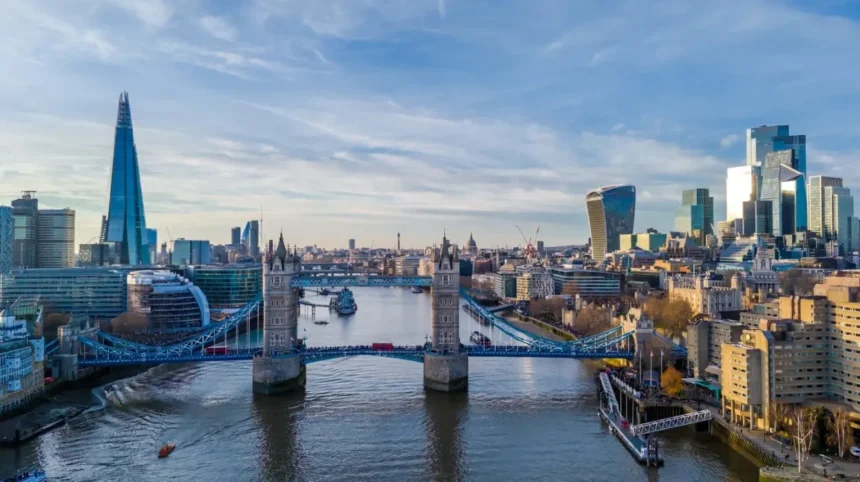
The River Thames gives Tower Hamlets some of its most distinctive sightseeing opportunities. Riverside walks around Wapping, Limehouse, Shadwell, and the Tower area combine historic docks, warehouses, bridges, boats, skyline views, and access to major London landmarks year-round.
The River Thames is central to Tower Hamlets’ identity. It forms the southern boundary of the borough and shaped its development as a port, industrial centre and residential district.
The riverside landscape changes considerably between neighbourhoods.
Around Wapping, historic warehouses and converted riverside buildings reflect the area’s maritime past. Limehouse provides access to Limehouse Basin and connections with the Regent’s Canal. Shadwell offers another section of the Thames-side environment, while the Tower area provides direct views towards major historic landmarks.
Riverside walking is especially useful for visitors who want sightseeing without following a fixed attraction schedule. The route can be adapted according to time, weather and interest.
The Thames also creates strong photography opportunities. Tower Bridge, modern buildings, historic warehouses, river traffic and skyline structures provide contrasting visual subjects.
Visitors should follow designated pedestrian routes and respect private residential areas along the river. Some sections are busy, particularly near major attractions and transport interchanges.
The riverside also provides connections between different types of sightseeing. A visitor can start near Tower Bridge, continue towards Wapping, explore Limehouse and then move inland towards parks or cultural venues.
What can you see and do at St Katharine Docks?
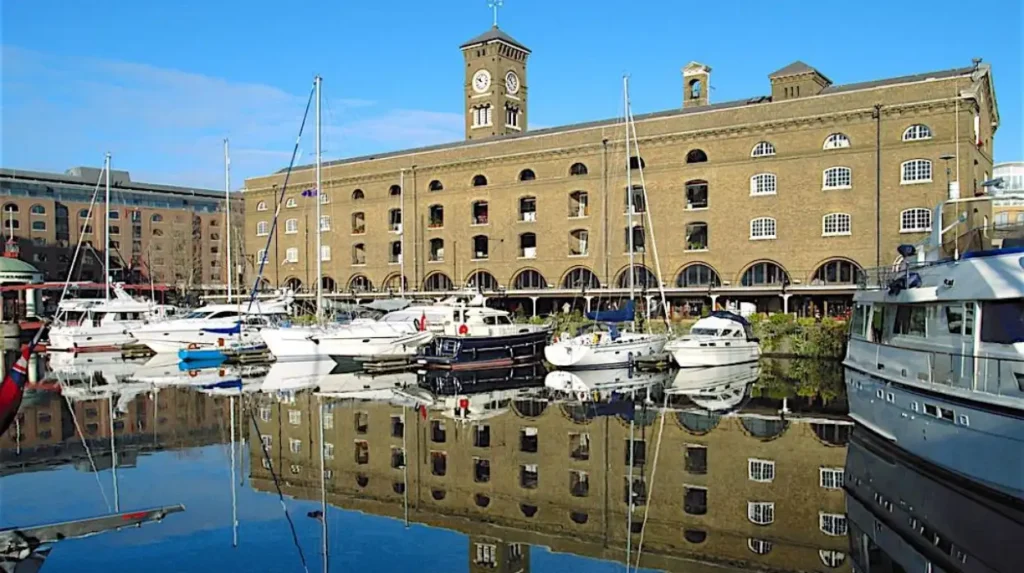
St Katharine Docks provides a sheltered waterside setting beside the Tower of London. Its marina, historic warehouses, restaurants, cafés, pedestrian quays, and boat-filled basins create a compact sightseeing area that works well for a slower afternoon or evening.
St Katharine Docks is immediately east of the Tower of London and provides a more enclosed waterside environment than the open Thames frontage.
The docks were developed during the nineteenth century as part of London’s expanding port system. Historic warehouse buildings remain an important part of the visual character.
Today, the area combines maritime heritage with restaurants, cafés, pedestrian spaces and a marina.
The Dickens Inn is one of the best-known historic buildings in the area. Tower Hamlets Council records the building as dating from the late eighteenth century, when it served as a spice warehouse.
The docks are particularly suitable for visitors who want to slow down after visiting the Tower of London or Tower Bridge.
The waterside setting also works well for photography. Boats, historic buildings and modern developments create a compact architectural landscape.
St Katharine Docks can therefore function as both a destination and a transition point between major attractions.
Why should you visit Tower Bridge for sightseeing?
Tower Bridge is one of the borough’s defining landmarks and offers both exterior views and an indoor visitor experience. The attraction includes High-Level Walkways, Glass Floors, South and North Towers, and Victorian Engine Rooms, with views 42 metres above the Thames.
Tower Bridge is one of London’s most recognisable structures and a major sightseeing destination within Tower Hamlets.
The bridge opened on 30 June 1894. It was constructed to improve road access while preserving navigation for ships using the busy Pool of London docks.
Visitors can cross the bridge for free as part of the public highway, while the Tower Bridge visitor attraction provides access to the internal walkways and historic engine rooms.
The High-Level Walkways stand 42 metres above the Thames and provide views across East and West London. The Glass Floors provide another distinctive viewpoint over the bridge roadway and river.
The Victorian Engine Rooms explain the mechanical systems that powered the bridge lifts for more than 80 years.
Tower Bridge is particularly useful for visitors interested in architecture and engineering. The bridge combines Victorian structural engineering with a highly distinctive exterior design.
The visitor attraction also operates dedicated relaxed-opening sessions for neurodivergent visitors. These sessions provide a lower-capacity environment designed to reduce sensory pressure.
For sightseeing, Tower Bridge works well alongside the Tower of London, St Katharine Docks and riverside walking routes.
What makes the Tower of London an essential historic attraction?
The Tower of London is the borough’s major historic attraction, occupying a fortress complex with nearly a thousand years of royal, military, prison, and ceremonial history. Visitors can explore defensive structures, royal stories, the Crown Jewels, ravens, and historic spaces.
The Tower of London provides one of the deepest historical experiences in Tower Hamlets.
William the Conqueror established the fortress after the Norman Conquest, and the site developed through successive royal, military and administrative functions. Historic Royal Palaces describes its history as spanning almost a thousand years.
The Tower has served as a fortress, royal palace, prison, execution site, armoury, royal mint and menagerie. It also remains associated with the Crown Jewels and Yeoman Warders.
The ravens are another important part of the modern visitor experience.
The fortress also reflects twentieth-century history. During the Second World War, the surrounding East End and docklands became major targets during the Blitz. The Tower’s moat was also used as an allotment during wartime food shortages.
The Tower is therefore more than a medieval attraction. It provides a long chronological view of London’s political, military and social history.
An interesting practical feature applies to local residents. Tower Hamlets residents can access a £1 adult ticket offer, subject to the attraction’s conditions and proof-of-address requirements.
Tourists should allow substantial time for the complex because its historic structures, exhibitions and collections require more than a brief exterior visit.
What can you learn at London Museum Docklands?
London Museum Docklands explains how the River Thames, docks, trade, migration, industry, and global commerce shaped East London. Its permanent galleries are free, making it one of Tower Hamlets’ strongest choices for informative sightseeing without an admission charge for visitors.
London Museum Docklands is located in the historic Canary Wharf area and focuses on London’s relationship with the River Thames and its docks.
The museum provides context for much of what visitors see across Tower Hamlets. Docklands warehouses, waterways, cranes, wharves and commercial districts all relate to the historical development of the port.
Its galleries cover subjects including trade, migration, slavery, working life and the transformation of the docks.
The museum also contains Sailortown, an interpretation of nineteenth-century London, and Mudlarks, a gallery designed for families. Its permanent galleries are free to enter.
This makes the museum particularly useful when planning a budget-conscious day in Tower Hamlets.
The museum also helps explain the transition from industrial docks to the modern financial district. Visitors can therefore understand why Canary Wharf looks so different from older parts of Wapping, Limehouse and Whitechapel.
Its location makes it easy to combine with Canary Wharf’s parks, public art and waterside spaces.
Is Whitechapel Gallery worth visiting for culture and relaxation?
Whitechapel Gallery is a major contemporary art institution founded in 1901 to bring leading art to East London. Its free displays, archive galleries, educational spaces, café, Wi-Fi, and Common Rooms make it suitable for cultural visits and quiet working breaks.
Whitechapel Gallery is one of Tower Hamlets’ most important cultural institutions.
It was founded in 1901 by Canon Samuel and Henrietta Barnett with the objective of presenting major art to the people of East London.
The gallery has an extensive history of presenting influential artists and exhibitions. Its programme has included major figures such as Pablo Picasso, Jackson Pollock, Mark Rothko, David Hockney, Gilbert & George and Frida Kahlo.
The gallery provides free entry to its displays, commissions and archive galleries, while selected temporary exhibitions require tickets.
It also has facilities that make it relevant beyond conventional sightseeing. Common Rooms provides a free place to sit, read, chat, relax or work, while Wi-Fi is available throughout the gallery.
This gives digital nomads and business travellers an alternative place to spend downtime while exploring the cultural side of Whitechapel.
The gallery works especially well with a wider Whitechapel and Spitalfields itinerary.
What makes Brick Lane and Whitechapel interesting for visitors?
Brick Lane is one of Tower Hamlets’ best areas for street-level exploration, combining food, independent businesses, street art, vintage shops, galleries, and markets. Its character developed through successive migrant communities, including a significant Bengali presence in modern Whitechapel and Spitalfields.
Brick Lane provides a more active urban experience than the borough’s parks and museums.
The street runs through an area historically shaped by migration, commerce and changing industries. Today it is known for restaurants, cafés, independent businesses, street art, vintage retail, markets and creative spaces.
The surrounding Spitalfields area adds historic architecture and pedestrian-friendly streets.
Whitechapel is closely associated with the Bengali community, while the wider East End has experienced successive waves of migration. This cultural history is visible through food businesses, religious buildings, community organisations and public art.
Altab Ali Park provides an important connection to this heritage. Its Shaheed Minar commemorates the Bengali Language Movement and its memorial features reflect the history of the local Bangladeshi community.
Brick Lane is best approached as an area to explore rather than a single attraction. Visitors can walk slowly, stop at independent businesses, explore nearby galleries and combine the route with Whitechapel Gallery.
The area becomes particularly active around market periods and weekends, so visitors seeking a quieter experience should choose less busy times.
What can you see around Canary Wharf?
Canary Wharf provides a contrasting Tower Hamlets experience built around modern architecture, public art, waterside spaces, shopping, dining, and landscaped plazas. Visitors can explore Canada Square Park, Jubilee Park, Cabot Square, riverside paths, and the distinctive high-rise skyline.
Canary Wharf represents the modern side of Tower Hamlets.
The area developed from former commercial docks into one of London’s major financial districts. Its high-rise buildings now form one of the most recognisable skylines in the capital.
For leisure visitors, Canary Wharf offers more than office buildings.
Public spaces, landscaped areas, waterways, restaurants, shops and public art create opportunities for walking and photography.
Canada Square Park is one of the best-known green spaces in the district. Other public spaces provide additional places to sit and observe the surrounding architecture.
The area is particularly attractive to visitors interested in modern architecture. Tall commercial buildings contrast with the historic warehouses and low-rise streets found elsewhere in Tower Hamlets.
Canary Wharf is also useful for business travellers because its concentration of offices, restaurants, transport links and public spaces makes downtime easy to organise.
The district can be combined with London Museum Docklands, which provides historical context for the docklands landscape.
Why is Tower Hamlets Cemetery Park different from other sightseeing locations?
Tower Hamlets Cemetery Park offers a different type of sightseeing through woodland, historic graves, mature trees, wildlife, and heritage features. The cemetery opened in 1841, and Parliament converted it into open space through legislation in 1966 after burial use ended.
Tower Hamlets Cemetery Park provides one of the borough’s most unusual combinations of heritage and nature.
The cemetery opened in 1841 as part of the expansion of burial capacity in London. By 1889, more than a quarter of a million burials had taken place there.
The site later became neglected. Parliament passed legislation in 1966 to close the cemetery and turn it into open space.
Today, the landscape contains mature woodland, historic graves, paths, wildlife and heritage structures.
The cemetery is managed with the involvement of the Friends of Tower Hamlets Cemetery Park and functions as a local nature reserve.
For visitors, the site offers a quieter alternative to major London attractions.
It is especially suitable for people interested in social history, genealogy, architecture, ecology and urban nature.
The woodland character also provides a strong contrast with the dense streets and high-rise developments found elsewhere in Tower Hamlets.
Visitors should treat the site as both a heritage location and a functioning green space, respecting memorials and other visitors.
Can you walk along the Regent’s Canal and Limehouse Basin?
The Regent’s Canal and Limehouse Basin connect several East London landscapes through a network of waterside paths. Walking beside the canal provides a slower alternative to busy roads, with views of boats, bridges, warehouses, housing, and the changing Docklands skyline.
Limehouse Basin is one of the best locations for visitors who prefer waterside walking.
The basin connects the Regent’s Canal with the River Thames and provides a link between inland waterways and the historic Docklands.
Walking beside the canal gives visitors a different perspective on East London. Instead of major roads and commercial streets, the route focuses on water, boats, bridges, residential buildings and industrial heritage.
The area also connects naturally with Limehouse and the Thames riverside.
Visitors can use the route as part of a longer walk or simply spend time around the basin.
The combination of historic waterways and modern residential architecture illustrates how Tower Hamlets has changed from a major industrial and dockland area into a mixed residential, commercial and leisure destination.
The canal route is particularly useful for visitors who want sightseeing that does not depend on admission tickets.
How should you plan a relaxed sightseeing day in Tower Hamlets?
Tower Hamlets works well for visitors who want flexible sightseeing because its attractions are concentrated across several connected neighbourhoods. A short trip can combine a major landmark, a museum, a park, a riverside walk, and a cultural district.
A relaxed day should avoid trying to visit every major attraction.
A practical historic itinerary can begin around the Tower of London and Tower Bridge. Visitors can then continue towards St Katharine Docks for a waterside break before walking towards Wapping.
A culture-focused itinerary can centre on Whitechapel Gallery, Brick Lane and Altab Ali Park. This route combines contemporary art, local history, food, architecture and public space.
A nature-focused itinerary can begin at Victoria Park and continue through Mile End Park towards the Regent’s Canal.
A modern East London itinerary can centre on London Museum Docklands and Canary Wharf. The museum provides historical context while the surrounding district offers modern architecture, landscaped spaces, public art and dining.
The best route depends on the visitor’s priorities. Historic sightseeing favours the Tower area. Cultural exploration favours Whitechapel and Brick Lane. Outdoor relaxation favours Victoria Park, Mile End Park and the canal network.
When is the best time to explore Tower Hamlets?
Tower Hamlets can be explored throughout the year because its attractions include indoor museums, galleries, historic buildings, parks, canals, markets and covered leisure spaces. A mixed itinerary provides the greatest flexibility when outdoor conditions change during a London visit.
Spring and summer provide longer daylight hours for parks, gardens and riverside walking.
Autumn brings changing foliage to Victoria Park, Tower Hamlets Cemetery Park and other green spaces.
Winter remains suitable for museums, galleries, historic attractions, shopping districts and indoor cultural venues.
Weather should influence the balance of the itinerary rather than determine whether the borough is worth visiting.
Victoria Park operates throughout the year, opening at 7am and closing at dusk.
London Museum Docklands provides a useful indoor alternative when outdoor sightseeing is less comfortable. Whitechapel Gallery also offers indoor cultural activities and free spaces for visitors.
Visitors should check attraction opening times before travelling because individual venues have different schedules, seasonal arrangements and ticketing requirements.
Which Tower Hamlets attractions are best for different types of visitors?
Families benefit from parks and interactive museums, culture seekers favour galleries and historic districts, photographers prefer riverside and skyline locations, while business travellers benefit from Canary Wharf, Whitechapel and flexible public spaces for short periods of downtime.
Families can prioritise Victoria Park, Mile End Park and London Museum Docklands. Victoria Park has multiple play facilities, while the museum includes Mudlarks for family exploration.
History enthusiasts should prioritise the Tower of London, Tower Bridge, St Katharine Docks and Tower Hamlets Cemetery Park.
Art and culture visitors should explore Whitechapel Gallery, Brick Lane and the wider Spitalfields area.
Photography visitors have extensive options around Tower Bridge, the Thames, Canary Wharf, Victoria Park and Limehouse Basin.
Digital nomads and business travellers can combine sightseeing with practical spaces such as Whitechapel Gallery’s Common Rooms and the cafés, public areas and transport connections around Canary Wharf.
Visitors seeking quiet spaces should prioritise Victoria Park’s gardens, smaller public gardens, Tower Hamlets Cemetery Park and less busy canal sections.
This range makes Tower Hamlets suitable for both short visits and longer East London itineraries.
Explore More Area Guide
Tower Hamlets Day Trip Ideas: East London Guide
Top Places to Experience Tower Hamlets Like a Local 2026
Why is Tower Hamlets important for East London tourism?
Tower Hamlets is important to East London tourism because it connects London’s medieval and Victorian heritage with modern Docklands, multicultural neighbourhoods, major cultural institutions, public parks, waterways and internationally recognised landmarks in one highly connected borough.
Tower Hamlets represents several important stages in London’s development.
The Tower area demonstrates medieval and royal history. The Thames and Docklands explain the importance of maritime commerce. Whitechapel and Brick Lane demonstrate migration and cultural change. Victoria Park reflects Victorian public-health reform and the development of public recreation. Canary Wharf represents the transformation of former docks into a global financial district.
The borough’s green spaces also demonstrate how public open space developed in response to changing urban needs.
Tower Hamlets Council records more than 120 parks and green spaces across the borough, ranging from large parks to smaller gardens and historic open spaces.
This combination gives visitors several different forms of sightseeing within one London borough.
The future relevance of Tower Hamlets lies in the continued relationship between heritage, regeneration, transport, public space and cultural activity.
For tourists, this means the borough provides more than a collection of famous landmarks. It offers a connected landscape in which historic sites, green spaces, cultural venues, waterways and modern architecture can be explored together.
What are the best places to relax, explore and sightsee in Tower Hamlets?
The best choices include Victoria Park for relaxation, Tower Bridge and the Tower of London for major landmarks, London Museum Docklands for history, Whitechapel Gallery for culture, Brick Lane for local character, and Canary Wharf for modern architecture and waterside spaces.
Tower Hamlets offers a broad selection of destinations for different types of leisure.
Victoria Park is the strongest choice for open green space and extended relaxation. Mile End Park provides another accessible outdoor option with ecological and cultural facilities.
The Tower of London and Tower Bridge provide the borough’s most recognisable historic landmarks.
London Museum Docklands explains the economic and social history behind the Docklands landscape.
Whitechapel Gallery provides contemporary art and a quieter indoor environment. Brick Lane and Whitechapel provide street-level cultural exploration, food and independent businesses.
Canary Wharf demonstrates the modern identity of East London through skyscrapers, public art, parks, shopping and waterside spaces.
St Katharine Docks and the Thames provide slower-paced riverside sightseeing, while Tower Hamlets Cemetery Park offers heritage and nature in a woodland setting.
Together, these locations make Tower Hamlets one of the most varied areas for sightseeing in East London. Visitors can build an itinerary around history, culture, nature, architecture, food, photography or relaxation without leaving the borough.
What are the best places to visit in Tower Hamlets?
The best places to visit in Tower Hamlets include Victoria Park, the Tower of London, Tower Bridge, London Museum Docklands, Whitechapel Gallery, Brick Lane, Canary Wharf, St Katharine Docks and Mile End Park.