Tower Hamlets is one of East London’s most varied visitor destinations. The borough combines medieval royal history, historic docks, major markets, contemporary architecture, museums, galleries, parks, waterways and distinctive neighbourhoods.
- What should you put on a Tower Hamlets travel checklist?
- Why is the Tower of London essential for a Tower Hamlets visit?
- What should you see around Tower Bridge and the Thames?
- Which museum should you visit to understand East London’s docklands history?
- Which Tower Hamlets markets should visitors experience?
- Why should Brick Lane be on your checklist?
- What makes Columbia Road different?
- What can you find at Roman Road Market?
- Where can you experience Tower Hamlets’ cultural diversity?
- Which parks should you add to a Tower Hamlets itinerary?
- Why is Victoria Park important?
- What is there to do in Mile End Park?
- Why visit Mudchute?
- What is special about Tower Hamlets Cemetery Park?
- What should you explore in Canary Wharf?
- Which historic and cultural sites are worth adding beyond the main landmarks?
- How can visitors experience Tower Hamlets through walking?
- How should you organise a one-day Tower Hamlets travel checklist?
- What should you check before visiting Tower Hamlets?
- What makes Tower Hamlets useful for repeat London visits?
It occupies a strategically important part of London between the River Thames, the City of London and the Queen Elizabeth Olympic Park. Its landscape includes the Tower of London, Tower Bridge, Canary Wharf, Whitechapel, Brick Lane, Victoria Park, Mile End and the Isle of Dogs. The London Borough of Tower Hamlets describes the area as the heart of London’s East End, with historic and modern attractions across the borough.
A useful Tower Hamlets travel checklist therefore needs more than one landmark. It should cover heritage, culture, food, shopping, green space and riverside experiences. Visitors can organise these attractions geographically and combine several experiences within the same day.
What should you put on a Tower Hamlets travel checklist?
A Tower Hamlets travel checklist should include the Tower of London, Tower Bridge, Museum of London Docklands, Brick Lane, Columbia Road, Victoria Park, Mile End Park, Canary Wharf, Whitechapel and riverside areas. These places collectively represent the borough’s royal history, East End culture, markets, parks and modern Docklands.
The first step is to understand the borough as a collection of distinct visitor areas rather than one compact attraction zone.
The southern part contains the Tower of London, Tower Bridge, St Katharine Docks and riverside routes. The central area includes Whitechapel, Brick Lane, Spitalfields, Bethnal Green and historic markets. Further east and north are Mile End, Roman Road and Victoria Park. The Isle of Dogs contains Canary Wharf, Docklands waterways, Mudchute and riverside landscapes.
Tower Hamlets also contains more than 120 parks and green spaces, giving visitors options beyond conventional sightseeing. The council lists 14 Green Flag parks and several nationally significant landscapes.
The checklist should therefore combine major landmarks with neighbourhood experiences. This approach prevents a visit from becoming limited to the Tower of London and Tower Bridge.
Why is the Tower of London essential for a Tower Hamlets visit?
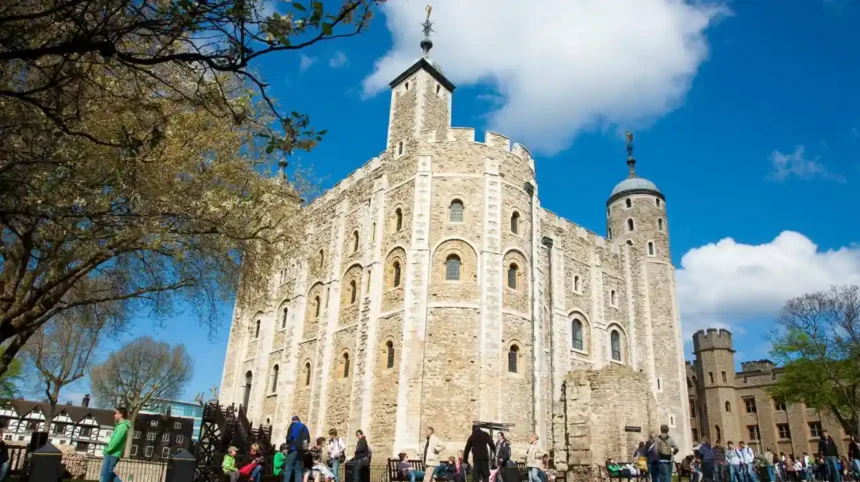
The Tower of London is a historic fortress, royal palace and former prison beside the River Thames. William the Conqueror began its construction in the 1070s, and the complex now houses the Crown Jewels and preserves almost 1,000 years of royal and national history.
The Tower of London is one of the defining historic sites in Tower Hamlets. William the Conqueror began building the stone fortress during the 1070s following the Norman Conquest. Construction of the central White Tower took approximately 20 years.
The complex subsequently expanded under medieval monarchs. Henry III and Edward I added defensive walls and towers, creating a large concentric castle. The site also operated as a royal residence, royal institution, armoury and prison.
The Crown Jewels remain one of its best-known attractions. The Yeoman Warders, traditionally known as Beefeaters, also form an important part of the visitor experience.
The Tower’s history extends beyond medieval monarchy. Its buildings and grounds reflect changing military, political and social functions across centuries.
The site also connects directly with the wider history of the East End and River Thames. During the Second World War, the Tower’s moat was converted into allotments as part of wartime food production.
As you explore the modern site, you are crossing land with a deep heritage. Read about the full to understand its origins.
What should you see around Tower Bridge and the Thames?
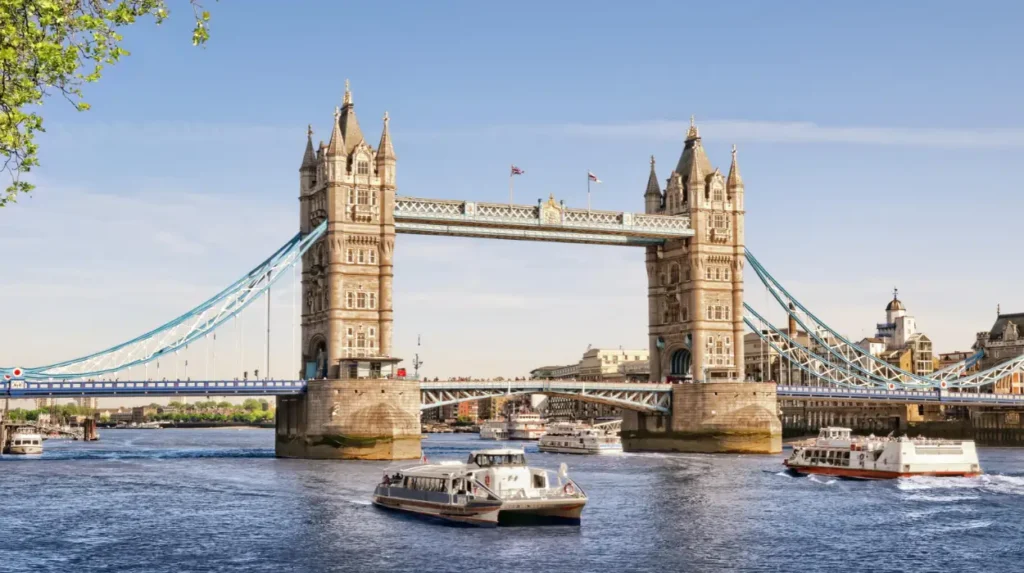
Tower Bridge provides one of Tower Hamlets’ most recognisable riverside experiences, combining Victorian engineering, pedestrian crossings, elevated views and direct access to the Thames. The surrounding riverfront connects the Tower of London with historic docks, warehouses, bridges and modern riverside developments.
Tower Bridge opened in 1894 and remains one of London’s most recognisable bridges. Its distinctive bascules were designed to allow vessels to reach the busy docks upstream.
Visitors can cross the bridge on foot while exploring the surrounding riverside. The bridge’s visitor attraction includes the high-level walkways and historic engine rooms.
The Thames itself is an important part of the Tower Hamlets experience. Riverside walks provide connections between major landmarks and reveal changing architectural landscapes.
The Tower of London stands immediately west of Tower Bridge. To the east, the river leads towards Limehouse, the Isle of Dogs and the wider Docklands.
This section of the borough works particularly well as a walking itinerary. Visitors can combine the Tower of London, Tower Bridge and riverside paths before continuing towards Canary Wharf or other attractions.
Which museum should you visit to understand East London’s docklands history?
The Museum of London Docklands explains the development of the River Thames, London’s port and the Docklands through historical collections and exhibitions. Its location in a former West India Docks warehouse makes the building itself part of the industrial heritage experience.
The Museum of London Docklands is one of the most useful stops for understanding how the Thames shaped East London.
The museum occupies a historic warehouse at West India Docks. Tower Hamlets identifies the building as a Grade I listed low warehouse associated with the former dock system.
Its collections examine London as a major port and the changing role of the River Thames. The museum helps explain why the Docklands became such an important economic landscape.
The wider area has changed significantly since the decline of traditional docks. Former industrial spaces now sit beside offices, residential developments, restaurants and transport infrastructure.
The museum therefore provides historical context before exploring Canary Wharf or the Isle of Dogs. Visitors gain a clearer understanding of how warehouses and docks evolved into the modern financial district.
Which Tower Hamlets markets should visitors experience?
Tower Hamlets has a broad network of historic street markets, including Brick Lane, Columbia Road, Roman Road, Chrisp Street, Whitechapel, Petticoat Lane and Watney Market. Each market has a different trading character, location, schedule and connection with its surrounding community.
Markets are central to the identity of East London. Tower Hamlets Council currently identifies ten street markets, including Brick Lane, Bethnal Green Road, Chrisp Street, Columbia Road, Petticoat Lane, Roman Road, Roman Road Square, Sclater Street, Watney Market and Whitechapel Market.
Why should Brick Lane be on your checklist?
Brick Lane is one of the best-known visitor streets in the East End. Its Sunday market includes fashion, food, art, vintage goods and other products. The street also has a long association with successive immigrant communities.
Tower Hamlets records Brick Lane Market as established in 1888. The area became associated with French Huguenot, Jewish and Bangladeshi communities at different stages of its history.
What makes Columbia Road different?
Columbia Road is particularly associated with flowers and plants. Its market creates a distinct visitor experience compared with the food, fashion and general merchandise found at other East London markets.
What can you find at Roman Road Market?
Roman Road Market operates on Tuesday, Thursday and Saturday according to the council’s market information. Traders sell products including clothing, household items, toys, jewellery and food. The road follows the route of an ancient trading connection through the area.
Market days should form part of the travel plan because opening schedules differ between locations.

Where can you experience Tower Hamlets’ cultural diversity?
Tower Hamlets’ cultural diversity is visible through its markets, food districts, religious buildings, galleries, community spaces and historic streets. Whitechapel, Brick Lane, Spitalfields and surrounding neighbourhoods provide particularly strong examples of the borough’s long history of migration and cultural exchange.
Tower Hamlets has a long history of immigration. The council describes the borough as an area shaped by communities arriving in London across many generations. Its historic docks also served as important points of arrival for immigrants to Britain.
Whitechapel and Brick Lane are particularly important locations for understanding this history.
The East End also contains significant Jewish, Huguenot, Bangladeshi, Somali, Caribbean, Chinese, Indian and other cultural influences. These histories are reflected in businesses, places of worship, food, architecture and community institutions.
Visitors should treat these neighbourhoods as living communities rather than simply themed tourist areas. Walking through the streets, visiting established markets and exploring museums provides a more complete picture of the borough.
The cultural experience also extends into contemporary arts. Tower Hamlets has numerous galleries and cultural venues, including Whitechapel Gallery and Wilton’s Music Hall.
Which parks should you add to a Tower Hamlets itinerary?
Victoria Park, Mile End Park, Mudchute Park and Farm and Tower Hamlets Cemetery Park provide major green-space experiences within the borough. They offer walking routes, landscaped areas, wildlife habitats, recreation facilities and opportunities to experience a different side of East London.
Tower Hamlets has more than 120 parks and green spaces. These range from large destination parks to smaller gardens and public squares.
Why is Victoria Park important?
Victoria Park is the borough’s oldest and largest park. Tower Hamlets reports around nine million visits each year. The park includes historic lakes, the Burdett Coutts Memorial Fountain, a Chinese Pagoda, a bandstand and original stone alcoves from London Bridge.
The park also forms part of a wider green corridor linking areas around Regent’s Canal, Mile End Park and the Queen Elizabeth Olympic Park.
What is there to do in Mile End Park?
Mile End Park provides another major open-space experience. It includes the Ecology Park, Arts Pavilion and sports facilities. The park is useful for visitors who want walking and recreation without leaving the central East End.
Why visit Mudchute?
Mudchute Park and Farm is a local nature reserve on the Isle of Dogs. It provides an unusual combination of open countryside, wildlife and urban surroundings.
What is special about Tower Hamlets Cemetery Park?
Tower Hamlets Cemetery Park is another local nature reserve. Its landscape combines mature vegetation, wildlife habitats and historic cemetery features.
These locations demonstrate why green space belongs on a Tower Hamlets travel checklist alongside museums and landmarks.
What should you explore in Canary Wharf?
Canary Wharf combines former docklands with a major modern financial district. Visitors can experience high-rise architecture, public spaces, waterways, shopping, restaurants and cultural installations while remaining close to the historic docks that shaped the area’s economic development.
Canary Wharf represents the modern side of Tower Hamlets. Its skyline developed from the regeneration of former docklands into a major international business district.
The area is particularly useful for visitors interested in contemporary architecture and urban regeneration. Office towers surround public spaces, retail areas, restaurants and waterside routes.
The relationship between old and new is particularly clear around the docks. Historic dock structures sit close to modern skyscrapers, showing the physical transition from maritime commerce to financial services.
For domestic business travellers, Canary Wharf also provides convenient opportunities to use spare time for walking, dining and cultural exploration.
For leisure travellers, the area works well as a contrast to Brick Lane, Whitechapel and the Tower of London.
Which historic and cultural sites are worth adding beyond the main landmarks?
Beyond the major landmarks, Tower Hamlets contains Wilton’s Music Hall, Whitechapel Gallery, the Ragged School Museum, historic churches, conservation areas and former dock buildings. These places add social, architectural and cultural context to a wider East London itinerary.
The borough’s heritage is distributed across many smaller locations.
Wilton’s Music Hall is one of the best-known historic performance venues in the East End. Whitechapel Gallery provides a major contemporary and modern art destination.
The Ragged School Museum documents aspects of Victorian education and working-class life. Tower Hamlets’ heritage collections also include the Royal London Hospital Museum, Dennis Severs’ House and other historically significant sites.
These attractions are particularly useful for repeat visitors. They move the itinerary beyond the most heavily recognised landmarks.
Historic buildings also provide evidence of how the borough developed through trade, migration, religion, education and industry.
How can visitors experience Tower Hamlets through walking?
Walking is one of the most practical ways to experience Tower Hamlets because many attractions sit within connected neighbourhoods. Routes can combine riverside landmarks, markets, historic streets, parks, museums and modern Docklands without relying on a single destination.
A walking-focused itinerary can begin around the Tower of London and continue towards Tower Bridge.
Another route can connect Whitechapel, Brick Lane and Spitalfields before continuing north towards Bethnal Green and Victoria Park.
A third option focuses on Docklands. Visitors can explore the Museum of London Docklands, West India Docks and Canary Wharf before continuing towards the Isle of Dogs.
Walking also reveals details that are easily missed from a vehicle or underground train. Former warehouses, terraces, market streets, public art, churches and waterways form part of the borough’s physical history.
The council also supports organised walking activity through its parks and open spaces.
How should you organise a one-day Tower Hamlets travel checklist?
A one-day Tower Hamlets itinerary works best when attractions are grouped by location. Start with the Tower and Thames, continue through Whitechapel and Brick Lane, then choose either a major park, museum or Docklands destination for the later part of the day.
Start in the south-west around the Tower of London. Allow sufficient time for the fortress and Crown Jewels before walking towards Tower Bridge.
Continue east or north towards Whitechapel and Brick Lane. This section provides markets, food, architecture, galleries and cultural history.
For an afternoon, choose between Victoria Park, the Museum of London Docklands and Canary Wharf according to your interests.
Victoria Park suits visitors seeking open space and a slower afternoon. The Museum of London Docklands suits visitors focused on history. Canary Wharf suits visitors interested in modern architecture, business districts and regenerated docklands.
The itinerary should also account for market days. Brick Lane, Columbia Road and Roman Road do not operate on identical schedules. Checking the relevant market information before travelling prevents unnecessary detours.
Explore More Area Guide
FindMySchool Ranks Top Primary Schools in London Borough of Havering 2026
A Day Around Tower Hamlets: Attractions, Food & Walks
What should you check before visiting Tower Hamlets?
Before visiting Tower Hamlets, check attraction opening times, museum admission requirements, market days, park access, temporary exhibitions, event schedules and transport connections. Planning around opening days is especially important because markets and cultural venues operate different schedules.
The Tower of London, museums, markets and cultural venues have different opening arrangements.
Parks also have specific operating information. Victoria Park generally opens from 7am until dusk, 365 days a year, according to Tower Hamlets Council.
Market schedules are particularly important. Roman Road Market operates on Tuesday, Thursday and Saturday, while Chrisp Street Market operates Monday to Saturday according to council information.
Visitors should also consider the season. Outdoor activities, events and temporary exhibitions change throughout the year.
A practical checklist therefore includes the following essentials: confirm attraction hours, check market days, verify event dates, plan transport, allow walking time and check official visitor information before departure.
What makes Tower Hamlets useful for repeat London visits?
Tower Hamlets works particularly well for repeat London visits because its attractions span royal history, industrial heritage, markets, contemporary culture, green spaces and modern architecture. Visitors can return to different neighbourhoods and experience substantially different aspects of the borough.
A first visit often focuses on the Tower of London and Tower Bridge.
A second visit can concentrate on Brick Lane, Whitechapel, Spitalfields and local markets.
Another visit can focus on Victoria Park, Mile End, Roman Road and Bethnal Green.
A Docklands-focused trip can cover the Museum of London Docklands, Canary Wharf and the Isle of Dogs.
This variety gives Tower Hamlets strong long-term relevance within an East London travel plan. The borough’s official visitor information also highlights its combination of museums, galleries, markets, historic attractions and open spaces.
The most complete checklist therefore does not treat Tower Hamlets as a single attraction. It treats the borough as a connected collection of historical, cultural, commercial and recreational destinations.
What is Tower Hamlets best known for?
Tower Hamlets is best known for the Tower of London, Tower Bridge, Brick Lane, Canary Wharf, Victoria Park, historic markets, Docklands and its diverse East End cultural heritage.