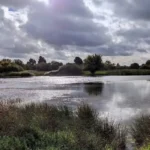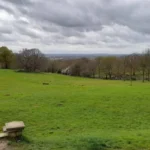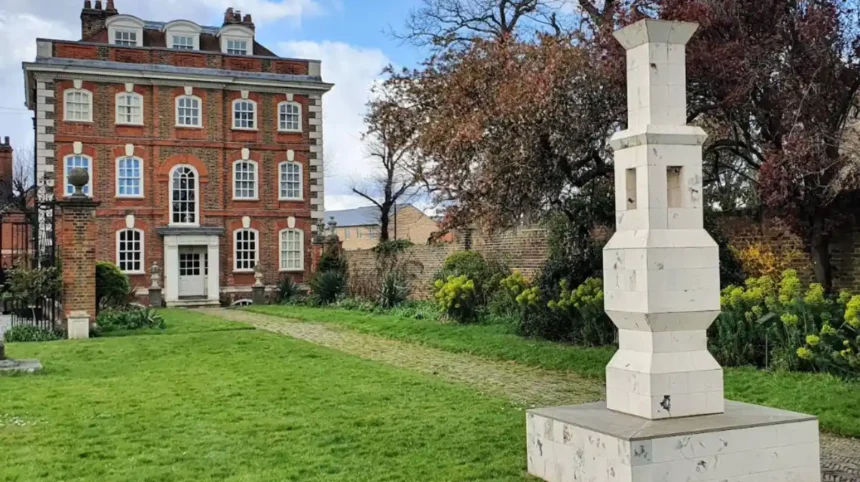
Havering, a London borough in outer east London, is famous for its exceptional green spaces covering more than half the borough, its royal heritage dating to a 7th-century Saxon palace, and iconic attractions including Upminster Windmill (built 1803), Rainham Hall (National Trust, built 1729), and Hornchurch Country Park (124 acres). The borough contains over 100 parks and open spaces, three major country parks, the largest freshwater marshland in Greater London (Ingrebourne Marshes), and the only captive red deer herd in London at Bedfords Park.
- What Makes Havering Unique Among London Boroughs?
- Which Parks and Green Spaces Are Havering’s Most Famous?
- Hornchurch Country Park
- Bedfords Park
- Belhus Woods Country Park
- Raphael Park
- What Heritage Sites and Historic Buildings Draw Visitors to Havering?
- Upminster Windmill
- Rainham Hall
- Havering Museum
- Upminster Tithe Barn
- The Rom Skatepark
- Which Visitor Attractions and Cultural Venues Should Tourists Prioritise?
- How Does Havering’s Wildlife and Nature Reserve Network Support Tourism?
- What Practical Information Do Visitors Need for Planning a Havering Trip?
What Makes Havering Unique Among London Boroughs?
Havering stands out as the London borough with the most countryside feel, where over 50% of its area is protected parkland and green belt. More than 100 parks and open spaces exist here, including three country parks, ancient woodland, and the largest freshwater marshland in Greater London.
This transformation from royal hunting ground to modern outer London borough defines Havering’s character. The Metropolitan Green Belt protects much of its area from development, preserving rural landscapes unusual for London. Havering-atte-Bower’s name literally means “at the royal residence,” reflecting its history as home to Havering Palace, a royal residence since the 7th century that hosted Henry VIII’s wives Catherine of Aragon, Anne Boleyn, and Jane Seymour.
The borough straddles London and Essex, combining urban accessibility with countryside expanses. Part of Thames Chase Community Forest covers significant areas, offering scenic walking and cycling trails through woodlands and wetlands. This geographic position creates diverse habitats supporting exceptional wildlife, including London’s only captive red deer herd and the largest freshwater breeding bird population in Greater London.
As you explore the modern sites, you are crossing land with a deep heritage. Read about the full [history of Havering Palace and the royal manor at Havering-atte-Bower] to understand its origins from Saxon times through Henry VIII’s reign.
Which Parks and Green Spaces Are Havering’s Most Famous?
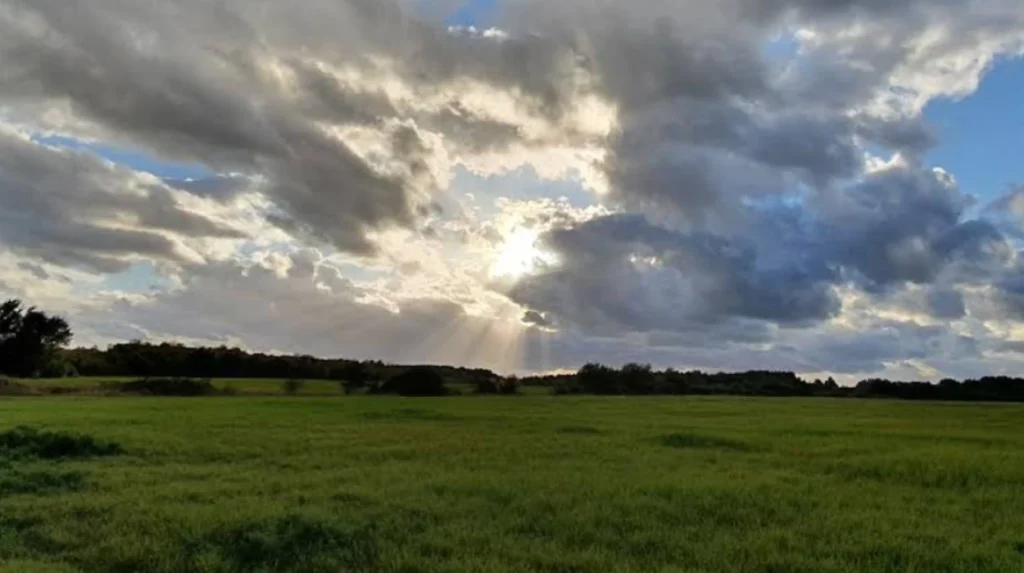
Havering contains over 100 parks and open spaces, with three major country parks leading visitor attractions: Hornchurch Country Park (124 acres/50 hectares), Bedfords Park (215 acres), and Belhus Woods Country Park (300+ acres). Raphael Park serves as Romford’s 17.8-hectare town centre park opened in 1904.
Hornchurch Country Park
Hornchurch Country Park represents Havering’s finest park and principal green destination. Covering 124 acres (50.29 hectares), it offers peace and quiet in a rural environment with extensive walking surfaces, benches overlooking the Site of Special Scientific Interest (SSSI), Albyn’s Farm lake, and countryside views.
The park functions as a heritage site with information boards about the area’s wartime role. A former airfield closed in 1962, and many remaining features appear along the Eastern Pathway. The area was re-landscaped as a country park in 1980. The children’s playground features a model Spitfire alongside traditional swings. Essex Wildlife Trust built a visitor centre serving as an educational facility, café, and shop with a large outdoor area overlooking open countryside.
Hornchurch Country Park attracts visitors for sauntering, keeping fit, flying kites, dog-walking, football, picnicking, playground activities, and photography. The park includes a decent-sized free car park with hard surface.
Bedfords Park
Bedfords Park spans 215 acres as an historic parkland site owned and managed by Havering Council. Managed by Essex Wildlife Trust, the nature reserve features mature woodland, wildflower meadows, ponds, streams, a lake, and marshy areas.
The park houses London’s only captive herd of red deer in a securely fenced pen where visitors can feed deer. Wild fallow, roe, and muntjac deer also roam freely. Bird highlights include all three woodpecker species, nuthatch, and hobby. Winter brings a large corvid roost with hundreds of rooks, crows, and jackdaws gathering near the deer pen.
Many exotic trees originally planted in the mansion gardens survive, including Cedar of Lebanon, Holm Oak, Monkey-puzzle, Giant Redwood, and Yew. The park contains a 18th-century two-acre walled garden, one of which survives from the original estate. Bedfords was a medieval estate named after John Bedford, a 14th-century landowner. The widow of the last Lord of the Manor sold the estate to Romford Urban District Council in 1933, opening it as a park in 1934.
Belhus Woods Country Park
Belhus Woods Country Park covers over 300 acres on the London-Essex border, straddling Thurrock and Havering. The park combines ancient woodland, flower meadows, open grassland, and lakes formed from restored and unrestored gravel pits.
The landscape holds rich history as part of the Belhus Estate owned by the Barrett-Lennard family. Remnants of the 18th-century park laid out by landscape architect Lancelot “Capability” Brown remain visible. The shrubbery and Long Pond were created in 1770. An 18th-century brick-lined ice house well served as early refrigerated storage. A stench pipe disguised as a Tudor chimney survives in the park’s south.
In 1618, Sir Edward Barrett obtained permission to make a park around Belhus House manor. Approximately 40 years later, Capability Brown was commissioned for further alterations. Parts of the estate sold in the 1920s. After requisition for WWII effort, the house was demolished as owners could not repair damage from stationed troops.
The park contains geological significance with Corbets Tey Gravel deposited by the Thames approximately 300,000 years ago. The gravel underlying the park is about 4 metres (12 feet) thick, lying directly on London Clay bedrock. Over 90% of the gravel is flint, with remaining percentage consisting of quartz, quartzite, chert, and rare volcanic rocks incorporated as the river meandered across the valley.
Raphael Park
Raphael Park covers 17.8 hectares as Romford’s town centre park, opened as Havering’s first public park in 1904. Sir Herbert Raphael MP gave the park to Romford Urban District. The park is part of parkland once surrounding Gidea Hall.
The history dates to Saxon times when it formed part of the royal manor serving the ancient Saxon palace at Havering. The park lodge adapted for reuse as a base for the park manager, with a new community and education resource and café built as part of an extension. A Heritage Lottery Fund and Veolia North Thames Trust restoration completed in 2014.
Raphael Park contains two ancient Pedunculate Oaks recorded by the Woodland Trust. The park features a lake attracting large numbers of water birds, meadow, developing woodland, and amenity grassland. The western fringe manages as a nature area cut infrequently. A restored bandstand and redeveloped theatre garden host art, music, and theatre events. The park contains a statue of Percy the Park Keeper, created by author and illustrator Nick Butterworth, inspired by a real park keeper in Raphael Park.
What Heritage Sites and Historic Buildings Draw Visitors to Havering?
Havering’s heritage sites include Upminster Windmill (Grade II* listed, built 1803), Rainham Hall (Grade II* listed National Trust property, built 1729), Havering Museum (opened May 2010), Upminster Tithe Barn (housing 14,500 artefacts), and The Rom (Grade II listed skatepark).
Upminster Windmill
Upminster Windmill stands as one of the finest smock mills in the country. James Nokes, a local farmer, built the mill in 1803 with ‘common’ sails comprising wooden frames covered with canvas. It is a Grade II* listed building recognised for quality, completeness, and significance.
The windmill is owned by Havering London Borough Council and managed by the Friends of Upminster Windmill. A full restoration project started in 2016 and now includes a new visitor centre where visitors learn about the mill and its history. Open days occur on selected weekends: 12-13 April, 10-11 May, 14-15 June, 12-13 July, 9-10 August, 13-14 September, and 11-12 October, from 10:00-16:00. Advance booking is essential.
The mill’s address is Mill Field, 89 St Mary’s Lane, Upminster, Essex, RM14 2QL. Special events throughout the year include Easter Egg Hunts and seasonal activities in the gardens and grounds.
Rainham Hall
Rainham Hall is a rare survivor and remarkably fine example of Queen Anne style architecture, built in 1729 for sea merchant Captain John Harle (1688-1942). The Grade II* listed Georgian house is owned by the National Trust and located next to St Helen and St Giles church in Rainham town centre.
Nearly 50 different families and inhabitants have resided at Rainham Hall since 1729, including solicitors, artists, children in a day nursery, a cycling vicar, and architectural historians. The house contains original features including trompe-l’œil frescos on walls and Delft tiles in fireplaces. Along the front, Grade II* listed wrought-iron railings feature intertwined initials of Harle and his wife Mary, described as amongst the finest in London from that time, possibly created by Jean Tijou who produced ironwork for Hampton Court Palace.
The two-acre garden features a recently replanted 30-tree orchard, one of the largest in London. Stone garden urns from the early 18th century remain. Major conservation and interpretation project completed in 2015, allowing full public access to hall and garden. The stable/coach house and lodge received Grade II* listed status in January 1955.
Havering Museum
Havering Museum opened in May 2010 on part of the site of the old Romford Brewery (Ind Coope Brewery). The independent local history museum is primarily focused on studies and artifacts from the five towns encompassing the borough: Romford, Hornchurch, Upminster, Harold Hill, and Rainham.
The museum tells the story of Havering’s history through objects, text, and images, defining what makes Havering Havering by celebrating achievements of local people past and present. It holds around 14,500 artefacts of domestic and agricultural use. The museum is located at Brewery Gate, 19-21 High Street, Romford, RM1 1JU.
Opening hours are Wednesday-Friday 11:00-16:30, with Saturday openings only when events occur. Contact: 01708 766571 or [email protected].
Upminster Tithe Barn
Upminster Tithe Barn houses a collection of artefacts of nostalgic origin and is located in Hall Lane, Upminster. Owned by Havering London Borough Council and run in partnership with Hornchurch and District Historical Society, the museum holds around 14,500 artefacts of domestic and agricultural use.
The Rom Skatepark
The Rom skatepark is located in west Hornchurch and is Grade II listed, representing one of the few listed skateparks in the UK. This recognition highlights its architectural and cultural significance as a youth recreation facility.
Which Visitor Attractions and Cultural Venues Should Tourists Prioritise?
Top visitor attractions include Queen’s Theatre Hornchurch (500-seat auditorium opened 1953, UK Theatre Award winner for most welcoming theatre three consecutive years), Brookside Theatre, CEME (Centre for Education in Music and Entertainment), The Diver artwork, and Langtons country house. Seasonal events include Hornchurch Christmas Cracker and community festivals.
Queen’s Theatre Hornchurch is an in-house producing theatre with a 500-seat auditorium located in Hornchurch, East London. Having opened in September 1953 with Queen’s Players performing ‘See How They Run’, the venue is named in honour of Queen Elizabeth II, opening the same year as her coronation. The building was bought by Hornchurch District Council after serving as storage during WWII and operating as a derelict old cinema.
A new purpose-built theatre constructed on Billet Lane, designed by Hallam and Brooks, opened by famous theatre director Sir Peter Hall in April 1975 presenting ‘Joseph And The Amazing Technicolor Dreamcoat’. Queen’s Theatre received UK Theatre Award for most welcoming theatre in three consecutive years (2016, 2017, 2018). The venue produces over eight shows annually and hosts notable productions including award-winning ‘Blood Brothers’, ‘Return To The Forbidden Planet’, and major revival of ‘Made In Dagenham The Musical’. The theatre plays a large community role hosting amateur productions and providing learning and participatory programmes involving over 11,000 participants annually.
The Rom skatepark serves as both recreational facility and Grade II listed heritage site. The Diver artwork, created from steel by John Kaufman and completed in 2000, stands nearby as a regeneration piece. Several concrete barges made in 1940 when steel was in short supply now serve as flood defences and bird habitats at Coldharbour Point, Rainham.
Explore More Area Guide
Havering Travel Guide: Top Places to Visit Year-Round
Best Things to Do in Havering for East London Visitors
How Does Havering’s Wildlife and Nature Reserve Network Support Tourism?
Havering’s nature reserves provide fantastic birdwatching and wildlife spotting opportunities. Ingrebourne Marshes is the largest freshwater marshland in Greater London and vital breeding ground for wide bird arrays. The borough contains Sites of Special Scientific Interest (SSSI) and is part of Thames Chase Community Forest.
Ingrebourne Valley Nature Reserve features a fishing lake and serves as habitat for diverse species. The Essex Wildlife Trust manages Ingrebourne Valley Visitor Centre at Hornchurch Country Park, offering-shop café, toilets, education/community room, displays, and events engaging the whole community with nature.
Bedfords Park nature reserve affords superb habitats for invertebrates including wide butterfly, dragonfly, and damselfly varieties. Bird highlights include all three woodpecker species (great spotted, green, and grey), nuthatch, and hobby. Winter corvid roosts gather hundreds of rooks, crows, and jackdaws.
Belhus Woods Country Park contains organic sediments from 1978 excavation revealing numerous plant species representing a warm interglacial period. The gravel exposures show Corbets Tey Gravel deposited by the Thames approximately 300,000 years ago, with exotic rocks from North Wales incorporated as the river reworked older terraces.
Havering’s nature reserves include areas managed by Essex Wildlife Trust, Havering Council, and other organisations. Havering Parks Constabulary patrols most council-managed parks. The combination of ancient woodland, flower meadows, wetland, gravel pits, and freshwater marshes creates exceptional biodiversity unusual for an urban London borough.
What Practical Information Do Visitors Need for Planning a Havering Trip?
Havering is accessible via District Line tube to Hornchurch and Upminster, with multiple bus routes (165, 365, 252, 256) serving country parks. Most parks offer free public access. Key addresses include Hornchurch Country Park (Squadron’s Approach, RM12 6TS), Upminster Windmill (89 St Mary’s Lane, RM14 2QL), and Rainham Hall (The Broadway, RM13 9YN).
Hornchurch is 15 minutes’ walk from Hornchurch tube station (District Line). Bus routes 165, 365, 252, and 256 serve Hornchurch Country Park. Central Park in Harold Hill spans 42 acres with open grassland, woodlands, skatepark, and BMX pump track. Bedfords Park visitor centre is accessible with contact: 01708 748646 or [email protected], located at Broxhill Road, Havering-atte-Bower, Essex RM4 1QH.
Rainham Hall contact: 01708 525579 or [email protected]. Upminster Windmill requires advance booking for open days. Havering Museum contact: 01708 766571 or [email protected]. Queen’s Theatre is 15 minutes’ walk from Hornchurch tube (District Line), with Council car park opposite.
Free car parks exist at Hornchurch Country Park (hard surface) and most country parks. Raphael Park offers free public access all/most of site within walking distance of Romford town centre. Seasonal events include Hornchurch Christmas Cracker (November, Hornchurch High Street with fairground rides, stalls, performances, treasure hunt), Apple Day at Bedfords Park (October), and Easter Egg Hunts at Upminster Windmill.
What is Havering famous for?
Havering is famous for its extensive green spaces, royal heritage, historic attractions, and countryside character. The borough is home to more than 100 parks and open spaces, including Bedfords Park, Hornchurch Country Park, and Raphael Park, as well as landmarks such as Upminster Windmill and Rainham Hall.