Key Points
- Major Service Disruption: A freight train derailed near Barking, resulting in the closure of eight London Overground stations on the Suffragette line between Gospel Oak and Barking Riverside.
- Extended Timeline: Transport for London (TfL) has cautioned passengers that services across much of the route are likely to remain suspended until the end of the week.
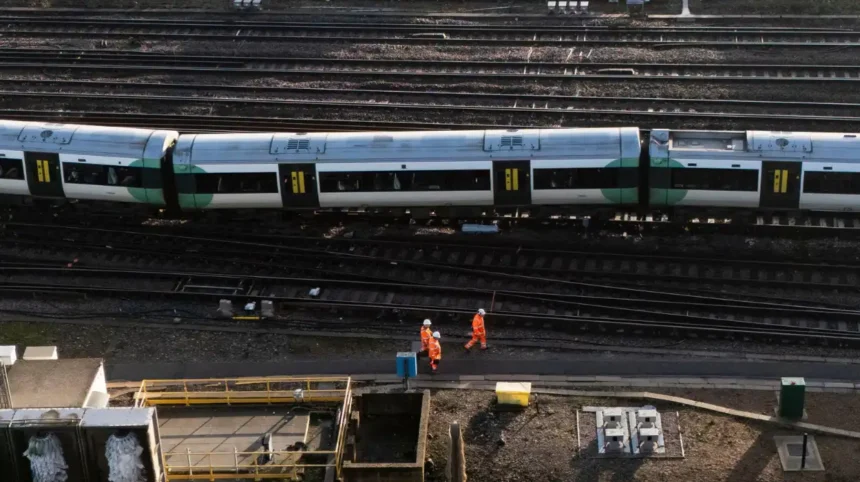
- Recovery and Inspection Underway: Specialist engineering teams are actively working to clear and recover the derailed freight wagons while evaluating structural and track damage along the railway network.
- Alternative Travel Arrangements: Commuters across north and east London are being urged to re-route their journeys via local bus networks, London Underground lines, and National Rail services during the restoration period.
Barking (East London Times) October 28, 2026 – Londoners travelling across north and east London face several days of severe travel disruption after a freight train derailed near Barking, causing the total closure of eight stations on the London Overground Suffragette line. Transport for London confirmed that the Incident occurred on a key stretch of the route, severely impacting daily rail commuters reliant on the line connecting Gospel Oak to Barking Riverside. Railway infrastructure engineers and recovery teams were promptly dispatched to the site to begin clearing the derailed rolling stock and conducting a comprehensive assessment of the surrounding trackwork and signal systems. Transport for London warned that the suspension of services along much of the line is anticipated to persist until the end of the week, as complex recovery operations remain ongoing.
- Key Points
- What caused the London Overground Suffragette line closure?
- How long will the Suffragette line disruption last?
- Which stations and passenger routes are affected by the derailment?
- Background of the London Overground Suffragette line derailment
- Prediction: How will this development affect London commuters and regional transport networks?
What caused the London Overground Suffragette line closure?
The severe disruption on the Suffragette line occurred following the derailment of a heavy freight train on the approach to Barking in east London. The freight movement unexpectedly left the tracks, bringing immediate halts to all passenger services operating along that specific corridor. Transport for London immediately suspended train operations between Gospel Oak and Barking Riverside to guarantee public safety and allow emergency and recovery crews unhindered access to the site.
As reported by transport correspondents covering the incident, Transport for London confirmed that eight stations along the Suffragette line remain completely without train services. Network engineers and specialist crane operators were called to the scene near Barking to stabilize the derailed freight wagons, re-rail the displaced carriages, and inspect the structural integrity of the line before any passenger transport can safely resume.
How long will the Suffragette line disruption last?
According to statements released by Transport for London representatives, the major disruption affecting the Suffragette line is expected to last until at least the end of the week. The recovery operation involves lifting heavy freight equipment, clearing ballast, and carefully repairing any underlying damage inflicted on the rails, sleepers, and signaling systems near Barking.
As reported by London transport reporters, Transport for London explicitly warned passengers that services will remain significantly disrupted while recovery work and safety assessments take place. Officials have advised commuters traveling across north and east London to plan their journeys well in advance, check live travel updates before departing, and consider alternative transport options such as local London Bus routes, nearby London Underground lines, or adjacent National Rail services.
Which stations and passenger routes are affected by the derailment?
The freight derailment near Barking has led to the immediate shutdown of eight stations situated along the London Overground Suffragette line route. The affected section spans a vital transport link between Gospel Oak in north London and Barking Riverside in east London, cutting off direct orbital rail links for thousands of daily passengers.
As reported by regional news outlets tracking the incident, the loss of rail services on this line has caused widespread disruption to local communities that rely heavily on the Suffragette line for connections to main transport hubs, school runs, and commercial centers. Transport for London has deployed additional customer support staff at affected interchanges to assist stranded commuters and guide them toward alternative transport corridors.
Background of the London Overground Suffragette line derailment
The Suffragette line forms an integral component of London Overground’s orbital rail network, connecting Gospel Oak in north London to the newly developed Barking Riverside station in the east. Historically known as the Gospel Oak to Barking Line (GOBLIN), the route underwent extensive electrification, modernization, and track extension works in recent years to increase capacity and provide direct transit links to major housing developments along the River Thames. In early 2024, Transport for London officially named the route the “Suffragette line” as part of a wider network rebranding initiative honoring historical London movements and figures.
Freight trains share significant sections of the UK’s rail network with passenger services, particularly along orbital corridors in London that link freight yards, maritime ports, and industrial centers. When a freight derailment occurs on a shared line, the weight of the cargo and wagons often inflicts physical damage on the rail infrastructure, including bent tracks, damaged sleepers, and severed signaling links. Consequently, line recoveries typically require heavy recovery vehicles, detailed structural safety inspections, and complete track certification prior to the safe reintroduction of passenger rail operations.
Prediction: How will this development affect London commuters and regional transport networks?
The ongoing closure of the Suffragette line following the Barking freight derailment will directly affect thousands of daily commuters, local businesses, and regional transit operators throughout north and east London over the coming days.
- Severe Commuter Delay and Congestion: Daily passengers accustomed to direct orbital travel between Gospel Oak and Barking Riverside will face significantly longer journey times. Surrounding transport infrastructure—including alternative London Underground lines (such as the District and Hammersmith & City lines) and parallel bus routes—will experience increased passenger loads and overcrowding during peak hours.
- Economic Impact on Local Businesses: Local retail spaces, dining establishments, and service providers situated in and around the eight closed Overground stations will likely see reduced footfall throughout the duration of the line closure, as regular foot traffic is diverted elsewhere.
- Logistics and Supply Chain Distortions: Because the derailment involves a freight movement near Barking, commercial freight operators utilizing north and east London rail corridors will experience delays and re-routing challenges. Cargo trains may be diverted onto alternative rail networks, potentially creating minor ripple delays across national rail freight schedules.
- Pressure on Infrastructure Authorities: Transport for London and network maintenance bodies will face heightened public scrutiny regarding track maintenance, freight management standards, and the speed of emergency recovery protocols on key London Overground arteries.