Bow is a historic neighbourhood in East London, within the London Borough of Tower Hamlets. It combines Victorian architecture, industrial heritage, waterways, public parks and contemporary community spaces. Its location near the River Lea, the Regent’s Canal and the Queen Elizabeth Olympic Park makes Bow a useful destination for visitors exploring East London beyond its best-known landmarks.
- What makes Bow an important destination for East London visitors?
- How did Bow develop from a medieval settlement into an East London neighbourhood?
- Which historic landmarks should visitors explore in Bow?
- St Mary’s Church, Stratford Bow
- The former Bryant and May match factory
- Historic buildings along Bow Road
- Why is the Bryant and May factory important to Bow’s social history?
- What can visitors discover at Roman Road Market?
- Which architectural features make Bow worth exploring on foot?
- Where can visitors enjoy parks and green spaces near Bow?
- How can visitors explore Bow’s waterways and industrial landscape?
- What cultural experiences and local venues can visitors find in Bow?
- How can visitors plan a walking tour of Bow’s heritage?
- How can visitors reach Bow by public transport?
- What should visitors know about food, shopping and local amenities in Bow?
- Is Bow suitable for families, solo travellers and remote workers?
- What is the best time to visit Bow?
- How can visitors explore Bow responsibly and protect its heritage?
- Why should Bow be included in an East London itinerary?
From the historic Bow Bridge and Roman Road Market to the green spaces of Victoria Park and the cultural legacy of the Bryant and May match factory, the area reveals important chapters of London’s development. Visitors find a mix of historic streets, independent businesses, riverside routes and everyday neighbourhood life.
This guide explores Bow’s heritage, architectural landmarks, parks, local attractions, transport connections and practical visitor information.
What makes Bow an important destination for East London visitors?
Bow is an East London neighbourhood known for its medieval origins, industrial architecture, historic markets, public parks and working-class heritage. Its attractions connect London’s early transport routes with Victorian manufacturing, social reform and contemporary neighbourhood culture, making it suitable for walking tours and independent exploration.
Bow lies within the London Borough of Tower Hamlets, east of the City of London. The neighbourhood sits close to Mile End, Bromley-by-Bow, Old Ford and Stratford. Its position near the River Lea historically supported transport, trade and industrial development.
Unlike areas dominated by major visitor attractions, Bow offers a combination of publicly accessible landmarks, everyday shopping streets and residential heritage. Visitors can explore the former Bryant and May match factory, walk along Roman Road, visit nearby Victoria Park and examine the historic churches and streets around Bow Road.
The area also connects with wider East London destinations. Stratford offers major sporting and entertainment facilities, while the Regent’s Canal and River Lea provide routes for walking and cycling. These connections make Bow suitable for visitors planning a half-day excursion or a longer neighbourhood itinerary.
How did Bow develop from a medieval settlement into an East London neighbourhood?
Bow developed around a historic crossing of the River Lea in the early medieval period. The construction of Bow Bridge around 1100 redirected an important eastward route from London, supporting settlement growth, religious institutions and later commercial activity. Historic England+1
The name Bow is associated with the arched bridge that crossed the River Lea. The settlement was historically known as Stratford-at-Bow, distinguishing it from Stratford on the opposite side of the river. The bridge replaced an older river crossing and strengthened connections between London and Essex.
By the 14th century, Bow had developed into a distinct settlement with its own religious centre. St Mary’s Church became an important local landmark, while St Leonard’s Priory, a Benedictine religious house first recorded in 1122, contributed to the area’s medieval history. Parts of the former priory landscape survive in the surrounding urban environment. Historic England+1
During the Tudor and Stuart periods, Bow included substantial houses and estates alongside smaller settlements and agricultural land. Industrialisation transformed the neighbourhood during the 19th century. Factories, housing and transport infrastructure replaced much of the rural landscape as London’s population expanded eastwards.
The population of Bow reportedly grew from approximately 2,000 in 1801 to 42,000 in 1901, reflecting the scale of urban change described in the Greater London Authority’s historic environment research. London City Hall
This historical development explains why Bow contains medieval place names, Victorian industrial buildings, traditional shopping streets and modern residential developments within the same neighbourhood.
For visitors seeking a deeper understanding of these changes, the wider story provides useful context for the landmarks encountered today. Explore the [historical development of Bow and its medieval origins] to understand how the settlement evolved from a river crossing into an industrial district.
Which historic landmarks should visitors explore in Bow?
Bow’s historic landmarks include St Mary’s Church, the former Bryant and May match factory, Bow Road’s older buildings and sites associated with early industrial development. These locations reveal the area’s religious, architectural and social history while offering visitors a practical route through its historic streets.
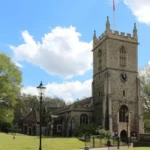
St Mary’s Church, Stratford Bow
St Mary’s Church is one of Bow’s key historical landmarks. Its origins are connected with the area’s medieval development and the establishment of a local religious community.
The church stands within a neighbourhood shaped by centuries of urban change. Its setting helps visitors understand how religious buildings served as local centres before modern transport, shopping and civic facilities became widespread.
Visitors should check current church opening arrangements before planning an interior visit. Public access to religious buildings depends on services, events and maintenance.
The former Bryant and May match factory
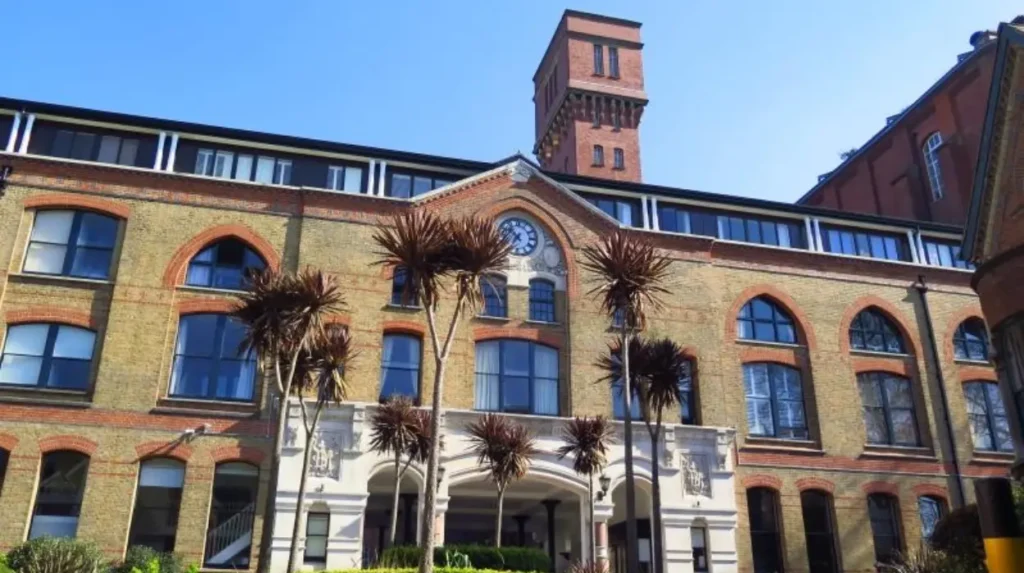
The former Bryant and May match factory on Fairfield Road is one of Bow’s most significant industrial landmarks. The factory was established in 1861 and became closely associated with the manufacture of safety matches.
Historic England identifies the main factory building as a listed structure dating from 1909–10. Its red-brick exterior, substantial industrial scale and distinctive towers preserve evidence of early 20th-century manufacturing architecture. Historic England+1
The former factory complex now forms part of the Bow Quarter residential development. It is best appreciated as an architectural landmark viewed from publicly accessible streets. Residential buildings and private communal areas are not general tourist attractions, so visitors should respect residents’ privacy.
Historic buildings along Bow Road
Bow Road contains buildings that reflect the neighbourhood’s development from a historic settlement into a densely built urban district. Older churches, surviving institutional buildings and traditional street frontages provide architectural interest along the route.
Look for differences in brickwork, window proportions, rooflines and decorative features. These details help distinguish older structures from later commercial and residential developments.
Historic England’s records and the Tower Hamlets heritage resources provide useful references for identifying protected buildings and understanding their significance.
Why is the Bryant and May factory important to Bow’s social history?
The Bryant and May factory is important because the 1888 Matchgirls’ Strike connected Bow with the development of organised labour and women’s employment rights. The dispute challenged working conditions and pay at a major match manufacturer, becoming a significant episode in Britain’s social and industrial history. English Heritage+1
The factory employed large numbers of women and girls during the late 19th and early 20th centuries. Match production involved demanding factory work, and exposure to white phosphorus in some manufacturing processes caused serious health problems, including a condition known as phossy jaw.
In July 1888, approximately 1,400 predominantly female workers walked out of the Bryant and May factory. Their strike lasted around three weeks and resulted in a victory for the workers. The dispute drew public attention to wages, fines, working conditions and the treatment of women in industrial employment. English Heritage+1
Social reformer Annie Besant helped publicise the workers’ grievances. Her involvement made the dispute more widely known and strengthened public debate about industrial employment and collective action.
English Heritage commemorates the strike with a blue plaque at the former factory entrance at 3 Moreland Cottages, Bow Quarter, 60 Fairfield Road. The plaque was erected in 2022. English Heritage
For visitors, the site offers more than an example of Victorian industrial architecture. It connects a surviving building with the people who worked there and the wider history of labour organisation in Britain.
A respectful visit focuses on the factory’s exterior, the commemorative plaque and the historical records documenting the strike. The residential redevelopment also demonstrates how former industrial sites can retain their architectural identity while serving a different purpose.
What can visitors discover at Roman Road Market?
Roman Road Market is a traditional East London street market serving Bow and neighbouring communities. It offers an opportunity to explore local shopping, fresh produce, everyday goods and independent traders while experiencing a commercial street that remains part of the area’s neighbourhood identity.
Roman Road is one of Bow’s best-known shopping streets. The market forms part of a wider high street with shops and food businesses serving local residents and visitors.
Tower Hamlets Council lists Roman Road Market as operating on Tuesdays, Thursdays and Saturdays, generally from 8 am to 6 pm. Market arrangements and individual trader attendance vary, so visitors should confirm details before travelling. towerhamlets.gov.uk
The market is useful for several types of visitor:
- Food shoppers: Fresh produce and other everyday food items provide a practical introduction to local shopping.
- Independent retail enthusiasts: Market stalls and nearby shops offer an alternative to large shopping centres.
- Photographers: Street scenes, shopfronts and market activity provide opportunities for documentary-style photography, with consideration for people’s privacy.
- Cultural explorers: The high street reveals the everyday commercial life of East London beyond its major tourist landmarks.
Visitors should allow time to walk beyond the market stalls and examine the surrounding street. Bow’s identity is closely connected to its residential community, and Roman Road provides a direct view of that relationship.

Which architectural features make Bow worth exploring on foot?
Bow’s architecture combines medieval religious heritage, Victorian industrial buildings, traditional terraced housing and modern residential development. Walking between these different building types helps visitors understand how industry, population growth, transport improvements and redevelopment have reshaped the neighbourhood over several centuries.
Victorian industrial architecture
Bow’s industrial past remains visible in former factory buildings and substantial brick structures. The Bryant and May complex is the clearest example, with its tall towers, repeated windows and functional design.
Industrial buildings were constructed to accommodate machinery, workers, storage and production. Their scale distinguishes them from the smaller houses and commercial premises around them.
Traditional residential streets
Older residential streets show how housing developed alongside employment. Terraced houses, brick façades and repeated building layouts reflect the demand for homes close to factories and transport routes.
Architectural details vary by street and period. Visitors can observe differences in window design, entrance surrounds, roof forms and the use of decorative brickwork.
Contemporary redevelopment
The conversion of former factory buildings into housing illustrates a wider pattern of urban regeneration across East London. Bow Quarter provides an example of industrial architecture being retained and adapted for residential use.
Visitors should distinguish between public streets and private residential spaces. Observing façades from public routes allows architectural exploration without entering private courtyards or buildings.
Where can visitors enjoy parks and green spaces near Bow?
Victoria Park is one of the most important green spaces near Bow, offering gardens, open lawns, a lake, play areas and walking routes. Other nearby parks and waterside paths provide space for outdoor recreation, wildlife observation and breaks between visits to historic landmarks.
Victoria Park
Victoria Park opened in 1845 and was created as a public recreational space for East London’s growing population. It now supports walking, cycling, sports, community activities and seasonal events. visitlondon.com
The park contains several features of interest:
- The Old English Garden: A landscaped area with lawns, hedges and roses.
- The lake: A focal point for walking and observing waterbirds.
- The Burdett-Coutts Fountain Garden: A landscaped area featuring the Grade II-listed fountain.
- Play areas: Facilities for families visiting with children.
- Orchard Meadows: Grassland and fruit trees that provide habitat for birds and insects.
Tower Hamlets Council states that Victoria Park opens at 7 am and closes at dusk throughout the year. Opening arrangements for specific facilities, including seasonal attractions, differ from the general park hours. towerhamlets.gov.uk
Mile End Park
Mile End Park offers another green route close to Bow. Its landscaped spaces and pedestrian paths connect parts of the surrounding neighbourhood and provide an alternative to busy roads.
Visitors can incorporate the park into a walking itinerary between Bow and Mile End. The route also helps link urban exploration with outdoor recreation.
The River Lea and nearby waterways
The River Lea has shaped Bow’s historical geography since the settlement developed around its crossing. Nearby waterside routes allow visitors to appreciate the relationship between rivers, transport, industrial activity and modern recreation.
Waterfront paths suit walking and cycling, although route conditions vary. Visitors should follow signs, respect access restrictions and take care around the water.
How can visitors explore Bow’s waterways and industrial landscape?
Bow’s waterways explain much of its historical development because the River Lea and nearby canals supported movement, industry and connections between East London and surrounding areas. Today, accessible waterside routes provide opportunities for walking, cycling, photography and observing the neighbourhood’s changing built environment.
The River Lea forms an important part of the wider landscape around Bow and Bromley-by-Bow. Its crossings historically connected communities on either side and helped determine the direction of roads and settlement.
During industrial expansion, waterways supported the movement of goods and provided access to industrial sites. Their importance formed part of a wider transport network that included roads and railways.
Today, the river corridor serves different purposes. Some sections provide recreational routes, while others pass through infrastructure, residential developments or industrial areas. Visitors should check access arrangements before setting out, particularly where paths meet bridges, construction sites or private land.
The nearby canal network adds another dimension to a visit. Canal towpaths offer a slower way to experience East London’s urban geography, with views of bridges, water, residential buildings and industrial structures.
A waterside walk also provides context for the relationship between Bow and neighbouring districts. Rather than treating the river as a separate attraction, visitors can use it to understand why the settlement developed where it did and how transport shaped the area.
For a safe outing, use signed public routes, avoid entering restricted industrial areas and remain aware of cyclists on shared paths.
What cultural experiences and local venues can visitors find in Bow?
Bow’s cultural character comes from its community institutions, historic buildings, public markets and connections with East London’s wider arts scene. Visitors can combine architectural exploration with local shopping, nearby cultural venues and community events, although opening hours and access depend on individual organisations and scheduled activities.
Bow’s cultural identity reflects several historical influences. Medieval religious institutions shaped its earliest settlement, Victorian factories influenced its working population, and later migration contributed to the neighbourhood’s changing social and commercial life.
The former Bryant and May factory is particularly important because it links industrial architecture with the history of working women and labour reform. The Matchgirls’ Strike remains a defining episode in the area’s social heritage.
Roman Road Market provides a more contemporary way to experience local culture. Traders, shops and food businesses contribute to the street’s everyday character. Visitors who spend time exploring the surrounding high street gain a broader understanding of the neighbourhood than a short landmark stop provides.
Bow also benefits from its proximity to Mile End, Hackney Wick and Stratford, where cultural organisations, galleries, performance spaces and larger event venues expand the range of activities available. These nearby districts are useful additions to an itinerary, but they should not be confused with attractions located directly in Bow.
Visitors interested in community activities should consult current listings from Tower Hamlets Council and individual venues. Workshops, exhibitions, festivals and performances follow different schedules, so checking details before travelling helps avoid unnecessary journeys.
How can visitors plan a walking tour of Bow’s heritage?
A practical Bow walking tour connects its historic streets, industrial landmarks, local market and nearby green spaces in a manageable route. A half-day itinerary allows time for architectural observation and refreshments, while a full day accommodates a longer park visit and additional attractions around Mile End or Stratford.
A two-hour heritage walk
A short walk suits visitors with limited time or those exploring Bow between business commitments.
Begin around Bow Road or Bow Church station and walk through the historic streets. Continue towards St Mary’s Church, subject to access, then explore publicly accessible routes near the former Bryant and May factory on Fairfield Road.
Allow time to examine the factory’s brickwork and the commemorative plaque associated with the Matchgirls’ Strike. Finish with a walk along Roman Road, where the high street and market provide opportunities to stop for refreshments or browse local shops.
Actual walking time depends on the chosen route, access to sites and time spent at each stop.
A half-day itinerary
A half-day visit provides a wider view of Bow’s history and public spaces.
Start with Bow Road’s historic buildings before visiting the former match factory. Continue to Roman Road Market to explore local businesses and, where trading is taking place, the market stalls.
Afterwards, travel or walk towards Victoria Park for a longer outdoor break. The park’s gardens, lake and open spaces offer a contrast with Bow’s streets and industrial heritage.
This route combines three distinct experiences: historic architecture, neighbourhood commerce and public recreation.
A full-day East London itinerary
Visitors with a full day can extend their exploration into neighbouring districts. Begin in Bow, continue through Victoria Park or Mile End Park, and finish in Stratford or Hackney Wick, depending on interests and available time.
Stratford provides access to major venues and the Queen Elizabeth Olympic Park area. Hackney Wick offers a different urban environment shaped by industrial buildings and creative businesses.
Check transport connections before setting off, particularly when combining several districts. Some attractions require advance booking or have separate admission arrangements.
How can visitors reach Bow by public transport?
Bow is connected to London’s public transport network through Bow Road Underground station, Bow Church Docklands Light Railway station and nearby Underground, rail and bus services. These connections make the neighbourhood accessible from central London and neighbouring East London districts without requiring a car.
Bow Road station is served by the District and Hammersmith & City lines. Bow Church station is on the Docklands Light Railway, providing connections towards destinations including Stratford and the City-area interchange network.
Mile End station, a short journey or walk away depending on the destination, offers Central, District and Hammersmith & City line services. The most suitable station depends on whether the main destination is Roman Road, the former factory or a nearby park.
Visitors should use Transport for London’s journey planner to check current services, planned engineering work and station accessibility. Travel times vary according to the starting point and time of day.
Is Bow suitable for walking and cycling?
Bow is suitable for visitors who want to explore a neighbourhood on foot, particularly when attractions are grouped into a single route. Walking allows closer observation of building details, shopfronts and street layouts.
Cycling offers a practical way to travel between Bow, Victoria Park, Mile End and surrounding districts. Visitors should follow designated cycle routes where available and take care on shared paths.
Not every street provides the same pedestrian or cycling conditions. Road crossings, traffic, construction work and the condition of towpaths affect route choice. Visitors with mobility requirements should check specific surfaces, gradients and step-free access before travelling.
What should visitors know about food, shopping and local amenities in Bow?
Bow offers everyday shopping, market stalls, cafés, takeaway food businesses and local services that support both visitors and residents. Roman Road is a useful starting point for exploring the neighbourhood’s commercial life, while nearby streets provide additional options for meals and refreshments.
Roman Road Market provides an opportunity to purchase food and everyday goods while experiencing a traditional East London shopping street. Market trading days and individual stalls vary, so visitors seeking a particular product should check current arrangements.
The surrounding high street contains independent businesses and convenience shops. These are useful for visitors who prefer informal meals or need basic supplies during a day of sightseeing.
Bow’s food scene reflects the wider diversity of East London. Visitors can look for cafés, bakeries and restaurants serving different cuisines, but individual menus, dietary provisions and opening hours should be verified directly.
For a simple itinerary, plan a meal around Roman Road and leave additional time for Victoria Park or nearby cultural attractions. This approach reduces unnecessary travel between sightseeing stops and food destinations.
Visitors attending events in Stratford or elsewhere in East London should also consider peak-time demand. Major events increase pressure on transport and hospitality businesses, particularly during evenings and weekends.
Is Bow suitable for families, solo travellers and remote workers?
Bow suits several types of visitor because its historic streets, public parks, local shops and transport connections support different travel needs. Families benefit from nearby open spaces, solo travellers can explore the neighbourhood independently, and remote workers can use suitable cafés or bookable workspaces where facilities are confirmed.
Visiting Bow with children
Victoria Park provides open space, play areas and a lake, making it a useful family destination. Children can combine outdoor recreation with a short walk through Bow’s historic streets.
Families should plan routes around children’s walking distances, meal breaks and toilet facilities. Check current park information for available facilities and any seasonal restrictions.
Exploring Bow alone
Solo visitors can explore the neighbourhood through a self-guided walk connecting public streets, historic architecture and Roman Road. The route offers flexibility to spend more time at landmarks that match personal interests.
Check the return journey before visiting, particularly when planning to explore after dark or attend an evening event. Keep valuables secure and use well-lit public routes.
Working remotely in Bow
Remote workers can use local cafés for short work sessions where seating, Wi-Fi and customer policies permit. Longer work periods require a more deliberate search for bookable coworking facilities or business centres.
Confirm internet access, power sockets, noise levels, opening hours and minimum-spend requirements before choosing a venue. Not every café is equipped for extended laptop use.
Bow’s transport links also make it practical for business travellers staying elsewhere in London. A short heritage walk can fit around meetings, while Victoria Park offers outdoor space between work commitments.
What is the best time to visit Bow?
Bow can be explored throughout the year, but spring and summer generally provide longer daylight hours for walking, outdoor recreation and visits to Victoria Park. Market days add activity to Roman Road, while colder or wetter weather favours shorter routes with indoor breaks and flexible sightseeing plans.
Spring brings longer days and seasonal growth in the area’s parks and gardens. Visitors interested in flowers, trees and wildlife benefit from allowing extra time for Victoria Park.
Summer offers more daylight for exploring several neighbourhood attractions in one visit. Parks and outdoor routes are useful during dry weather, although popular public spaces become busier during warm weekends and major events.
Autumn provides opportunities to observe changing foliage in the parks and gardens. Shorter daylight hours make it important to plan the order of outdoor stops carefully.
Winter visits remain practical because Bow’s historic streets, markets and industrial architecture can be explored without relying entirely on outdoor activities. Check market schedules, daylight hours and the weather forecast before travelling.
There is no single best date for every visitor. The ideal timing depends on whether the priority is architecture, market activity, outdoor recreation or a wider East London itinerary.
Explore More Area Guide
Exploring Stepney: Historic Places and Attractions in East London
Mile End Guide: Parks, Heritage and London Attractions
How can visitors explore Bow responsibly and protect its heritage?
Responsible visits to Bow respect its residential character, historic buildings, public spaces and local businesses. Visitors help protect the neighbourhood by using public routes, avoiding restricted residential areas, following park regulations, disposing of rubbish responsibly and treating historic landmarks as important parts of a living community.
Bow is not an open-air museum. Its historic streets and former industrial buildings remain part of an active residential neighbourhood. Visitors should avoid entering private courtyards, photographing residents without permission or obstructing entrances while examining architectural details.
Historic buildings also require care. Listed status identifies structures recognised for their special architectural or historic interest. Visitors should avoid touching vulnerable surfaces, climbing on structures or entering buildings without permission.
Public parks and waterways require similar consideration. Follow posted rules, keep dogs under control where required, use designated paths and take litter away when bins are unavailable. Near the River Lea and canal towpaths, remain alert to cyclists and keep a safe distance from the water.
Supporting independent traders on Roman Road also contributes to the local economy. Buying from local businesses, respecting market arrangements and checking opening times before travelling help make visits more convenient for everyone.
Visitors interested in heritage preservation can consult Historic England’s National Heritage List for England and Tower Hamlets Council’s heritage resources. These organisations provide information about protected buildings, historic sites and the planning framework that helps conserve the area’s character.
Why should Bow be included in an East London itinerary?
Bow deserves a place on an East London itinerary because it brings together medieval settlement history, Victorian industry, working-class social reform, traditional shopping streets and accessible green spaces. Its landmarks explain how transport, manufacturing and community life shaped the capital, while its parks and local businesses provide practical reasons to spend time in the neighbourhood.
Bow’s attractions are connected by a clear historical narrative. The medieval crossing of the River Lea established an important route, industrialisation transformed the surrounding landscape, and the Bryant and May factory connected the neighbourhood with the Matchgirls’ Strike of 1888.
Roman Road Market demonstrates the continuing importance of local commerce, while Victoria Park provides outdoor recreation close to the historic streets. Together, these places create an itinerary that combines architecture, social history and everyday East London life.
Visitors can explore the neighbourhood in a few hours or extend their visit into Mile End, Stratford and Hackney Wick. Public transport makes these connections practical, although individual journey times depend on current services and the chosen route.
Bow’s appeal rests on its historical depth and its continued role as a residential community. Exploring its streets and landmarks gives visitors a more detailed understanding of East London and the forces that shaped its development.
What is Bow in East London famous for?
Bow is known for its industrial heritage, the historic Bryant and May match factory, the 1888 Matchgirls’ Strike, Roman Road Market, historic churches and proximity to Victoria Park.