Key Points
- New Pilot Scheme: Barts Health NHS Trust and UCLPartners have launched a pilot project in East London delivering inclisiran, a cholesterol-lowering injection, via local community pharmacies.
- Target Audience: The initiative targets patients living with high cholesterol and cardiovascular disease who require advanced therapy beyond daily tablets.
- Core Objective: The primary aims are to shorten months-long hospital lipid clinic waiting lists, improve patient access to care closer to home, and address healthcare inequalities across East London.
- First Beneficiaries: Local residents, including a 70-year-old grandmother from Chadwell Heath, are already receiving treatment at community locations like Rohpharm Pharmacy in Ilford, reducing travel and wait times from a full day to 20 minutes.
- Wider Program Context: The pilot forms part of the broader Barts Health East London Prevention of Cardiovascular Disease (ELoPe-CVD) program.
East London (East London Times) October 23, 2026 – A new community pharmacy initiative has been launched across East London to deliver specialized cholesterol-lowering injections locally, aiming to ease severe pressure on hospital lipid clinics and significantly shorten patient waiting times. Under the innovative pilot project, funded by health partners and jointly executed by Barts Health NHS Trust alongside health innovation network UCLPartners, eligible patients living with high cholesterol no longer need to travel to central hospitals for routine lipid management. Instead, individuals are receiving inclisiran—a twice-weekly-administered twice-yearly cholesterol-lowering injection—directly through participating high-street pharmacies. The trial forms a key component of the wider East London Prevention of Cardiovascular Disease (ELoPe-CVD) program led by Barts Health, which seeks to test novel methods to prevent heart disease, reach vulnerable groups faster, and optimize NHS resources throughout the region.
- Key Points
- What Do Patient Experiences Reveal About the Convenience of Local Treatment?
- Why Is Bringing Cardiovascular Care Closer to Home Vital for East London Patients?
- What Is the Background to the ELoPe-CVD Initiative and Hospital Lipid Services?
- How Will This Pharmacy Development Affect Patients and Primary Healthcare Delivery?
What Do Patient Experiences Reveal About the Convenience of Local Treatment?
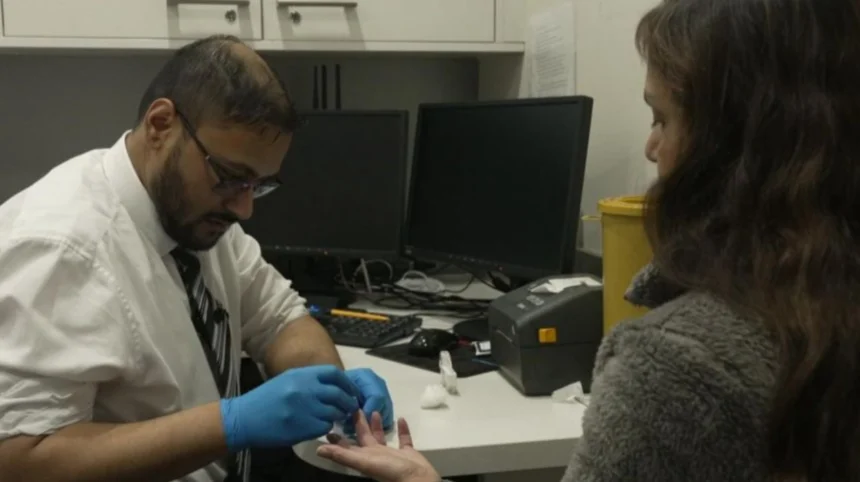
Patients enrolled in the initial rollout have reported significant time savings and reductions in daily disruption compared to attending traditional hospital appointments. As highlighted in regional health reporting, 70-year-old Ashleen Back, a grandmother-of-two residing in Chadwell Heath, was among the first individuals to receive her six-monthly inclisiran treatment at Rohpharm Pharmacy located in Ilford.
Describing the immediate effect on her daily routine, Back observed that the local provision has made her life substantially easier. She explained that receiving her treatment previously at Barts Hospital would routinely absorb an entire day due to travel logistics and extended wait times in hospital waiting rooms. In contrast, traveling to her local pharmacy required only 10 minutes, with the entire medical appointment completed within 20 minutes.
Back emphasized the practical significance of these time savings given her personal caregiving responsibilities. She noted that her mother requires extensive care following a stroke, alongside her ongoing support in caring for her two grandchildren, aged 9 and 10. Consequently, managing her time efficiently remains a paramount priority. She expressed considerable satisfaction that the newly introduced scheme has effectively given her back a full day of her schedule.
Why Is Bringing Cardiovascular Care Closer to Home Vital for East London Patients?
The clinical driving force behind the community-based rollout centers on clinical necessity and health equity across diverse urban populations. Leading the pilot, Professor Riyaz Patel, Consultant Cardiologist at Barts Heart Centre, explained that participants entering the study suffer from underlying heart disease and urgently require advanced cholesterol-lowering therapies beyond standard daily oral medications to mitigate their risk of future cardiovascular events.
Professor Patel noted that despite this urgent clinical need, patients frequently face significant barriers attending hospital-based appointments to obtain advanced treatments. He emphasized that by decentralizing care and bringing services directly into local neighborhoods via community pharmacies, clinical teams can reach patients more rapidly, decrease existing waiting lists, release valuable hospital capacity, and tackle persistent inequalities in access to cardiovascular healthcare across East London.
What Is the Background to the ELoPe-CVD Initiative and Hospital Lipid Services?
Background of the particular development
Cardiovascular disease remains one of the primary causes of premature mortality and long-term morbidity within the United Kingdom, with elevated low-density lipoprotein (LDL) cholesterol representing a major controllable risk factor. Traditionally, specialized lipid-lowering treatments—particularly advanced therapies like inclisiran, a small interfering RNA (siRNA) therapy that inhibits PCSK9 protein synthesis—have been restricted to specialized tertiary hospital lipid clinics.
However, NHS secondary care facilities across London have experienced sustained pressures, resulting in extended waiting times for routine cardiovascular follow-ups and specialist clinic slots. In response to these systemic bottlenecks, Barts Health NHS Trust established the East London Prevention of Cardiovascular Disease (ELoPe-CVD) initiative. Designed as a comprehensive strategy to overhaul preventative cardiac care, ELoPe-CVD focuses on shift-left healthcare strategies: transferring routine management, administration, and monitoring from overstretched acute hospital settings into accessible primary and community care environments. By partnering with UCLPartners, the initiative aligns with broader NHS Long Term Plan objectives to utilize community pharmacists’ clinical skills, decentralize secondary care tasks, and improve early intervention metrics across socioeconomically diverse boroughs.
How Will This Pharmacy Development Affect Patients and Primary Healthcare Delivery?
Prediction: Impact on key audiences
The ongoing transition of inclisiran administration from central acute hospitals to neighborhood community pharmacies is anticipated to yield distinct structural and personal outcomes for multiple key stakeholders across East London.
- For Local Cardiovascular Patients: Patients diagnosed with hypercholesterolemia and established heart disease will experience vastly improved treatment adherence and reduced physical strain. By eliminating long commutes to central facilities like Barts Hospital and reducing appointment durations from several hours to under 30 minutes, patient compliance with six-monthly injection schedules is projected to rise significantly. Furthermore, individuals balancing unpaid caregiving duties or mobility limitations will face fewer logistical hurdles, leading to better overall long-term management of their blood lipid levels and reduced risk of secondary heart attacks or strokes.
- For Hospital Lipid Clinics and Specialist Staff: Acute hospital cardiology departments and specialized lipid clinics stand to regain substantial operational capacity. Transitioning stable, routine injection appointments to community pharmacies frees up specialist consultants and hospital nurses to focus on complex, high-risk clinical cases and urgent diagnostics. Over a 12-to-18-month period, this shift is expected to shorten baseline waiting times for initial specialist consultations across Barts Health NHS Trust.
- For Community Pharmacists and the Primary Care Ecosystem: Community pharmacies like Rohpharm Pharmacy will solidify their position as clinical care hubs rather than strictly dispensaries. While this shift increases operational responsibilities for pharmacy staff, it enhances integration between primary care practitioners, health innovation networks, and NHS trust specialists. If the East London pilot proves cost-effective and clinically successful, the framework is highly likely to be adopted nationally as a blueprint for managing other chronic condition therapies within community settings.