


East London Times (ELT)East London Times (ELT)East London Times (ELT)
  • Local News
    • Redbridge News
    • Hackney News
    • Newham News
    • Havering News
    • Tower Hamlets News
    • Waltham Forest News
    • Barking and Dagenham News
  • Crime News​
    • Havering Crime News
    • Barking and Dagenham Crime News
    • Tower Hamlets Crime News
    • Newham Crime News
    • Redbridge Crime News
    • Hackney Crime News
    • Waltham Forest Crime News
  • Police News
    • Barking and Dagenham Police News
    • Havering Police News
    • Hackney Police News​
    • Newham Police News
    • Redbridge Police News
    • Tower Hamlets Police News
    • Waltham Forest Police News
  • Fire News
    • Barking and Dagenham Fire News
    • Havering Fire News
    • Hackney Fire News​
    • Newham Fire News
    • Redbridge Fire News
    • Tower Hamlets Fire News
    • Waltham Forest Fire News
  • Sports News
    • West Ham United News
    • Tower Hamlets FC News
    • Newham FC News
    • Sporting Bengal United News
    • Barking FC News
    • Hackney Wick FC News
    • Dagenham & Redbridge News
    • Leyton Orient News
    • Clapton FC News
    • Havering Hockey Club News
East London Times (ELT)East London Times (ELT)
  • Local News
  • Crime News​
  • Police News
  • Fire News
  • Sports News
  • Local News
    • Redbridge News
    • Hackney News
    • Newham News
    • Havering News
    • Tower Hamlets News
    • Waltham Forest News
    • Barking and Dagenham News
  • Crime News​
    • Havering Crime News
    • Barking and Dagenham Crime News
    • Tower Hamlets Crime News
    • Newham Crime News
    • Redbridge Crime News
    • Hackney Crime News
    • Waltham Forest Crime News
  • Police News
    • Barking and Dagenham Police News
    • Havering Police News
    • Hackney Police News​
    • Newham Police News
    • Redbridge Police News
    • Tower Hamlets Police News
    • Waltham Forest Police News
  • Fire News
    • Barking and Dagenham Fire News
    • Havering Fire News
    • Hackney Fire News​
    • Newham Fire News
    • Redbridge Fire News
    • Tower Hamlets Fire News
    • Waltham Forest Fire News
  • Sports News
    • West Ham United News
    • Tower Hamlets FC News
    • Newham FC News
    • Sporting Bengal United News
    • Barking FC News
    • Hackney Wick FC News
    • Dagenham & Redbridge News
    • Leyton Orient News
    • Clapton FC News
    • Havering Hockey Club News
  • Privacy Policy
  • Cookies Policy
  • Report an Error
  • Sitemap
  • Code of Ethics
  • Help & Resources
East London Times (ELT) © 2026 - All Rights Reserved
East London Times (ELT) > Local East London News > Hackney News > Hackney Gentrification: Rising Costs and Community Change
Hackney News

Hackney Gentrification: Rising Costs and Community Change

Duncan Robertson
Last updated: August 5, 2026 9:15 am
Duncan Robertson
29 seconds ago
Local News Journalist -
@D_Robertson061
Share
Hackney Gentrification: Rising Costs and Community Change

When adjusted for inflation, the average home in Hackney cost £305,000 in 2001, and the average rate of rent was roughly £1250 per month. In the same year, half the district worked manual or service jobs, significantly exceeding the number of residents who were in middle-class and professional roles.

Today, the average price of a home in Hackney is £608,000, and the cost of rent is £2635 per month. The cost-of-living crisis has certainly contributed to this, as it has across London, but there is far more to the story of the area’s rapid increase in property prices than may initially meet the eye. As one would expect, Hackney’s growing unaffordability has reworked the area’s class architecture, as today substantially more residents work in middle-class or creative positions, while only around 20% fulfil positions in working class roles.

Perhaps the most defining point in Hackney’s economic transformation came in 2012. With the London Olympics being centred around Stratford and its Olympic Park, tens of millions of pounds in investment flooded into the neighbouring Hackney Wick and Hackney Marshes. This saw over £100 million put towards the funding of regeneration schemes, which included the construction of thousands of new homes. This governmental investment triggered an avalanche of property developers who capitalised on the area’s regeneration and funded large, high-end developments. These projects not only vastly outweighed the number of council-built houses, but also completely reshaped the nature of Hackney’s housing market. This, in the broadest sense, evinces the cogs within the systems of gentrification turning.

However, the consequences of regeneration are more personal and perhaps more subtle than what a simple growth in housing may suggest. With the introduction of higher value homes and improvements in the socio-economic conditions of the area, a predictable influx of wealthier newcomers moved into the area. The knock-on effects of this brought, and continue to bring, repercussions for the established, less affluent residents. Families who rented or were looking to move somewhere else within Hackney were met with unmanageable escalating costs. The average value of a home in the district has doubled since the turn of the century, and those who rent have been subject to surging rates.

The chain of events brought on by this extreme inflation has left Hackney partially unrecognisable. A major form of change regards demographics, as since 2012 the number of working class black and Turkish residents has seen a steady decrease. The area’s multicultural profile has become noticeably less diverse, saturated now with well-heeled residents from other parts of the city and outer London who are alien to the community’s historical identity. As well as this, the number of children living in the area has seen a drastic decline. With families being unable to handle increased financial pressures, many parents have moved themselves and their children out of Hackney and into more affordable areas. The fact that eight primary schools have closed since 2012, due to falling pupil numbers, encapsulates the extent of this demographic change. While parts of Hackney’s original community continue to uphold the area’s cultural foundations, the economic realities and pressures of regeneration have clearly affected several groups within the district.

Due to the area’s existing residents leaving, the social fabric of Hackney has equally warped. Community organisations have failed to maintain themselves alongside the rise in rent prices, with several long-established venues and workshops closing over the past decade. Moreover, economic challenges have had a major impact upon independent high-street businesses, which have struggled to adapt to the competition of financially stronger companies. Not only does the established population’s flight have an impact on the area’s identity, but the traditional and community-centred businesses which once defined Hackney’s high-street are growing scarcer.

For all the aesthetic improvements and economic developments it may bring, Hackney serves as a microcosm of gentrification’s broader implications. Families ingrained in Hackney life, who have perhaps lived there for generations, are now incapable of withstanding the area’s dramatic costs of property and living. The ripples of regeneration have equally shattered the area’s long-standing sense of community, with its multicultural makeup, hubs of local life and small businesses now being replaced with economically advantaged substitutes. Akin to many other areas in the capital, the case of Hackney illustrates the social costs of gentrification.

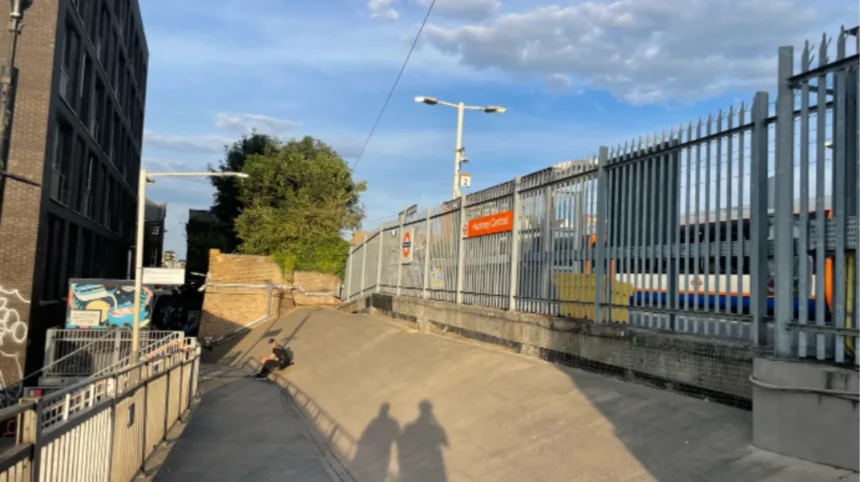
Gail’s in Hackney Central: Gentrification Complete 2026
East London Launches The Guest Shift Bartending Series
Hackney’s Tskenya-Sarah Frazer Wins British Citizen Award for Community Service
Hackney Backs Zane’s Law on Contaminated Land 2026
Former Hackney pub set to become Gail’s almost a year after sudden closure
Duncan Robertson
ByDuncan Robertson
Follow:
Duncan Robertson is a Local News Journalist at the East London Times (ELT), covering a wide range of stories across politics, culture, music, crime, and current affairs. He reports on local developments in areas including Newham, Havering, Hackney, Tower Hamlets, and South London, while also covering UK Parliament, foreign policy, world news, and major political developments such as new government policies and cabinet changes. His work also extends to special features, live news updates, and opinion pieces, including music and film reviews and analysis of past and present UK governments. Alongside his journalism, Duncan is currently studying for a BA in English at Durham University, with a strong interest in culture, politics, and history. Through his writing, he explores the stories that shape communities, highlights local voices, and examines the connections between people, places, and wider social issues.
Previous Article Tower Hamlets Attractions: History and Modern City Experiences for Visitors Tower Hamlets Attractions: History and Modern City Experiences for Visitors
East London Times footer logo

All the day’s headlines and highlights from East London Times, direct to you every morning.

Area We Cover

  • Hackney News
  • Havering News
  • Newham News
  • South East London News
  • Redbridge News
  • Tower Hamlets News
  • Waltham Forest News

Explore News

  • Crime News​
  • Fire News
  • Police News
  • Live Traffic & Travel News
  • Sports News

Discover ELT

  • About East London Times (ELT)
  • Become ELT Reporter
  • Contact East London Times (ELT)
  • Street Journalism Training Programme (Online Course)
  • Politicians
  • Journalists
  • Contributors

Useful Links

  • Privacy Policy
  • Cookies Policy
  • Report an Error
  • Sitemap
  • Code of Ethics
  • Help & Resources
East London Times (ELT) © 2026 - All Rights Reserved
Welcome Back!

Sign in to your account

Username or Email Address
Password

Lost your password?