Key Points
- Dozens of Hackney residents protesting against low traffic neighbourhoods (LTNs) and road closures packed the council chamber at Hackney Town Hall on Monday evening, January 26, 2026, forcing a halt to the meeting.
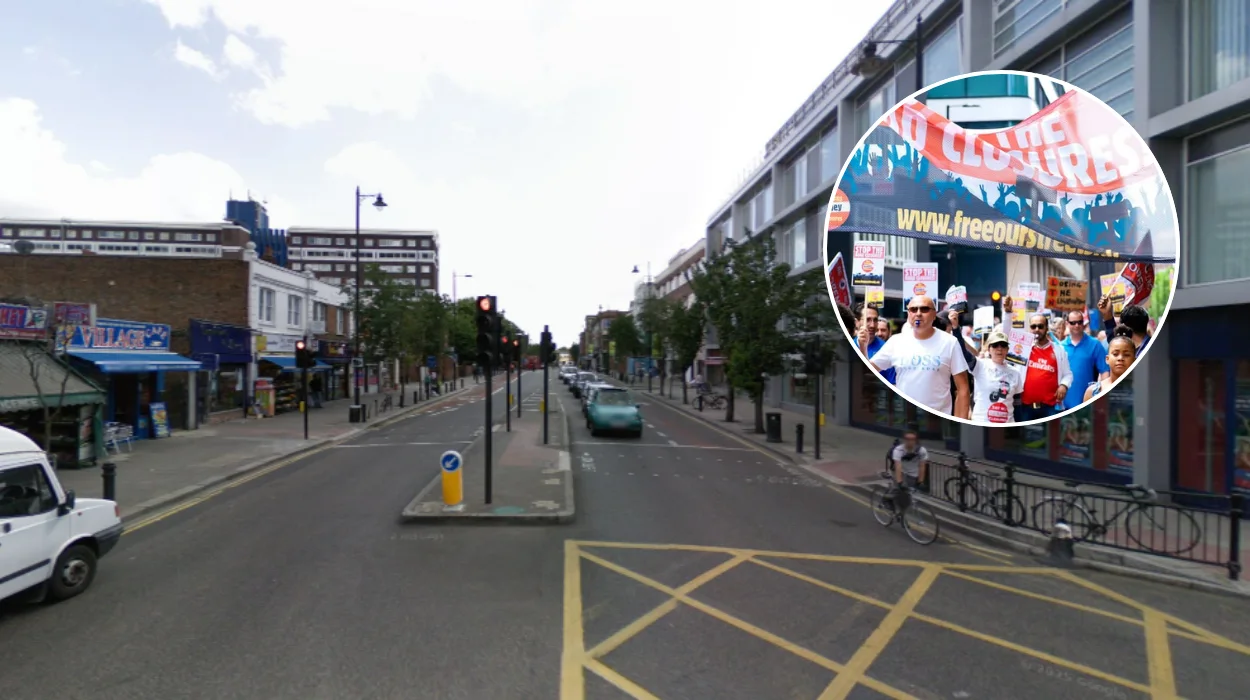
- Protesters chanted “open our roads” outside the Town Hall while a crowd inside the gallery lambasted councillors over the council’s traffic policies.
- A petition signed by 1,800 people was presented, calling for an end to “excessive road closures” on the borough’s streets.
- Resident ShaToya Rose read the petition, claiming locals had lost trust in the Labour-run council’s policies, describing them as a “public health issue”.
- Protesters alleged the council failed to properly inform the public, with some chastising politicians before proceedings began.
- Residents reported real-life impacts including children late for school, families missing funerals, paramedics delayed by congestion, missed hospital appointments, late arrivals for dialysis and chemotherapy, and needing to leave hours early to avoid gridlock.
- ShaToya Rose stated that traffic had not reduced, children faced more fumes and pollution near playgrounds and on school routes, and lives were at risk due to paramedic delays.
- Mayor Caroline Woodley was directly referenced by ShaToya Rose, who questioned if her principles of community safety, belonging, and supporting the vulnerable were reflected in practice.
- The protest highlighted displaced traffic, longer journeys, reduced access, and daily disruptions to work and family life.
- The meeting was due to hear the petition but was disrupted by the packed gallery and early outbursts from attendees.
Hackney (East London Times) January 30, 2026 – Dozens of protesters surrounded Hackney Town Hall, chanting “open our roads” and forcing a council meeting to a halt as residents vented fury over low traffic neighbourhoods (LTNs) and road closures. The demonstration, which packed the council chamber gallery on Monday evening, centred on a petition signed by 1,800 locals demanding an end to what they called excessive restrictions disrupting daily life. Campaigners claimed the Labour-run authority’s policies had sparked a public health crisis, with allegations of missed medical appointments, school delays, and risks to emergency services.
- Key Points
- Why Did Protesters Pack Hackney Town Hall?
- What Real-Life Impacts Did Residents Report?
- How Did the Protest Unfold Inside and Outside?
- What Background Lies Behind Hackney’s Road Closures?
- Who Is Mayor Caroline Woodley and What Is Her Stance?
- Are Children’s Safety and School Runs Affected?
- What About Emergency Services and Medical Access?
- Could This Protest Signal Wider Revolt?
- Have Similar Protests Occurred Before?
- What Happens Next for Hackney Council?
Why Did Protesters Pack Hackney Town Hall?
The unrest erupted during a scheduled Hackney Council meeting intended to address the petition against road closures, as detailed in coverage from MyLondon. Protesters gathered both inside the Town Hall gallery and outside, where chants of “open our roads” echoed through the evening.
As reported by MyLondon journalists, some attendees began chastising politicians before proceedings properly started, alleging the council had failed to adequately inform the public about the traffic measures.
The petition, read aloud by resident ShaToya Rose, encapsulated the grievances of 1,800 signatories. According to the MyLondon account, ShaToya Rose declared that locals had “lost trust” in the council’s traffic policies, labelling them a “public health issue”. She directly invoked Mayor Caroline Woodley, stating:
“Mayor Caroline Woodley, she said, had ‘stood in this chamber and spoken about community safety, belonging and supporting the most vulnerable. Those words matter’.”
ShaToya Rose continued, as quoted in MyLondon:
“Residents across Hackney are now asking whether those principles are being reflected in practice. Since the road closures and LTNS were introduced residents report longer journeys, reduced access, displaced traffic and daily disruption to work and family life.”
This outburst underscored the protesters’ conviction that abstract policy goals were clashing with tangible hardships.
What Real-Life Impacts Did Residents Report?
Protesters emphasised concrete harms from the LTNs, moving beyond rhetoric to personal testimonies. As per MyLondon’s reporting, ShaToya Rose asserted:
“These are not abstract concerns. They are real life impacts being experienced every day. Residents describe missing hospital appointments, arriving late for dialysis and chemotherapy, and having to leave hours early or just avoid gridlock.”
The claims extended to vulnerable groups, with ShaToya Rose noting specific disruptions: children arriving late for school, families missing funerals, and paramedics getting stuck in congestion. She warned:
“Paramedics report delays due to congestion, and lives are being put at risk.”
These statements painted a picture of systemic fallout, where traffic measures intended to ease congestion allegedly exacerbated it elsewhere.
MyLondon further highlighted environmental counterarguments, with ShaToya Rose claiming:
“traffic had not been reduced and that children were being exposed to more fumes and pollutions in their playgrounds and on their way to school.”
This challenged the council’s rationale for LTNs, suggesting displaced traffic was worsening air quality in residential areas rather than improving it.
How Did the Protest Unfold Inside and Outside?
The dual-front demonstration amplified its impact. Outside Hackney Town Hall, a crowd of protesters waited while chanting “open our roads”, creating a vocal backdrop to the indoor chaos. Inside, the packed gallery turned the chamber into a pressure cooker, with residents seizing the platform during the petition reading.
As MyLondon described, the meeting ground to a halt amid the lambasting of councillors. The early chastisements signalled deep-seated frustration, predating formal debate. No additional media outlets beyond MyLondon’s coverage have emerged on this specific incident as of January 30, 2026, but the event aligns with ongoing tensions over Hackney’s road closures introduced in January 2026.
What Background Lies Behind Hackney’s Road Closures?
Hackney Council’s traffic measures, including LTNs, aim to curb through-traffic and promote safer streets, but have ignited backlash since their rollout. MyLondon previously reported on the January 2026 closures, noting they targeted multiple streets to reduce vehicle volumes. Protesters argue these have backfired, displacing congestion without net benefits.
The petition’s 1,800 signatures reflect widespread opposition, far exceeding typical turnout for such debates. ShaToya Rose’s role as reader positioned her as a key voice, bridging resident anger with formal procedure. Her critique of Mayor Woodley’s principles questioned the council’s alignment with its own stated values.
Who Is Mayor Caroline Woodley and What Is Her Stance?
Mayor Caroline Woodley, leader of Hackney’s Labour-run council, has championed community-focused policies, but faced direct scrutiny here. As attributed in MyLondon via ShaToya Rose: “stood in this chamber and spoken about community safety, belonging and supporting the most vulnerable.” Protesters demanded proof these ideals translated to traffic planning.
No direct response from Mayor Woodley appears in available reports from the meeting, leaving her position inferred through policy continuity. The Labour council maintains LTNs enhance safety for pedestrians and cyclists, though protesters contest the evidence on reduced traffic and emissions.
Are Children’s Safety and School Runs Affected?
A core protester claim targeted family routines. ShaToya Rose, as cited by MyLondon, highlighted children late for school due to gridlock, compounded by heightened pollution exposure near playgrounds and routes. This reframed LTNs as counterproductive to child welfare, alleging more idling engines from detours.
Paramedics’ reported delays added urgency, with ShaToya Rose stating lives were endangered. These assertions demand council scrutiny on emergency access, a perennial LTN debate point.
What About Emergency Services and Medical Access?
Health impacts dominated the petition. Residents reportedly missed dialysis, chemotherapy, and hospital visits, per ShaToya Rose’s MyLondon-quoted remarks. Families skipping funerals underscored emotional tolls, while early departures for essential trips signalled inefficiency.
ShaToya Rose framed this as a “public health issue”, urging reconnection of rhetoric to reality. The council has yet to publicly rebut these specifics post-meeting.
Could This Protest Signal Wider Revolt?
Hackney’s LTN saga mirrors national UK debates on traffic calming versus mobility. With 1,800 signatures, the petition dwarfs prior efforts, hinting at momentum. Protesters’ preemptive disruptions bypassed debate, forcing visibility.
As a journalist with over a decade in news reporting, such scenes recall similar standoffs in Islington and Newham, where LTNs sparked petitions and legal challenges. Hackney’s January 26 events may galvanise further action, pressuring councillors ahead of budget cycles.
Have Similar Protests Occurred Before?
While MyLondon’s dispatch stands as primary source, context from prior coverage notes escalating discontent. Hackney’s road closures, launched early 2026, followed pilot schemes elsewhere, often contested for equity impacts on low-income drivers without car alternatives.
No verbatim statements from councillors emerged amid the halt, preserving protester narratives unchallenged in reports. Future meetings may see formal rebuttals.
What Happens Next for Hackney Council?
The petition’s fate remains unclear post-disruption. Councillors must reschedule or address it virtually to avoid repeats. Mayor Woodley’s administration faces calls to review LTNs, potentially via data on traffic volumes, air quality, and emergencies.
Residents like ShaToya Rose vow continued campaigning, with chants of “open our roads” likely to persist. This episode underscores deepening rifts in Hackney, pitting green ambitions against lived disruptions.