Key Points
- Immediate Closure: Network Rail and British Transport Police have closed the Brickfields level crossing in Havering, East London, following severe safety breaches by young people.
- Dangerous Behaviour Recorded: Surveillance footage and local reports revealed children engaging in life-threatening activities on the tracks, including playing “chicken” with oncoming trains and performing handstands.
- Repeated Incidents: The closure comes after multiple warnings and recorded deliberate misuse at the crossing, forcing railway authorities to prioritize public safety over pedestrian access.
- Disruption to Pedestrians: The closure cuts off a local footpath link, requiring residents to take alternative routes until safety assessments and long-term risk mitigations are established.
- Official Enforcement: Transport authorities have launched safety awareness drives in surrounding schools and increased police patrols around the location.
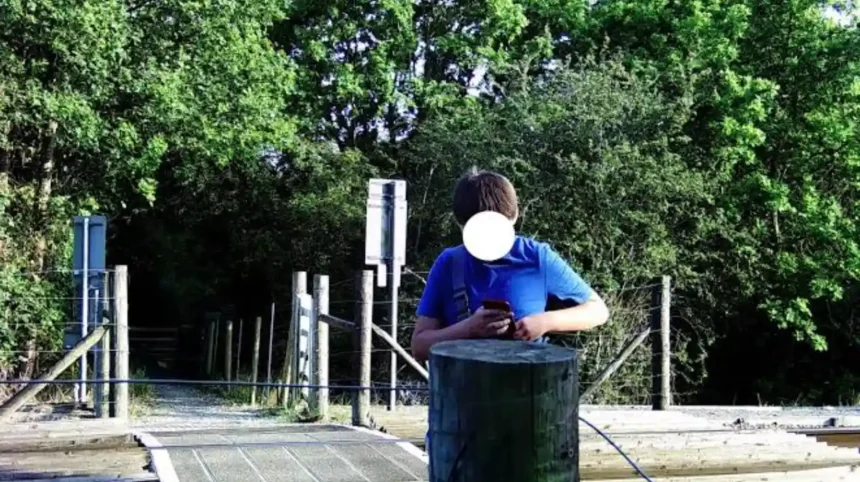
Havering (East London Times) October 14, 2026 – Network Rail and the British Transport Police have taken the decision to temporarily shut down the Brickfields level crossing in the London Borough of Havering after video footage emerged showing children performing handstands and playing “chicken” on active railway tracks.
- Key Points
- What Triggered the Decision to Close the Crossing?
- How Have Transport Authorities and Police Responded to the Incidents?
- What Impact Does the Closure Have on the Local Havering Community?
- Background of the Brickfields Level Crossing Development
- Prediction: How Will This Development Affect Local Residents and Rail Users?
The immediate action was taken following a sharp rise in dangerous behaviour at the East London crossing. Railway safety teams noted that young people were intentionally waiting until trains approached before stepping onto the line, as well as performing gymnastics on the metal rails. The extreme nature of these stunts led authorities to conclude that the risk of a fatal accident had reached an unacceptable level, necessitating a total closure of the pedestrian rights-of-way across the track.
What Triggered the Decision to Close the Crossing?
The emergency closure was prompted by a series of alarming incidents captured on closed-circuit television and reported by train drivers operating on the route. Authorities noted that despite previous public awareness campaigns highlighting the extreme dangers of railway trespass, groups of children continued to gather at the Brickfields pedestrian crossing to engage in high-risk games.
Train drivers traversing the Havering section had reported multiple instances of emergency brake applications after sighting children standing between the rails. Playing “chicken”—a thrill-seeking act where individuals attempt to stay on the track as long as possible before an oncoming train arrives—was identified as the primary catalyst for the shutdown. In several recorded clips, youths were also seen balancing on one hand across the live rail line, seemingly unaware or unconcerned by the speed and stopping distances required for passenger and freight services.
Speaking on the operational necessity of the intervention, officials highlighted that high-speed trains traveling through the area cannot stop instantly, often requiring several hundred metres to come to a complete halt even when emergency brakes are activated. Consequently, allowing the crossing to remain open presented an immediate hazard to human life.
How Have Transport Authorities and Police Responded to the Incidents?
In response to the escalation of reckless acts, Network Rail partnered with the British Transport Police to enforce an immediate prohibition of access at the Brickfields site. Heavy barriers and official closure notices have been erected on both approaches to the footpath to prevent further unauthorized entry.
The British Transport Police have stepped up physical patrols across the Havering rail corridor to deter trespassing and identify the youths involved in the recorded incidents. Officers have also liaised with nearby educational establishments to conduct urgent assemblies on railway safety. These presentations aim to educate teenagers and children on the physical risks associated with railway infrastructure, including overhead line equipment and the speed of approaching trains.
Network Rail route safety managers reiterated that level crossings are designed for quick and direct passage from one side of the track to the other, rather than places for congregation or recreational activities. Officers confirmed that those identified as trespassing or endangering the safe operation of the railway could face formal enforcement action, including prosecution through the youth justice system.
What Impact Does the Closure Have on the Local Havering Community?
The decision to close the Brickfields level crossing has created immediate logistical challenges for residents living in the surrounding Havering neighborhood. The crossing serves as a key pedestrian link connecting local residential streets with nearby green spaces, public transport links, and local amenities.
With the closure now in effect, pedestrians who relied on the footpaths are forced to use alternative routes, which add significant walking time to daily commutes and school runs. Local community members have expressed mixed reactions; while many acknowledge the necessity of prioritizing safety to prevent a tragedy, others have voiced frustration over the disruption caused by the actions of a minority of youths.
Network Rail has acknowledged the inconvenience caused to the public but emphasized that community convenience cannot take precedence over human life. Signs posted at the site direct pedestrians toward the nearest safe overbridges and designated road crossings.
Background of the Brickfields Level Crossing Development
Level crossings across the United Kingdom’s rail network have long been a focal point for safety assessments conducted by Network Rail and the Office of Rail and Road. Pedestrian foot crossings—particularly those situated in suburban areas close to residential estates and schools—present unique operational risks compared to automated barrier crossings designed for motor vehicles.
Historically, the Brickfields level crossing in Havering operated as a passive user-worked or footpath crossing, relying on pedestrians to stop, look, and listen for approaching trains before crossing the tracks. Over the past decade, urban expansion in East London has increased the volume of daily pedestrian traffic using these historic rights-of-way, raising the probability of conflict between foot traffic and rail operations.
In recent years, Network Rail has undertaken a comprehensive risk-reduction programme aimed at closing or upgrading high-risk level crossings across the national network. Wherever feasible, foot crossings are replaced with footbridges, underpasses, or diverted pathways to eliminate direct access to active tracks. However, the process of permanent closure often involves complex legal procedures, public consultations, and planning permissions regarding public rights of way.
The decision to implement an emergency temporary closure at Brickfields reflects an expedited intervention permitted under safety legislation when an imminent danger to life is identified. Similar closures across the capital have previously occurred following spikes in anti-social behaviour, vandalism, or near-miss events.
Prediction: How Will This Development Affect Local Residents and Rail Users?
The closure of the Brickfields level crossing is expected to have notable short-term and long-term consequences for local residents, school pupils, and rail passengers across East London.
For local residents and commuters in Havering, the immediate future will involve extended journeys on foot. Families with young children and individuals with reduced mobility will face the greatest inconvenience, as alternative routes require navigating busier main roads or walking longer distances to reach footbridges. Should the temporary closure transition into a permanent closure following safety reviews, local council authorities and Network Rail will likely need to construct permanent replacement infrastructure, such as a pedestrian bridge, which could involve lengthy planning and construction timelines.
For local schools and parents, the incident will necessitate heightened vigilance and targeted education regarding youth safety. Schools in the immediate catchment area are likely to face increased scrutiny regarding student conduct outside of school hours, leading to stricter enforcement of safety policies and potential parental meetings organized by local neighborhood policing teams.
For train passengers and freight operators using the East London rail route, the closure is expected to improve operational reliability. Prior to the shutdown, train drivers were frequently forced to operate at reduced speeds through the area due to reports of trespassers, leading to delays across the wider network. Eliminating access to the tracks at Brickfields reduces the likelihood of emergency brake applications, service suspensions, and trauma incidents for train drivers, thereby ensuring a safer and more punctual service across the line.