Key Points
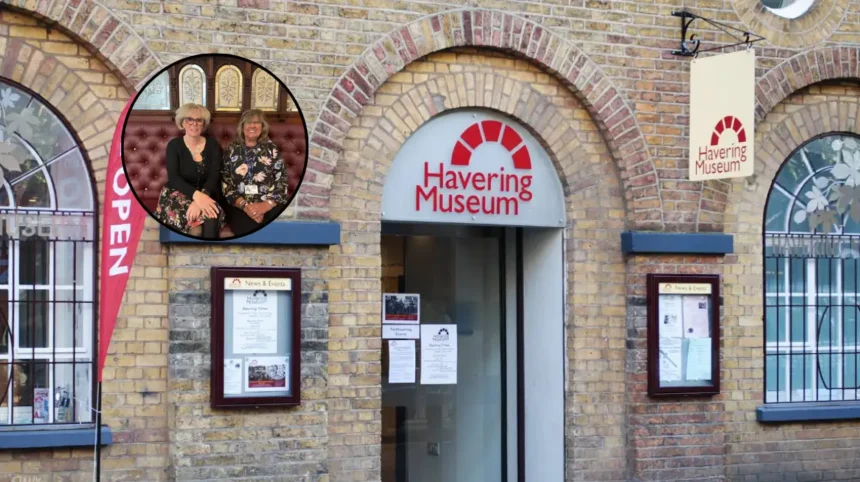
- A dedicated volunteer duo, Ann Young and Ellen Owen, lead the operations at Havering Museum in Romford.
- The independent site relies entirely on volunteer efforts and independent funding to keep local history accessible to the public.
- Volunteers at the museum highlight that members of the public often do not realise the sheer volume of hard work required behind the scenes to maintain operations.
- The museum delivers educational workshops for local schools, showcasing historical tools and items such as physical dictionaries, encyclopaedias, and pick-up landline telephones that many children have never experienced.
- Beyond historical preservation, the venue acts as a vital community hub, fostering strong social bonds among volunteers from diverse backgrounds.
Romford (East London Times) October 14, 2026 – As reported by Annabel Stock of the Romford Recorder, the leadership team behind Havering Museum in Romford has highlighted the significant dedication required by volunteers to keep the independent cultural site operational. The venue, which relies on independent funding and volunteer contributions, operates as a key heritage centre in the borough. According to figures running the facility, the public is often unaware of the extensive labour involved in maintaining the museum’s day-to-day services and educational programmes.
Ann Young, a retired teacher, and Ellen Owen head up the operational team at the independently run site. Speaking to reporter Annabel Stock, the pair reflected on the work that goes into preserving Romford’s history and keeping doors open for visitors and educational groups. As reported by Annabel Stock of the Romford Recorder, Ann Young stated that “people don’t realise” how hard the volunteer workforce operates to make the enterprise a success.
What Role Does Havering Museum Play in Educating Local Schools?
Educational outreach forms a core pillar of the museum’s activities, with school groups regularly visiting the site to engage with historical artefacts. The hands-on sessions allow younger generations to explore items that have been largely replaced by modern digital technology.
As reported by Annabel Stock of the Romford Recorder, Ann Young explained the interactive approach taken during educational visits, stating:
“When the schools come in, I lay out everything that you now have on a phone – an encyclopaedia, a dictionary and so on. Some of the children have never seen a pick-up phone before.”
How Does the Museum Function as a Community Hub?
In addition to its educational role and historical exhibits, Havering Museum serves as a social gathering place for residents across the region. The volunteer base brings together individuals from various professional and personal backgrounds, offering a supportive environment for those involved.
Describing the internal culture of the volunteer team to the Romford Recorder, Ann Young remarked:
“We’re a family. We always have a laugh.”
Background of Havering Museum and Volunteer Operations
Havering Museum was established to preserve and celebrate the diverse history of the London Borough of Havering, focusing on the cultural evolution of Romford and its surrounding areas. Located in the historic venue of the former Ind Coope Brewery in Romford, the museum exhibits artefacts detailing the region’s agricultural, industrial, and social transformation over the centuries.
Unlike nationally funded institutions, independent local museums operate under severe budget constraints and rely heavily on grant funding, local donations, and volunteer support to remain open to the public. Volunteer teams handle a wide range of essential operational duties, including front-of-house greeting, archival curating, exhibition management, administrative governance, and hosting community events.
Prediction: How This Development Affects the Local Community and Heritage Sector
The continued operation and public awareness of Havering Museum directly impact several key demographics across the borough:
- Local Schoolchildren and Educators: Continued volunteer efforts ensure that local schools retain access to practical, hands-on history lessons. Exposure to physical artefacts aids tactile learning and gives pupils an understanding of technological progress and local civic history.
- Volunteers and Older Residents: The museum provides a structured social outlet for retired professionals and local residents seeking community involvement. This helps combat social isolation, promotes active aging, and fosters strong intergenerational connections.
- The Wider Romford Community: Increased awareness of the high level of effort required to run independent cultural spaces may encourage greater local patronage, volunteer sign-ups, and financial contributions. Securing community support remains crucial for ensuring the long-term preservation of Havering’s historical identity amidst ongoing urban development.