Key Points
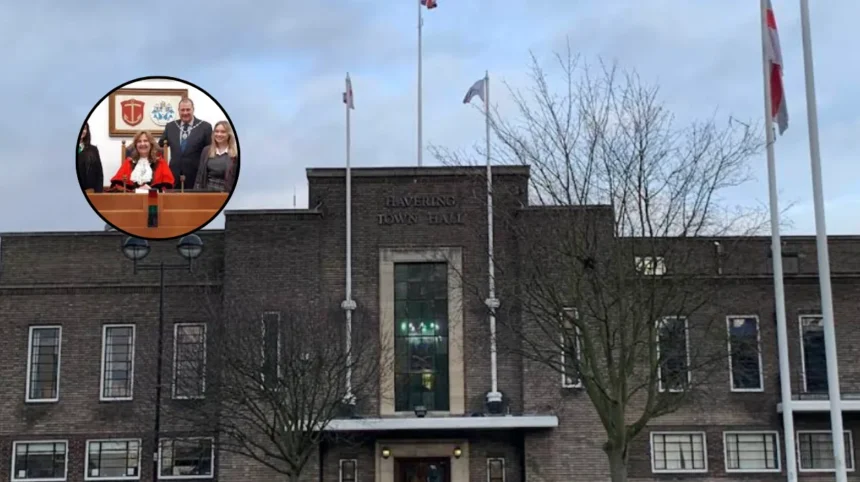
- Havering has chosen two new Members of the UK Youth Parliament after a final election held at Havering Town Hall.
- Meadow Thompson, 15, and Dominic Bacon, 14, were elected to represent the borough and will serve in the role for one year.
- Six candidates from Havering Youth Council stood in the final contest, selected from an initial field of 17 young people who put themselves forward.
- Each candidate delivered a two‑minute speech on issues such as mental health support in schools, better arts opportunities, improved work‑experience provision, and ensuring young people’s voices are heard.
- Newly elected Members of the UK Youth Parliament (MYPs) plan to work closely with Havering Youth Council to understand local youth concerns.
- Tara Geere, Havering’s Director of Children’s Services, congratulated all candidates and emphasised the importance of listening to children and young people.
Havering (East London Times) May 22, 2026 – London Borough Council’s official channels and Youth Council communications, 2026 – Havering has officially chosen two new Members of the UK Youth Parliament following a closely contested election at Havering Town Hall, with Meadow Thompson, 15, and Dominic Bacon, 14, emerging as the borough’s latest representatives.
According to Havering Council’s own communications, the pair were among six candidates from Havering Youth Council who stood in the final election after an initial 17 young people expressed interest in the roles. Each candidate was allocated two minutes to speak about the issues they felt most passionate about, including mental health support in schools, better arts opportunities, improved work‑experience pathways and the need to ensure young people’s views are heard in local decision‑making.
As reported by Havering Council’s youth‑engagement materials, polling and campaigning took place over a defined period in early 2026, with pupils across Havering Secondary schools encouraged to vote for the candidates who best reflected their priorities. The results were announced at Havering Town Hall, where Thompson and Bacon were formally welcomed as the new Members of Youth Parliament for the borough.
How were the candidates chosen and what did they say?
Havering Council’s youth‑participation page explains that the broader Youth Parliament selection process began with young people aged 11–17 who live, work or volunteer in Havering being invited in late 2025 to apply to become Members of Youth Parliament (MYPs).
Those shortlisted were then invited to workshops on manifestos, public speaking and campaigning before standing in the borough‑wide election in January 2026, with the final vote count and result night held in early March 2026.
In the final Town Hall election, each of the six shortlisted candidates delivered a two‑minute speech, as outlined in Havering Council’s communications.
Themes raised included expanding mental‑health support within schools, widening access to arts and creative activities, improving work‑experience opportunities for teenagers, and creating more formal channels through which young people can contribute to local policy discussions.
Newly elected member Meadow Thompson, 15, said in a statement carried by Havering Council’s coverage:
“I can’t wait to start to make a difference across Havering. It feels unreal.”
Her comments reflect the celebratory tone of the election night, where fellow candidates and council officials praised the candidates’ engagement and thoughtfulness.
Dominic Bacon, 14, also issued a brief reaction, telling Havering Council’s communications team:
“I am excited and looking forward to the difference I can make.”
Both young people said they plan to work closely with other members of Havering Youth Council to understand the issues affecting young people across the borough, including those living in different postcode areas, attending different schools and using different youth services.
What does the role of a Member of Youth Parliament involve?
The UK Youth Parliament’s official framework, run by the National Youth Agency, sets out that Members of Youth Parliament aged 11–18 are elected every two years in over 70% of UK constituencies and areas, often through school‑based or local‑authority‑run ballots. MYPs are expected to represent the views of their peers, campaign on local and national issues, and participate in regional and national Youth Parliament events, including debates and annual sessions.
Although Havering’s current term is being described as a one‑year appointment in the council’s communications, the UK Youth Parliament’s broader structure typically runs on a two‑year cycle, with members sitting until the next round of elections.
Under the UKYP framework, MYPs are encouraged to hold consultations with their peers, attend roundtable discussions with local decision‑makers and carry forward local priorities into national Youth Parliament debates.
Havering Council’s guidance notes that the borough’s Youth Parliament representatives are expected to attend a minimum of two Youth Council meetings each month at Havering Town Hall, participate in local and national duties, and act as a bridge between young residents and local‑authority services. This includes working with officers from children’s services, education and safeguarding teams, as well as voluntary‑sector partners that run youth centres and outreach programmes.
What did council leaders say about the election?
Tara Geere, Havering’s Director of Children’s Services, congratulated all candidates for their hard work and commitment, according to Havering Council’s official coverage. She stated:
“It’s crucial that we are hearing the voices of our children and young people.”
Geere added that the appointment of the new Members of Youth Parliament would give Havering’s children and young people a chance to share their views both within the borough and in wider national youth‑democracy structures.
She said she looked forward to meeting and speaking with the new representatives about the issues that concern them and to supporting them as they move through civic life.
Council materials emphasise that the election is part of a longer‑running youth‑participation programme in Havering, which includes youth‑council elections, youth‑parliament processes and regular consultations on issues such as education, transport, mental health and youth employment.
The same documents note that the borough has previously run similar youth‑parliament elections in 2020 and 2022, indicating that the current election is a continuation of an established practice rather than a one‑off initiative.
Explore More Havering News
Sue Ospreay Praised for Havering Mayor Role, 2026
Residents Associations Become Opposition After Havering Election Losses 2026
Background of the development
Havering has been participating in the UK Youth Parliament framework since at least the early 2010s, with the London Borough of Havering running its own youth‑parliament elections and appointing two Members of Youth Parliament every electoral cycle. The UK Youth Parliament itself was established in 1999 and is now delivered by the National Youth Agency, which oversees more than 300 elected Members of Youth Parliament aged 11–18 across the country.
Historically, Havering’s youth‑parliament elections have followed a similar pattern to the current one: a public call for applications, shortlisting of candidates, manifesto and public‑speaking workshops, campaigning in schools and then a final vote, with the two highest‑scoring candidates becoming the borough’s representatives. In 2020, for example, Havering Council announced six candidates running for two places, with the elected members taking office in March 2020 and serving until 2022, before the next round of elections.
The broader UK Youth Parliament programme has, in recent years, placed a strong emphasis on issues such as “votes at 16”, political education in schools, mental‑health support, and access to youth services.
The 2024–2026 UKYP manifesto, titled Shaping Our Future, Today Not Tomorrow, includes more than 100 policy areas, many of which mirror the concerns raised by Havering’s candidates in their speeches, such as mental‑health support, education, employment and youth‑centred policy design.
At the local level, Havering’s youth‑participation framework is overseen by the council’s participation and children’s services teams, which work with schools, youth centres and voluntary organisations to ensure that young people can engage with democratic processes from an early age.
The election of Meadow Thompson and Dominic Bacon therefore sits within this longer‑standing effort to normalise youth representation in local governance and to give young people a structured route into civic life.
Prediction: How this development could affect different audiences
For young people in Havering, the election of two new Members of Youth Parliament may increase the visibility of formal youth‑representation channels and encourage more teenagers to get involved in local politics, whether through youth‑council applications, school‑based consultations or future Youth Parliament elections. If the new MYPs hold visible tours, school visits and online outreach, this could make it easier for younger voters to understand how decisions about services, transport and youth facilities are made.
For schools and education‑sector staff in Havering, the presence of active youth‑parliament members may create more opportunities for structured dialogue with pupils on topics such as mental‑health support, curriculum changes and school‑trip provision, as the council has already signalled that youth‑parliament representatives are expected to engage closely with educational institutions. This could, in time, lead to more consistent pupil‑feedback mechanisms within the borough’s secondary schools.
For local policymakers and council officers, the new MYPs add another layer of youth‑specific scrutiny and ideas‑generation around children’s services, youth employability, transport and leisure facilities. If the pair participate in the wider UK Youth Parliament’s national debates and campaigns, Havering’s priorities may also feed into broader discussions about issues such as votes at 16, public‑transport access for young people and mental‑health services.