Key Points
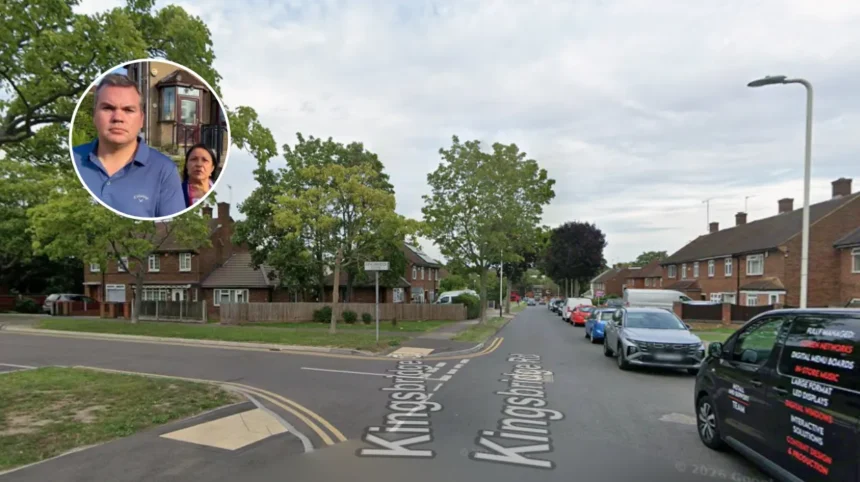
- A Havering landlord, Treldon Connell, was fined £5,335.05 at Barkingside Magistrates Court for failing to comply with an Improvement Notice on a property in Kingsbridge Road, Romford.
- The property had serious safety issues, including structural problems inside and outside, dangerous electrics, and ongoing damp and mould, some classified as Category 1 hazards posing high health risks.
- The violations put a tenant and her two children at risk by leaving them in unsafe living conditions.
- The fine breakdown includes £2,500 fine, £1,835.05 in council costs, and £1,000 victim surcharge.
- Havering Council is enforcing stricter measures through new licensing schemes for the private rental sector to improve housing standards.
Romford, Havering (East London Times) April 16, 2026, following action over the Kingsbridge Road home. Published across council channels and media on 15 April 2026.
- Key Points
- What Led to the Court Case Against the Landlord?
- How Did the Court Rule on the Safety Violations?
- What Does the Council Say About Enforcement?
- Why Has Havering Introduced New Licensing Schemes?
- What Are Category 1 Hazards in Rental Properties?
- How Does This Fit Havering’s History of Landlord Actions?
- What Penalties Do UK Landlords Face for Similar Breaches?
- Background of the Development
- Prediction: Impact on Tenants and Landlords in Havering
What Led to the Court Case Against the Landlord?
Havering Council took Treldon Connell to court after he breached an official Improvement Notice served on the property.
As detailed in the council’s official statement, the notice demanded urgent repairs to structural issues both internally and externally, dangerous electrical installations, and persistent damp and mould problems.
Some hazards were categorised as Category 1 under the Housing Health and Safety Rating System (HHSRS), indicating immediate high risks to health that legally require prompt action.
Despite these requirements, Connell did not carry out the work, leaving the tenant and her two children exposed to these conditions, as reported directly from the council’s enforcement report.
How Did the Court Rule on the Safety Violations?
At Barkingside Magistrates Court, Treldon Connell received a total penalty of £5,335.05. This comprised a fine of £2,500, council costs amounting to £1,835.05, and a £1,000 victim surcharge.
The case stemmed from Connell’s failure to adhere to licensing conditions tied to the property, according to the council’s published account.
Yahoo News coverage on 15 April 2026 confirmed the details, noting the breach put a woman and children at risk in the Romford home.
What Does the Council Say About Enforcement?
Helen Oakerbee, Havering’s Director of Planning and Public Protection, addressed the ruling in the council’s press release. She stated:
“We want all our residents living in private rented sector properties to have safe accommodation and we as a Council, will always aim to do all we can to help make that happen.”
Oakerbee continued:
“This is an example of us cracking down on irresponsible landlords taking advantage of families and individuals by providing poorly maintained properties. We will always take the strongest action against landlords who breach their licence or fail to take action to make their properties safe for residents to live in.”
The council emphasised its commitment to protecting private renters through such prosecutions.
Why Has Havering Introduced New Licensing Schemes?
Havering Council has rolled out new selective and additional licensing schemes for private rentals, effective from March 2026, to raise standards borough-wide.
The selective scheme covers seven wards: Beam Park, Harold Wood, Rainham & Wennington, Rush Green & Crowlands, Squirrels Heath, St Alban’s, and St Edwards, applying to all non-HMO private rentals.
An additional HMO scheme extends across the entire borough for properties shared by three or four unrelated people.
Applications opened on 25 January 2026, with fees around £950, offering discounts for accredited landlords, as outlined on the council’s site.
These target areas with poor housing, anti-social behaviour, and high rental concentrations, per council announcements.
What Are Category 1 Hazards in Rental Properties?
Category 1 hazards under HHSRS include severe risks like those in this case: structural failures, electrical dangers, and damp/mould leading to respiratory issues. Landlords must address them immediately by law.
In this Romford instance, these exact issues went unremedied, endangering occupants.
Broader UK guidance notes such failures can lead to fines up to £30,000 civil penalties or unlimited criminal fines.
How Does This Fit Havering’s History of Landlord Actions?
This is not the council’s first enforcement. In 2020, another landlord faced £12,500 in penalties for HMO issues like missing fire alarms in Hornchurch, as reported by Havering Council.
Councillor Viddy Persaud then said:
“Under our Landlord Licensing Scheme, we are continuing to crack down on irresponsible landlords. Those that are taking advantage of local families and individuals by providing poorly maintained HMO properties. We won’t tolerate it.”
Existing schemes expired in January 2026, prompting the new expansions.
What Penalties Do UK Landlords Face for Similar Breaches?
Across the UK, non-compliance carries heavy costs. Gas safety breaches can hit £6,000 with criminal records; electrical safety up to £30,000 civil penalties; HMO or selective licensing failures similarly up to £30,000.
Rent Repayment Orders allow tenants to reclaim up to 12 months’ rent.
Upcoming Renters’ Rights Bill changes could raise caps to £40,000 and add fines for hazards up to £7,000.
Background of the Development
Havering Council’s private rental oversight has evolved with licensing since at least 2020, targeting poor standards in hotspots. The latest schemes, consulted on in late 2025, respond to data showing high deprivation and substandard housing in specified wards. Previous enforcements, like the 2020 Hornchurch case, set precedents for fines on fire and maintenance failures.
The council’s housing team uses HHSRS inspections to issue notices, escalating to court for non-compliance, as in Connell’s prosecution. These measures align with national pushes for better sector regulation post-levelling up agendas.
Prediction: Impact on Tenants and Landlords in Havering
This development signals intensified scrutiny on private rentals, potentially leading more landlords to prioritise maintenance to avoid fines like Connell’s £5,335. Tenants in Havering, particularly families in Romford and the seven wards, may see faster hazard resolutions via council interventions, reducing health risks from damp or electrics.
Licensing requirements could raise compliance costs for landlords, possibly increasing rents, but also weed out negligent operators, stabilising the market for safer homes. For the particular audience of private renters, especially vulnerable households with children, it offers stronger protections and quicker reporting channels, though enforcement capacity will determine widespread effects. Landlords complying early may gain accreditation benefits, while repeat offenders face escalating penalties under UK frameworks.