Key Points
- Reform UK MP Andrew Rosindell raised the idea of “Hexit” at a rally in Romford Town Hall, suggesting Havering should leave London and rejoin Essex as a self-governing authority.
- Rosindell pledged to give Havering residents a vote on breaking away from the capital, reviving a long-standing debate on the borough’s identity as east London or “Essex in exile”.
- MyLondon reporters visited Romford Market on Monday night, where traders were debating the proposal alongside everyday topics like weather and West Ham football results.
- The story highlights local sentiment division, with market traders packing up while discussing whether Havering belongs in London.
- No immediate response from Havering Council or Essex County Council mentioned in initial reports.
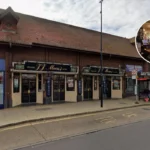
- The rally occurred inside Romford Town Hall, drawing attention to Havering’s historical ties to Essex before its inclusion in Greater London in 1965.
- Debate centres on cultural identity, governance, and potential benefits of rejoining Essex for local services and autonomy.
Romford, Havering (East London Times) February 21, 2026 – A heated “Hexit” row has erupted after Reform UK MP Andrew Rosindell called for Havering to quit London and rejoin Essex, pledging a resident vote on the matter at a Romford Town Hall rally. Local market traders in Romford debated the provocative idea on Monday night as they packed up stalls, questioning if the borough truly belongs in the capital. The proposal revives historical arguments over Havering’s Essex roots, sparking widespread discussion on identity and self-governance.
- Key Points
- Who Is Pushing for ‘Hexit’ and Why?
- What Did Romford Market Traders Say?
- When and Where Did the Rally Take Place?
- Why Does Havering Feel Like ‘Essex in Exile’?
- How Would a ‘Hexit’ Vote Work?
- What Are the Potential Impacts on Residents?
- Has This Debate Happened Before?
- What Do Political Opponents Say?
- Could Essex Welcome Havering Back?
- What’s the Public Reaction Online?
- Broader Implications for London Boroughs?
- Next Steps for the Campaign?
Who Is Pushing for ‘Hexit’ and Why?
Reform UK MP for Romford Andrew Rosindell led the charge at the rally inside Romford Town Hall. As reported by MyLondon journalists on the scene, Rosindell declared that Havering has always been “Essex in exile” and questioned its place as truly east London. He pledged to campaign for a vote allowing residents to decide on breaking away from Greater London and rejoining Essex as a self-governing authority.
Rosindell’s comments tap into longstanding local pride in Essex heritage, predating the 1965 creation of Greater London when Havering formed part of Essex County Council. Supporters argue rejoining Essex could mean lower taxes, better-aligned services, and escape from London-centric policies. Critics, however, warn of disrupted funding and infrastructure ties to the capital.
What Did Romford Market Traders Say?
MyLondon headed down to Romford Market on Monday night, capturing raw resident reactions as traders packed up amid talks of weather and West Ham’s latest result. Traders weren’t just folding stalls; they were debating Havering’s London status. One unnamed trader remarked on the buzz, noting the rally had shifted conversations from football to full independence.
The market visit underscored divided opinions. Some traders echoed Rosindell’s view, lamenting London governance as out-of-touch. Others dismissed “Hexit” as nostalgic fantasy, citing practical benefits like Transport for London links. MyLondon’s on-the-ground reporting highlighted how the rally injected the topic into everyday chatter, with stalls closing under dusk while the debate raged on.
When and Where Did the Rally Take Place?
The rally unfolded inside Romford Town Hall on Monday evening. MyLondon detailed how, as market traders packed up nearby, Rosindell revived the “Hexit” debate within the historic hall. Romford, Havering’s bustling centre, served as the perfect backdrop, blending market hustle with political fire.
This location amplifies the story’s local resonance. Romford Market, a fixture for generations, symbolises Havering’s working-class roots tied more to Essex than Westminster or City Hall. The timing—Monday night—caught residents post-weekend, fueling organic spread via word-of-mouth and social media shares.
Why Does Havering Feel Like ‘Essex in Exile’?
Havering’s history fuels the identity clash. Annexed into Greater London in 1965 under the London Government Act, the borough retained strong Essex cultural markers: accents, attitudes, and aversion to inner-London ways. Rosindell, as quoted by MyLondon, positioned it as “Essex in exile”, arguing administrative boundaries ignore this reality.
Proponents claim “Hexit” could restore tailored services like waste collection and planning, mirroring Essex neighbours. Detractors point to £100m+ annual London funding streams at risk. The debate echoes past campaigns, including 2010s petitions, but Rosindell’s pledge elevates it with a voting promise.
How Would a ‘Hexit’ Vote Work?
Rosindell pledged a resident vote, though details remain vague. MyLondon reports suggest it could mirror referendums like Scotland’s, needing parliamentary approval via private member’s bill. Havering Council would likely lead logistics, consulting Essex for integration.
Legal hurdles loom large: altering Greater London boundaries requires primary legislation. Essex County Council might welcome the addition, gaining population and rates, but Transport for London contracts and policing via the Mayor’s Office for Policing and Crime complicate matters. Rosindell frames it as democratic empowerment, vowing cross-party support.
What Are the Potential Impacts on Residents?
Leaving London could slash council tax via Essex efficiencies but risk cuts to housing grants and cross-boundary services. MyLondon traders voiced mixed fears: better roads from Essex, yet severed Elizabeth line access. Businesses eye rates relief, while commuters dread fare hikes.
Havering’s 260,000 residents face identity shift too. “Essex” postcodes could return, boosting pride for some, alienating London-oriented youth. Schools and hospitals, intertwined with capital networks, might renegotiate ties. Economically, Romford’s retail hub could thrive independently, per local sentiment.
Has This Debate Happened Before?
Yes, “Hexit” isn’t new. Past efforts include 2003 polls and 2016 Brexit-inspired pushes, often led by Conservatives before Reform UK’s rise. Rosindell’s rally builds on these, amplified by his MP clout. MyLondon notes no formal council motion yet, but social media erupts with #Hexit hashtags.
Historical context: Havering resisted London merger in the 1960s, preserving green belt and villages. Recent gripes over ULEZ expansion and housing targets stoke fires. Rosindell positions Reform UK as champions, distancing from past inaction.
What Do Political Opponents Say?
No direct quotes from Labour-led Havering Council in initial MyLondon coverage, but opposition sources decry it as divisive stunt. Essex Conservatives might back it quietly, eyeing growth. Rosindell anticipates backlash, telling the rally: “London doesn’t own us.”
Nationally, Reform UK ties “Hexit” to devolution, akin to metro-mayors. Critics like Sadiq Khan’s team label it populist, ignoring integrated economics. MyLondon’s market vox pops reveal no consensus, with traders split on party lines.
Could Essex Welcome Havering Back?
Essex County Council hasn’t commented, but analysts predict enthusiasm for Havering’s rates base. Geographically seamless—sharing borders—it fits Essex’s commuter belt. Challenges include scaling services for extra density.
Pre-1965, Havering thrived under Essex, with Romford as county borough. Rejoining could revive that era, per Rosindell. MyLondon hints at quiet talks, though formal merger needs government nod.
What’s the Public Reaction Online?
Social shares explode: MyLondon’s article drew Facebook and X links, fuelling #HexitRow. Romford residents flood comments—pro: “About time!”; con: “London pays our bills.” West Ham chats pivot to politics, mirroring market buzz.
Pundits predict petition surge. Rosindell’s rally video circulates, boosting Reform locally. Neutral observers urge caution, citing Scotland costs.
Broader Implications for London Boroughs?
“Hexit” could inspire Barking, Redbridge exits, fracturing Greater London. Funding models—precept on council tax—might collapse. Sadiq Khan faces devolution test amid Trump-era UK shifts.
Havering’s green lungs and affordability make it test case. Success emboldens outer boroughs; failure quiets talk. MyLondon’s scoop positions it as 2026’s top local story.
Next Steps for the Campaign?
Rosindell eyes petition threshold for debate. Havering Council faces pressure for stance. Essex MPs may co-sponsor. MyLondon vows follow-ups, tracking trader mood.
Residents watch as “Hexit” evolves from rally rant to potential referendum. Romford Town Hall, once market backdrop, now symbols defiance.