Key Points
- The late-noughties marked a period of continuing change across Havering, characterised by the demolition of established landmarks and the construction of new facilities.
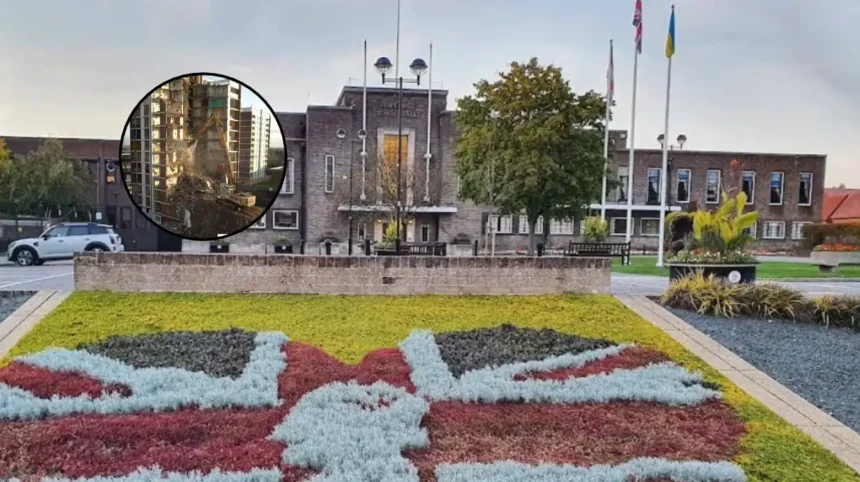
- The Mardyke Estate underwent major demolition, as documented in an archival photograph from 2007 held by Havering Libraries-Local Studies.
- Woodman Cottages at Gallows Corner, a row of 19th-century agricultural workers’ cottages, were boarded up prior to their demolition in 2008.
- Originally featuring a beer house with a brewhouse owned by the Hornchurch Brewery, the Gallows Corner property sold beer from the 1830s and was recorded in the 1871 Census as licensed premises named The Woodman, run by beerhouse keeper Richard Coleman alongside his wife Mary and their five children.
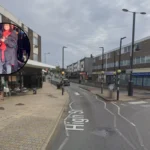
- Romford’s historic Corn Exchange, which was built following an 1845 call-out, enlarged in 1861, put up for sale in 1924, and closed in 1931, faced partial demolition in 1968 for a new Woolworth’s in the High Street before its final section was removed in 1972.
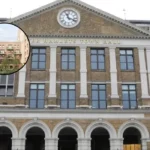
- A clock from the former Corn Exchange—previously displayed by Pearson’s Jeweller and stored by the local library for roughly forty years—was restored and unveiled when the Havering Museum officially opened on 26 May 2010.
Havering (East London Times) November 16, 2026 – Archival photographs from Havering Libraries-Local Studies have documented the significant architectural and urban transformations that reshaped the London Borough of Havering during the late-noughties, capturing the demolition of the Mardyke Estate in 2007 and the 19th-century Woodman Cottages at Gallows Corner in 2008.
- Key Points
- What Happened to Havering Landmarks During the Late-Noughties?
- What Was the History of Woodman Cottages at Gallows Corner?
- How Was the Historic Corn Exchange Clock Preserved for the Havering Museum?
- What Is the Background of Urban Redevelopment in Havering?
- How Could These Heritage Records Affect Havering Residents and Local Historians?
What Happened to Havering Landmarks During the Late-Noughties?
As reported by Bridget Galton, Features Editor and Associate Editor of the Romford Recorder, the late-noughties saw continuing change in Havering with the bulldozing of some landmarks and the building of new facilities.
Among the major residential clearances of the era was the demolition of the Mardyke Estate. Archival imagery preserved by Havering Libraries-Local Studies captures the state of the housing estate as it was being demolished in 2007, marking the clearance of a major residential site in the borough.
What Was the History of Woodman Cottages at Gallows Corner?
Alongside large-scale estate clearances, historic 19th-century structures also disappeared from the local landscape during the same decade. As reported by Bridget Galton of the Romford Recorder, a photograph taken by CJ Tait for Havering Libraries-Local Studies shows Woodman Cottages at Gallows Corner boarded up just before their demolition in 2008.
The photograph captures the 19th-century agricultural workers’ cottages, which originally included a “beer house” complete with a brewhouse owned by the Hornchurch Brewery. Beer was sold from the property starting in the 1830s. By the time of the 1871 Census, the building was officially listed as licensed premises under the name The Woodman. Census records from that year note that Richard Coleman operated as the beerhouse keeper, living at the property with his wife, Mary, and their five children.
How Was the Historic Corn Exchange Clock Preserved for the Havering Museum?
While several older buildings were demolished in the late-noughties, the period also culminated in the opening of new civic facilities dedicated to preserving local heritage, most notably the Havering Museum on 26 May 2010.
As reported by Bridget Galton of the Romford Recorder, the museum’s opening included the restoration and unveiling of a historic clock originating from Romford’s Corn Exchange. Romford’s Corn Exchange had originally been built following a call-out in 1845 and was subsequently enlarged in 1861. The building was later put up for sale in 1924 and finally closed in 1931.
The structure remained standing until undergoing partial demolition in 1968 to make way for a new Woolworth’s store in the High Street, with the final section of the building removed in 1972. Following the closure of the Corn Exchange, Pearson’s Jeweller had displayed the clock before the local library placed it into storage for approximately forty years in anticipation of a dedicated borough museum opening.
What Is the Background of Urban Redevelopment in Havering?
Throughout the post-war era and into the early 21st century, the London Borough of Havering underwent recurring waves of town-centre modernisation and housing estate regeneration. In Romford, mid-20th-century retail expansion led to the clearing of Victorian commercial infrastructure—such as the staged removal of the 1845 Corn Exchange between 1968 and 1972—to accommodate larger high-street retailers. By the mid-2000s, local authorities and housing bodies shifted focus toward replacing ageing post-war estates, such as the Mardyke Estate, while clearing older, derelict roadside dwellings like Woodman Cottages at Gallows Corner. Concurrently, local heritage groups and library archives worked to catalogue disappearing streetscapes and safeguard physical artefacts so that the borough’s social and architectural history could be exhibited publicly once the Havering Museum opened in 2010.
How Could These Heritage Records Affect Havering Residents and Local Historians?
For long-term residents of Havering, local historians, and younger generations growing up in the borough, the public preservation of late-noughties archival photography and restored artefacts provides a tangible visual reference for neighbourhoods and landmarks that no longer exist. Residents who lived on the Mardyke Estate or passed Woodman Cottages prior to 2008 can use these documented records to trace the physical evolution of their communities, while researchers and museum visitors gain verified historical context linking 19th-century census records and Victorian commerce directly to modern-day Havering.