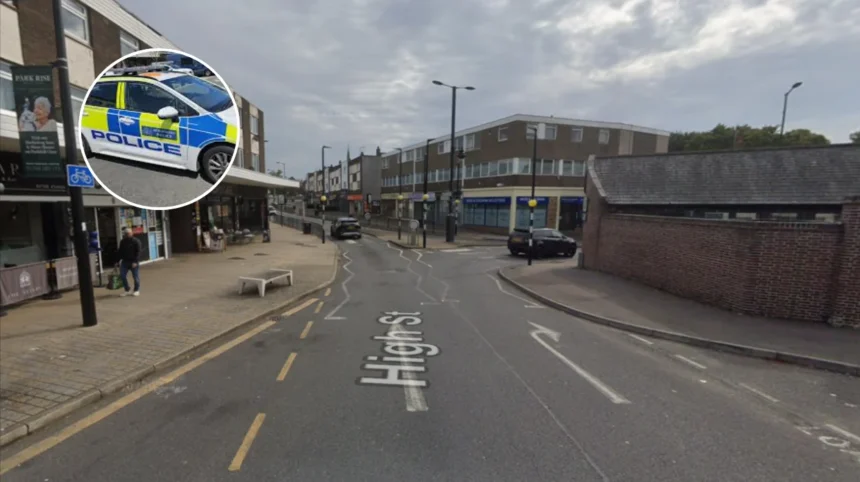
Key Points
- A new Section 35 Dispersal Zone under the Anti-social Behaviour, Crime and Policing Act 2014 has been authorised for Hornchurch High Street, Harrow Lodge Park, and surrounding areas due to the potential for anti-social behaviour (ASB).
- The order was issued by Inspector Connolly today, highlighting ongoing police efforts to tackle masked youth gatherings head-on and maintain a visible presence in key areas.
- Authorised following recent intelligence from Hornchurch Safer Neighbourhood Teams.
- The dispersal order runs from 26 March 2026 at 15:00 until 28 March 2026 at 15:00.
- Affected areas include Sutton Avenue, Ravenscourt Grove, Hacton Lane, Wingletye Lane, St Andrews Park, Burnway, Cromer Road, Boscombe Avenue, Grey Towers Avenue, Abbs Cross Lane (inclusive of St Andrews Park, Langtons House, Flanders Fields, and Woodland), Harrow Lodge Park and Leisure Centre, Upper Rainham Road, and Station Lane.
- Havering Police are proactively targeting gangs of masked youths congregating on high streets, which contribute to crime and ASB.
- Officers are taking firm action to disrupt such activity and reassure local residents.
Hornchurch (East London Times) March 26, 2026 – Havering Police have intensified their crackdown on masked youths amid rising concerns over anti-social behaviour, with Inspector Connolly authorising a fresh Section 35 Dispersal Order today across Hornchurch High Street, Harrow Lodge Park, and key surrounding areas. This 48-hour measure, effective from 15:00 on 26 March until 15:00 on 28 March, targets potential ASB hotspots following intelligence from local Safer Neighbourhood Teams. Authorities emphasise proactive disruption of youth gangs contributing to crime, aiming to reassure residents through a visible police presence.
- Key Points
- What Triggered the Latest Hornchurch Dispersal Order?
- Which Areas Are Covered by the Dispersal Zone?
- How Does a Section 35 Dispersal Order Work?
- Who Is Inspector Connolly and What Role Do They Play?
- Why Are Havering Police Targeting Masked Youths?
- What Is the Duration and Timeline of the Order?
- How Have Similar Dispersal Orders Fared in Hornchurch Previously?
- What Powers Do Officers Have Under This Order?
- What Broader Context Surrounds Youth ASB in Havering?
- How Can Residents Report Concerns or Seek Updates?
- What Do Critics Say About Dispersal Orders?
- What Next Steps Are Expected After the Order Expires?
What Triggered the Latest Hornchurch Dispersal Order?
The decision stems directly from recent intelligence gathered by Hornchurch Safer Neighbourhood Teams, as confirmed in the official police announcement. This intelligence pointed to the potential for anti-social behaviour in high-traffic areas like Hornchurch High Street and Harrow Lodge Park. Inspector Connolly, leading the response, authorised the Section 35 Dispersal Zone under the Anti-social Behaviour, Crime and Policing Act 2014 to address these risks head-on.
As detailed in the Havering Police statement reported across local outlets, the order underscores a “continued effort” to maintain visibility in problematic zones. No specific incidents were cited in the initial release, but the focus remains on pre-emptive action against gatherings that could escalate into disorder.
Which Areas Are Covered by the Dispersal Zone?
The dispersal zone spans a broad swathe of Hornchurch, encompassing both residential and recreational spaces. Key locations include:
- Hornchurch High Street
- Harrow Lodge Park and Leisure Centre
- Sutton Avenue
- Ravenscourt Grove
- Hacton Lane
- Wingletye Lane
- St Andrews Park
- Burnway
- Cromer Road
- Boscombe Avenue
- Grey Towers Avenue
- Abbs Cross Lane, inclusive of St Andrews Park, Langtons House, Flanders Fields, and Woodland
- Upper Rainham Road
- Station Lane
These boundaries, as outlined in the police authorisation, allow officers to disperse individuals believed to be involved in or likely to engage in ASB. Anyone refusing to comply may face arrest.
How Does a Section 35 Dispersal Order Work?
Under the Anti-social Behaviour, Crime and Policing Act 2014, a Section 35 order empowers police to direct people from a designated zone if they suspect involvement in ASB. Officers can require individuals to leave for up to 48 hours, with powers to seize items like alcohol or bicycles used in offences. Breaches constitute a criminal offence, potentially leading to arrest.
In this instance, Inspector Connolly’s authorisation aligns with standard protocol for hotspots. As per the Act, such zones are time-limited to balance enforcement with community rights.
Who Is Inspector Connolly and What Role Do They Play?
Inspector Connolly emerges as the key figure in this operation, personally authorising the order as reported in today’s police update. Described in the statement as leading the charge, Connolly represents Havering Police’s commitment to “tackle the issue head on.” No further biographical details were provided in the announcement, but their involvement signals senior oversight in neighbourhood policing.
Local teams, including Hornchurch Safer Neighbourhood Teams, supplied the underpinning intelligence, feeding into Connolly’s decision-making.
Why Are Havering Police Targeting Masked Youths?
Havering Police are “proactively targeting gangs of masked youths congregating on high streets and contributing to crime and anti-social behaviour,” according to the official statement. Officers aim to disrupt these groups, which have been linked to rising disorder. The emphasis on masks suggests concerns over intimidation and anonymity facilitating offences.
This builds on broader efforts to reassure residents, with “firm action” promised against persistent activity. While specifics on recent crimes remain undisclosed, the focus on high streets indicates a pattern of public-order issues.
What Is the Duration and Timeline of the Order?
The dispersal order activates precisely at 15:00 on Friday, 26 March 2026, and expires at 15:00 on Sunday, 28 March 2026—spanning a full weekend to cover peak leisure times. This 48-hour window maximises coverage during periods of heightened youth activity in parks and streets.
Issued today amid ongoing operations, it follows previous dispersal zones in the area, signalling a sustained campaign rather than a one-off response.
How Have Similar Dispersal Orders Fared in Hornchurch Previously?
While today’s announcement highlights “continued efforts,” it positions this as “another” Section 35 order, implying prior authorisations. Havering Police have not detailed exact precedents in the release, but the phrasing—”underlining the continued efforts”—suggests a pattern of weekend enforcements. Local residents have reportedly welcomed visible policing, though youth advocates often call for underlying causes like youth services to be addressed.
No data on arrest numbers from past orders was included, but the strategy’s repetition indicates measured success in disruption.
What Powers Do Officers Have Under This Order?
Beyond dispersal, officers can return individuals to a specified address if under 10 years old or seize relevant items. The zone’s authorisation equips patrols with legal backing to intervene swiftly. Havering Police stress this reassures locals, with “visible presence” in key areas like Harrow Lodge Park and High Street.
Non-compliance risks immediate arrest, reinforcing deterrence against masked gatherings.
What Broader Context Surrounds Youth ASB in Havering?
Hornchurch forms part of Havering borough, where anti-social behaviour tied to youth groups has prompted multi-agency responses. Today’s order fits a national trend of Section 35 usage post-2014 Act reforms, with police data showing thousands deployed yearly UK-wide. In East London contexts, similar measures have tackled e-scooter misuse, vandalism, and public disturbances.
Havering’s focus on high streets reflects urban pressures, including post-pandemic youth socialising spikes.
How Can Residents Report Concerns or Seek Updates?
Havering Police encourage reports via 101 or online portals, with emergencies dialling 999. The Safer Neighbourhood Teams remain pivotal for intelligence. Residents near Sutton Avenue or St Andrews Park are urged to note suspicious activity, bolstering proactive policing.
For live updates, follow Havering Police social channels, where today’s order was first publicised.
What Do Critics Say About Dispersal Orders?
While not directly quoted in the police statement, community voices often debate dispersal efficacy. Youth workers argue for investment in facilities over policing, citing potential stigmatisation. Conversely, residents praise deterrence. Inspector Connolly’s order, by targeting “potential” ASB, exemplifies pre-emptive policing, which supporters deem essential for prevention.
No opposing statements accompanied today’s release, maintaining a police-centric narrative.
What Next Steps Are Expected After the Order Expires?
The 28 March expiry leaves room for extension if intelligence warrants. Havering Police signal ongoing targeting of masked groups, potentially leading to further zones. Long-term, this forms part of integrated strategies including CCTV enhancements and community engagement.
Residents anticipate continuity, with Safer Neighbourhood Teams monitoring post-order impacts.