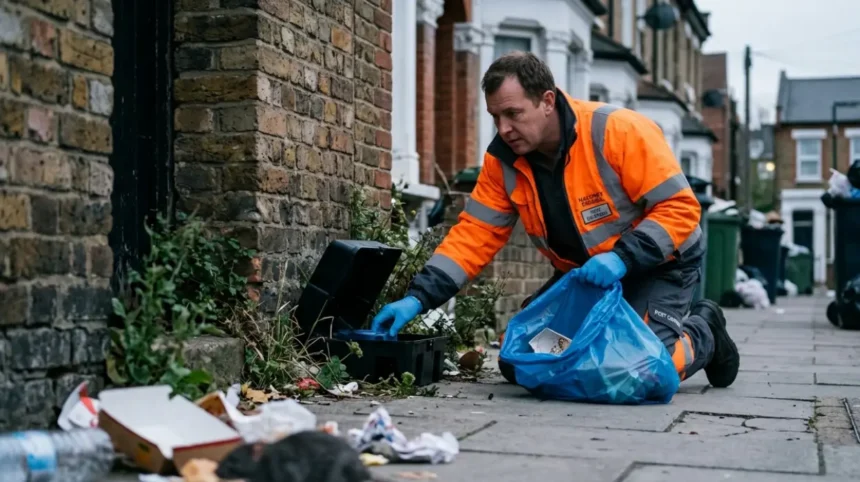
Hackney ranks as the eighth worst borough for rodent complaints in London with 8,896 reported cases over five years. The council operates a comprehensive pest control service that treats entire apartment blocks when two residents report infestations, unlike most authorities. Royal Borough of Hackney faces ongoing challenges with brown rat populations due to high urban density, inadequate waste management, and accessible food sources in East London.
- How Serious Is the Rat Problem in Hackney?
- What Do Residents Report About Rat Infestations?
- How Many Complaints Does Hackney Council Receive?
- What Measures Is Hackney Council Taking to Control Rats?
- Why Do Rats Infest Hackney Specifically?
- How Do Rats Impact Health and Property in Hackney?
- What Can Residents Do to Prevent Rat Infestations?
- When Should Residents Contact Hackney Council for Rats?
- What Is the Future Outlook for Hackney’s Rat Problem?
How Serious Is the Rat Problem in Hackney?
Hackney has 8,896 rodent complaints over five years, ranking eighth worst in London. London has an estimated 18.8 million rats—two per person. Brown rats breed five litters yearly with 12 offspring each, causing infestations to escalate rapidly.
Hackney sits within east London’s high-density urban environment where over 9.4 million people live in tight quarters. The brown rat (Rattus norvegicus) dominates London infestations because it adapts creatively to urban conditions. These rodents possess exceptional smell detection that identifies tiny food crumbs in homes and gardens.
Rainfall patterns and temperature significantly impact rat populations. Research from 16 cities shows urban temperature changes correlate more strongly with rat increases than human population growth alone. Mild winters boost rat survival rates, contributing to population spikes.
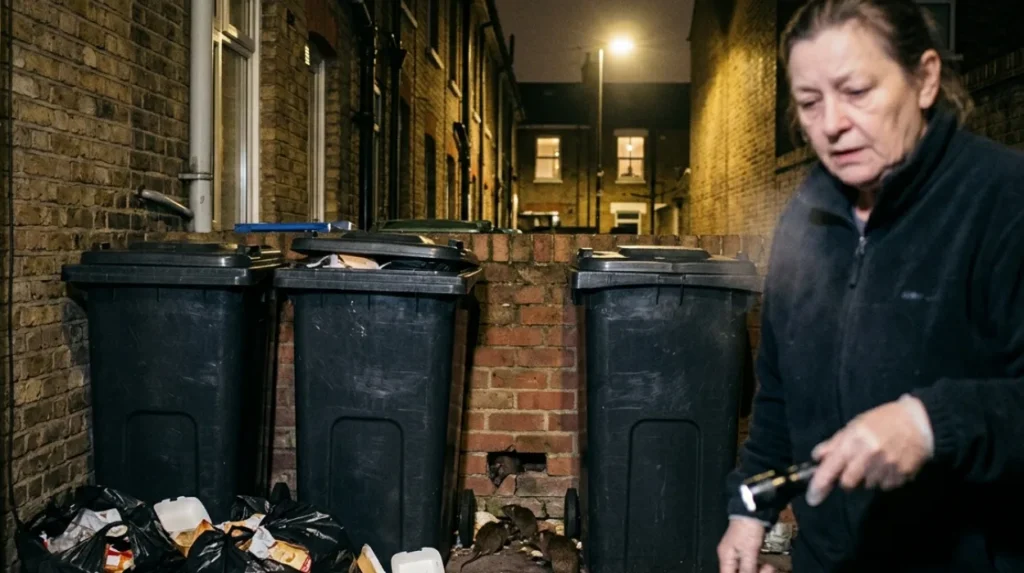
Crystal Court flats in northeast London experienced a severe infestation lasting nearly a year. One resident captured footage showing over 12 rats in the waste storage area. Tenants reported feeling frightened, anxious, and unable to sleep due to pest presence. The problem persisted despite multiple complaints to Notting Hill Genesis, the property management organization.
Environmental factors creating rat-friendly conditions in Hackney include unsecured bin stores, discarded food packaging, and accessible sewer systems. The brown rat breeds exponentially with females reaching sexual maturity at five weeks. A single female produces roughly 60 offspring annually.
What Do Residents Report About Rat Infestations?
Residents describe living in fear with rats visible in communal waste areas for months. At Crystal Court, tenants documented over a dozen rats and reported sleep disruption and anxiety for nearly a year before resolution.
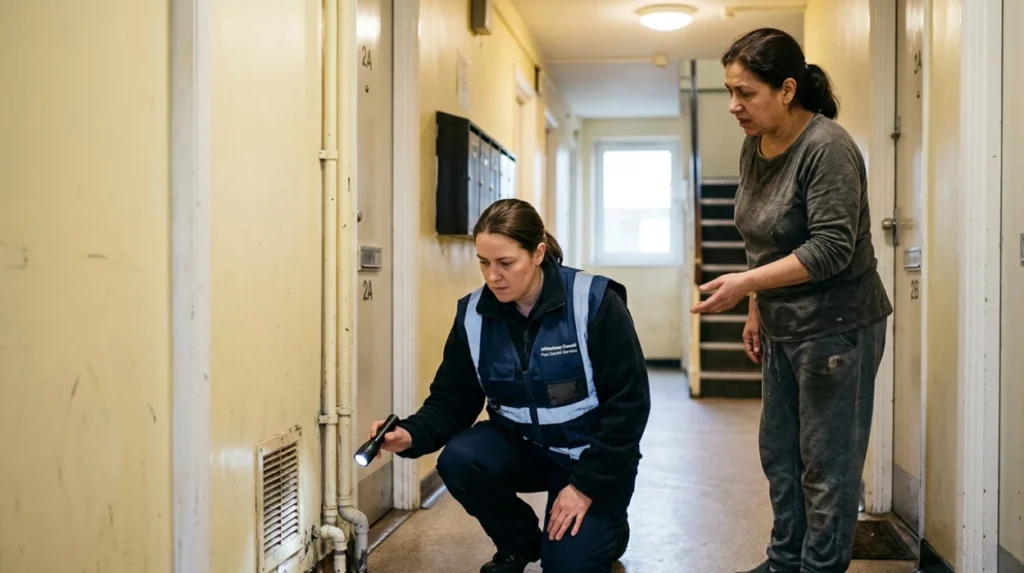
Complaints follow consistent patterns across Hackney properties. Residents report rats in shared bin stores, roof spaces, walls, and under floors. The council’s pest control officers investigate entry points when two households report problems in the same building.
Notting Hill Genesis addressed the Crystal Court incident by removing household waste from shared areas and implementing thorough pest control measures. The organization completed bin store cleaning and committed to ongoing sanitation practices. Residents received recommendations for careful waste disposal to prevent recurrence.
Pest control effectiveness varies based on response time and treatment completeness. Some residents report council pest control as slow, with private companies providing faster resolution. Others find comprehensive building-wide treatment more effective than isolated property interventions.
Health anxiety accompanies visible infestations. Weil’s disease (leptospirosis) occurs when humans contact rat urine through cuts, scratches, or mucous membranes. The disease starts with flu-like symptoms including headache and muscle pain. Severe cases cause meningitis, kidney failure, and potential fatality.
Rats also transmit salmonella through droppings and trigger allergic reactions. They carry over 35 diseases including Hantavirus and tularemia. Rodent droppings contaminate food sources and surfaces in residential environments.
How Many Complaints Does Hackney Council Receive?
Hackney received 8,896 rodent complaints over five years, placing it eighth among London boroughs. Tower Hamlets leads with 30,000 complaints, followed by Brent with 19,978. Environmental Services complaints continue annually with housing complaints up 21.5%.
The Council’s Complaints Annual Report 2024-25 details complaint volumes and management practices. Housing Stage 1 complaints increased 21.5% while other Council complaints decreased 7.4%. Environmental Services complaints feed into broader pest control service demand.
London borough ranking by rodent complaints (5-year data):
| Borough | Complaints |
|---|---|
| Tower Hamlets | 30,000 |
| Brent | 19,978 |
| Camden | 13,558 |
| Lambeth | 13,558 |
| Ealing | 12,240 |
| Redbridge | 9,859 |
| Newham | 9,331 |
| Hackney | 8,896 |
| Islington | 8,741 |
| Wandsworth | 7,898 |
This data spans 2012-2017 but remains informative for understanding persistent borough-level rat issues. High complaint volumes reflect resident trust in council pest control services rather than service failure. The British Pest Control Association (BPCA) states high callouts indicate councils are addressing problems effectively.
Pest control budgets face cuts across the UK, forcing more residents toward private companies. Hackney maintains comprehensive service inclusion, treating entire buildings rather than individual units. This approach contrasts with most councils that refer residents to private sector providers.
What Measures Is Hackney Council Taking to Control Rats?
Hackney Council operates a cost-effective pest control service treating every household when two residents report infestations. Officers identify pest entry points and advise residents on prevention. The council avoids long contracts and multiple visits common with commercial companies.
The comprehensive service includes building-wide treatment rather than unit-specific interventions. Officers investigate where pests originate and provide prevention guidance to residents. This methodology prevents recurrence by addressing root causes rather than symptoms.
Hackney does not sign domestic customers to long contracts, unlike commercial pest control companies. The council competes for work with private sector providers while maintaining public service standards. Cost-effectiveness remains a priority while delivering efficient pest control.
Over 200 green areas across Hackney’s housing estates operate glyphosate-free since 2021. This biodiversity-focused approach eliminates harmful weedkillers while managing vegetation. The Council balances pest control with environmental sustainability goals.
Private rental housing residents may contact environmental health teams for serious repair problems threatening health. Council officers can require landlords to fix issues and enforce housing standards. Environmental health investigates cases where landlords ignore repair reports.
Residents report problems through Hackney’s “Report A Problem” portal using postcode or street name. The system locates issues on maps and enables Council investigation. This digital platform streamlines complaint submission and tracking.
Why Do Rats Infest Hackney Specifically?
London holds 18.8 million rats—two per person. High density creates abundant food from street rubbish, food shops, and unsecured bins. Rats find easy access through sewer systems and drains, breeding up to 60 offspring per female yearly.
Urban density provides rats with continuous food availability. Walking through London reveals rubbish on streets, food shops, and insecure bin storage. This accessibility enables rat survival and population growth.
Brown rats possess excellent hearing allowing survival in roof spaces, walls, and under floors. They frequently inhabit sewer systems and drainage infrastructure. These environments provide protected pathways connecting properties throughout Hackney.
Rat breeding follows exponential growth patterns. Females reach sexual maturity at five weeks and produce five litters annually with up to 12 offspring per litter. One female produces approximately 60 offspring yearly. This reproductive capacity explains rapid infestation escalation.
A 25% rat population increase occurred from 2019 to 2020 alone. Climate factors amplify this trend. Research shows urban temperature changes correlate more strongly with rat increases than population growth. Mild winters boost rat survival rates.
Rats chew through electrical cables causing significant property damage and fire risks. Structural damage compounds health risks from disease transmission. A small London home infestation quickly becomes serious without intervention.
How Do Rats Impact Health and Property in Hackney?
Rats cause fires by chewing electrical cables and spread over 35 diseases including Weil’s disease, salmonella, and Hantavirus. Weil’s disease enters through cuts contacting rat urine, causing flu symptoms progressing to kidney failure or death.
Disease transmission occurs through direct and indirect routes. Direct transmission involves handling live or dead rodents or contact with feces, urine, and saliva. Indirect transmission happens through fleas, ticks, or mites that fed on infected rodents.
Weil’s disease forms the most severe leptospirosis variant. Construction workers face elevated risk during refurbishment or demolition in infested areas. Work near canals, rivers, or sewers increases exposure probability. Early symptoms include headache and muscle pain.
Rodent droppings trigger allergies and transmit foodborne illnesses like salmonella. Household contamination occurs when droppings contact food preparation surfaces. Proper cleaning and food storage prevent transmission.
Hantavirus causes kidney, blood, or respiratory ailments with potential fatality. Lymphocytic choriomeningitis (LCMV) affects 5% of UK house mice. Tularemia spreads through tick bites, skin contact with infected animals, or contaminated water.
Property damage includes chewing electrical wiring creating fire hazards. Rats damage structural elements including insulation, wood, and drywall. Repair costs for cable replacement and structural fixes exceed basic pest removal expenses.
Rat infestations cause psychological impacts including anxiety, stress, and sleep disruption. Crystal Court residents reported feeling terrified and unable to rest for months. Chronic pest presence disrupts daily routines and mental health.
What Can Residents Do to Prevent Rat Infestations?
Residents must seal all trash bins tightly, remove wood piles and debris from fences, use snap traps with peanut butter, and identify entry points under sheds and decking. Block holes where rats enter and use essential oils like eucalyptus and mint as deterrents.
Proper waste management prevents attracting rats to properties. Tightly closed trash bins deny access to food sources. Relocating wood piles and debris removes shelter options near fences. Secure bin stores in communal areas require ongoing cleaning.
trap selection affects effectiveness. Robust snap traps outperform smaller store-bought versions. Peanut butter bait captures rats in traps after several weeks. Multiple trap placement increases catch probability.
Entry point identification prevents reinfestation. Inspect areas beneath sheds and decking for openings. Block visible holes where rats enter buildings. Comprehensive inspection identifies all access routes before treatment.
Essential oils including eucalyptus and mint deter rats temporarily. These natural repellents work alongside physical exclusion methods. Oils provide non-toxic alternatives to chemical rodenticides.
Residents should also maintain cleanliness in shared areas and follow Council guidance on waste disposal. Collaborative board-level action improves building-wide pest prevention effectiveness.
When Should Residents Contact Hackney Council for Rats?
Contact Council pest control when two or more residents in a building report infestations. The Council offers building-wide treatment unlike most authorities. Report problems through hackney.gov.uk using postcode or street name for investigation.
The Council responds when multiple households report problems in the same building. This triggers comprehensive treatment covering every household rather than isolated unit intervention. Most other councils refer residents to private companies for single-unit problems.
Private rental tenants should first notify landlords about pest issues. Keep evidence including photos, messages, and conversation records. Allow reasonable time for landlord repairs before contacting Council.
If landlords ignore repair reports, contact private rented housing teams. These teams speak with landlords and refer cases to environmental health when problems threaten health. Council officers enforce housing standards requiring landlord action.
Contact Environmental Health for serious repair problems putting health at risk. Examples include neglected pest infestations in private rented housing. Council investigation can mandate landlord repairs.
Professional pest control typically requires three visits for complete removal. Companies guaranteeing single-visit removal should be treated skeptically. London rat removal costs start from £240 including three visits.
What Is the Future Outlook for Hackney’s Rat Problem?
London rat populations will continue growing with 25% increases recorded from 2019-2020. Urban temperature rises drive larger increases than population growth alone. Without improved waste management and consistent pest control funding, infestations worsen.
Rat populations face no natural limits in urban London. Breeding continues exponentially with 60 offspring per female annually. Winter months typically peak infestations, but callouts increase dramatically before reaching winter.
Budget cuts threaten pest control service capacity across the UK. Reduced funding forces more residents toward expensive private companies. Service continuity depends on sustained Council investment in environmental health.
Climate adaptation strategies must address temperature-driven rat population increases. Urban heat island effects create favorable conditions year-round. Warmer temperatures extend breeding seasons and improve survival rates.
Waste management improvements remain essential for population control. The Mayor’s Capital Standards Programme tackles food litter reduction through coordinated borough action. Litter campaigns targeting food waste decline complement pest control efforts.
Research shows rodenticide use does not correlate with rat population declines. Prevention through food source removal proves more effective than chemical control alone. Integrated pest management combining exclusion, sanitation, and targeted treatment delivers best results.
Hackney’s comprehensive service model provides a framework for other boroughs. Building-wide treatment prevents problem displacement between neighboring units. Sustaining this approach requires political commitment and adequate funding.
How Bad Is the Rat Problem in Hackney?
Hackney has one of the worst rodent problems in London, recording 8,896 rat complaints over five years. The borough ranks eighth highest for rodent reports, with dense housing, overflowing bins, food waste, and aging sewer systems helping rat populations thrive across East London.