
Tower Hamlets is one of London’s most historic and culturally diverse boroughs, with a story that stretches from medieval settlements and bustling docklands to modern skyscrapers and thriving multicultural communities. Situated in the heart of East London, the borough has played a vital role in shaping the capital’s economic, social and cultural identity for centuries.
Established in 1965 through the merger of the former metropolitan boroughs of Bethnal Green, Poplar and Stepney, Tower Hamlets encompasses many of East London’s best-known districts, including Whitechapel, Spitalfields, Bethnal Green, Limehouse, Bow, Wapping and the Isle of Dogs. Today, it is home to a diverse population and some of London’s most recognisable landmarks.
The borough’s history has long been shaped by migration. Over the centuries, successive waves of newcomers arrived in the East End seeking opportunity and refuge. French Huguenots established silk weaving industries in Spitalfields after the late 17th century, followed by Irish workers who helped build London’s docks. Jewish communities fleeing persecution in Eastern Europe settled in the area during the late 19th century, while Bangladeshi families increasingly made Tower Hamlets their home from the 1960s onwards.
These communities helped create the rich multicultural character for which Tower Hamlets is known today. The borough remains one of the most ethnically diverse areas in the United Kingdom, with cultural influences visible throughout its food, businesses, festivals and neighbourhoods.
Historically, Tower Hamlets was closely tied to London’s maritime economy. The docks along the River Thames served as major gateways to the British Empire, employing thousands of local residents and driving economic growth throughout the 19th and early 20th centuries. Areas such as Limehouse, Poplar and the Isle of Dogs became synonymous with shipping, trade and industry.
The borough also experienced some of London’s greatest challenges. During World War II, large parts of the East End were devastated by German bombing raids due to the strategic importance of the docks and industrial infrastructure. Entire neighbourhoods were damaged or destroyed, leading to extensive post-war rebuilding efforts.
Further disruption followed when London’s docks closed during the latter half of the 20th century. The decline of traditional industries created economic hardship across the borough. However, largescale regeneration projects transformed former docklands into new commercial and residential districts, most notably Canary Wharf, which emerged as one of Europe’s leading financial centres.
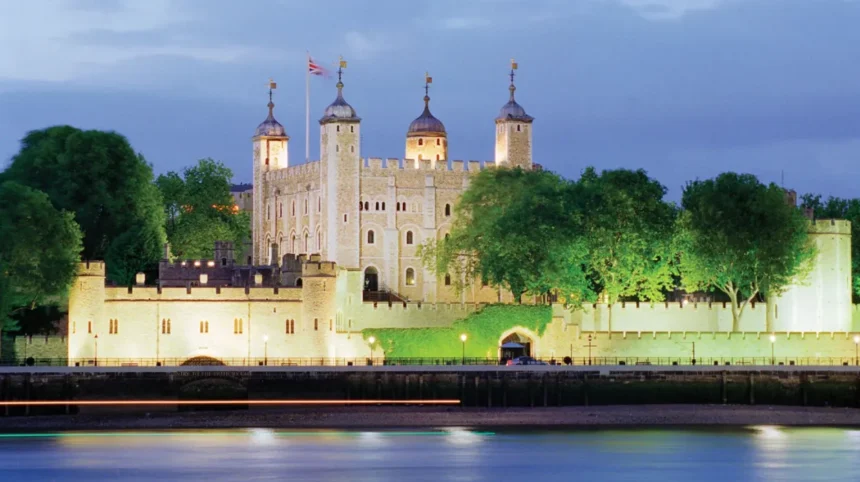
Tower Hamlets is also home to some of Britain’s most famous landmarks. The western edge of the borough includes the historic Tower of London, a UNESCO World Heritage Site dating back to the Norman conquest, as well as the iconic Tower Bridge spanning the River Thames.
Today, Tower Hamlets represents a unique blend of old and new. Historic markets, centuries-old churches and immigrant heritage sit alongside modern developments, financial institutions and cultural attractions. From the streets of Whitechapel to the skyline of Canary Wharf, the borough continues to evolve while preserving the diverse communities and resilient spirit that have defined East London for generations.