Havering, the largest and most easterly borough of London, offers a rich tapestry of historic landmarks, scenic parklands, and heritage sites that reveal centuries of royal, rural, and suburban history. This guide covers the borough’s most significant historic and scenic destinations, including royal palaces, Grade-listed windmills, Georgian mansions, ancient woodlands, and panoramic viewpoints—ideal for tourists, leisure travellers, and anyone seeking authentic East London heritage experiences.
- What are the top historic landmarks to visit in Havering?
- Which scenic parks and green spaces offer the best walking experiences?
- Where can visitors experience Havering’s royal and manorial heritage?
- What are the best historic houses and gardens open to the public?
- Which locations offer panoramic views and photographic opportunities?
- How accessible are Havering’s historic and scenic sites for visitors?
What are the top historic landmarks to visit in Havering?
Havering’s top historic landmarks include Havering Palace site, Upminster Windmill, Rainham Hall, Langtons House, and St Andrew’s Church Hornchurch. These sites span over 1,000 years of history, from Saxon royal manors to Georgian merchant houses and 19th-century industrial mills, each offering interpretive displays, guided tours, or self-guided exploration.
Havering Palace, located in Havering-atte-Bower, was one of England’s most prestigious royal residences from the 7th century until its decline in the 17th century. Used by Edward the Confessor, William the Conqueror, Henry VIII, and Elizabeth I, the palace hosted over 30 visits by Edward III alone and served as a strategic command post during the 1588 Spanish Armada. No physical structure remains above ground since 1816, but the Village Green marks its original location beside St John the Evangelist Church, and Havering Museum displays a detailed model of the palace as it appeared in 1578. As you explore the modern site, you are crossing land with a deep heritage. Read about the full [history of Havering Palace and the Royal Liberty of Havering] to understand its origins.
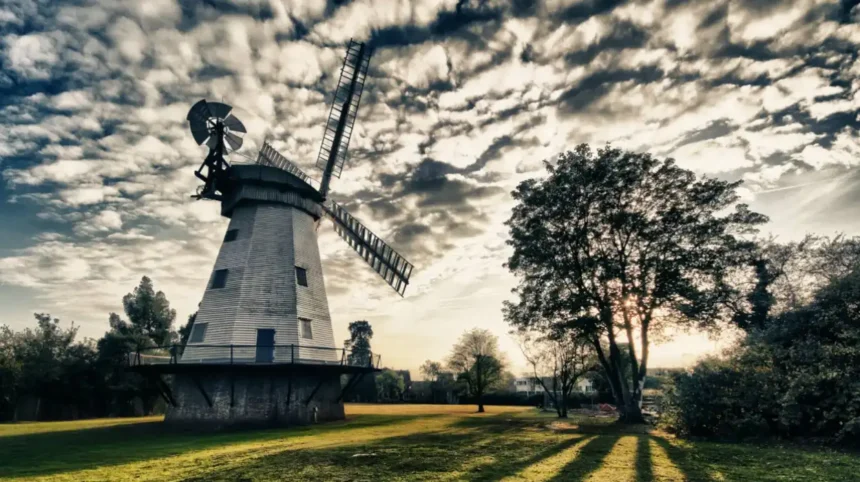
Upminster Windmill, built in 1803 for local farmer James Nokes, is a Grade II*-listed smock mill widely regarded as one of England’s finest. Restored to working order between 2016 and 2023 following a £2.5m conservation project, the mill now operates as a heritage attraction with a visitor centre, educational programmes, and public open days from 11:00 to 16:00. The Friends of Upminster Windmill manage the site on behalf of the London Borough of Havering, maintaining both the machinery and the surrounding gardens.
Rainham Hall, a Grade II*-listed Queen Anne-style house built in 1729 by sea merchant John Harle, opened to the public in 2015 after a two-year, £2.5m National Trust renovation. The hall features original panelling, plasterwork, and period furniture, alongside immersive exhibitions on topics such as World War II childhood in Rainham and the life of society photographer Anthony Denney. The Stable Café and gardens operate daily from 10:00 to 17:00 with free entry, making it accessible for casual visitors and heritage enthusiasts.
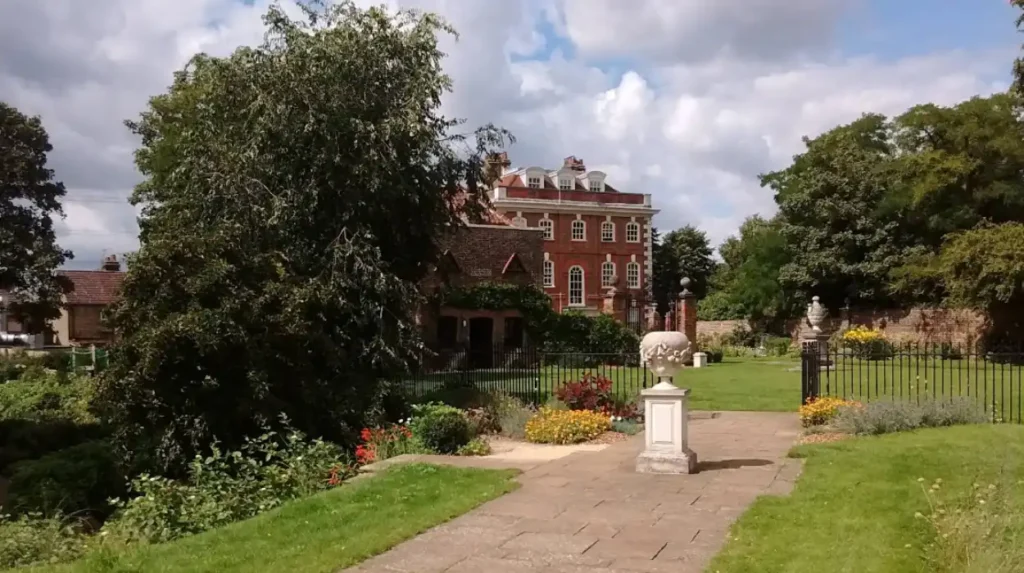
Langtons House, an 18th-century Georgian red brick mansion in Hornchurch, functions as Havering’s register office and a Grade II-listed wedding venue. The house sits within six acres of landscaped gardens designed by Sir Humphry Repton, featuring a serpentine lake, orangery, bath house, and gazebo dating from the late 1700s. Open Monday to Friday from 09:00 to 17:00, the grounds provide a historic backdrop for photography and leisurely walks, while the Great Hall accommodates up to 100 guests for ceremonies.
St Andrew’s Church in Hornchurch, granted to Hornchurch Priory in 1163, displays distinctive bull’s head carvings on its east end—a unique feature in English ecclesiastical architecture. The carvings symbolise the priory’s wealth and its 12th-century monastic origins under the Great St Bernard Hospice, later transferred to New College, Oxford in 1391. The church remains an active parish with heritage events and forms part of local trails exploring Hornchurch’s priory legacy.
Which scenic parks and green spaces offer the best walking experiences?
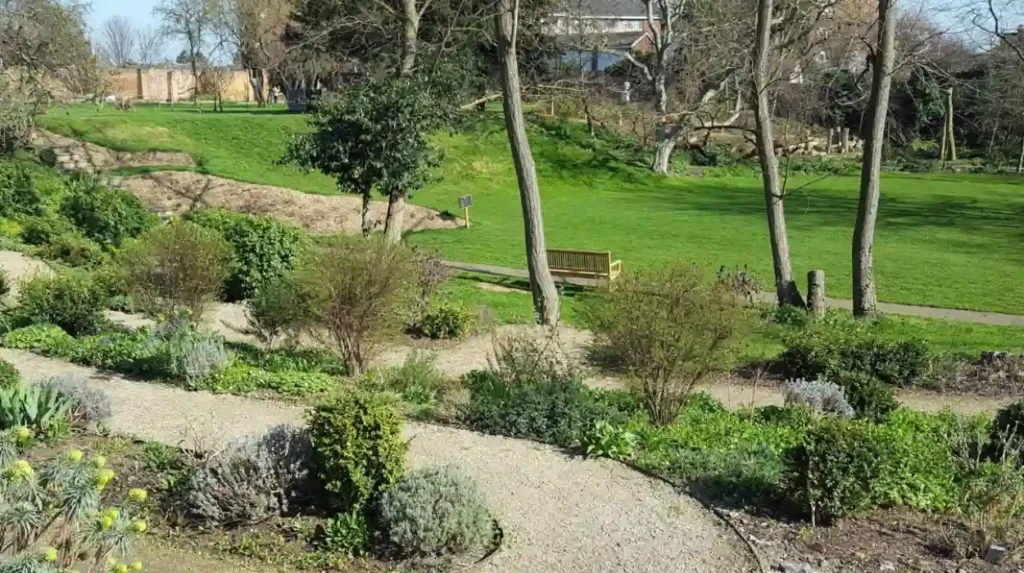
Bedfords Park, Havering Country Park, Harrow Lodge Park, and Hornchurch Country Park deliver the best scenic walking experiences with woodland trails, meadows, and panoramic viewpoints. These 24+ parks across Havering combine ancient landscapes, wildlife habitats, and historical features within the borough’s green belt.
Bedfords Park, a 215-acre historic parkland owned and managed by the London Borough of Havering, features mown slopes, exotic trees including a 19th-century cedar-of-Lebanon, and hay meadows managed for wildlife. The park contains diverse habitats such as acid and damp neutral grassland, oak-hornbeam woodland, and marsh ponds supporting species like the small red-eyed damselfly and breeding warblers. The Essex Wildlife Trust operates a visitor centre with exhibitions, events, and discover days, while facilities include toilets, an animal enclosure, and car parking.
Havering Country Park, once part of the Havering Palace estate, preserves an avenue of Wellingtonia trees (giant redwoods, Sequoiadendron giganteum) planted in the 19th century along Wellingtonia Avenue. These redwoods form one of the UK’s best groves, towering over mature mixed woodland that includes ancient hazel coppice and pine stands attracting goldcrests and coal tits. Access via Clockhouse Lane (RM5 3PH) offers dawn-to-dusk car parking, with frequent bus services from Romford terminating at the main entrance.
Harrow Lodge Park, established in 1936 on 42 acres purchased from London County Council and expanded by 34.86 acres donated by developer Costain, includes a cricket pitch used by Hornchurch Cricket Club. The park forms part of Havering’s network of historic green spaces, connecting to the Elm Park Garden City development and providing sporting facilities alongside woodland and meadow walks.
Hornchurch Country Park, part of the Thames Chase Community Forest, offers trails through reclaimed marshland and ancient woodland linking to the Ingrebourne Valley. The park provides accessible routes for walking, cycling, and wildlife observation, with interpretive panels explaining the area’s geological and ecological history.
Where can visitors experience Havering’s royal and manorial heritage?
Havering-atte-Bower village, Bower House, Pyrgo Park, and the Havering Museum provide direct access to royal and manorial heritage sites. These locations preserve the legacy of the Royal Liberty of Havering, an independent liberty since 1465 that encompassed Romford, Hornchurch, and surrounding parishes.
Havering-atte-Bower, situated 350 feet above sea level on the former palace site, retains a village green, St John’s Church, old stocks, a whipping post, and the Round House—a distinctive circular building visible from miles away. The Havering Water Tower, a landmark beacon, offers sweeping views across the Thames Valley to the City of London and The Shard on clear days. Walking routes from Kiln Wood Lane climb Orange Tree Hill, pass the Orange Tree Pub and Blue Boar Hall, and continue through Havering Country Park’s redwood avenue.
Bower House, located in Havering-atte-Bower, is a Grade II-listed historic house that forms part of the village’s heritage ensemble alongside the Round House and former palace grounds. The house and surrounding estate reflect the area’s transition from royal hunting grounds to private stately residences following the palace’s 17th-century decline.
Pyrgo Park, acquired by Essex County Council in 1938 along with Bedfords Park and Havering Country Park, represents a remnant of the 1,300-acre royal parkland that once surrounded Havering Palace. The park offers countryside walks, woodland trails, and open meadows that echo the hunting landscapes enjoyed by monarchs from Edward the Confessor to Charles I.
Havering Museum in Hornchurch houses exhibits on RAF Hornchurch (1915–present), a detailed model of Havering Palace as it appeared in 1578, and collections of 1915 Ordnance Survey maps of Romford, Upminster, and Hornchurch. The museum provides contextual understanding of the borough’s royal, military, and suburban development, with digital exhibitions and educational resources for visitors.
What are the best historic houses and gardens open to the public?
Rainham Hall, Langtons House, Fairkytes Arts Centre, and Upminster Tithe Barn represent Havering’s finest historic houses and gardens open to the public. Each site combines architectural significance with interpretive programming, café facilities, and seasonal events.
Rainham Hall’s Queen Anne architecture, original interior features, and National Trust stewardship make it a premier destination for period house enthusiasts. Exhibitions rotate annually, covering themes from coal merchant history to Vogue editor Anthony Denney’s life, while the Stable Café serves refreshments in a converted 18th-century stable block.
Langtons House’s Repton-designed gardens, recently restored with a Victorian greenhouse, ornamental bridge, cobbled stable yard, and new tea room, offer a Georgian landscape experience in urban Hornchurch. The adjacent Fielders Field provides a cricket pitch and play area, extending the recreational offer beyond the formal gardens.
Fairkytes Arts Centre, a mid-18th-century private house later occupied by Joseph Fry (son of prison reformer Elizabeth Fry), became Havering’s arts centre in 1973 after serving as Hornchurch’s library. The Grade II-listed building hosts dozens of clubs and societies, from accordion bands to Morris dancing groups, alongside exhibitions in Fry’s Gallery and room hire for functions.
Upminster Tithe Barn, a medieval agricultural structure, stands as one of Havering’s surviving historic buildings alongside the Clockhouse and St Laurence’s Church. The barn illustrates the borough’s agrarian past and forms part of grouped heritage assets in Upminster’s conservation area.
Explore More Area Guide
Where to Eat, Explore, and Unwind During a Visit to Havering
UK Heatwave Weather Forecast 2026: Met Office Predicts 32°C for East London
Which locations offer panoramic views and photographic opportunities?
Havering-atte-Bower’s water tower, Wellingtonia Avenue, Clockhouse Lane, and the Thames Path deliver the borough’s best panoramic views and photographic opportunities. These vantage points combine elevated perspectives, historic tree avenues, and riverside landscapes.
The Havering Water Tower, visible from across the Thames Valley, provides 360-degree views encompassing the City of London, The Shard, and Kent on clear days. The tower forms part of a walking circuit that includes the Round House, village stocks, and St John’s Church, creating a cohesive heritage trail.
Wellingtonia Avenue’s giant redwoods, planted in the 19th century, create a dramatic cathedral-like canopy for photography, particularly in autumn when foliage colours peak. The avenue’s straight perspective and towering scale make it a distinctive subject for landscape and architectural photography.
Clockhouse Lane, running north from Collier Row, offers views across London’s skyline and forms the main access route to Havering Country Park. The lane’s elevated position provides long-distance vistas suitable for telephoto landscape shots.
The Thames Path, accessible from Rainham Marshes RSPB reserve and South Hornchurch, delivers riverside panoramas with salt marshes, grazing livestock, and migratory birdlife. The path connects to Grove Woods and St Andrew’s Church, enabling combined nature and heritage photography itineraries.
How accessible are Havering’s historic and scenic sites for visitors?
Most Havering historic and scenic sites offer free or low-cost access, dawn-to-dusk opening, and public transport links from Romford, Upminster, and Hornchurch stations. Accessibility varies by location, with car parks, bus routes, and step-free paths available at flagship sites.
Rainham Hall and Upminster Windmill charge no entry fees, with Rainham’s Stable Café and Windmill’s visitor centre providing refreshments and educational materials. Langtons House operates Monday to Friday for registry functions but remains open to visitors during business hours for garden access.
Bedfords Park and Havering Country Park maintain dawn-to-dusk access with car parks, toilets, and visitor centres offering interpretive displays and event programming. Frequent bus services from Romford terminate at Havering Country Park’s Clockhouse Lane entrance, while Bedfords Park benefits from Essex Wildlife Trust programming and facilities.
Havering Museum provides digital exhibitions and physical collections on local history, with step-free access and educational resources for schools and researchers. Fairkytes Arts Centre offers disabled access information via AccessAble and hosts inclusive community programming.
Havering’s historic and scenic places collectively form a coherent heritage network that rewards multi-day exploration, combining royal history, Georgian architecture, industrial heritage, and ancient landscapes within London’s largest green belt borough.
What are the most famous historic landmarks in Havering?
Havering’s most famous historic landmarks include the Havering Palace site, Upminster Windmill, Rainham Hall, Langtons House, Bower House, and St Andrew’s Church in Hornchurch. Together, they showcase the borough’s royal, Georgian, religious, and industrial heritage.