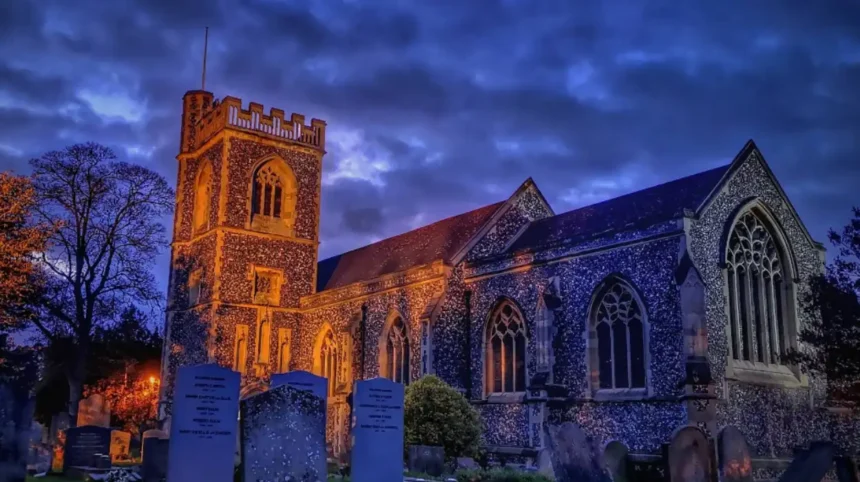
Havering offers visitors a mix of historic landmarks, green spaces, independent eateries, and cultural venues across Romford, Hornchurch, Upminster, and Havering-atte-Bower. The borough sits in northeast Greater London, bordering Essex, and provides easy access by rail, bus, and road. Visitors can spend a day or a weekend sampling local food, walking heritage trails, and relaxing in parks and riverside areas.
- What can you eat and drink in Havering?
- Where should tourists go first in Havering?
- Which parks and green spaces are best for relaxing?
- What historic sites and landmarks can you visit?
- How can you explore Havering’s natural and riverside areas?
- Which cultural venues and activities suit different interests?
- Where can digital nomads and business travellers work or rest?
- What practical information do visitors need?
What can you eat and drink in Havering?
Havering’s food scene centres on Romford Market, Hornchurch high street, and Upminster, with options ranging from street food and fish-and-chips to modern British brasseries and international cuisines. You will find independent cafés, gastropubs, and family restaurants throughout the borough, plus several well-reviewed spots for evening dining.
Romford Market, operating since 1247, remains a focal point for quick, affordable food. Market stalls and nearby independents offer burgers, pizzas, kebabs, and Caribbean and South Asian dishes. For a sit-down meal, GOAT on South Street in Romford serves modern British and European dishes in a contemporary setting, while Scotts’ Brasserie provides classic brasserie-style dining. Jobbers Rest and Reina Meze Grill add Turkish and Middle Eastern options to the mix.
In Hornchurch, the high street and surrounding roads host a range of cafés, bakeries, and restaurants. Chariots Fish & Chips is a long-standing local favourite for traditional British takeaway. Pubs and gastropubs across Hornchurch and Upminster provide all-day menus, Sunday roasts, and craft beers. Upminster’s village centre features independent coffee shops and restaurants popular with weekend visitors and commuters.
For visitors seeking variety in one area, Romford’s Exchange Shopping Centre and the surrounding streets concentration of chain and independent outlets make it easy to find cuisine matching different budgets and tastes. Southeast London-style curry houses, Turkish grills, and modern cafés appear across the borough, reflecting Havering’s diverse population.
Where should tourists go first in Havering?
First-time visitors should start with Havering’s key landmarks: Upminster Windmill, Romford Market, Queen’s Theatre Hornchurch, and one of the major parks such as Bedfords Park or Havering Country Park. These sites give a clear sense of the borough’s history, culture, and green spaces in a single day.
Upminster Windmill, a Grade II listed smock mill built in 1803, operates as a museum and is managed by the Friends of Upminster Windmill. The windmill illustrates local agricultural history and offers views over the surrounding area. Nearby, the Tithe Barn Museum in Upminster displays around 14,500 domestic and agricultural implements, providing deeper context on rural life in the region.
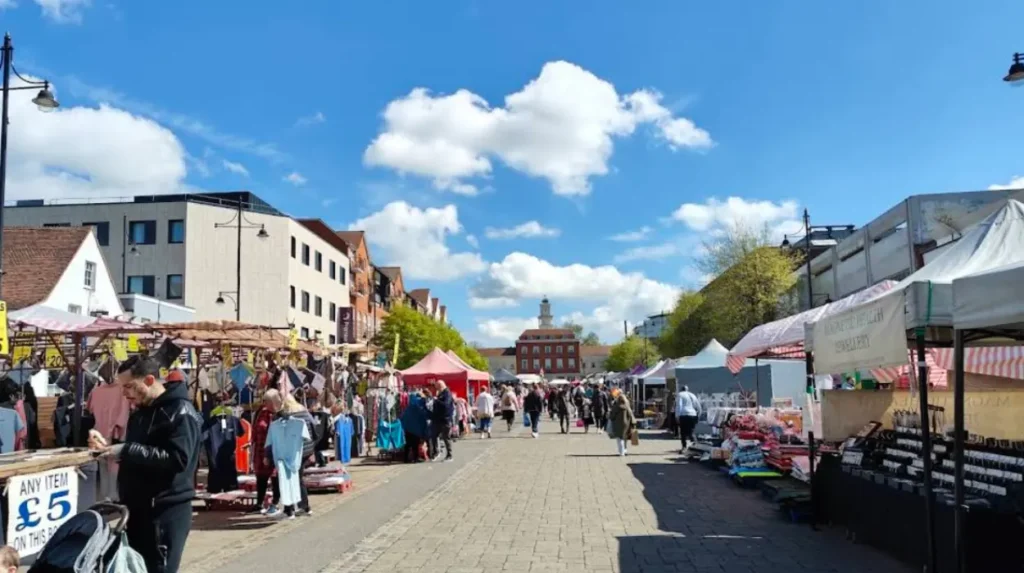
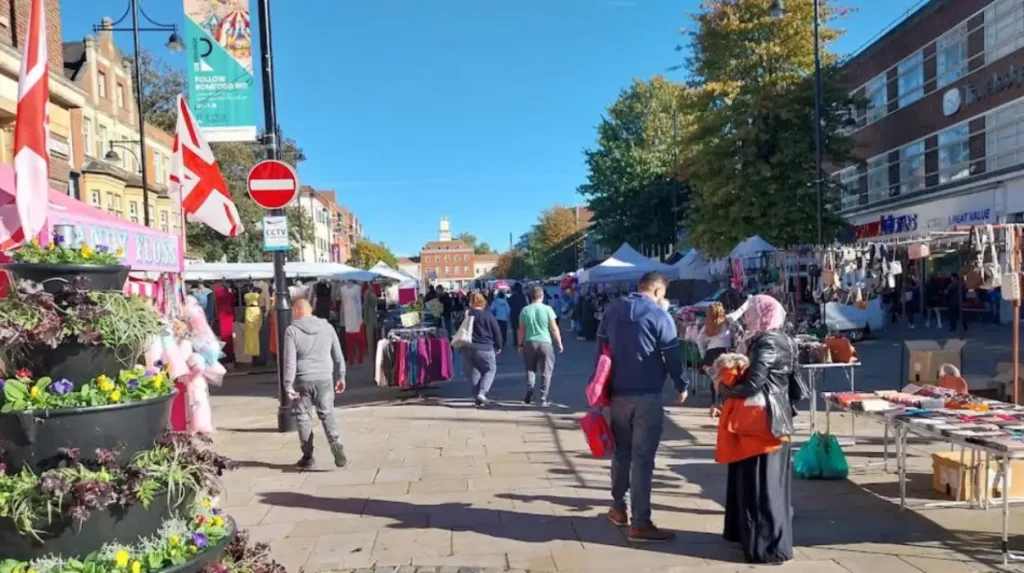
Romford Market, one of London’s oldest markets, gives visitors a lively introduction to the town centre. The market runs several days a week and attracts both locals and visitors. St Edward’s Church in Romford Market Place, originally built in 1410 and rebuilt in 1849–50, stands as another immediate landmark. The church contains memorials from the earlier medieval building and anchors the historic core of Romford.
For culture, Queen’s Theatre Hornchurch hosts professional and amateur productions year-round, from drama and comedy to musicals and family shows. The theatre forms a central part of Hornchurch’s cultural offer and is easy to reach by bus and rail. Pairing a matinee or evening show with a meal on Hornchurch high street creates a straightforward, high-quality day out.
Which parks and green spaces are best for relaxing?
Havering’s best parks for relaxation include Bedfords Park, Havering Country Park, Hornchurch Country Park, and Ingrebourne Valley, each offering trails, wildlife, and open areas for walking and picnicking. The borough maintains a substantial network of green spaces relative to its size, supporting both leisure and nature observation.
Bedfords Park, an historic 215-acre parkland site owned and managed by the London Borough of Havering, features formal gardens, woodland walks, and a visitor centre run by Essex Wildlife Trust. The park includes a herd of deer that can sometimes be seen grazing in quiet glades, making it a popular spot for photography and gentle walks.
Havering Country Park, located near Collier Row, is known for open grassland and is a popular launch area for hot-air balloon flights. The park offers long walking routes, cycle paths, and connections into surrounding green belts. Hornchurch Country Park, further east, provides wetlands, meadows, and woodland, with strong birdwatching opportunities.
Ingrebourne Valley, stretching across parts of Havering and neighbouring boroughs, includes Ingrebourne Marshes, the largest freshwater marshland in Greater London. The valley forms a vital breeding ground for birds and supports boardwalks and trails for visitors. Dagnam Park (The Manor) in Romford and Central Park in Harold Hill, a 42-acre green space with open grassland and woodlands, offer additional local options for shorter visits.
What historic sites and landmarks can you visit?
Havering’s key historic sites include Bower House, Rainham Hall, Langtons House and Gardens, Hare Hall, and the listed Rom Skatepark, alongside older churches and mills. These buildings span Georgian manor houses, 18th-century estates, and 20th-century social history landmarks.
Bower House in Havering-atte-Bower is a Grade I listed building constructed in 1729 by architect Henry Flitcroft. The house incorporates materials salvaged from the ruined Havering Palace and represents one of the borough’s most significant historic properties. Rainham Hall, a Grade II listed Georgian house built in 1729 for sea merchant Captain John Harle, has been owned by the National Trust since 1949. Community gardens surround the hall and can be explored via a one-way system.
Langtons House and Gardens in Hornchurch is a Grade II listed 18th-century manor set within landscaped gardens designed by Sir Humphry Repton, described by the National Trust as Britain’s “best-loved landscape designer.” The site includes a Victorian greenhouse and an ornamental bridge. Hare Hall in Gidea Park, originally built between 1769 and 1770 as a country house for British Indian intelligence officer John A. Wallinger, has served as the Royal Liberty School since 1921.
Rom Skatepark in Hornchurch, built in 1978 by Adrian Rolt of G-Force, is the first skatepark in Europe to receive Grade II listed status. Volunteers on site share the park’s history with visitors. For deeper context on how these sites fit into the borough’s development, you can explore the full [history of Havering borough and its landmarks] to understand their origins and significance.
How can you explore Havering’s natural and riverside areas?
Visitors can explore Havering’s natural and riverside areas through Ingrebourne Valley trails, the River Ingrebourne corridor, and the Thames-side flood defences at Coldharbour Point and Rainham. These zones combine ecology, industrial history, and accessible walking routes.
Ingrebourne Valley Nature Reserve includes fishing lakes, marshes, and woodland paths. Concrete barges made in 140 during steel shortages now form part of the flood defence and habitat structure, and support birdlife. An artwork titled The Diver: Regeneration, created from steel by John Kaufman and completed in 2000, stands nearby and adds a contemporary cultural layer to the landscape.
Coldharbour Point on the Thames, near Rainham, features several concrete barges placed as flood defences in 1953. These barges have become part of the coastline and create a distinctive industrial–natural landscape. Walking routes along the Thames and River Ingrebourne allow visitors to experience both marshland and river views within a short journey from Romford and Hornchurch.
Gravel and off-road paths run from Havering-atte-Bower into Hainault Forest, offering longer walks and cycle rides into adjoining green belts. Redwood avenues in parts of the country parks, unusual in England, provide striking visual features for visitors interested in horticulture and landscape design.
Which cultural venues and activities suit different interests?
Havering supports diverse cultural interests through Queen’s Theatre Hornchurch, local museums, listed landmarks, and community-run heritage sites, plus regular markets and events. This mix suits families, couples, solo travellers, and culture-focused visitors.
Queen’s Theatre Hornchurch maintains a year-round programme of professional and amateur productions, covering drama, comedy, musical theatre, and family shows. The theatre’s schedule allows visitors to plan trips around specific performances. Local museums such as Upminster Windmill and the Tithe Barn Museum in Upminster provide hands-on insights into agricultural and domestic history.
Listed landmarks including Bower House, Rainham Hall, and Langtons House host tours, open days, and garden access at specific times, giving structured cultural experiences. Rom Skatepark appeals to visitors interested in sports history and youth culture, while St Edward’s Church in Romford provides architectural and ecclesiastical history in the town centre.
Romford Market and smaller local markets add an informal cultural layer, where visitors can observe trading traditions, sample street food, and interact with stallholders. Seasonal events, fairs, and community festivals in parks and town centres further extend the cultural calendar, particularly in spring and summer.
Explore More Area Guide
UK Heatwave Weather Forecast 2026: Met Office Predicts 32°C for East London
Havering Attractions Guide for Tourists Interested in History, Parks, and Nature
Where can digital nomads and business travellers work or rest?
Digital nomads and business travellers can use cafés and co-working-friendly spaces in Romford, Hornchurch, and Upminster, combined with nearby parks for breaks and short walks. The borough’s rail links to central London and the City make it practical for day trips and extended stays.
Independent coffee shops in Upminster village and along Hornchurch high street offer quiet environments for laptop work, with reliable Wi‑Fi in many establishments. Several cafés near Romford town centre and the Exchange Shopping Centre also provide seating suitable for remote work. Pairing a morning work session with a walk in Bedfords Park or Hornchurch Country Park supports a balanced schedule.
For business travellers staying overnight or between meetings, hotels in Romford and nearby areas provide standard business amenities. Short breaks in parks such as Havering Country Park or Dagnam Park allow for exercise and decompression without leaving the borough. Visitors using Havering as a base for east London and Essex meetings can combine productive work time with evening meals in local restaurants and occasional theatre visits at Queen’s Theatre Hornchurch.
What practical information do visitors need?
Visitors should plan trips using TfL rail and bus services to Romford, Hornchurch, and Upminster, check opening times for museums and houses in advance, and allow extra time for market days and events. The borough is compact enough to explore in a day, but benefits from a modest itinerary.
Romford railway station provides frequent services into central London, Liverpool Street, and Shenfield, forming the main public transport hub for the borough. Hornchurch and Upminster are served by the District line and Overground, with Upminster acting as a key interchange for services into Essex. Local buses connect town centres, parks, and museums, though some rural sites are best reached by car or taxi.
Many heritage sites, including Upminster Windmill, Rainham Hall, and Langtons House, operate on specific opening days and may require advance booking for tours. Romford Market runs on set days each week, with the busiest periods typically in the morning and early afternoon. Checking the latest timetables and event schedules before travelling ensures that visitors can align food, exploration, and relaxation activities efficiently.
By combining historic landmarks, green spaces, riverside walks, and a varied food scene, Havering supports short breaks and day trips for tourists, residents, digital nomads, and business travellers alike.
What is Havering best known for?
Havering is best known for its historic landmarks, large green spaces, Romford Market, Upminster Windmill, Queen’s Theatre Hornchurch, and riverside nature reserves. The borough combines heritage, culture, shopping, and outdoor attractions in northeast Greater London.