
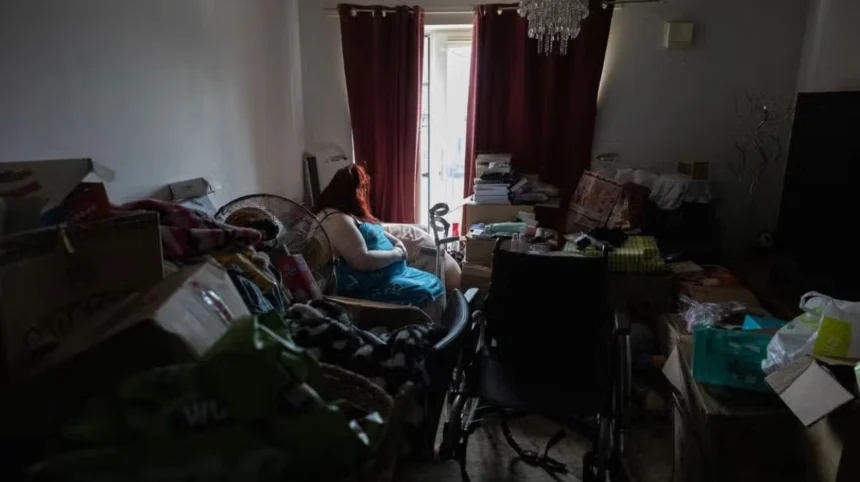
An East London woman has spoken out about living in what she describes as “unliveable” conditions after allegedly spending more than three years in a council-managed flat plagued by damp, mould and ongoing disrepair. She claims repeated requests for repairs have failed to resolve the problems, leaving her feeling she has been “left to rot.”
The resident, who lives in Havering, says persistent water leaks, black mould and deteriorating living conditions have had a serious impact on both her physical and mental wellbeing. According to her account, the problems began several years ago and have continued despite numerous reports to her housing provider.
The condition of the property has steadily worsened, with damp spreading across walls and ceilings and mould appearing throughout parts of the home. She said she feels trapped because she has nowhere else to live while waiting for repairs to be completed.
The tenant described the emotional toll of living in the flat, saying she no longer feels comfortable inviting family or friends into her home. She believes the prolonged housing issues have affected her quality of life and left her feeling ignored.
Damp and mould have become an increasing concern across social housing in England following several high-profile cases in recent years. Health experts warn that prolonged exposure to mould can contribute to respiratory illnesses, worsen asthma and create particular risks for children, older people and those with underlying health conditions.
The woman says she repeatedly contacted those responsible for managing the property, hoping repairs would permanently solve the issues. While some work has reportedly been carried out, she claims the underlying causes have not been addressed, allowing damp and mould to return.
Her experience reflects wider concerns about housing standards across parts of London, where ageing housing stock, water ingress and maintenance backlogs have left some residents living in difficult conditions while waiting for repairs.
Housing campaigners argue that landlords have a legal responsibility to investigate reports of damp and mould promptly and to carry out effective repairs rather than relying on temporary fixes. Recent changes to housing regulations have also placed greater emphasis on ensuring social housing remains safe and fit for habitation.
The case comes as local authorities and housing providers face growing scrutiny over the condition of their properties. Following national attention on housing quality, landlords have been encouraged to improve inspection procedures and respond more quickly to tenants reporting hazards such as persistent damp, leaks and mould.
A spokesperson for the housing provider told that it was aware of the resident’s concerns and outlined the actions taken to investigate and address the reported issues. The organisation said it remained committed to ensuring residents live in safe, well-maintained homes and would continue working to resolve outstanding problems.
Housing experts say residents experiencing serious disrepair should continue reporting issues through official complaints procedures and, where necessary, seek independent advice if repairs are not completed within a reasonable timeframe.
For the Havering resident, however, the situation remains unresolved. She says she simply wants a home that is safe, dry and healthy to live in after years of dealing with conditions she believes no tenant should have to endure.
The case has once again highlighted the importance of timely housing repairs and the growing pressure on landlords to tackle damp and mould before problems escalate. As investigations and repair work continue, the resident hopes her experience will encourage faster action to prevent others from facing similar living conditions.