Tower Hamlets is one of London’s most historically significant and geographically varied boroughs. It occupies much of the East End, extending from the River Thames and the Tower of London towards Bethnal Green, Bow, Mile End, Poplar and the modern Canary Wharf district.
- What makes Tower Hamlets worth visiting on a London trip?
- Which historic attractions should visitors explore in Tower Hamlets?
- Which museums and cultural attractions are best for visitors?
- Where can visitors experience Tower Hamlets’ markets and local culture?
- Which parks and outdoor spaces should visitors explore?
- What are the best riverside places to explore in Tower Hamlets?
- How can visitors explore Canary Wharf and modern Tower Hamlets?
- What walking routes can visitors follow through Tower Hamlets?
- How should visitors plan a day in Tower Hamlets?
- Why is Tower Hamlets important for understanding London’s past and future?
- What should visitors remember when exploring Tower Hamlets?
The borough combines medieval royal history, former docklands, Victorian parks, immigrant communities, contemporary architecture, markets, museums, galleries, canals and riverside spaces. Tower Hamlets Council describes the borough as the heart of London’s East End and highlights its combination of historic and modern attractions.
Its location also makes it practical for visitors. The borough sits immediately east of the City of London and contains major transport connections, including London Underground, Docklands Light Railway, Elizabeth line and Overground services. Visitors can therefore combine several areas during a single London sightseeing itinerary.
Tower Hamlets is also a densely populated and culturally diverse part of London. Census 2021 recorded approximately 310,300 residents, representing a 22.1% increase from around 254,100 in 2011. The borough recorded the highest population density of any local authority area in England in 2021.
For travellers, this density creates a compact sightseeing environment. Historic landmarks, green spaces, cultural venues, food districts and business centres sit relatively close together. A visit to Tower Hamlets therefore works particularly well when planned geographically rather than as a single attraction-only excursion.
What makes Tower Hamlets worth visiting on a London trip?
Tower Hamlets combines royal history, riverside landmarks, museums, markets, parks, canals, multicultural neighbourhoods and modern business districts within one East London borough, giving visitors access to contrasting experiences without travelling across London for every attraction.
The borough is particularly useful for travellers who want to experience more than central London’s conventional sightseeing circuit. The Tower of London provides a major historic landmark, while nearby Wapping and St Katharine Docks introduce maritime and riverside environments.
Further east, the character changes around Whitechapel, Spitalfields and Brick Lane. These areas are associated with markets, independent businesses, restaurants, street art and long-established migrant communities.
Bethnal Green provides access to Victoria Park and cultural institutions. Canary Wharf presents a different environment, with skyscrapers, public art, waterside paths, restaurants and commercial architecture.
Tower Hamlets Council identifies the Tower of London and Tower Bridge as dominant riverside landmarks and describes Canary Wharf as an internationally recognised financial centre.
This geographical variety makes the borough suitable for different visitor types. First-time tourists can focus on major landmarks. Returning visitors can explore markets, canals and neighbourhoods. Digital nomads can combine sightseeing with cafés and commercial districts. Business travellers can use downtime to explore attractions close to Canary Wharf and the City.
The borough also provides a useful connection between London’s historic centre and the regenerated Docklands. Its landscape shows how London’s relationship with the Thames changed from medieval defence and royal power to international commerce and modern finance.
Which historic attractions should visitors explore in Tower Hamlets?
The Tower of London is the borough’s principal historic attraction, supported by Tower Bridge, St Katharine Docks, historic riverside districts and surviving streets that demonstrate how royal power, trade, defence and maritime commerce shaped East London.
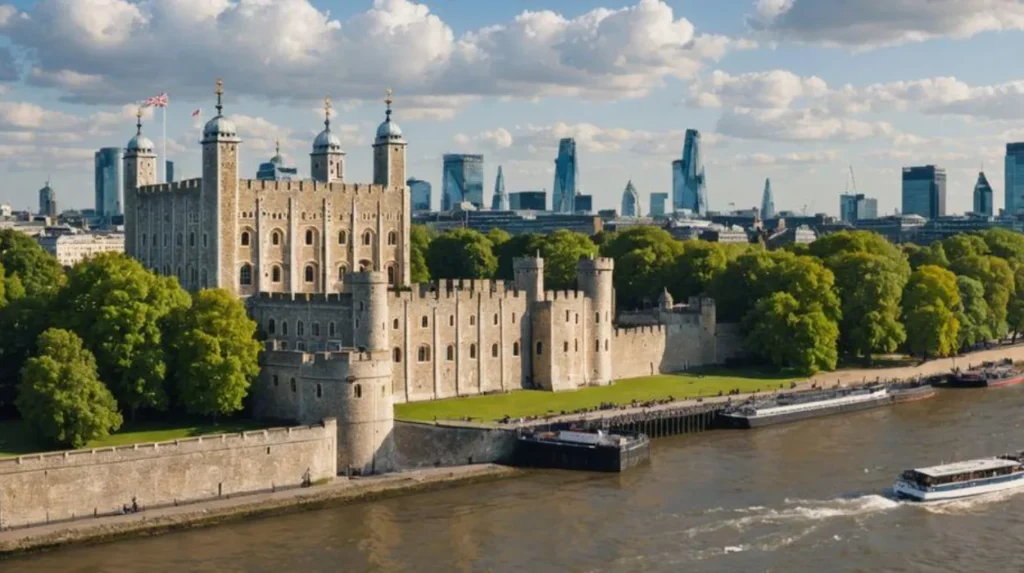
The Tower of London is the most important historic attraction within Tower Hamlets. The fortress was founded by William the Conqueror after the Norman Conquest, with the White Tower constructed as a demonstration of Norman authority and a strategic defensive structure beside the River Thames.
The Tower is a UNESCO World Heritage Site. UNESCO identifies the White Tower as an outstanding example of late 11th-century Norman military architecture and describes the wider complex as a fortress palace that developed between the 11th and 16th centuries.
The complex has also been associated with England’s monarchy, state administration, military history, imprisonment and the Crown Jewels. The Crown Jewels have been kept at the Tower since the 17th century.
Tower Bridge is another defining landmark. The Victorian bascule bridge opened in 1894 and connects Tower Hamlets with Southwark. Its elevated walkways provide views across the Thames and towards the City of London.
St Katharine Docks lies immediately east of the Tower of London. The former commercial dock has been transformed into a mixed-use waterside area containing restaurants, offices, residential buildings and public spaces.
Wapping provides another important historical landscape. Its riverside location preserves traces of London’s former port economy, while narrow streets and historic buildings connect the neighbourhood with the period when the Thames supported extensive warehousing and shipping.
As you explore the modern riverside, you are crossing land with a deep heritage. Read about the full [Insert Anchor Text for History Article Here] to understand its origins.
The historic geography becomes clearer when attractions are considered together. The Tower represented royal and military authority. The river provided transportation and trade. The docks supported commercial activity. Modern redevelopment subsequently transformed former industrial areas into residential, cultural and financial districts.
Which museums and cultural attractions are best for visitors?
Tower Hamlets offers museums and cultural venues covering maritime history, local communities, childhood, art and London’s East End, making the borough particularly useful for visitors seeking indoor attractions alongside major landmarks and outdoor sightseeing.
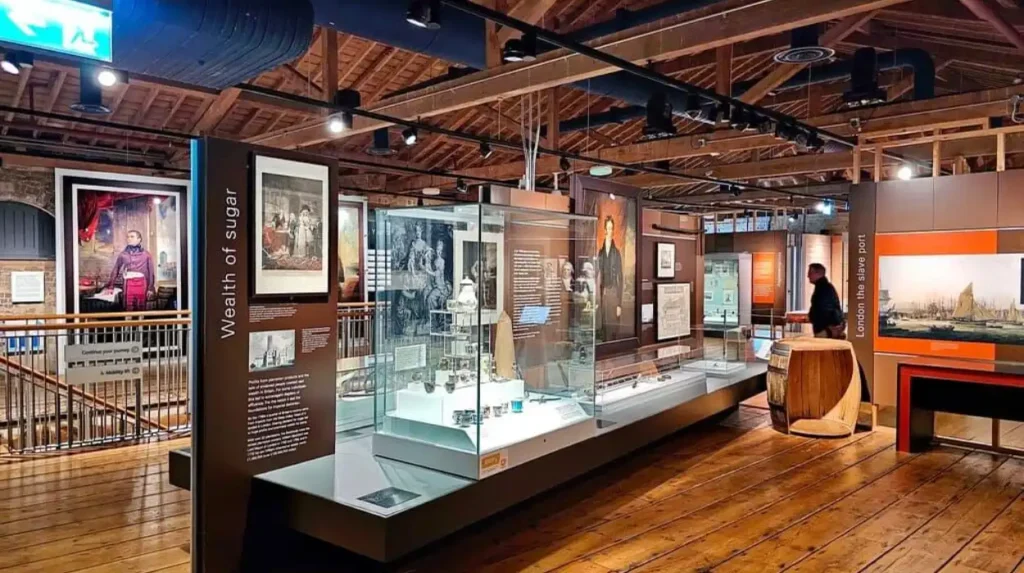
The Museum of London Docklands is one of the strongest cultural attractions for visitors interested in the history of the Thames and London’s port. It occupies a historic warehouse at West India Quay and interprets London’s relationship with the river, trade, slavery, migration and docklands development.
Its location is significant. West India Docks formed part of the commercial infrastructure that helped London become a major international port. The surrounding Canary Wharf district later became a major financial centre.
The V&A Museum of Childhood in Bethnal Green is another important institution. It forms part of the Victoria and Albert Museum and focuses on childhood, design, toys and material culture. The museum building itself is a notable example of Victorian museum architecture.
Whitechapel Gallery provides a major contemporary art venue in the Whitechapel area. Established in 1901, it has played an important role in London’s modern and contemporary art landscape.
The borough also contains cultural spaces associated with music, theatre, visual art and community activity. These venues complement the larger national institutions located elsewhere in London.
Visitors interested in local identity should also consider the East End’s streets and markets as cultural environments. Brick Lane, Spitalfields and Whitechapel provide direct exposure to food businesses, independent shops, religious buildings, street art and commercial traditions shaped by successive migrant communities.
This cultural concentration means visitors can build an itinerary around a theme. Maritime history works well around the Tower and Docklands. Contemporary art fits Whitechapel and Spitalfields. Social history connects museums with markets and neighbourhood walking routes.
Where can visitors experience Tower Hamlets’ markets and local culture?
Visitors can experience Tower Hamlets’ local culture through Brick Lane, Old Spitalfields Market, Petticoat Lane, Columbia Road and surrounding neighbourhoods, where food, fashion, crafts, vintage goods, independent businesses and multicultural communities shape the visitor experience.
Markets form an important part of Tower Hamlets’ visitor economy. Tower Hamlets Council specifically identifies markets such as Petticoat Lane and Columbia Road Flower Market among the borough’s attractions.
Brick Lane is one of the best-known visitor areas. The street runs through Spitalfields and Shoreditch-adjacent parts of East London and is recognised for restaurants, cafés, vintage businesses, independent retailers, street art and market activity.
The area also provides an important perspective on migration. Brick Lane has been associated with different immigrant communities over time, including Jewish and Bangladeshi communities. Its restaurants and businesses reflect this changing social history.
Old Spitalfields Market provides a more formal market environment. The covered market combines independent retailers, food businesses, design-led shops and restaurants with a historic market setting.
Petticoat Lane, traditionally associated with clothing and fashion, forms part of the wider commercial landscape around Spitalfields and Whitechapel. Its market tradition is closely linked to the East End’s historic trading culture.
Columbia Road Flower Market sits near the northern edge of Tower Hamlets and is especially associated with flowers, plants and weekend market activity. The surrounding street also contains independent shops, cafés and galleries.
Market visits work best when matched with the correct day and opening times. Markets operate according to individual schedules, and some are strongest on particular days. Visitors should therefore verify current arrangements before travelling.
For photographers and cultural travellers, markets also provide a useful way to understand the borough’s commercial geography. They show how historic trading patterns continue alongside modern retail, hospitality and residential development.
Which parks and outdoor spaces should visitors explore?
Victoria Park is the largest park in Tower Hamlets and one of London’s major historic public parks, while Mile End Park, the Regent’s Canal and Thames-side routes provide additional opportunities for walking, recreation, open space and neighbourhood exploration.
Victoria Park is the largest park in Tower Hamlets, covering 86 hectares. It opened in 1845 and was created as a public park for the East End’s working population. Tower Hamlets Council describes it as London’s oldest public park.
The park attracts more than 9 million visitors annually and hosts community activities, sport, events and live music. It also holds Green Flag and Green Heritage awards.
Its scale makes Victoria Park suitable for visitors who want a substantial break from London’s built environment. Wide paths, lawns, mature trees, water features and recreational areas create a different setting from the dense streets around Whitechapel and Canary Wharf.
Mile End Park provides another important green corridor. It connects parts of Tower Hamlets through landscaped open spaces and recreational facilities.
The Regent’s Canal is particularly useful for visitors interested in walking. Canal-side routes provide a quieter alternative to major roads and connect neighbourhoods across East London.
Victoria Park also forms part of a wider green corridor extending towards Limehouse, the Regent’s Canal, Mile End Park and the Queen Elizabeth Olympic Park.
For visitors planning a walking day, this network allows attractions to be linked rather than visited separately. A route can begin around Bethnal Green, continue through Victoria Park, follow sections of the canal network and finish closer to Mile End or Canary Wharf.
Outdoor exploration also works well as a complement to museums and markets. Visitors can spend the morning indoors, walk through a park during the afternoon and finish near a riverside restaurant or cultural venue.
What are the best riverside places to explore in Tower Hamlets?
Tower Hamlets’ Thames frontage includes the Tower of London, Tower Bridge, Wapping, Limehouse, Shadwell and Canary Wharf, creating a continuous sequence of historic, maritime and modern environments along one of London’s most important waterways.
The River Thames is central to Tower Hamlets’ geography. The borough’s southern boundary follows the distinctive bend of the river, creating a long sequence of waterfront neighbourhoods.
The Tower of London provides the strongest historic starting point. Its position beside the Thames was strategically important because the river functioned as a transport route, defensive boundary and commercial artery.
Tower Bridge provides a major visual and architectural landmark further west. The bridge’s design reflects the industrial and commercial importance of the Victorian Thames.
Wapping extends eastwards from the Tower. Its riverside environment contains historic warehouses, converted buildings, public paths and views across the river.
Shadwell provides another connection between residential East London and the Thames. The area also benefits from DLR connectivity, making it practical for visitors travelling between central London and Docklands.
Limehouse has a strong maritime identity and connects the Thames with the Regent’s Canal. The Limehouse Basin forms an important junction between canal and river environments.
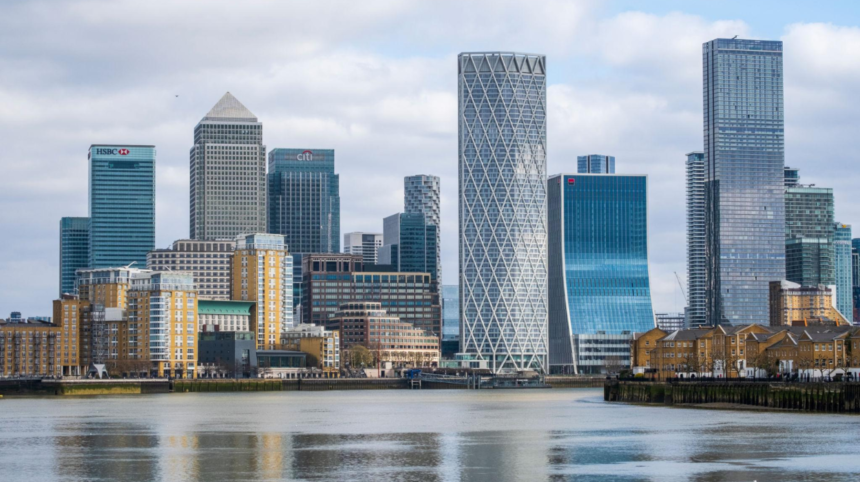
Canary Wharf presents the most modern section of the visitor experience. Its skyline contains major office towers and contemporary architecture. Public spaces around the docks provide pedestrian routes between commercial buildings, shops, restaurants and transport stations.
The contrast is particularly significant. The western riverside contains a medieval fortress and Victorian bridge. Further east, former docks have become part of a global financial district.
Visitors can therefore use the Thames as an organising principle for a full-day itinerary. The route links history, architecture, walking, food and modern business districts without requiring separate journeys across London.
Explore more Area Guide
Tower Hamlets Travel Guide for Weekend Visitors Exploring East London Attractions
Best Outdoor Places to Enjoy in Tower Hamlets Throughout Every Season
How can visitors explore Canary Wharf and modern Tower Hamlets?
Canary Wharf represents the modern commercial face of Tower Hamlets, combining high-rise architecture, public art, waterside spaces, shopping, restaurants, transport connections and financial institutions within a major regenerated Docklands district beside the Thames.
Canary Wharf developed from the former West India Docks into one of London’s most important business districts. The area is now recognised internationally for its high-rise skyline and concentration of financial and professional services.
For visitors, Canary Wharf offers more than office buildings. Public spaces around the docks provide pedestrian routes, seating areas, restaurants and architectural viewpoints.
The area also contains a significant collection of public art. Sculptures and installations are distributed across plazas and waterside spaces, creating an outdoor cultural environment.
West India Quay provides another useful visitor location. The historic dock setting sits alongside modern commercial development and the Museum of London Docklands.
Canary Wharf is particularly accessible by public transport. The Jubilee line, Elizabeth line and DLR connect the district with central London and other parts of East London.
Its position also makes it useful for business travellers. Visitors with limited free time can combine a meeting in Canary Wharf with a short waterside walk, museum visit or meal.
The district demonstrates the scale of East London’s economic transformation. Former docklands that once supported cargo handling now accommodate offices, residential development, hospitality, retail and cultural spaces.
The modern skyline also provides a useful contrast with the Tower of London. Both locations are connected by the same river and borough, but they represent radically different periods of London’s development.
What walking routes can visitors follow through Tower Hamlets?
Visitors can build walking routes around the Thames, historic landmarks, markets, parks and canals, allowing them to connect Tower Hill, Wapping, Whitechapel, Spitalfields, Bethnal Green, Victoria Park, Limehouse and Canary Wharf in logical geographic sections.
A Tower Hamlets walking itinerary works best when organised around connected districts rather than individual attractions.
One western route can begin at Tower Hill and continue towards the Tower of London and Tower Bridge. Visitors can then follow the riverside towards St Katharine Docks and Wapping.
A second route can focus on Whitechapel and Spitalfields. This area connects Whitechapel Gallery, Brick Lane, Old Spitalfields Market and surrounding streets.
A third route can centre on Bethnal Green and Victoria Park. The route provides a stronger emphasis on green space and cultural attractions.
A fourth route can follow the Regent’s Canal towards Limehouse. The canal provides a linear walking environment and connects with the wider Docklands landscape.
A fifth route can focus on Canary Wharf and West India Quay. This option suits visitors interested in architecture, public art, dining and modern business districts.
Walking distances should be planned according to the visitor’s available time. Tower Hamlets is compact compared with many London boroughs, but attractions are distributed across several neighbourhoods.
Transport can therefore be used strategically. Visitors can walk between nearby attractions and use Underground, DLR, Elizabeth line or Overground services to reposition themselves between districts.
This approach reduces unnecessary backtracking. It also creates a clearer understanding of the borough’s geography, because visitors experience the transition from historic central East London to former docks, green corridors and modern Canary Wharf.
How should visitors plan a day in Tower Hamlets?
A practical Tower Hamlets day should combine one major historic attraction, one cultural or market district, one green or riverside space and a suitable food stop, with public transport used to connect areas that are too distant to walk efficiently.
A history-focused day can begin at the Tower of London. Visitors can then explore Tower Bridge and St Katharine Docks before continuing towards Wapping.
A culture-focused itinerary can begin around Whitechapel and continue through Brick Lane and Spitalfields. The route can incorporate galleries, markets, restaurants and independent shops.
A green-space itinerary can centre on Victoria Park and Mile End Park. This approach suits visitors who want outdoor space rather than a concentration of indoor attractions.
A modern London itinerary can focus on Canary Wharf, West India Quay and the Museum of London Docklands. It provides a combination of financial architecture, maritime history, public art and waterside dining.
Visitors with limited time should prioritise attractions close to one another. Tower Hill, Tower Bridge and St Katharine Docks form one compact sightseeing cluster. Whitechapel, Brick Lane and Spitalfields form another.
The borough’s transport network makes multi-area itineraries practical. However, visitors should check current service information, attraction admission arrangements and market opening times before travelling.
Weather also affects the most efficient itinerary. Museums, galleries and indoor attractions provide stronger options during wet weather, while parks, markets and riverside walks work particularly well during dry conditions.
Why is Tower Hamlets important for understanding London’s past and future?
Tower Hamlets demonstrates how London’s identity has evolved from medieval royal power and maritime trade to migration, cultural exchange, urban regeneration, financial services and contemporary public life, making the borough important for understanding both London’s heritage and its continuing development.
Tower Hamlets contains several layers of London’s history within a relatively concentrated geographical area.
The Tower of London represents Norman conquest, royal authority and medieval state power. Its UNESCO status recognises its international cultural significance.
The docks represent London’s maritime economy. West India Docks and surrounding Docklands areas demonstrate the importance of river-based commerce and international trade.
The East End neighbourhoods represent another layer. Whitechapel, Spitalfields and Brick Lane reflect centuries of migration, entrepreneurship and community development.
Victoria Park represents the expansion of public recreation during the Victorian period. Its creation in 1845 demonstrates the growing importance of public green space in a rapidly expanding industrial city.
Canary Wharf represents the transformation of former industrial land into a global business district. The area’s skyscrapers and transport infrastructure demonstrate London’s continuing economic restructuring.
Population growth provides another indicator of the borough’s changing role. Between 2011 and 2021, Tower Hamlets’ population increased by approximately 56,200 people, reaching around 310,300. The 22.1% increase was the largest percentage rise among English local authorities during that census period.
For visitors, these statistics matter because the borough is not simply a collection of historic attractions. It is a living urban environment undergoing continuous change.
The most useful way to explore Tower Hamlets is therefore to connect its places geographically and historically. The Tower, markets, museums, parks, canals, docks and skyscrapers each represent different stages in London’s development.
What should visitors remember when exploring Tower Hamlets?
Visitors should treat Tower Hamlets as a collection of connected neighbourhoods rather than a single attraction, combining historic landmarks with markets, museums, parks, canals and riverside districts while checking current opening times, transport services and access arrangements.
Tower Hamlets rewards structured exploration. The borough contains enough attractions for a full day and enough geographical variety for repeat visits.
First-time visitors should prioritise the Tower of London, Tower Bridge and the riverside. These landmarks provide the clearest introduction to the borough’s historic importance.
Visitors interested in culture should focus on Whitechapel, Spitalfields and Brick Lane. These districts provide museums, galleries, markets, restaurants and independent businesses.
Outdoor visitors should prioritise Victoria Park, Mile End Park, the Regent’s Canal and Thames-side walking routes.
Business travellers and digital nomads can concentrate on Canary Wharf, West India Quay and nearby public spaces, combining work commitments with cultural and recreational activities.
The borough’s strongest feature is its variety. Medieval architecture, Victorian public space, former docklands, multicultural markets and contemporary skyscrapers coexist within one London borough.
That combination gives Tower Hamlets a clear role in London’s wider visitor landscape. It connects the historic centre with East London’s communities, waterways, green spaces and modern commercial districts.
For a London trip, Tower Hamlets therefore provides a practical way to experience multiple periods of the capital’s history without leaving East London. Its attractions remain relevant because the borough continues to combine heritage, culture, commerce and public life in a rapidly changing urban environment.
Is Tower Hamlets worth visiting in London?
Yes. Tower Hamlets is worth visiting because it combines major historic landmarks, museums, markets, parks, canals, riverside areas and modern attractions. The borough includes the Tower of London, Tower Bridge, Brick Lane, Victoria Park, Canary Wharf and the Museum of London Docklands.