Tower Hamlets is one of the most historically layered and culturally diverse boroughs in East London. It stretches from the City of London and Tower Hill through Whitechapel, Spitalfields, Bethnal Green, Mile End, Poplar, Limehouse and Canary Wharf to the River Thames. The borough combines historic landmarks, museums, contemporary galleries, markets, parks, waterways, cultural venues and modern business districts.
- What makes Tower Hamlets an important visitor destination in East London?
- Which historic landmark should visitors see first in Tower Hamlets?
- Why is Tower Bridge one of the best sightseeing landmarks in Tower Hamlets?
- Which museum explains Tower Hamlets’ docklands history?
- Where can visitors experience contemporary art in Tower Hamlets?
- Which markets should visitors explore in Tower Hamlets?
- What can visitors do around Brick Lane and Spitalfields?
- Which parks are best for leisure and outdoor activities?
- What can visitors see around Canary Wharf?
- Where can visitors find unusual green spaces in Tower Hamlets?
- Which riverside areas are best for walking and photography?
- How can visitors experience Tower Hamlets’ cultural diversity?
- Which Tower Hamlets attractions work best for families?
- Where can digital nomads and business travellers spend leisure time?
- How should visitors plan a sightseeing day across Tower Hamlets?
- Why is Tower Hamlets suitable for repeat visits?
- What is the overall visitor value of Tower Hamlets?
The area has a particularly strong connection with London’s maritime, industrial, migrant and working-class history. The Tower of London and Tower Bridge define its western riverside. The former docks explain the development of Limehouse, Poplar and Canary Wharf. Brick Lane and Whitechapel reflect generations of migration and cultural exchange. Victoria Park and Mile End Park provide major green spaces within a densely developed part of London.
Tower Hamlets Council describes the borough as the heart of London’s East End and highlights its combination of ancient sites, museums, markets and modern attractions.
For visitors, this creates a destination that works across several travel interests. History-focused travellers can explore royal and maritime heritage. Art enthusiasts can visit Whitechapel Gallery and other cultural spaces. Food-focused visitors can explore street markets and East End restaurants. Families can use parks, farms and open spaces. Business travellers staying around Canary Wharf can combine work with museums, gardens and riverside walks.
What makes Tower Hamlets an important visitor destination in East London?
Tower Hamlets is a major East London visitor destination because it combines royal heritage, docklands history, multicultural markets, contemporary art, large parks and modern Canary Wharf within one London borough. Its attractions provide cultural, recreational, historical and sightseeing experiences throughout the year.
The borough occupies an important geographical position between central London and the wider East End. Its western boundary reaches the Tower of London, while its southern edge follows the River Thames. Canary Wharf occupies the modern Docklands section, while neighbourhoods such as Whitechapel, Spitalfields and Bethnal Green retain strong historic identities.
Tower Hamlets also contains major transport connections. London Underground, Overground, Docklands Light Railway, Elizabeth line and river services connect different visitor areas. This makes it practical to combine attractions in one day.
The borough’s identity developed through several distinct periods. Roman activity, medieval settlement, royal administration, maritime trade, industrialisation, immigration and post-industrial redevelopment all shaped its built environment. The modern skyline therefore sits beside historic streets, markets, churches, warehouses and civic buildings.
Tower Hamlets Council identifies the Tower of London, Museum of London Docklands, markets and cultural attractions among the borough’s principal visitor experiences.
Which historic landmark should visitors see first in Tower Hamlets?
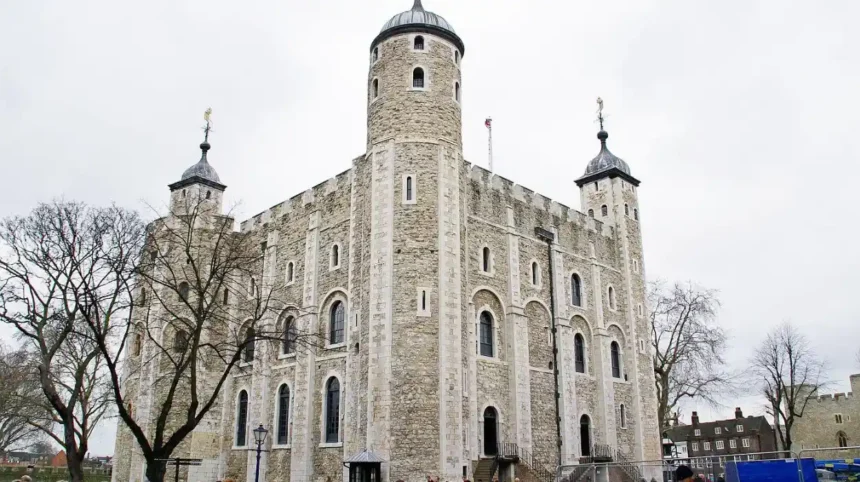
The Tower of London is the borough’s most internationally recognised historic landmark. Founded after the Norman Conquest, the fortified complex has served as a royal palace, fortress, prison, treasury and ceremonial site, making it central to understanding London’s medieval and royal history.
The Tower of London stands beside the River Thames at the western edge of Tower Hamlets. William the Conqueror began construction of the White Tower after the Norman Conquest, establishing a powerful defensive and royal complex.
The site subsequently expanded into a large fortified compound. Its functions changed over centuries. It served as a royal residence, military fortress, armoury, treasury and prison. The Crown Jewels remain one of its best-known visitor attractions.
The Tower also provides direct access to London’s medieval and Tudor history. Visitors encounter defensive walls, towers, historic buildings and exhibition spaces within the complex.
Its location also makes it useful as the starting point for a wider Tower Hamlets sightseeing route. Tower Bridge stands immediately to the east, while the Thames Path continues towards Wapping and Limehouse.
The Tower of London is therefore more than an isolated monument. It establishes the historical context for the borough’s western riverside and its long relationship with national government, trade and the River Thames.
As you explore this modern riverside district, you are crossing land with a deep heritage. Read about the full to understand its origins.
Why is Tower Bridge one of the best sightseeing landmarks in Tower Hamlets?
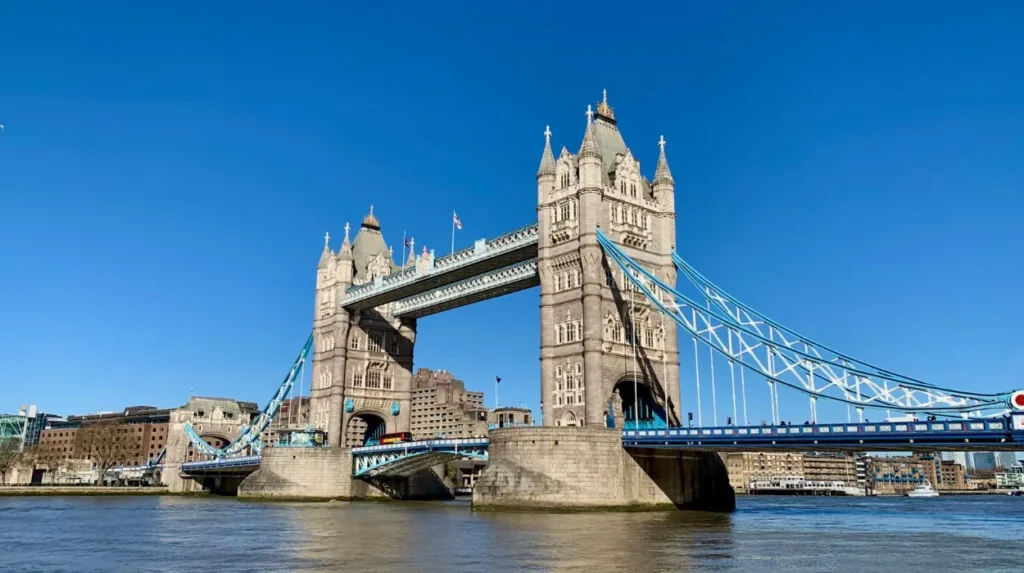
Tower Bridge is a combined road, pedestrian and bascule bridge spanning the River Thames beside the Tower of London. Its Victorian engineering, elevated walkways and river views make it one of Tower Hamlets’ most recognisable sightseeing landmarks.
Tower Bridge opened in 1894 and was designed to provide a major crossing while allowing tall vessels to reach London’s upstream docks. Its bascule mechanism raises the central road sections to allow river traffic through.
The bridge’s distinctive appearance combines Gothic Revival architectural elements with large steel structures. Visitors can walk across the bridge and explore its dedicated exhibition areas.
The elevated walkways provide views across the Thames, the Tower of London and London’s riverside skyline. The bridge also remains an operational transport route, linking Tower Hamlets with Southwark.
Its engineering importance connects directly with the history of London’s port. Ships required access to wharves and warehouses further upstream, while growing road traffic required a reliable crossing.
For sightseeing, Tower Bridge works particularly well as part of a riverside route. Visitors can begin at the Tower of London, cross the bridge and continue along the Thames towards Shad Thames or return eastwards towards Wapping.
Which museum explains Tower Hamlets’ docklands history?
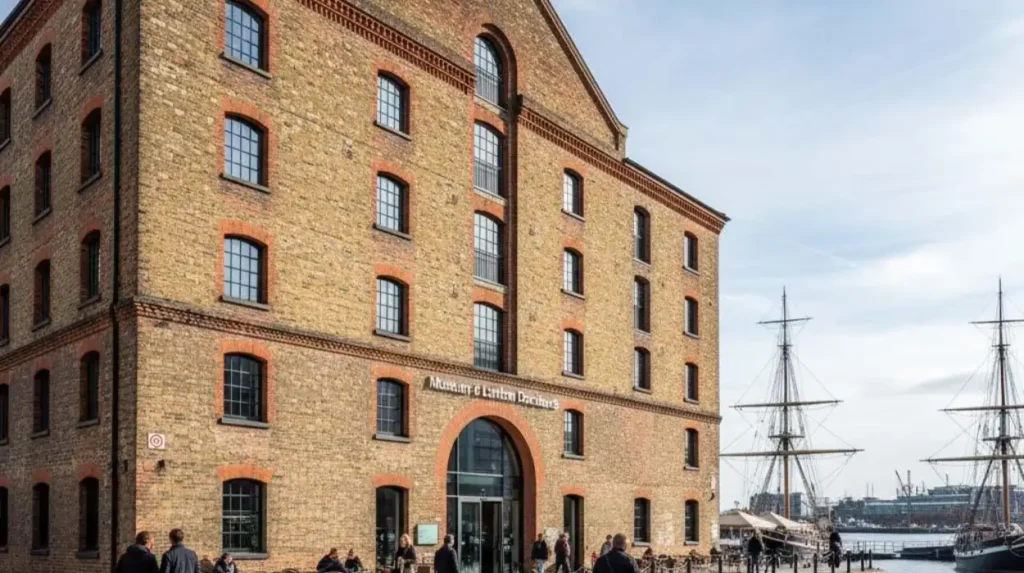
The Museum of London Docklands is the key museum for understanding London’s port, docks, trade and riverside communities. Its collections explain how the River Thames and West India Docks shaped commerce, migration, industry and the development of modern Docklands.
The Museum of London Docklands is located at West India Quay in a historic warehouse complex. The museum examines London’s relationship with the River Thames and the wider history of the port.
Its collections cover the development of London’s docks, maritime trade, commerce and local communities. Exhibitions also address slavery and the global trading systems connected with London’s port economy.
The museum occupies an important historical setting. The West India Docks opened in the early nineteenth century and became major commercial facilities for imported goods.
The museum therefore connects physical geography with economic history. The warehouses, docks and quays around Canary Wharf are evidence of an earlier industrial landscape.
For visitors, the museum is particularly useful before exploring Canary Wharf. It explains why the area contains such a high concentration of former warehouses, dock basins and commercial infrastructure.
The museum is also valuable for family visitors because it presents complex historical subjects through objects, displays and reconstructed environments.
Where can visitors experience contemporary art in Tower Hamlets?
Whitechapel Gallery is the borough’s leading contemporary art institution and has presented international and British artists since 1901. Its programme combines exhibitions, commissions, education and public activities within a Grade II listed East London building.*
Whitechapel Gallery was founded in 1901 by Samuel and Henrietta Barnett. Its original purpose was to make art accessible to people in the East End. The institution developed a long tradition of presenting international artists alongside local community programmes.
The gallery has hosted major artists including Pablo Picasso, Jackson Pollock, David Hockney, Frida Kahlo and Gilbert & George. Picasso’s Guernica was displayed there in 1939 during its first and only visit to Britain.
The building itself has architectural significance. It was designed by Charles Harrison Townsend and completed in 1901. A major expansion in 2009 incorporated the former Whitechapel Public Library, increasing exhibition, education and community space.
Whitechapel Gallery is particularly suitable for visitors interested in contemporary art, architecture, cultural history and East London’s changing identity.
Its location also places visitors close to Whitechapel Market, Brick Lane, Spitalfields and other cultural destinations.
Which markets should visitors explore in Tower Hamlets?
Tower Hamlets has a strong market tradition, with established destinations including Brick Lane Market, Columbia Road, Whitechapel Market, Petticoat Lane, Chrisp Street Market and Roman Road Market. Each provides a different combination of food, fashion, plants, household goods and local culture.
Markets are central to the visitor experience in Tower Hamlets. The council lists ten street markets, including Brick Lane, Bethnal Green Road, Chrisp Street, Columbia Road, Petticoat Lane, Roman Road, Roman Road Square, Sclater Street, Watney Market and Whitechapel Market.
Brick Lane Market operates on Sundays and is known for fashion, food, art, flea-market goods and its connection with the Bangladeshi community. The market’s history dates to 1888.
Columbia Road is particularly associated with flowers and plants. Its market operates on Sundays and creates a distinctive destination for visitors interested in gardening, independent shops and East End streetscapes.
Whitechapel Market runs along Whitechapel Road and sells products including fruit, vegetables, spices, fashion, cultural clothing and jewellery.
Roman Road Market operates on Tuesdays, Thursdays and Saturdays. It provides food, clothing, household products and other everyday goods. Chrisp Street Market in Poplar has Victorian origins and remains an important local shopping centre.
Markets are most effective as part of a neighbourhood visit because they connect shopping with local architecture, food and community history.
What can visitors do around Brick Lane and Spitalfields?
Brick Lane and Spitalfields form one of Tower Hamlets’ strongest cultural districts, combining historic streets, markets, independent shops, food venues, street art and galleries. The area reflects successive French Huguenot, Jewish, Bangladeshi and other migrant communities.
Brick Lane is one of East London’s best-known streets. Its cultural identity developed through successive waves of migration and economic change.
Tower Hamlets Council records French Huguenot and Jewish communities alongside the later development of the area’s strong Bangladeshi identity.
Visitors can combine Brick Lane Market with nearby Spitalfields streets, independent businesses, galleries and food venues. The area is especially useful for travellers seeking a dense concentration of cultural experiences within a walkable district.
The neighbourhood also demonstrates how migration has influenced London’s food culture, retail landscape and religious architecture.
Street art provides another visual component. Murals and changing artworks appear throughout the wider Brick Lane area, making the neighbourhood relevant to visitors interested in contemporary urban culture.
A walking route through Brick Lane should also include surrounding streets rather than focusing only on the main road. Nearby areas contain historic buildings, market spaces and architectural details connected with the East End’s commercial past.
Which parks are best for leisure and outdoor activities?
Victoria Park is Tower Hamlets’ largest park and London’s oldest public park, while Mile End Park, Mudchute Park and Farm and Tower Hamlets Cemetery Park provide additional outdoor experiences. Together they offer recreation, nature, heritage, sport and family activities.
Tower Hamlets contains more than 120 parks and green spaces. The council reports 14 Green Flag Awards and identifies Victoria Park as the borough’s oldest and largest park.
Victoria Park covers approximately 86 hectares and opened in 1845. It was created for the benefit of East London’s working population and is known locally as Vicky Park. The council reports more than nine million visits each year.
The park contains lakes, historic features, sports facilities, gardens, open lawns and event spaces. It also forms part of a wider green corridor linking areas towards Mile End and the Queen Elizabeth Olympic Park.
Mile End Park provides another major outdoor destination. It includes sports facilities, an Ecology Park and the Arts Pavilion. The park supports walking, cycling, family recreation and organised activities.
Mudchute Park and Farm provides a different experience. It is a working urban farm and nature area on the Isle of Dogs.
Tower Hamlets Cemetery Park provides woodland, historic graves and wildlife habitat. The council identifies both Mudchute Park and Farm and Tower Hamlets Cemetery Park as local nature reserves.
What can visitors see around Canary Wharf?
Canary Wharf combines modern architecture, public art, shopping, restaurants, landscaped spaces, waterways and cultural attractions. Crossrail Place Roof Garden, West India Quay, dockside paths and the Museum of London Docklands provide key visitor experiences within the financial district.
Canary Wharf occupies the former Docklands area around the West India Docks. Its transformation from an industrial port district into a major financial centre represents one of London’s most significant urban regeneration projects.
The skyline contains high-rise commercial buildings, while the dock basins retain evidence of the area’s maritime past.
Crossrail Place provides one of the area’s most distinctive public spaces. Its roof garden contains planting and sheltered walking areas above the Elizabeth line station.
West India Quay connects modern Canary Wharf with historic dock architecture. The Museum of London Docklands occupies warehouses within this setting.
Visitors can also follow dockside paths around the water. Public art, landscaped squares and modern architecture create opportunities for photography and urban sightseeing.
Visit London identifies Canary Wharf’s cultural and leisure attractions as including the Museum of London Docklands, Crossrail Place Roof Garden, Thames-side walks and public art.
The area also works well for business travellers because restaurants, cafés, shopping facilities, transport links and public spaces are concentrated around the commercial district.
Where can visitors find unusual green spaces in Tower Hamlets?
Tower Hamlets contains nationally significant registered landscapes alongside ordinary neighbourhood parks. Victoria Park, Boundary Gardens, Island Gardens, Museum Gardens and Novo Cemetery are registered parks and gardens with recognised historic landscape value.
The borough has five registered parks and gardens: Victoria Park, Boundary Gardens, Island Gardens, Museum Gardens and Novo Cemetery. Victoria Park has Grade II* status, while the other listed landscapes have Grade II status.
These designations recognise landscapes with historic or architectural importance. They provide an alternative way to explore Tower Hamlets beyond major tourist landmarks.
Island Gardens is particularly significant for riverside sightseeing. It provides views across the Thames towards Greenwich and the historic Old Royal Naval College.
Boundary Gardens provides another example of a smaller historic green space within the urban landscape.
The borough’s historic open-space inventory also records numerous publicly accessible sites with heritage value. A 2003 London Inventory of Historic Green Spaces identified 52 publicly accessible historic open spaces in Tower Hamlets.
This wider network makes the borough suitable for visitors who prefer quieter sightseeing routes.
Which riverside areas are best for walking and photography?
The Thames riverside provides a continuous sightseeing environment linking historic landmarks, docklands, modern architecture and residential districts. Tower Bridge, Wapping, Limehouse, Canary Wharf and Island Gardens offer distinct views of London’s river, bridges and changing skyline.
The River Thames forms the southern boundary of Tower Hamlets. Its shoreline explains much of the borough’s economic and architectural history.
A western route can begin near the Tower of London and Tower Bridge. From there, visitors can travel east through Wapping and towards Limehouse.
Limehouse Basin connects the Thames with the Regent’s Canal and provides a different perspective on London’s historic waterways. The basin is surrounded by modern residential development and former industrial areas.
Canary Wharf provides a contrasting riverside environment. Its towers, dock basins and public spaces create a modern skyline.
Island Gardens offers another major viewpoint. The park sits opposite Greenwich and provides a broad view across the Thames.
Riverside walking also helps visitors understand the relationship between London’s port and its surrounding neighbourhoods. Warehouses, docks, bridges and former industrial sites remain important elements of the landscape.
How can visitors experience Tower Hamlets’ cultural diversity?
Tower Hamlets’ cultural diversity is visible through its markets, food districts, religious buildings, galleries, community spaces and historic neighbourhoods. Whitechapel, Brick Lane, Spitalfields, Bethnal Green and Poplar each demonstrate different layers of East London’s social history.
Cultural diversity is one of Tower Hamlets’ defining characteristics. The borough’s communities have developed through centuries of migration, trade, employment and urban change.
Whitechapel has strong connections with Jewish, Bangladeshi and other migrant communities. Brick Lane became particularly associated with the Bangladeshi community while retaining evidence of earlier Huguenot and Jewish settlement.
Markets provide one of the most accessible ways to experience this history. Food stalls, clothing, spices, plants and household products demonstrate the commercial role of local communities.
Whitechapel Gallery adds an international cultural dimension. Since its foundation in 1901, it has presented artists and ideas from around the world while maintaining strong links with East London communities.
Visitors should therefore approach Tower Hamlets as a collection of distinct neighbourhoods rather than a single attraction zone.
Which Tower Hamlets attractions work best for families?
Families can combine Victoria Park, Mile End Park, Mudchute Park and Farm, the Museum of London Docklands and Tower Bridge. These destinations provide outdoor recreation, animals, history, interactive learning, open space and accessible sightseeing across different parts of the borough.
Victoria Park provides extensive open space, playgrounds, sports facilities and family recreation. Its lakes and gardens also create opportunities for relaxed outdoor visits.
Mile End Park provides additional playgrounds, sports facilities and environmental attractions. The park’s Ecology Park adds an educational element focused on nature.
Mudchute Park and Farm offers children an opportunity to see farm animals within an urban environment. Its location on the Isle of Dogs also makes it suitable for combining countryside-style recreation with Canary Wharf sightseeing.
The Museum of London Docklands provides historical learning within a museum setting. Families can connect the displays with the docks and warehouses visible outside.
Tower Bridge provides a more architectural experience. Its bridge structure and engineering history introduce visitors to Victorian infrastructure and London’s transport development.
Families can therefore construct a varied day without travelling across the whole of central London.
Where can digital nomads and business travellers spend leisure time?
Digital nomads and business travellers can combine work-friendly cafés, cultural venues, public gardens, riverside walks and transport-connected districts in Tower Hamlets. Canary Wharf, Whitechapel, Spitalfields and Brick Lane provide particularly strong combinations of business infrastructure and leisure activities.
Canary Wharf is the strongest business-oriented part of the borough. Its concentration of offices, restaurants, cafés, retail facilities and transport services supports visitors with limited free time.
The area is connected by the Jubilee line, Elizabeth line and DLR. This makes it practical for travellers staying elsewhere in London.
Whitechapel provides a different atmosphere with markets, galleries, restaurants and strong transport connections. Elizabeth line and Underground services connect the area with central London and other parts of the capital.
Spitalfields and Brick Lane provide independent cafés, food venues and cultural attractions. Their compact geography supports short breaks between meetings or after working hours.
Riverside routes also provide low-cost leisure opportunities. Walking around Canary Wharf’s docks or along sections of the Thames does not require admission to a major attraction.
For business travellers, the main advantage is geographic concentration. Museums, parks, restaurants, transport stations and cultural venues sit within relatively short distances of commercial districts.
How should visitors plan a sightseeing day across Tower Hamlets?
Visitors should organise Tower Hamlets by geographic districts rather than attempting to cross the entire borough repeatedly. A western route suits historic landmarks, a central route suits markets and culture, while Canary Wharf and the Isle of Dogs suit modern architecture and riverside leisure.
A historic sightseeing day can begin around the Tower of London and Tower Bridge. Visitors can then continue east along the Thames towards Wapping and Limehouse.
A culture-focused day works well around Whitechapel, Spitalfields and Brick Lane. Whitechapel Gallery can form the cultural centre, followed by market exploration and local food.
A green-space itinerary can focus on Victoria Park and Mile End Park. These areas provide extensive outdoor space and connect with wider East London walking routes.
A modern Docklands itinerary can centre on Canary Wharf. The Museum of London Docklands provides historical context, followed by West India Quay, Crossrail Place Roof Garden and dockside walks.
Visitors should check attraction opening hours, market operating days and event schedules before travelling. Markets do not all operate every day, and exhibitions change throughout the year.
Public transport is generally the most efficient way to connect separate districts.
Explore More Area Guide
Tower of London & East London Attractions Guide Tower Hamlets 2026
Tower Hamlets Travel Ideas for Tourists Beyond Central London 2026
Why is Tower Hamlets suitable for repeat visits?
Tower Hamlets supports repeat visits because its attractions change by season, exhibition programme, market schedule and events calendar. Its combination of permanent landmarks, temporary culture, parks, markets and neighbourhoods provides different experiences without changing the wider destination.
Permanent attractions provide the foundation for repeat visits. The Tower of London, Tower Bridge, Museum of London Docklands and major parks remain central visitor destinations.
Temporary exhibitions create another reason to return. Whitechapel Gallery regularly changes its exhibition programme and continues its long-standing focus on contemporary art and public engagement.
Markets also change throughout the week. Brick Lane has a strong Sunday market identity, while Whitechapel, Roman Road and Chrisp Street operate on different schedules.
Parks provide seasonal changes in planting, wildlife and public events. Tower Hamlets Council also runs cultural, sports, educational and community activities in its parks.
The borough therefore remains relevant to both first-time visitors and repeat travellers. Its attraction network covers heritage, culture, food, shopping, recreation and urban sightseeing.
What is the overall visitor value of Tower Hamlets?
Tower Hamlets offers one of East London’s most complete combinations of history, culture, leisure and sightseeing. The Tower of London, Tower Bridge, museums, markets, galleries, parks, waterways and Canary Wharf create a destination with strong year-round visitor relevance.
The borough’s greatest strength is the density of different visitor experiences. A single trip can include a medieval fortress, Victorian bridge, contemporary art gallery, historic market, large public park and modern financial district.
Its history is equally diverse. The area reflects royal government, maritime trade, industrial development, migration, community formation and post-industrial regeneration.
Its green infrastructure is significant within inner London. Tower Hamlets has more than 120 parks and green spaces, while Victoria Park alone covers approximately 86 hectares and receives more than nine million visits annually.
The borough’s markets strengthen its local identity. Ten street markets are recognised by Tower Hamlets Council, ranging from Brick Lane and Columbia Road to Roman Road, Whitechapel and Chrisp Street.
Its cultural institutions provide another major layer. Whitechapel Gallery has operated since 1901 and remains an internationally recognised contemporary art institution rooted in East London.
For tourists, Tower Hamlets is therefore not simply a collection of individual attractions. It is a connected cultural landscape where historic landmarks, neighbourhood life, green spaces, waterways and modern architecture occupy the same borough.
What are the top visitor attractions in Tower Hamlets?
The top visitor attractions include the Tower of London, Tower Bridge, Museum of London Docklands, Whitechapel Gallery, Brick Lane, Victoria Park, Canary Wharf, Columbia Road Market and Mudchute Park and Farm. These attractions cover history, culture, shopping, leisure and sightseeing.