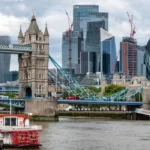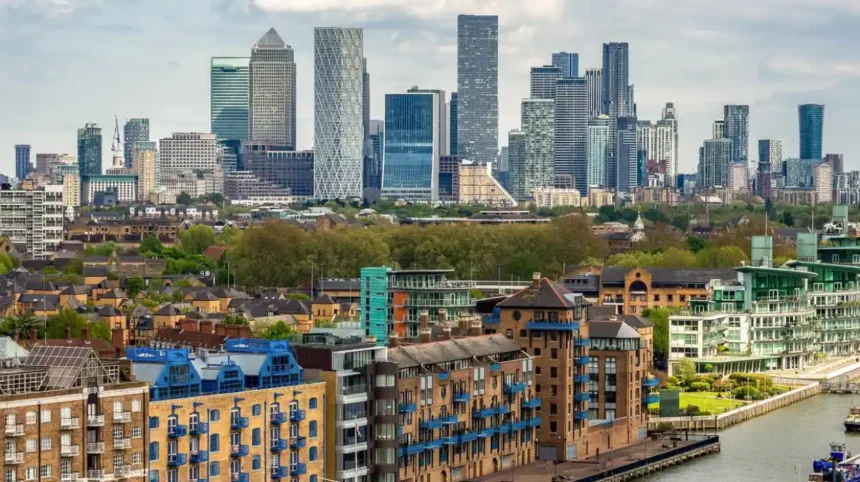
Tower Hamlets offers one of the strongest alternatives to a conventional Central London sightseeing itinerary. The East London borough combines royal heritage, historic docks, international food culture, street markets, contemporary art, major green spaces and modern business districts.
- Why is Tower Hamlets a strong alternative to Central London for tourists?
- Which Tower Hamlets attractions should first-time visitors prioritise?
- How can tourists explore Tower Hamlets’ royal and medieval heritage?
- What markets can tourists visit in Tower Hamlets?
- Where can visitors experience East London’s cultural diversity?
- Which parks and outdoor spaces are worth visiting in Tower Hamlets?
- What museums and galleries should tourists explore in Tower Hamlets?
- How can tourists explore Canary Wharf without treating it only as a business district?
- Which Tower Hamlets neighbourhoods are best for a walking itinerary?
- How should tourists plan a one-day Tower Hamlets itinerary?
- What makes Tower Hamlets relevant for future London tourism?
Its location also makes it practical for visitors. Tower Hamlets stretches from the historic Tower Hill area through Whitechapel, Spitalfields, Bethnal Green, Stepney and Limehouse towards Canary Wharf and the Isle of Dogs. This creates a compact travel area with distinct neighbourhood identities.
The borough is home to globally recognised landmarks such as the Tower of London, while its smaller streets contain markets, galleries, canals, parks and cultural institutions that provide a different view of London.
Tower Hamlets Council describes the borough as having a combination of history, culture, museums, galleries and markets. Its official attractions information specifically highlights the Tower of London, Petticoat Lane Market and Columbia Road Flower Market among its visitor attractions.
For tourists looking beyond the traditional Central London route, Tower Hamlets provides a useful combination of major attractions and neighbourhood experiences.
Why is Tower Hamlets a strong alternative to Central London for tourists?
Tower Hamlets gives visitors historic landmarks, markets, museums, parks, waterways, restaurants and modern districts within one East London borough. Its attractions range from the medieval Tower of London to contemporary Whitechapel and Canary Wharf, creating varied itineraries without remaining in Central London.
Tower Hamlets occupies an important position between the City of London and East London. Its western edge contains some of the capital’s most important historic sites, while its eastern and southern districts demonstrate London’s industrial, maritime, commercial and multicultural development.
The borough is particularly suitable for travellers who want several types of experiences during one visit. A morning can focus on royal history around the Tower of London. The afternoon can move towards Spitalfields and Brick Lane for markets, food and independent retail. Another day can centre on Victoria Park, Mile End and the Regent’s Canal.
This geographical variety also supports short visits. Visitors staying elsewhere in London can use the borough for a half-day excursion rather than committing an entire day to one attraction.
Tower Hamlets also has strong transport connections through London Underground, Docklands Light Railway, Overground services, Elizabeth line stations and bus routes. Visitors should check current Transport for London services before travelling because planned engineering works and temporary closures change journey times.
The borough’s diversity is also reflected in its cultural institutions. Whitechapel Gallery, for example, was founded in 1901 specifically to bring major art and ideas to East London.
Which Tower Hamlets attractions should first-time visitors prioritise?
First-time visitors should prioritise the Tower of London, Tower Bridge surroundings, St Katharine Docks, Spitalfields, Brick Lane, Whitechapel Gallery, Victoria Park and Canary Wharf. These attractions collectively cover royal history, maritime heritage, markets, art, green space and modern London.
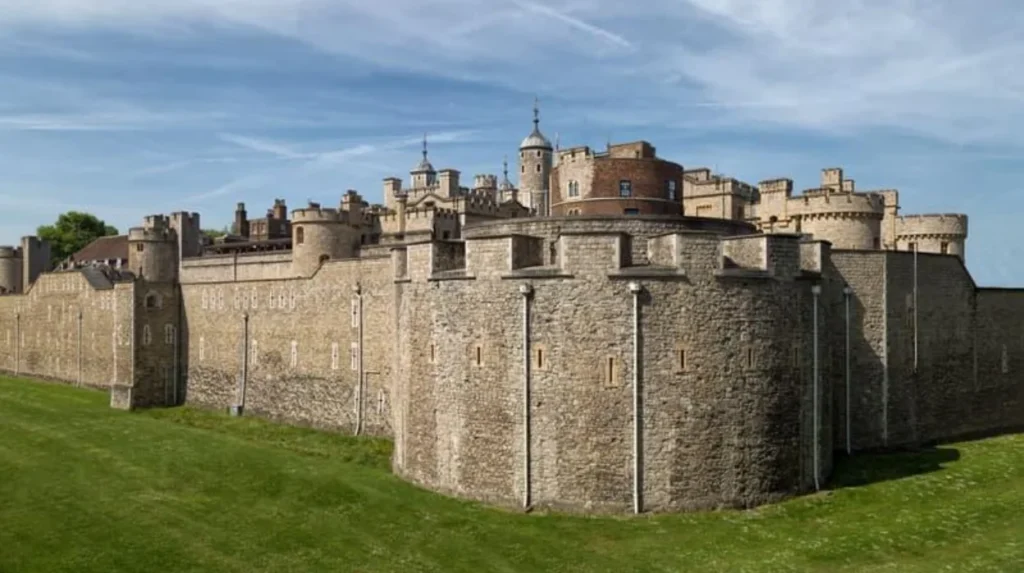
The Tower of London is the borough’s defining historic attraction. The fortress was begun by William the Conqueror in the 1070s and developed over centuries into a royal palace, fortress, prison, armoury and treasury.
The site became a UNESCO World Heritage Site in 1988. Its current buildings reflect a sequence of development that began around 1067.
The Tower also houses the Crown Jewels and remains associated with the Yeoman Warders, the ceremonial guardians who conduct visitor tours and traditions.
Nearby Tower Hill provides access to the historic City boundary and riverside routes. St Katharine Docks adds a contrasting maritime setting with waterside restaurants, boats and pedestrian spaces.
Spitalfields provides another major visitor area. Its historic market environment connects with Brick Lane, where food, fashion, art and vintage retail form a major part of the visitor experience.
Whitechapel adds contemporary culture. Whitechapel Gallery has nine exhibition spaces following its expansion and combines contemporary exhibitions with learning, archives, a bookshop and café.
Victoria Park provides the major green-space alternative. At 86 hectares, it is Tower Hamlets’ largest park and receives more than nine million visitors each year.
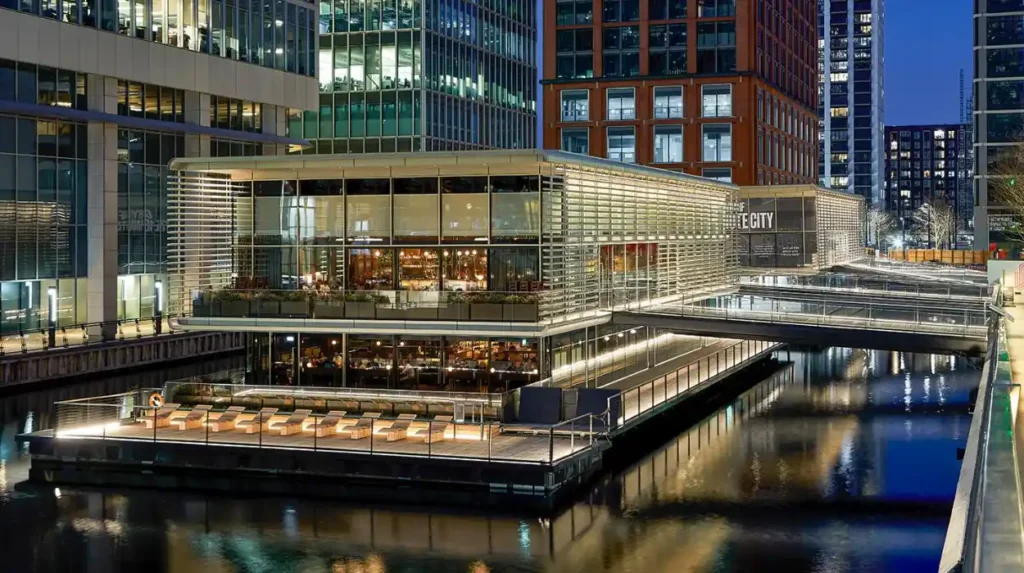
Canary Wharf completes the contrast with modern architecture, offices, public spaces, restaurants, shopping and waterside areas.
How can tourists explore Tower Hamlets’ royal and medieval heritage?
Tourists can explore royal and medieval heritage through the Tower of London, Tower Hill, historic churches, old streets and surviving riverside infrastructure. The Tower provides the deepest concentration of medieval royal history, while surrounding districts reveal how London expanded beyond its historic City core.
The Tower of London dominates the western end of Tower Hamlets’ heritage landscape. William the Conqueror began the fortress during the 1070s following the Norman conquest. Construction of the principal stone keep took around 20 years.
The complex subsequently expanded under Henry III and Edward I. Defensive walls, towers and the moat created a concentric fortress system.
The Tower served several functions across different periods. Monarchs used it as a palace and defensive stronghold. It also operated as a prison, armoury, royal treasury and mint.
The Royal Mint operated at the Tower from the reign of Edward I until 1810. This demonstrates the site’s importance to the financial and political structure of medieval and early modern England.
Visitors interested in royal traditions can also investigate the Ceremony of the Keys. The formal locking and unlocking of the Tower gates developed in the medieval period. Historic Royal Palaces traces the formal security arrangements to the reign of Edward III in the 14th century.
As you explore the modern Tower Hamlets landscape, you are crossing land with deep heritage. Read about the full [Visitors exploring alternative London destinations, local attractions, markets, heritage sites, and leisure experiences]
The historical experience continues beyond the fortress. Tower Hill and nearby streets contain memorials and buildings connected with London’s military, religious and commercial history.
The Tower also demonstrates how heritage sites evolve. During the First World War, its moat was used for military training and 11 spies were executed within the fortress between 1914 and 1916.
During the Second World War, the Tower’s moat became an allotment under the Dig for Victory campaign. The East End was heavily affected by bombing because of its docks and industrial infrastructure.
This layered history makes Tower Hamlets particularly valuable for visitors interested in London’s long-term development.
What markets can tourists visit in Tower Hamlets?
Tower Hamlets has a major concentration of historic street markets, including Brick Lane, Columbia Road, Roman Road, Petticoat Lane, Whitechapel Market and Watney Market. These markets provide food, flowers, clothing, vintage goods and everyday shopping.
Markets are central to the visitor experience in Tower Hamlets. The council identifies ten street markets across the borough, including Brick Lane, Bethnal Green Road, Chrisp Street, Columbia Road, Petticoat Lane, Roman Road, Roman Road Square, Sclater Street, Watney Market and Whitechapel Market.
Brick Lane is particularly important for tourists. The council records its establishment in 1888 and identifies its connections with French Huguenot, Jewish and Bangladeshi communities. The market is associated with fashion, food, art, jewellery, household goods and vintage retail.
Columbia Road has a different identity. Its flower market creates a strong horticultural focus and works particularly well as part of a walking route through Bethnal Green and Shoreditch.
Roman Road provides another established market environment. The council traces the area’s development to the early 19th century and links its origins to the growing population of silk weavers in Bethnal Green.
Whitechapel Market provides a further example of the borough’s long-established commercial culture. It sits within a district shaped by migration, trade, religion and changing urban development.
Tourists should check individual market days and opening hours before travelling. Market schedules vary between locations and seasonal conditions.
For visitors, markets are also useful for combining several activities. A market visit can be followed by a gallery, café, historic building or walking route without requiring a long cross-London journey.
Where can visitors experience East London’s cultural diversity?
Visitors can experience East London’s cultural diversity most directly around Whitechapel, Brick Lane, Spitalfields and Bethnal Green, where migration, food, religion, art, retail and community institutions have shaped the area’s identity over generations.
Tower Hamlets has a strong history of migration. Different communities have settled in the East End over centuries, influencing architecture, food, commerce, religious institutions and cultural life.
Brick Lane provides one of the clearest examples. Its history includes French Huguenot, Jewish and Bangladeshi communities, while its current commercial environment includes restaurants, cafés, market stalls, galleries and independent shops.
Whitechapel has a similarly complex cultural history. Whitechapel Gallery was founded in 1901 by Samuel and Henrietta Barnett. Its original mission focused on making high-quality art accessible to East London’s working-class and migrant communities.
The gallery’s history also demonstrates the international character of the district. It presented art connected with countries including Turkey, Persia, Egypt, Morocco, India, China, Sweden and Brazil during its early decades.
Its exhibition history includes major artists such as Pablo Picasso, Jackson Pollock, Frida Kahlo and David Hockney. Picasso’s Guernica was displayed at the gallery in 1939 during its first and only visit to Britain.
For tourists, this makes Whitechapel more than a transport interchange. It is a cultural district where historic migration and contemporary art occupy the same urban landscape.
Food tourism also fits naturally into this area. Brick Lane and surrounding streets contain restaurants and food businesses representing South Asian, Middle Eastern, European and other culinary traditions.
Visitors should distinguish between permanent food businesses and temporary market stalls because opening arrangements differ.
Which parks and outdoor spaces are worth visiting in Tower Hamlets?
Tower Hamlets has more than 120 parks and green spaces, with Victoria Park, Mile End Park, Weavers Fields and riverside areas providing major outdoor options. These spaces offer walking, gardens, sports, wildlife, canals, events and quieter breaks between urban attractions.
Tower Hamlets Council records more than 120 parks and green spaces across the borough. Fourteen parks hold Green Flag Awards, while nine have London in Bloom gold awards.
Victoria Park is the largest and most significant visitor green space. It opened in 1845 as a public park for the working-class population of the East End. Its 86 hectares contain lakes, gardens, historic structures and recreational areas.
The park receives more than nine million visits annually. It also forms part of a wider green corridor connecting Limehouse, the Regent’s Canal, Mile End Park and the Queen Elizabeth Olympic Park area.
Mile End Park provides a different environment. It includes the Ecology Pavilion, Arts Pavilion, sports facilities and open landscapes. Its position between central East London districts and Victoria Park makes it useful for longer walking routes.
Weavers Fields provides another urban green space close to Bethnal Green and Brick Lane. It works well for visitors seeking a shorter outdoor break during a neighbourhood itinerary.
The borough’s parks also host festivals, sports, arts activities and seasonal events. Visitors should check current council programming when planning a trip because event schedules change.
For photographers, walkers and visitors seeking downtime, these spaces create a practical balance between dense streets and open landscapes.
Explore more Area Guide
Best Things to Do in Havering for East London Visitors
Best Day Trips and Leisure Experiences in Hackney, London
What museums and galleries should tourists explore in Tower Hamlets?
Tower Hamlets offers museums and galleries covering royal history, maritime trade, contemporary art and local culture. The strongest options include the Tower of London collections, Museum of London Docklands, Whitechapel Gallery and smaller cultural venues across Whitechapel and the surrounding East End.
The museum and gallery landscape complements the borough’s outdoor and market attractions.
Whitechapel Gallery is the strongest destination for contemporary art. Founded in 1901, it remains a major East London cultural institution and marks its 125th anniversary in 2026.
General gallery admission is free, although individual ticketed exhibitions operate separately. Current opening arrangements should be checked before visiting.
The Museum of London Docklands provides a different focus by examining London’s relationship with the River Thames, docks, trade and global commerce. Its location in West India Quay places it within the historic Docklands landscape.
The museum experience works particularly well alongside Canary Wharf because visitors can compare the former dock system with the modern financial district that developed around it.
The Tower of London provides another major collection-based experience. Its displays cover royal history, armour, prisoners, the Crown Jewels and the development of the fortress.
These institutions provide useful context for tourists who want more than photographs. They explain the economic, political and cultural forces that shaped East London.
Visitors should check official museum and gallery websites before travelling because exhibition dates, admission arrangements and opening hours change.
How can tourists explore Canary Wharf without treating it only as a business district?
Canary Wharf combines modern architecture, public spaces, waterside walks, restaurants, retail, cultural programming and transport connections. Visitors can explore the district as a leisure destination while also observing the transformation of former docklands into London’s major financial centre.
Canary Wharf represents the modern phase of Tower Hamlets’ development.
The area was historically associated with the West India Docks and maritime trade. The docks formed part of London’s wider port infrastructure and connected the capital with international commerce.
Today, Canary Wharf contains major office buildings, restaurants, shops, public spaces and transport facilities. The district is therefore useful for tourists interested in architecture and urban regeneration.
The contrast with nearby Limehouse is particularly significant. Limehouse retains stronger traces of historic riverside and residential East London, while Canary Wharf presents a dense modern skyline.
Visitors can combine Canary Wharf with a Thames or Docklands walk. The waterfront environment provides views of contemporary buildings and former dock infrastructure.
The Elizabeth line and Jubilee line provide direct access to Canary Wharf, while Docklands Light Railway services connect the area with other parts of East London.
For domestic business travellers, the district also offers practical downtime options because restaurants, public spaces and cultural destinations sit close to major office complexes.
For leisure travellers, the key value lies in combining Canary Wharf with historic Docklands sites rather than treating the financial district as a standalone attraction.
Which Tower Hamlets neighbourhoods are best for a walking itinerary?
Whitechapel, Spitalfields, Brick Lane, Bethnal Green, Victoria Park, Limehouse and Canary Wharf each provide distinct walking environments. A neighbourhood-based itinerary reduces unnecessary travel and allows visitors to combine attractions with markets, food, heritage sites and public spaces.
Whitechapel works well for art, history, markets and food. Whitechapel Gallery provides a cultural anchor, while Whitechapel Market and nearby streets add commercial and social context.
Spitalfields and Brick Lane form another natural walking zone. Visitors can move between market spaces, historic streets, independent shops, cafés, galleries and restaurants.
Bethnal Green connects naturally with Victoria Park. A visitor can combine neighbourhood architecture with a substantial green-space visit.
Mile End creates a useful bridge between Bethnal Green and the wider East London park network. The Regent’s Canal adds another route for visitors who prefer walking beside water.
Limehouse provides a Thames-side environment with a different architectural character. Its location makes it useful for travellers combining historic East London with Docklands.
Canary Wharf works as a separate walking zone because of its large-scale architecture, waterfront spaces and shopping environment.
The most efficient approach is to group attractions geographically rather than crossing the borough repeatedly.
How should tourists plan a one-day Tower Hamlets itinerary?
A one-day Tower Hamlets itinerary should group nearby attractions into connected zones. Start with the Tower of London, continue towards St Katharine Docks and Spitalfields, explore Brick Lane and Whitechapel, then finish with riverside, Docklands or Canary Wharf experiences.
Start in the western part of the borough with the Tower of London. Allow substantial time because the fortress contains multiple historic structures and exhibitions.
Continue towards Tower Hill and St Katharine Docks. This section provides a transition from medieval royal history to London’s maritime heritage.
Move towards Spitalfields and Brick Lane around lunchtime. Market schedules vary, so confirm the operating day before travelling.
Continue north or east towards Whitechapel for contemporary art and local history. Whitechapel Gallery provides a strong cultural stop, while surrounding streets provide food and independent retail.
If outdoor space is the priority, replace the later gallery visit with Victoria Park or Mile End Park.
If modern architecture is the priority, continue towards Canary Wharf. The district works particularly well towards the end of a day because its waterfront and public spaces provide an alternative to historic attractions.
A single day cannot cover every part of Tower Hamlets in depth. The most efficient strategy is to select one primary theme and two supporting themes.
For example, a heritage-focused itinerary can centre on the Tower, Tower Hill and Docklands. A food-and-culture itinerary can centre on Whitechapel, Brick Lane and Spitalfields. An outdoor itinerary can centre on Victoria Park, Mile End and Limehouse.
What makes Tower Hamlets relevant for future London tourism?
Tower Hamlets remains relevant to future tourism because it combines protected heritage with active cultural institutions, regenerated docklands, public parks, markets and major transport infrastructure. Its attractions support repeat visits because different neighbourhoods offer distinct experiences within the same borough.
Tower Hamlets demonstrates how London tourism extends beyond traditional Central London landmarks.
Its heritage assets remain significant. The Tower of London is a UNESCO World Heritage Site, while historic markets and districts preserve evidence of migration, trade and working-class East London.
Its cultural infrastructure is also active. Whitechapel Gallery continues its contemporary programme while marking its 125th anniversary in 2026.
Its green infrastructure provides another long-term tourism asset. More than 120 parks and green spaces give visitors access to outdoor recreation across a densely urban borough.
The combination of heritage and regeneration creates a distinctive visitor environment. Medieval royal buildings, Victorian public parks, historic markets, former docks and modern financial architecture exist within a relatively compact geographical area.
That diversity is the central reason Tower Hamlets works for tourists looking beyond Central London. Visitors can build an itinerary around history, food, art, architecture, markets, parks or waterways without leaving East London.
The borough also supports repeat tourism. A first visit can focus on the Tower and Spitalfields. A second can explore Whitechapel and Brick Lane. A later visit can concentrate on Victoria Park, Mile End, Limehouse and Canary Wharf.
This makes Tower Hamlets a practical destination for visitors who want a broader understanding of London rather than a route limited to the capital’s most familiar central landmarks.
Sources: Tower Hamlets Council provides official information on attractions, markets and parks; Historic Royal Palaces provides authoritative information on the Tower of London and its history; Whitechapel Gallery provides institutional records of its history and cultural programme.
Why should tourists visit Tower Hamlets instead of only exploring Central London?
Tower Hamlets offers a different London experience with historic landmarks, cultural districts, markets, parks, waterways and modern architecture. Visitors can explore the Tower of London, Brick Lane, Spitalfields, Whitechapel and Canary Wharf within one East London borough.