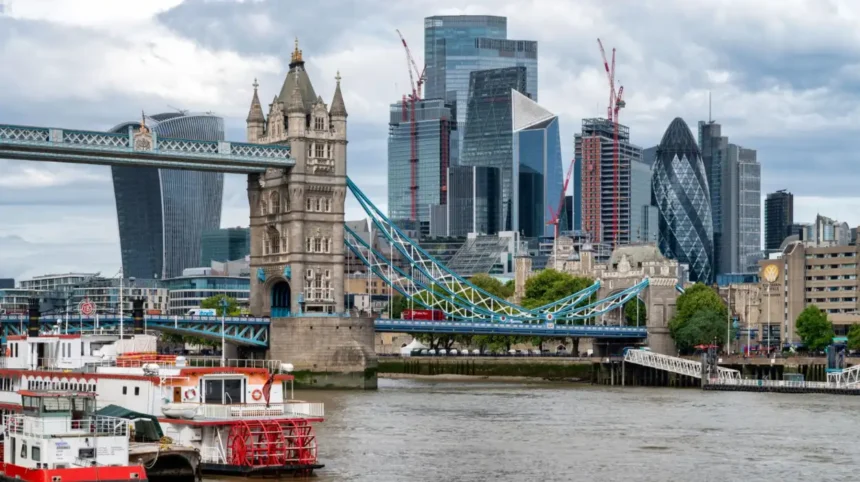
Tower Hamlets combines historic landmarks, riverside attractions, cultural venues, markets, green spaces, and diverse food experiences into one accessible East London destination. Visitors experience medieval heritage, maritime history, modern architecture, and multicultural neighbourhoods within a single borough.
The London Borough of Tower Hamlets is located in East London beside the River Thames and covers an area of approximately 19.8 square kilometres. The borough includes globally recognised areas such as Canary Wharf, Tower Hill, Whitechapel, Bethnal Green, Stepney, Limehouse, Poplar, and the Isle of Dogs.
Tower Hamlets has developed from a historic riverside settlement into one of London’s most important cultural and economic districts. The area connects centuries of history with modern urban life through landmarks, museums, financial centres, parks, and community spaces.
The borough is home to some of London’s most visited attractions, including the Tower of London, Tower Bridge, Museum of London Docklands, and Victoria Park.
Tourists choose Tower Hamlets for day trips because the borough offers different experiences within short travel distances. A visitor can explore royal history in the morning, enjoy riverside walks at lunchtime, visit markets in the afternoon, and experience modern dining or entertainment in the evening.
The borough’s transport network supports sightseeing across multiple neighbourhoods. London Underground stations including Tower Hill, Aldgate East, Canary Wharf, and Bethnal Green connect visitors with central London and wider East London areas.
Tower Hamlets also has a strong cultural identity shaped by migration, trade, industry, and regeneration. The combination of historic streets, contemporary architecture, and diverse communities creates a destination suitable for international tourists, domestic travellers, and local explorers.
Why should tourists start their Tower Hamlets visit at the Tower of London?
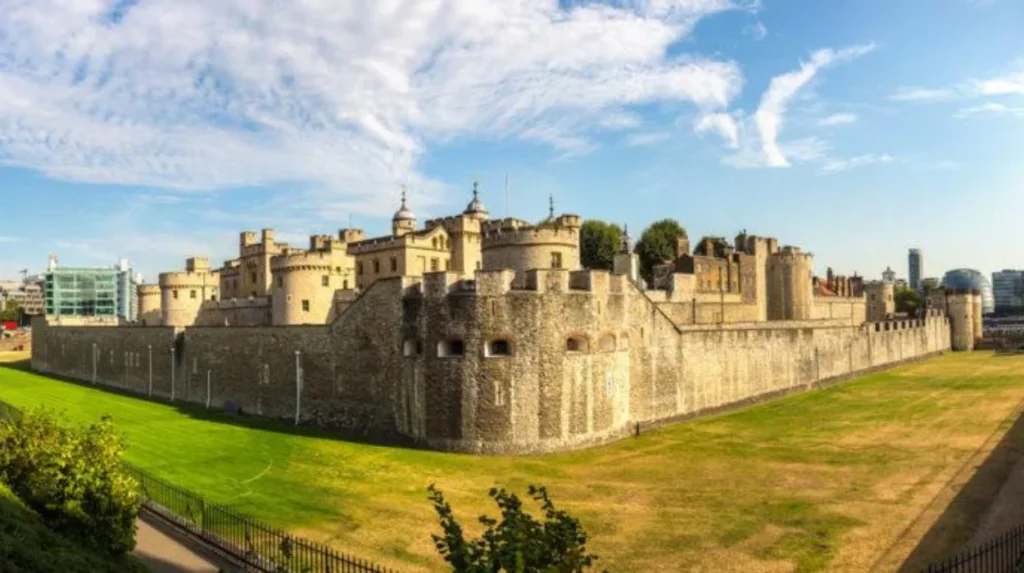
The Tower of London provides the strongest historical introduction to Tower Hamlets because it represents nearly 1,000 years of royal, military, and political history. The medieval fortress explains London’s development from a Norman stronghold into a global capital.
The Tower of London was founded by William the Conqueror after the Norman invasion of England in 1066. Construction of the White Tower began around 1078 and created a powerful symbol of royal authority beside the River Thames.
The site served several purposes throughout history. It operated as a royal palace, defensive fortress, prison, treasury, and armoury. Important historical figures, including Anne Boleyn and other political prisoners, were held within the complex.
Today, the Tower of London is managed by Historic Royal Palaces and attracts millions of visitors annually. The attraction contains the Crown Jewels, medieval architecture, exhibitions, and guided historical interpretation.
Visitors exploring the Tower also experience the relationship between London’s past and present. The surrounding area contains modern financial buildings, riverside pathways, and transport connections that show the transformation of the capital over centuries.
As you explore the modern site, you are crossing land with a deep heritage. Read about the full [Travellers planning sightseeing, dining, walking, shopping, and cultural activities during Tower Hamlets day trips] to understand its origins.
A Tower Hamlets day itinerary often begins here because the location provides direct access to other attractions. Tower Bridge, the Thames Path, St Katharine Docks, and riverside restaurants are all within walking distance.
How does Tower Bridge add to a Tower Hamlets sightseeing route?
Tower Bridge adds architectural, engineering, and riverside interest to a Tower Hamlets itinerary. Opened in 1894, the bridge connects historic London districts while offering visitors views of the River Thames and the city skyline.
Tower Bridge is one of London’s most recognisable landmarks. The combined bascule and suspension bridge was officially opened on 30 June 1894 by the Prince and Princess of Wales.
The bridge was designed to solve a transport challenge created by increasing trade activity on the River Thames. Engineers developed a lifting mechanism that allowed large ships to pass while maintaining road access between north and south London.
The bridge stretches approximately 244 metres across the Thames and includes two towers connected by high-level walkways. The Tower Bridge Exhibition explains the engineering systems, Victorian construction methods, and historical operation of the bridge.
Tourists visiting Tower Hamlets often combine Tower Bridge with a Thames riverside walk. The route provides views of City Hall, HMS Belfast, the Shard, and historic dock areas.
The area surrounding Tower Bridge has also changed significantly through regeneration. Former industrial waterfront spaces now include restaurants, cultural venues, and public walking routes.
The bridge demonstrates the relationship between London’s industrial expansion and modern tourism. It remains an active transport crossing while functioning as a major visitor attraction.
Explore more Area Guide
Best Places to Visit in Havering for a Relaxing Day Out in London
Complete Guide to the History and Structure of Professional England Football
What can visitors discover at the Museum of London Docklands?
The Museum of London Docklands explains the economic and social history of the River Thames, including trade, migration, industry, and the transformation of London’s docks. It provides essential context for understanding Tower Hamlets’ waterfront identity.
The Museum of London Docklands opened in 2003 inside a Grade I listed early nineteenth-century warehouse at West India Quay. The building originally stored imported goods including sugar, rum, and spices during London’s maritime trading period.
The museum explores more than 2,000 years of London’s river history. Exhibitions cover Roman settlement, the growth of the docks, global trade networks, slavery, immigration, and modern regeneration.
Tower Hamlets became central to London’s dock economy because of its location along the Thames. The West India Docks opened in 1802 and became some of the world’s busiest trading facilities.
The decline of traditional dock industries during the twentieth century transformed the area. Former warehouses and industrial sites were converted into offices, housing, cultural spaces, and leisure destinations.
The museum provides valuable information for visitors who want to understand why Canary Wharf and surrounding areas developed into major economic centres.
The Docklands story also connects historical communities with present-day Tower Hamlets. The borough continues to reflect international connections through its population, businesses, restaurants, and cultural events.
What are the best places to visit in Tower Hamlets for tourists?
Tower Hamlets offers historic landmarks, riverside attractions, cultural venues, markets, and green spaces. The Tower of London, Tower Bridge, Museum of London Docklands, Canary Wharf, Brick Lane, Spitalfields Market, and Victoria Park are among the top visitor destinations.
Tourists can explore different sides of East London within one day. Historic attractions explain London’s royal and maritime past, while markets and cultural areas showcase the borough’s modern identity.