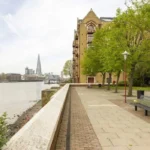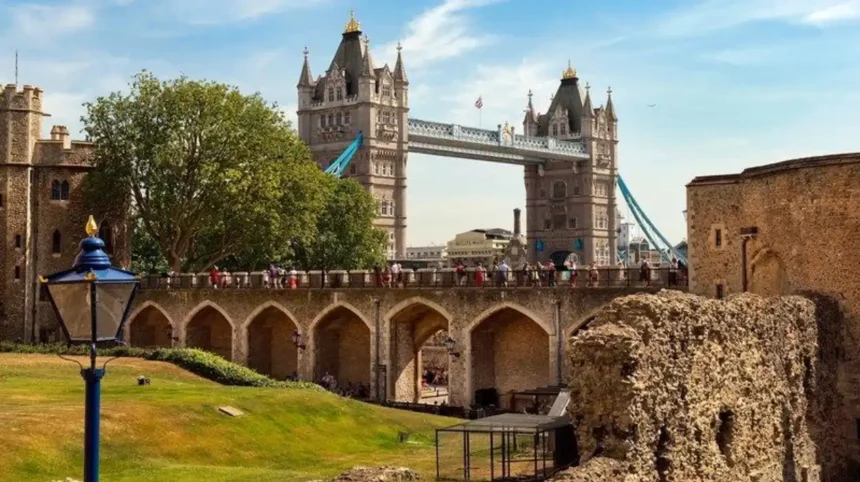
Tower Hamlets is one of East London’s most historically layered and culturally diverse boroughs. It stretches from the River Thames and the Tower of London through Wapping, Whitechapel, Spitalfields, Bethnal Green, Bow, Mile End, Limehouse and the modern Canary Wharf district. The borough combines medieval heritage, maritime history, immigrant communities, markets, museums, parks, canals, contemporary architecture and riverside spaces.
- What makes Tower Hamlets worth visiting for the first time?
- Which historical landmarks should first-time visitors explore?
- How important is the Tower of London for a first-time visit?
- Which museums are best for understanding Tower Hamlets?
- What can visitors discover around Brick Lane and Spitalfields?
- Where can visitors experience East London markets?
- Which parks and green spaces should visitors explore?
- What is there to discover around Canary Wharf and the Docklands?
- Which neighbourhoods should first-time visitors explore?
- How can visitors explore Tower Hamlets on foot?
- Where can visitors find food and cultural experiences?
- How accessible is Tower Hamlets for first-time tourists?
- How should first-time visitors plan a day in Tower Hamlets?
- What makes Tower Hamlets different from other parts of London?
- What should first-time visitors prioritise in Tower Hamlets?
- Why will Tower Hamlets remain relevant for visitors?
Tower Hamlets Council describes the borough as the heart of London’s East End and highlights its connection with the River Thames, the Tower of London, Tower Bridge, the Docklands and Canary Wharf.
For first-time visitors, the main attraction is the concentration of different experiences within a relatively compact part of London. A visitor can explore a medieval fortress, walk beside historic docks, eat along Brick Lane, visit a major museum, relax in Victoria Park and finish the day among Canary Wharf’s high-rise buildings.
What makes Tower Hamlets worth visiting for the first time?
Tower Hamlets is worth visiting because it combines royal history, East End culture, markets, museums, parks, canals, riverside walks and modern Docklands architecture within one London borough. Its attractions range from the Tower of London to Brick Lane, Victoria Park and Canary Wharf.
The borough has a distinctive geographical position. The River Thames forms its southern boundary, while the City of London sits immediately to the west. This location explains much of Tower Hamlets’ historical development.
The borough grew around London’s eastern expansion, river trade, docks and communities working in maritime industries. Later regeneration transformed former industrial areas into commercial and residential districts.
This creates a strong contrast between old and new. Wapping retains historic warehouses and riverside character. Whitechapel and Spitalfields contain layers of migration, commerce and religious heritage. Canary Wharf represents the modern financial district of the Docklands.
Tower Hamlets also has substantial green space. Victoria Park covers 86 hectares and receives more than nine million visits each year, according to Tower Hamlets Council.
For a first visit, this combination makes the borough suitable for sightseeing, photography, walking, food exploration, museum visits and short leisure breaks.
Which historical landmarks should first-time visitors explore?
First-time visitors should prioritise the Tower of London, Tower Bridge, St Katharine Docks, Wapping’s historic riverside and Spitalfields. These locations explain how monarchy, defence, trade, migration and maritime commerce shaped Tower Hamlets and the wider development of London.
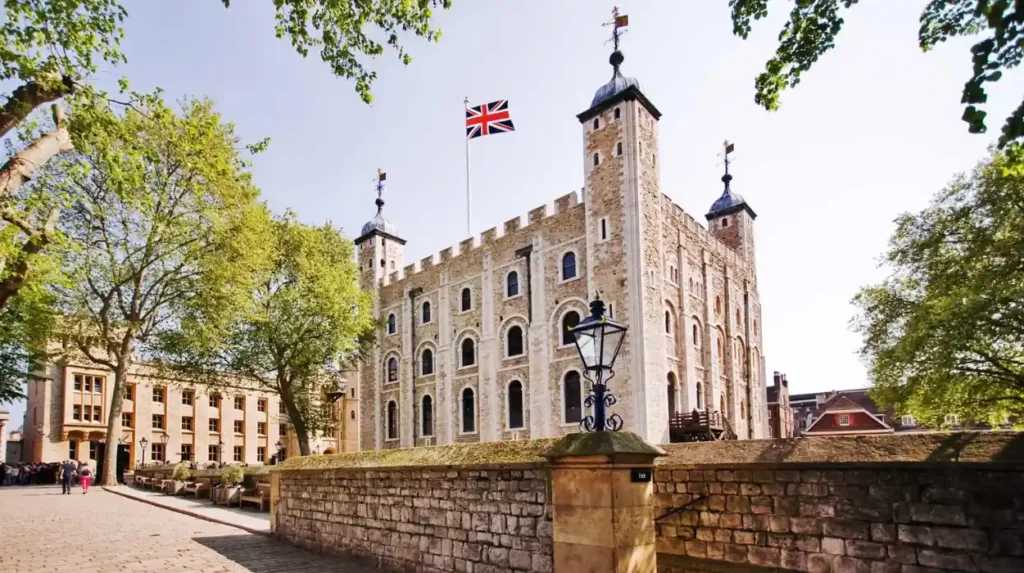
The Tower of London is the borough’s most internationally significant historic attraction. It is a World Heritage Site inscribed by UNESCO in 1988. UNESCO identifies it as an outstanding example of Norman military architecture and a medieval fortress palace that developed between the 11th and 16th centuries.
William the Conqueror began the White Tower in the 1070s following the Norman Conquest. Historic Royal Palaces states that construction began in the 1070s and took around 20 years.
The fortress subsequently served several roles. It functioned as a royal palace, military stronghold, prison, armoury and repository for important state possessions. The Crown Jewels remain one of its major visitor attractions.
Tower Bridge stands immediately east of the Tower of London. Although often associated with the City of London because of its position, its northern side connects directly with Tower Hamlets. The bridge opened in 1894 and remains one of the defining structures on the Thames.
St Katharine Docks provides another important historical setting. The docks opened in 1828 and were designed as enclosed commercial docks close to the Tower of London. Today, the former industrial environment contains restaurants, offices, residences, boats and public spaces.
Wapping adds further maritime context. Historic warehouses and riverside buildings reflect the area’s connection with London’s port economy.
Spitalfields provides a different historical experience. Its streets preserve evidence of successive communities, including Huguenot, Jewish and Bangladeshi populations. The area’s history connects religious migration, textile production, markets and retail.
As you explore these modern streets and landmarks, you are crossing land with a deep heritage. Read about the full to understand its origins.
How important is the Tower of London for a first-time visit?
The Tower of London is the essential heritage attraction in Tower Hamlets. It is a UNESCO World Heritage Site, a former royal palace and fortress, and the long-term home of the Crown Jewels, making it one of East London’s most significant historical destinations.
The Tower represents nearly a millennium of political and architectural history. UNESCO identifies the White Tower as one of the most complete surviving examples of an 11th-century fortress palace in Europe.
The complex expanded substantially under Henry III and Edward I. Defensive walls, towers and the moat created a concentric fortress system. Royal accommodation also developed inside the defensive complex.
Historic Royal Palaces records the Tower’s use by successive monarchs and its later institutional roles. The site housed the Royal Mint, Royal Armouries and official records during different periods.
The Tower also contains important Tudor associations. Anne Boleyn was imprisoned and executed at the Tower in 1536. Lady Jane Grey and Catherine Howard were also executed there.
The Ceremony of the Keys provides another link with historic royal administration. Historic Royal Palaces traces the formal locking and unlocking of the Tower gates to the 14th century.
Visitors should therefore allow several hours for the complex rather than treating it as a quick photo stop.
Which museums are best for understanding Tower Hamlets?
The Museum of London Docklands is the strongest museum choice for understanding Tower Hamlets’ maritime past, while the Tower of London provides royal and military history. Together, they explain how the Thames, docks, trade, migration and political power shaped East London.
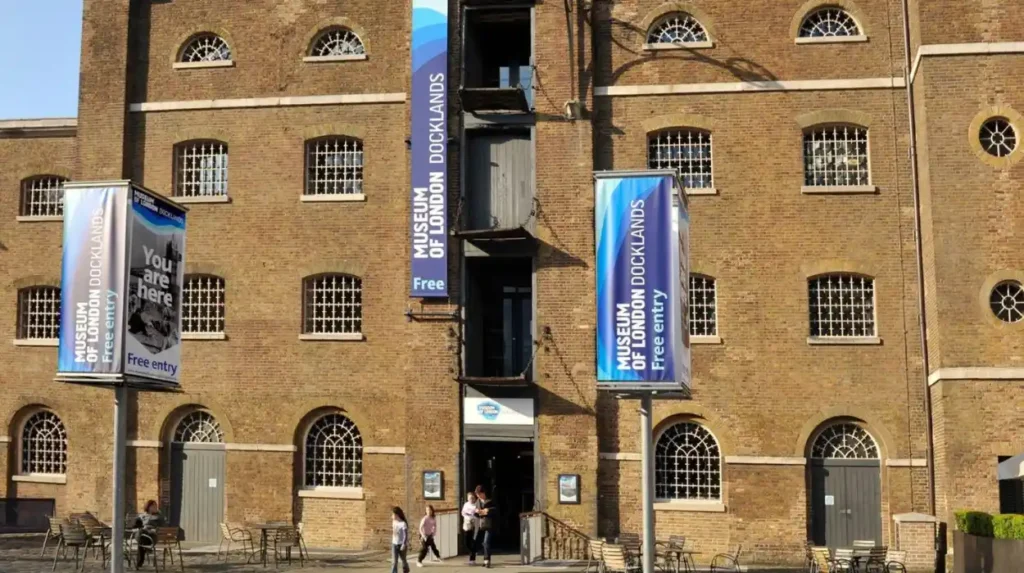
The Museum of London Docklands is located in a historic warehouse complex at West India Quay. Its collections explain London’s relationship with the River Thames and the development of the Docklands.
The museum provides useful context before or after visiting Canary Wharf because the surrounding financial district occupies an area once dominated by docks and warehouses.
The West India Docks opened in the early 19th century and became an important part of London’s international trading infrastructure. Their development reflected the increasing importance of maritime commerce to London’s economy.
The museum also covers the experiences of communities connected with London’s port. This makes it particularly useful for visitors interested in social history rather than architecture alone.
The Tower of London provides a contrasting historical perspective. Its collections and surviving buildings focus strongly on monarchy, defence, imprisonment, royal life and state institutions.
Together, these museums create a chronological and thematic understanding of Tower Hamlets. The Tower explains medieval and royal power. The Docklands explains commercial and maritime power.
What can visitors discover around Brick Lane and Spitalfields?
Brick Lane and Spitalfields provide one of Tower Hamlets’ strongest combinations of food, markets, street culture, independent retail, architecture and migration history. The area is especially important for understanding the borough’s Bangladeshi heritage and East End commercial traditions.
Brick Lane runs through the historic East End and remains one of the borough’s best-known visitor destinations.
Tower Hamlets Council identifies Brick Lane Market as a major Sunday market offering fashion, food, art, jewellery, household goods and other products. The council states that the market was established in 1888.
Brick Lane also has a strong connection with London’s Bangladeshi community. Restaurants, cafés, sweet shops and food businesses contribute to the area’s distinctive culinary identity.
The street also reflects earlier migration. Tower Hamlets Council records its historical connections with French Huguenot and Jewish communities.
Spitalfields adds architectural and commercial interest. Old market buildings, converted warehouses, independent shops and historic streets create a clear connection between past and present.
Visitors interested in food should explore Bangladeshi cuisine alongside other international options. Brick Lane also contains bakeries, cafés and street-food businesses.
The area works well for walking because several attractions are close together. A first-time visitor can combine Spitalfields Market, Brick Lane, nearby historic streets and the surrounding Shoreditch area in one outing.
Where can visitors experience East London markets?
Tower Hamlets has a strong market tradition, with Brick Lane, Columbia Road and other local markets offering food, flowers, clothing, art, antiques and everyday goods. Markets provide direct access to the borough’s independent retail culture and diverse community life.
Tower Hamlets Council describes the borough as having an unusually wide range of vibrant and contrasting street markets.
Columbia Road Flower Market is one of the most recognisable. The Sunday market specialises in flowers and plants and operates alongside independent shops, cafés, galleries and antique businesses.
The council lists Sunday opening hours of 8am to 2pm for Columbia Road Flower Market.
Brick Lane Market provides a different experience. Its Sunday market combines fashion, food, art and vintage goods.
Markets are important for first-time visitors because they reveal everyday commercial activity rather than only formal tourist attractions. They also connect directly with the borough’s independent businesses.
Market visits require practical planning. Sunday is particularly significant for Brick Lane and Columbia Road. Visitors should check current arrangements before travelling because trading hours and event schedules change.
Which parks and green spaces should visitors explore?
Victoria Park is the leading green-space destination in Tower Hamlets, while Mile End Park, Tower Hamlets Cemetery Park and Mudchute Park and Farm provide additional outdoor experiences. Together, these spaces offer walking, wildlife, recreation, gardens, canals and open landscapes.
Victoria Park opened in 1845 and is described by Tower Hamlets Council as London’s oldest public park. At 86 hectares, it is also the largest park in the borough.
The park contains historic lakes, gardens, sports facilities, memorials and distinctive architectural features. Two original stone alcoves from London Bridge are among its historic features.
The park also connects with a wider green corridor involving the Regent’s Canal, Mile End Park and the Queen Elizabeth Olympic Park area.
Mile End Park provides a more linear landscape. The 32-hectare park follows the Regent’s Canal between Victoria Park and Limehouse Basin.
Its landscape was created partly on land affected by Second World War bombing. Development accelerated during the late 20th century, producing a network of green routes, ecological areas and recreational spaces.
Mile End Park includes the Ecology Park, Arts Park and Children’s Park. More than 400 species of beetle have been recorded there, including the rare Streaked Bombardier.
Tower Hamlets Cemetery Park and Mudchute Park and Farm provide further nature-focused destinations. The council identifies both as local nature reserves.
These green spaces are useful for visitors who want to balance museums and urban sightseeing with outdoor activity.
What is there to discover around Canary Wharf and the Docklands?
Canary Wharf offers a modern contrast to historic Tower Hamlets through skyscrapers, financial institutions, public art, waterside spaces, restaurants, shops and transport connections. Its architecture demonstrates the large-scale regeneration of the former Docklands.
Canary Wharf developed from the former West India Docks into one of London’s major business districts. Its skyline now contains some of the tallest commercial buildings in the capital.
The district is particularly useful for domestic business travellers and digital nomads because it combines offices, cafés, restaurants, retail spaces and extensive public transport.
The area also retains its relationship with water. Dock basins, quays and waterside routes remain visible between modern buildings.
For leisure travellers, Canary Wharf works well as an evening destination. Restaurants and public spaces provide a change from the historic atmosphere of the Tower and East End.
The Museum of London Docklands is especially valuable here because it explains the transition from working docks to a modern commercial district.
This contrast is one of Tower Hamlets’ strongest visitor characteristics. The same borough contains medieval fortifications, Victorian infrastructure and 21st-century commercial architecture.
Which neighbourhoods should first-time visitors explore?
First-time visitors should focus on Wapping, Whitechapel, Spitalfields, Brick Lane, Bethnal Green, Limehouse, Bow, Mile End and Canary Wharf. Each neighbourhood presents a different combination of history, food, architecture, markets, green space, waterways and contemporary urban life.
Wapping is strongest for riverside heritage. Historic warehouses and the Thames create a maritime atmosphere.
Whitechapel provides access to major transport connections, historic streets, markets, cultural institutions and the East End’s multicultural history.
Spitalfields and Brick Lane are particularly strong for food, shopping, street culture and migration history.
Bethnal Green provides access to Victoria Park, Columbia Road and cultural destinations.
Limehouse connects canals and the Thames. Limehouse Basin provides a useful point for exploring waterways and riverside routes.
Bow and Mile End provide access to Victoria Park, Mile End Park and the Regent’s Canal.
Canary Wharf represents the modern Docklands and provides a strong architectural contrast.
For a first-time visitor, these neighbourhoods should not be treated as separate destinations with no relationship. They form a connected urban landscape shaped by the Thames, canals, transport infrastructure, commerce and successive waves of development.
How can visitors explore Tower Hamlets on foot?
Walking is one of the most effective ways to experience Tower Hamlets because historic streets, markets, canals, parks, docks and riverside landmarks sit within connected districts. Visitors can combine major attractions with local streets instead of relying entirely on vehicles.
A practical walking route starts around the Tower of London and moves east towards St Katharine Docks and Wapping.
Another route begins around Spitalfields and Brick Lane before continuing towards Bethnal Green and Columbia Road.
A third route focuses on green space. Visitors can start at Mile End Underground Station, walk through Mile End Park and continue towards Victoria Park. Tower Hamlets Council provides step-free route information from Mile End Underground Station into Mile End Park.
Canal routes provide another walking option. The Regent’s Canal connects parts of the borough’s green-space network and creates a quieter alternative to major roads.
Walking also allows visitors to notice smaller architectural details. Former warehouses, churches, terraces, market buildings, bridges and industrial structures reveal the borough’s development more clearly than a rapid sightseeing tour.
Visitors should use official maps and current transport information when planning longer routes.
Where can visitors find food and cultural experiences?
Tower Hamlets offers a broad food culture shaped by Bangladeshi, Jewish, European, South Asian and other communities. Brick Lane, Spitalfields, Whitechapel and Canary Wharf provide particularly strong concentrations of restaurants, cafés, bakeries, markets and international food businesses.
Brick Lane is the clearest destination for visitors seeking Bangladeshi food and East End dining culture.
The area’s restaurants and food businesses reflect the long-standing presence of the Bangladeshi community in Tower Hamlets. Food therefore forms part of the borough’s social and migration history.
Whitechapel extends the range of South Asian and international food options. Spitalfields provides restaurants, cafés and independent food businesses alongside its historic retail environment.
Canary Wharf offers a different dining environment. Restaurants and cafés operate within a modern business district surrounded by offices and high-rise buildings.
Visitors should distinguish between market food and restaurant dining. Markets provide quick meals and informal eating. Restaurants provide a more structured dining experience.
Food exploration also works well as part of a walking itinerary because Brick Lane, Spitalfields and Whitechapel contain multiple destinations within short distances.
How accessible is Tower Hamlets for first-time tourists?
Tower Hamlets has extensive public transport coverage through Underground, Overground, Docklands Light Railway, Elizabeth line, buses, river services and walking routes. Key stations include Tower Hill, Aldgate East, Whitechapel, Bethnal Green, Mile End, Canary Wharf and Shadwell.
Transport access is one of the borough’s strongest practical advantages.
Mile End Underground Station is served by the Central, District and Hammersmith & City lines. Tower Hamlets Council identifies Mile End as the nearest Underground station for Victoria Park.
Mile End Park also has direct access from Mile End station, making it useful for visitors who prefer public transport combined with walking.
Whitechapel is another important interchange, providing access to several transport services and connections towards central London and East London.
Canary Wharf has extensive rail connections and provides direct access to the wider Docklands and central London.
Visitors should check Transport for London journey information before travelling because engineering works, closures and service changes affect routes.
Accessibility planning also matters for visitors with reduced mobility. Mile End Park provides published step-free route maps, while individual attractions have their own accessibility arrangements.
How should first-time visitors plan a day in Tower Hamlets?
A first-time day in Tower Hamlets works best when visitors group nearby attractions rather than crossing the entire borough repeatedly. A strong itinerary combines the Tower of London, riverside heritage, Brick Lane or Spitalfields, and one park or Docklands destination.
A heritage-focused morning can begin at the Tower of London. Visitors can then walk towards Tower Bridge and St Katharine Docks.
An East End afternoon can centre on Spitalfields and Brick Lane. This combination works particularly well when markets are operating.
A green-space itinerary can focus on Mile End Park and Victoria Park. These destinations provide longer walking opportunities and outdoor recreation.
A modern itinerary can centre on Canary Wharf and the Museum of London Docklands.
Visitors with limited time should prioritise one geographical cluster. This reduces unnecessary travel and provides more time at each attraction.
Those staying for several days can divide Tower Hamlets into separate experiences: royal heritage, East End culture, markets, green spaces and Docklands.
What makes Tower Hamlets different from other parts of London?
Tower Hamlets stands out because it contains an unusually strong combination of royal heritage, maritime history, migration history, markets, parks and modern finance. The borough connects the medieval Tower of London with Brick Lane, Docklands regeneration and Canary Wharf.
The borough’s identity comes from layers rather than one single attraction.
The Tower of London represents Norman conquest and royal authority. The docks represent international trade and industrial development. Brick Lane represents migration, food and independent commerce. Victoria Park represents public recreation and urban green space. Canary Wharf represents financial services and regeneration.
Tower Hamlets Council describes the borough as a place where old and new coexist, with the Thames, the Tower of London, Docklands and Canary Wharf forming major parts of its geographical and cultural identity.
This diversity gives first-time visitors several reasons to return. A visitor interested in history can focus on heritage sites. A food-focused visitor can explore markets and restaurants. A leisure traveller can prioritise parks and riverside walks. A business traveller can use Canary Wharf as a base for exploring East London during downtime.
The borough also demonstrates how London’s urban landscape changes over time. Medieval fortifications, Victorian docks, post-war redevelopment and modern skyscrapers exist within the same geographical area.
Explore More Area Guide
Best Walking Experiences in Tower Hamlets, East London 2026
Tower Hamlets Attractions Every Tourist Should See 2026
What should first-time visitors prioritise in Tower Hamlets?
First-time visitors should prioritise the Tower of London, Tower Bridge, Brick Lane, Spitalfields, the Museum of London Docklands, Victoria Park, Mile End Park, Wapping and Canary Wharf. These destinations collectively represent Tower Hamlets’ strongest heritage, cultural and leisure experiences.
The Tower of London provides the essential historical foundation. UNESCO recognises its international cultural importance and its exceptional surviving medieval architecture.
Brick Lane and Spitalfields provide the strongest introduction to East End food, markets and community history.
The Museum of London Docklands explains the commercial forces that shaped the borough.
Victoria Park provides the largest major green-space experience. Its 86 hectares and more than nine million annual visits demonstrate its importance to both residents and visitors.
Mile End Park provides another major outdoor route and connects green space with the Regent’s Canal.
Canary Wharf provides the modern architectural dimension.
Together, these destinations create a comprehensive first introduction to Tower Hamlets. They show why the borough is one of the most varied parts of East London for tourism, leisure and urban exploration.
Why will Tower Hamlets remain relevant for visitors?
Tower Hamlets will remain an important visitor destination because its historic landmarks, established markets, parks, museums, waterways and regenerated Docklands provide durable attractions. Its continuing investment and changing urban landscape also keep the borough connected to London’s future.
The Tower of London has protected international heritage status, while its historic fabric continues to support education and tourism. UNESCO’s management framework recognises the importance of protecting both the monument and its wider setting.
Tower Hamlets’ parks also provide long-term public value. Victoria Park remains a major recreational destination, while Mile End Park continues to support ecology, arts, sport and walking.
Markets retain their importance as community and visitor destinations. Brick Lane and Columbia Road demonstrate how traditional street commerce remains part of the borough’s tourism identity.
The Docklands demonstrates another form of long-term change. Former industrial infrastructure now sits alongside major financial, residential, retail and leisure development.
For first-time visitors, this makes Tower Hamlets more than a collection of individual attractions. It is a compact demonstration of London’s historical development, cultural diversity, economic transformation and urban regeneration.
A well-planned visit therefore combines major landmarks with local neighbourhoods. The result is a broader understanding of East London and the forces that created the Tower Hamlets seen today.
Is Tower Hamlets worth visiting for the first time?
Yes. Tower Hamlets offers a strong mix of historic landmarks, markets, museums, parks, food destinations, riverside walks and modern architecture. The Tower of London, Brick Lane, Spitalfields, Victoria Park, Museum of London Docklands and Canary Wharf are key highlights.