Tower Hamlets is one of East London’s most historically significant and culturally diverse boroughs. It stretches from the City fringe and Tower Hill through Whitechapel, Spitalfields, Bethnal Green, Mile End and Poplar to the modern Docklands around Canary Wharf. The borough combines historic markets, museums, riverside landmarks, parks, galleries, food districts and major transport connections.
- What makes Tower Hamlets a good destination for a short East London break?
- How can visitors understand Tower Hamlets’ history during a short break?
- Which Tower Hamlets landmarks should visitors include?
- Which Tower Hamlets markets are worth visiting?
- Where can visitors find parks and outdoor leisure in Tower Hamlets?
- What should visitors eat and where should they explore for local culture?
- How can visitors plan a one-day Tower Hamlets itinerary?
- How can visitors travel around Tower Hamlets during a short break?
- What makes Tower Hamlets culturally distinctive for visitors?
- How can digital nomads and business travellers use Tower Hamlets during downtime?
- Why does Tower Hamlets remain relevant for future East London visitors?
The area is closely associated with the East End of London. Its southern boundary follows the River Thames, while the borough contains internationally recognised destinations including the Tower of London, Tower Bridge, Canary Wharf and the Museum of London Docklands. Tower Hamlets Council describes the borough as a place where historic communities, modern development and cultural activity exist together.
For a short break, Tower Hamlets works particularly well because its attractions are distributed across connected neighbourhoods rather than concentrated around one single visitor district. A visitor can combine heritage in the morning, market food at lunchtime, museum visits in the afternoon and riverside or cultural activities in the evening.
What makes Tower Hamlets a good destination for a short East London break?
Tower Hamlets is a strong short-break destination because it combines major London landmarks, historic neighbourhoods, markets, museums, parks, food districts and Docklands attractions within a compact East London area served by extensive public transport.
Tower Hamlets offers a broad range of experiences without requiring visitors to travel across London for every activity. The borough includes historic areas such as Whitechapel, Spitalfields and Bethnal Green alongside the regenerated Docklands and Canary Wharf.
Its southern edge provides access to the River Thames, Tower Bridge and the Tower of London. Further east, the landscape changes towards Poplar, Limehouse and Canary Wharf, where former docklands have developed into a major financial and commercial district. Tower Hamlets Council identifies the Docklands and Canary Wharf skyline as a defining part of the borough’s modern identity.
The borough also has an extensive green-space network. Tower Hamlets Council records more than 120 parks and green spaces, ranging from pocket parks and garden squares to major destinations such as Victoria Park and Mile End Park.
This combination creates several practical short-break formats. A visitor interested in history can focus on the Tower of London, Spitalfields and the docks. A food-focused visitor can explore Brick Lane, Whitechapel and local markets. A leisure visitor can combine Victoria Park, Mile End Park and riverside walks.
Tower Hamlets also provides a useful base for visitors exploring wider East London because destinations such as Stratford, Hackney, the City of London and Greenwich are accessible from different parts of the borough.
How can visitors understand Tower Hamlets’ history during a short break?
Visitors can understand Tower Hamlets through its Roman associations, medieval settlements, East End communities, historic docks, Victorian expansion and post-war regeneration, with museums, churches, markets, streets and surviving buildings providing physical evidence of these changing periods.
Tower Hamlets has a long human history. The council records archaeological evidence including axes and implements from the Stone and Bronze Ages. The borough later became connected with Roman activity, medieval settlements and the development of London around the Tower of London.
The name Tower Hamlets reflects the area’s historical relationship with the Tower of London and the settlements surrounding it. The borough subsequently developed as part of the East End, with industry, housing, markets and transport infrastructure shaping its identity.
The River Thames became particularly important as London’s port expanded. The docks transformed large parts of the southern borough into centres of international trade. Today, surviving warehouses and dock structures provide a physical connection between the historic port and modern Docklands.
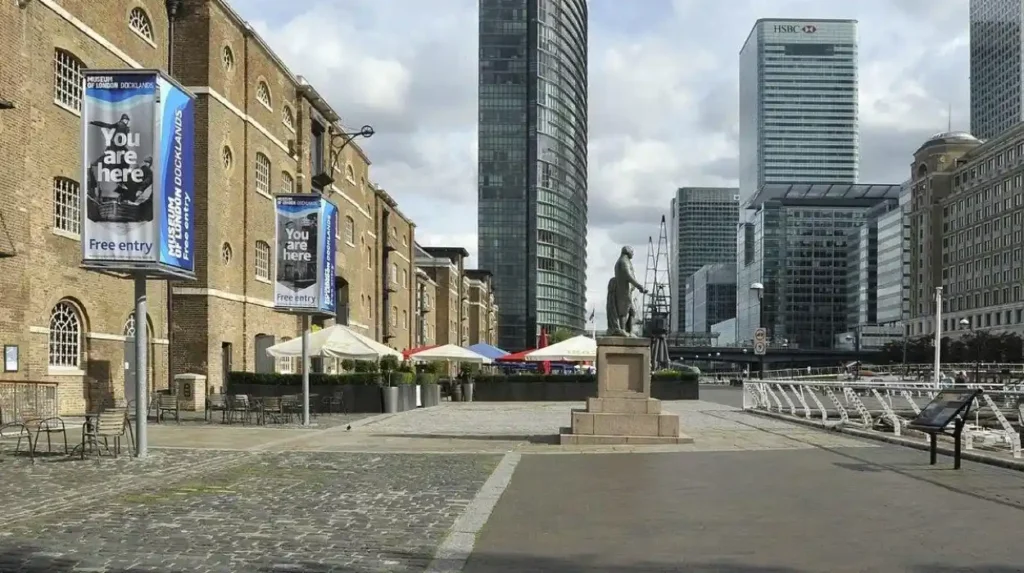
The Museum of London Docklands is particularly useful for understanding this transformation. It occupies part of a Grade I listed warehouse at West India Docks and documents the history of the River Thames and Docklands.
Victorian social history is also visible across the borough. Museums such as the Ragged School Museum document education and working-class life in East London. The Royal London Hospital Museum traces healthcare history in the East End, while other heritage sites document migration and community development.
As you explore the modern borough, you are crossing land shaped by centuries of settlement, trade and migration. Read about the full to understand its origins.
The most effective historical visit therefore combines formal museums with neighbourhood exploration. Streets, markets, churches, warehouses and public spaces frequently provide context that a single museum visit cannot provide.
Which Tower Hamlets landmarks should visitors include?
Key Tower Hamlets landmarks include the Tower of London, Tower Bridge, Museum of London Docklands, Whitechapel Gallery, Young V&A, Wilton’s Music Hall, Canary Wharf and historic streets around Spitalfields, Whitechapel and the wider East End.
The Tower of London is one of the borough’s defining historic landmarks. The fortress has played roles in royal history, imprisonment, state ceremony and national heritage. Its location near Tower Hill also makes it a practical starting point for exploring the western part of Tower Hamlets.
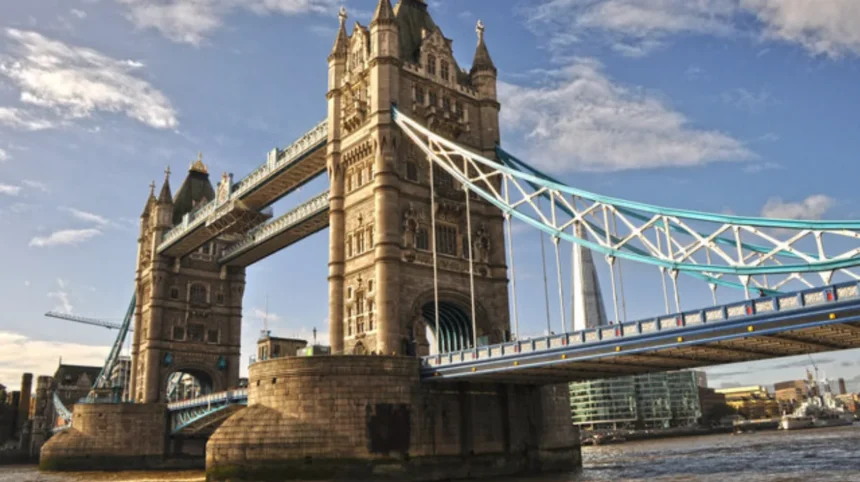
Tower Bridge stands immediately beside the Tower of London and provides one of London’s most recognisable riverside views. Its location makes it possible to combine both landmarks with a walk along the Thames.
The Museum of London Docklands provides a different perspective. Instead of focusing on royal or military history, it explains the development of the port, the River Thames and London’s relationship with global trade.
Whitechapel provides a major cultural connection. The Whitechapel Gallery is an important contemporary art institution and contributes to the area’s wider cultural identity. Tower Hamlets Council identifies a substantial gallery network across the borough, alongside venues such as Wilton’s Music Hall and Rich Mix.
Young V&A in Bethnal Green provides another cultural destination. Its location also makes it easy to combine museum time with nearby parks, cafés and neighbourhood streets.
Wilton’s Music Hall is significant because it represents London’s historic performance culture. Its surviving building provides a different visitor experience from the major museums and modern entertainment venues found elsewhere in East London.
Canary Wharf represents the borough’s contemporary side. High-rise commercial buildings, public art, waterfront spaces, shops and restaurants occupy former docklands. The contrast between Canary Wharf and nearby historic neighbourhoods demonstrates how rapidly the area has changed.
Visitors with limited time should group attractions geographically rather than attempting to cross the entire borough repeatedly. Tower Hill and the Thames suit one section of a break, while Whitechapel, Spitalfields and Bethnal Green form another practical cluster.
Which Tower Hamlets markets are worth visiting?
Tower Hamlets has a distinctive market culture, with Brick Lane, Columbia Road, Petticoat Lane, Whitechapel, Chrisp Street and Roman Road offering different combinations of food, flowers, clothing, household goods, crafts and local shopping.
Markets are central to the visitor experience in Tower Hamlets. The council currently identifies ten street markets, including Brick Lane, Bethnal Green Road, Chrisp Street, Columbia Road, Petticoat Lane, Roman Road, Roman Road Square, Sclater Street, Watney Market and Whitechapel Market.
Brick Lane is one of the most recognisable market streets. The council records its establishment as a market in 1888. The area is closely associated with the Bangladeshi community and combines food, fashion, art, vintage shopping and street-market activity.
Columbia Road is particularly associated with flowers and plants. Its Sunday market creates a distinct visitor experience from the food and fashion focus of Brick Lane.
Petticoat Lane provides another historic market environment. Its weekday activity includes street food, clothing and other goods around Wentworth Street and nearby streets.
Whitechapel Market runs along Whitechapel Road and provides fresh produce, spices, clothing, cultural goods and jewellery. The market operates from Monday to Saturday according to the council’s visitor information.
Roman Road Market provides another option further east. It operates on Tuesday, Thursday and Saturday and includes clothing, household products, toys, jewellery, food and other everyday goods.
Chrisp Street Market in Poplar combines market stalls with cafés and local food businesses. It is particularly useful for visitors exploring the Docklands and Poplar rather than remaining around Brick Lane and Spitalfields.
Market days and opening arrangements vary, so visitors should check official information before planning a specific itinerary. This is especially important for short breaks because many markets have distinct trading days.
Where can visitors find parks and outdoor leisure in Tower Hamlets?
Visitors can use Tower Hamlets’ parks for walking, relaxation, sport, gardens, wildlife and cultural events, with Victoria Park, Mile End Park, Tower Hamlets Cemetery Park and Island Gardens providing contrasting outdoor environments.
Tower Hamlets has more than 120 parks and green spaces. The council states that 14 parks hold Green Flag Awards and that the borough has nine London in Bloom gold awards.
Victoria Park is the largest park in Tower Hamlets, covering 86 hectares. It opened in 1845 and was created specifically to provide public recreation for communities in the East End.
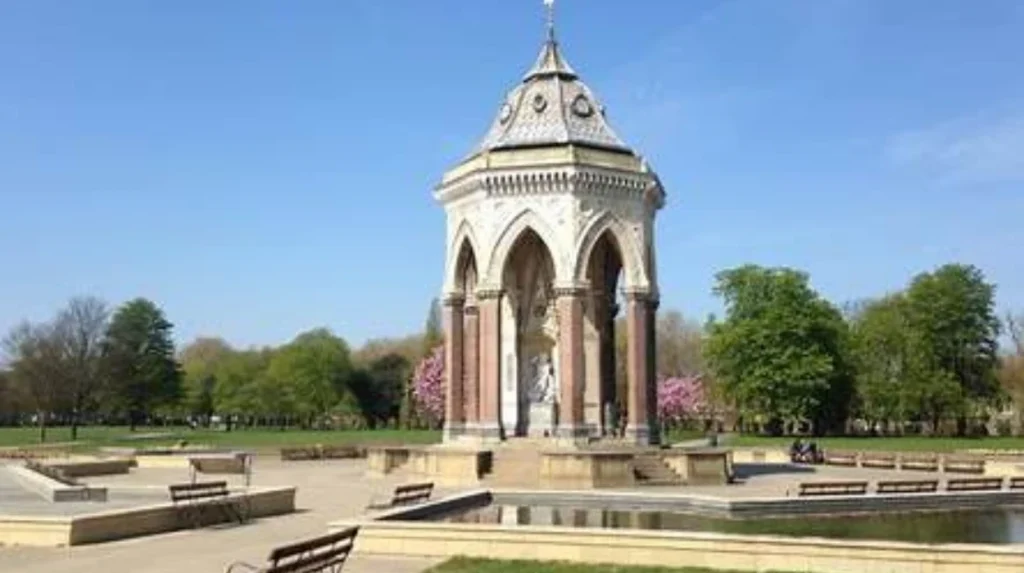
Its historical features include lakes, a bandstand, the Burdett Coutts Memorial and two original stone alcoves from London Bridge. The park also hosts festivals and cultural events.
Victoria Park is particularly useful during a longer short break because visitors can combine outdoor recreation with nearby neighbourhoods such as Bethnal Green and Bow.
Mile End Park provides a different landscape. The park includes the Ecology Park, Arts Pavilion and Mile End Stadium. Its facilities support walking, cycling, recreation, sport and cultural activities.
Tower Hamlets Cemetery Park provides another distinctive setting. The site originated as a commercial burial ground opened in 1841 and later became public open space. The council records its historic transformation and current role as a wooded park and local nature reserve.
Island Gardens offers a riverside perspective towards Greenwich. It is especially relevant for visitors interested in historic views, the Thames and Docklands landscapes.
Outdoor space also provides a practical break between museums and markets. A visitor spending several hours indoors can use one of the borough’s parks for walking or rest without leaving the main sightseeing area.
What should visitors eat and where should they explore for local culture?
Visitors can experience Tower Hamlets through Bangladeshi cuisine in Brick Lane and Whitechapel, market food, cafés, traditional East End businesses, international restaurants and modern dining around Spitalfields, Bethnal Green and Canary Wharf.
Food is an important part of Tower Hamlets’ cultural geography. Brick Lane and the surrounding Spitalfields area are strongly associated with Bangladeshi restaurants, cafés, bakeries and food businesses.
The area’s food culture reflects the migration history of the East End. Tower Hamlets Council records communities with Bangladeshi, Somali, Caribbean, Chinese, Vietnamese, Indian and Pakistani heritage, among others. The council also reports that more than 137 languages are spoken in the borough.
Whitechapel provides another major food district. Its market environment adds fresh produce, spices and prepared food to the surrounding restaurant economy.
Street markets also provide opportunities to eat while sightseeing. Petticoat Lane’s weekday market includes street-food sellers, while Brick Lane combines market activity with established food businesses and cafés.
Spitalfields provides a useful connection between food, shopping, architecture and cultural attractions. Visitors can move between historic streets, independent businesses, galleries and market spaces within the same broad area.
Canary Wharf provides a contrasting dining environment. Its modern commercial district contains restaurants, cafés and food venues integrated into the Docklands setting.
The best approach for a short break is to match food with the neighbourhood being explored. Brick Lane and Whitechapel work naturally with East End heritage visits. Canary Wharf works with a Docklands itinerary. Bethnal Green and Roman Road provide options further north and east.
How can visitors plan a one-day Tower Hamlets itinerary?
A practical one-day Tower Hamlets itinerary should group nearby attractions to reduce travel time, combining a historic landmark, museum or gallery, market or food stop, green space and riverside or Docklands destination within connected East London neighbourhoods.
A one-day itinerary works best when organised geographically.
Start in the western part of the borough around Tower Hill. The Tower of London and Tower Bridge provide an immediate introduction to the area’s historic relationship with the River Thames.
Continue towards Whitechapel and Spitalfields for markets, food and cultural attractions. Brick Lane provides a strong lunchtime destination, particularly when its Sunday market is operating. Petticoat Lane and Whitechapel Market provide alternatives on their respective trading days.
The afternoon can focus on a museum or gallery. The Museum of London Docklands works particularly well for visitors moving towards Canary Wharf and the Isle of Dogs. The museum provides historical context for the docks and London’s port.
Alternatively, visitors interested in art and East End culture can remain around Whitechapel, Spitalfields and Bethnal Green.
A green-space break can follow. Victoria Park provides the largest historic park setting, while Mile End Park provides another convenient option closer to central East London.
End the day around Canary Wharf or the Thames. Canary Wharf provides a modern skyline and waterfront environment, while the riverside offers a direct connection with the historical geography of the borough.
For a two-day break, the itinerary can be divided into western and eastern sections. Day one can concentrate on Tower Hill, Whitechapel, Spitalfields and Brick Lane. Day two can cover Bethnal Green, Victoria Park, Mile End, Poplar, the Isle of Dogs and Canary Wharf.
This approach reduces unnecessary backtracking and gives each neighbourhood enough time for meaningful exploration.
How can visitors travel around Tower Hamlets during a short break?
Visitors can travel around Tower Hamlets using Underground, London Overground, Docklands Light Railway, Elizabeth line, buses, walking and cycling, allowing short-break itineraries to connect major landmarks with markets, museums, parks and Docklands destinations.
Tower Hamlets has extensive public transport coverage because it sits between central London and the wider East London transport network.
Whitechapel is an important interchange for the District and Hammersmith & City Underground lines, London Overground and Elizabeth line services. This makes the area particularly practical for visitors arriving from different parts of London.
Aldgate and Aldgate East provide access to the western side of the borough. Mile End connects Central, District and Hammersmith & City Underground services, making it useful for journeys towards Victoria Park and surrounding neighbourhoods.
The Docklands are served by the Docklands Light Railway. Stations around Poplar, Canary Wharf and the Isle of Dogs connect different parts of the former docklands landscape.
Walking is also valuable for short-distance exploration. Several visitor areas are close enough to connect on foot, particularly Tower Hill and the riverside, Whitechapel and Spitalfields, and parts of Bethnal Green and Brick Lane.
Cycling provides another option for visitors who want to cover more ground. Parks and riverside routes create opportunities for outdoor travel, although visitors should follow current local and Transport for London guidance.
Transport planning matters because Tower Hamlets contains very different landscapes. A route that looks geographically short on a map can involve busy roads, railway infrastructure or large commercial developments.
Visitors should therefore plan around transport stations and attraction clusters rather than treating the entire borough as one walking district.
What makes Tower Hamlets culturally distinctive for visitors?
Tower Hamlets is culturally distinctive because its East End identity has developed through migration, trade, industry, religion, markets, education, arts and regeneration, producing neighbourhoods where historic communities and contemporary London coexist.
Tower Hamlets has long been shaped by migration. The docks brought workers, traders and immigrants into East London, while later communities established cultural, religious and commercial institutions across the borough.
The council states that residents have roots in more than 200 countries and that more than 137 languages are spoken locally. It also identifies the borough’s Bangladeshi heritage and other established communities as major parts of its identity.
This history is visible through food, markets, places of worship, community organisations, street names and architecture.
Whitechapel and Spitalfields demonstrate the layered character of the East End particularly clearly. French Huguenots, Jewish communities and later Bangladeshi communities all contributed to the area’s history. Brick Lane remains an important focal point for Bangladeshi culture and East End market life.
Arts and culture add another layer. The borough contains galleries, museums, historic performance venues and public art. Whitechapel Gallery and Wilton’s Music Hall represent different periods and forms of cultural activity.
The Docklands provide a separate but connected cultural story. Former industrial and maritime areas have been transformed into modern commercial districts while retaining historic warehouses, docks and waterways.
For visitors, this means Tower Hamlets is not defined by one landmark. Its character emerges from the relationship between historic buildings, markets, communities, parks, cultural venues and new development.
Explore More Area Guide
Tower Hamlets for Visitors: Culture, Heritage and Leisure
Touring Tower Hamlets: East London Attractions Guide
How can digital nomads and business travellers use Tower Hamlets during downtime?
Digital nomads and business travellers can use Tower Hamlets for flexible downtime through cafés, libraries, Idea Stores, public parks, cultural venues, markets and transport-connected commercial districts around Whitechapel, Spitalfields and Canary Wharf.
Tower Hamlets is particularly practical for visitors combining work with leisure because the borough contains both established neighbourhood centres and major business districts.
Canary Wharf is one of London’s principal financial and commercial areas. Its offices, restaurants, cafés, retail spaces and waterfront environment provide facilities for business visitors staying nearby.
Whitechapel provides a different working environment. Idea Stores combine library services with community facilities, public computers and free Wi-Fi. The council describes them as places for studying, meeting, accessing digital facilities and using library services.
Cafés across Brick Lane, Spitalfields, Bethnal Green and Whitechapel provide additional informal places to work or take breaks. Availability of seating, Wi-Fi and power varies by venue, so visitors should check individual businesses.
Parks provide a useful change of environment after meetings. Victoria Park and Mile End Park offer substantial open spaces, while smaller gardens and squares provide shorter outdoor breaks.
Transport connections also reduce downtime lost to commuting. A visitor staying elsewhere in London can reach Tower Hamlets through multiple Underground, Overground, DLR, Elizabeth line and bus routes.
The borough therefore works well for business travellers who want to add cultural or leisure activities without travelling to a distant part of London after work.
Why does Tower Hamlets remain relevant for future East London visitors?
Tower Hamlets remains relevant because its historic East End identity continues alongside Docklands regeneration, cultural investment, transport improvements, expanding public spaces and internationally recognised visitor destinations across one of London’s most connected inner boroughs.
Tower Hamlets continues to experience significant urban change. Canary Wharf remains an internationally recognised business district, while former industrial and dockland areas continue to evolve.
At the same time, historic neighbourhoods retain their markets, cultural institutions, parks and community identities. This creates a layered visitor environment rather than a single-purpose tourism district.
Transport infrastructure strengthens this connectivity. Whitechapel’s position as a major interchange links the borough with central London and East London, while the DLR supports movement through the Docklands.
Public space remains another important part of the borough’s future. Tower Hamlets has more than 120 parks and green spaces, and Victoria Park alone receives around nine million visits annually according to the council.
Cultural infrastructure also remains significant. The borough identifies 22 art galleries alongside museums, music venues and public cultural facilities.
For short-break visitors, this combination means Tower Hamlets supports different types of travel without losing its geographical identity. A visitor can explore medieval and Victorian history, experience contemporary culture, eat across international food districts, visit major markets, walk through historic parks and finish beside the modern Docklands skyline.
The most effective way to explore Tower Hamlets is therefore to treat the borough as a collection of connected East London neighbourhoods. Each area provides a different part of the wider story, while transport, walking routes and public spaces connect them into a practical short-break destination.
What is Tower Hamlets known for?
Tower Hamlets is known for its East End heritage, Brick Lane, Whitechapel, historic markets, the Tower of London, Tower Bridge, Victoria Park, the former London Docklands and Canary Wharf.