Tower Hamlets, in East London, offers visitors a varied shopping experience through historic markets, independent retailers, specialist food shops, vintage clothing stores and creative businesses. From Brick Lane and Spitalfields to the neighbourhood streets of Bethnal Green and Whitechapel, independent shopping connects visitors with local culture, traditional craftsmanship and the borough’s diverse communities.
- What makes Tower Hamlets a destination for independent shopping?
- Where can visitors find independent shops around Brick Lane?
- Why should shoppers visit Old Spitalfields Market?
- Where can visitors shop for flowers, antiques and creative products on Columbia Road?
- Which independent shopping areas are best for clothing and textiles?
- What makes Petticoat Lane useful for fashion shopping?
- What can shoppers find on Roman Road?
- How can shoppers compare vintage and new clothing?
- Where can visitors discover independent food shops and specialist groceries?
- What can shoppers find in Whitechapel?
- Why visit Chrisp Street Market in Poplar?
- How can visitors shop responsibly at food markets?
- Where can shoppers find handmade gifts, art and unusual products?
- How can visitors plan an independent shopping itinerary in Tower Hamlets?
- How can visitors support independent businesses while shopping?
- How should visitors choose between market stalls and permanent shops?
- What should shoppers check before making a purchase?
- What should visitors know before shopping in Tower Hamlets?
- Why are independent shops important to Tower Hamlets’ identity?
What makes Tower Hamlets a destination for independent shopping?
Tower Hamlets is an East London borough known for its street markets, independent boutiques, specialist retailers and creative traders. Its shopping areas include Brick Lane, Spitalfields, Columbia Road and Roman Road, offering vintage clothing, handmade gifts, flowers, textiles and locally sourced products.
Independent shopping means buying from small businesses, individual makers, specialist retailers and market traders rather than relying exclusively on national retail chains. In Tower Hamlets, these businesses operate in traditional high streets, covered market buildings, converted industrial spaces and temporary market stalls.
The borough’s official market network includes 10 recognised street markets, including Brick Lane, Chrisp Street, Columbia Road, Petticoat Lane, Roman Road, Watney Market and Whitechapel Market. Each serves a different combination of visitors and local shoppers.
This variety makes the borough suitable for different shopping interests. Fashion enthusiasts can browse vintage garments, shoppers looking for presents can explore handmade products, and food lovers can visit specialist grocery shops and market stalls.
Independent retail also provides insight into the area’s cultural identity. Long-established businesses operate alongside newer creative enterprises, reflecting Tower Hamlets’ history of migration, manufacturing, trade and artistic activity.
Visitors benefit from planning their shopping around specific neighbourhoods rather than treating the entire borough as one retail destination. Brick Lane and Spitalfields suit visitors interested in fashion, art and design, while Roman Road and Chrisp Street provide a stronger focus on everyday shopping and community markets.
Where can visitors find independent shops around Brick Lane?
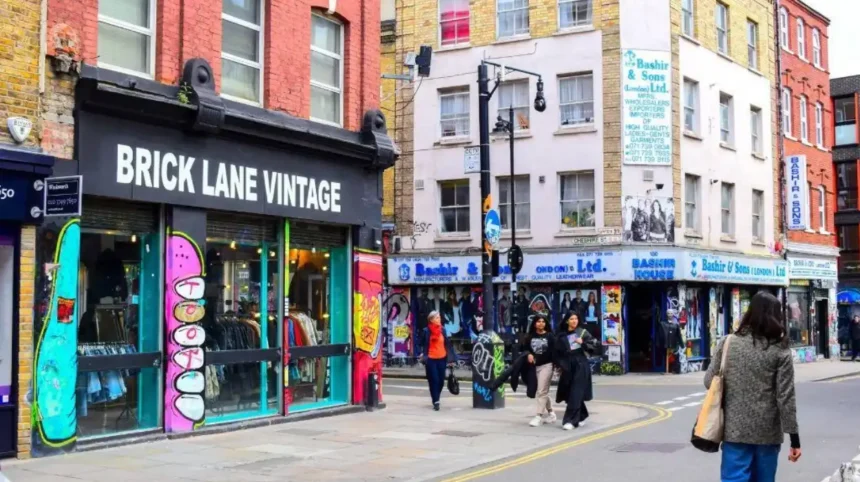
Brick Lane is one of Tower Hamlets’ principal destinations for independent shopping, particularly vintage clothing, jewellery, artwork, records and specialist food. Its market stalls and surrounding retail spaces provide access to independent traders, with Sunday offering a particularly concentrated street-market experience.
Brick Lane lies in the eastern part of Shoreditch, within the historic East End. Its shopping environment combines permanent businesses with street stalls and market spaces around the Old Truman Brewery.
What can you buy at Brick Lane Market?
Brick Lane Market is especially relevant to visitors searching for unusual or second-hand purchases. Typical finds include vintage jackets, denim, accessories, jewellery, collectibles, records and artwork. Individual traders determine their own stock, so the selection changes between visits.
The council lists Brick Lane Market’s regular Sunday trading hours as 10am to 3pm. The wider Brick Lane retail area has different schedules, and individual shops and indoor markets operate outside those hours.
Visitors should distinguish the council’s street market from the nearby Brick Lane Vintage Market and Truman Brewery venues. The latter include indoor retail spaces with their own opening times.
Where should visitors look for independent fashion?
The side streets and indoor market spaces around Brick Lane are useful starting points for vintage clothing and alternative fashion. Shoppers can compare second-hand garments, independent labels and accessories before choosing an item.
Check garment condition, sizing and return policies before purchasing vintage clothing. Some pieces are unique, and independent traders do not necessarily offer the same return arrangements as large retailers.
For visitors interested in the relationship between modern retail and East London’s past, the area’s history adds useful context. Explore the [Insert Anchor Text for Tower Hamlets Historical Background Article Here] to understand how successive communities and trading traditions shaped the streets visitors shop in today.
Brick Lane is accessible from Shoreditch High Street Overground and Aldgate East Underground stations. Liverpool Street is another option for visitors arriving by rail or the Elizabeth line.
Why should shoppers visit Old Spitalfields Market?
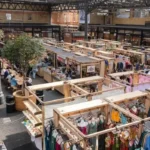
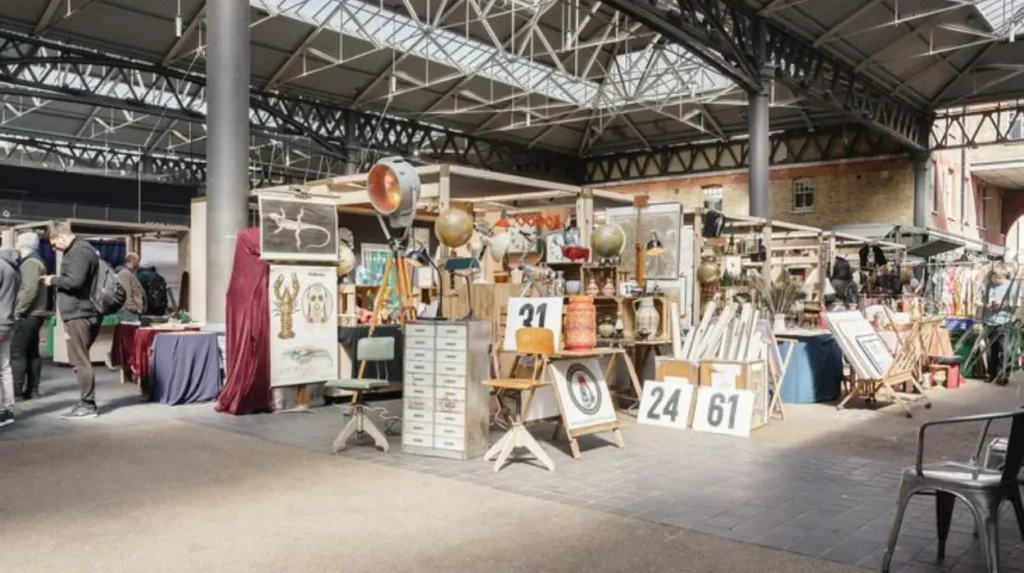
Old Spitalfields Market combines independent retail, fashion, design, crafts and food within a historic market setting. It is a practical destination for visitors seeking handmade gifts, jewellery, home accessories and specialist products, with a covered environment that supports shopping throughout the year.
Old Spitalfields Market stands near Liverpool Street and the City of London. Its covered market structure and surrounding shops create a concentrated shopping area where visitors can browse different independent businesses without travelling between distant neighbourhoods.
Which products are available at Spitalfields?
The market’s independent retail offer includes designer clothing, accessories, jewellery, artwork, craft items and homewares. Food vendors and nearby cafés provide opportunities to take a break between shops.
The precise mix depends on the traders scheduled for the day. Visitors looking for a specific product should consult the market’s official website before travelling, particularly when planning around a specialist stall or event.
Is Spitalfields suitable for buying gifts?
Spitalfields suits shoppers who want gifts with a clear design identity. Examples include illustrated prints, handmade accessories, decorative objects and jewellery from independent designers.
Ask sellers about materials, production methods and whether products are handmade or manufactured in larger quantities. These questions help distinguish locally created goods from general merchandise.
The covered setting also makes Spitalfields useful when rain affects outdoor shopping. Its central location supports a wider itinerary that includes nearby historic streets, galleries and restaurants.
Where can visitors shop for flowers, antiques and creative products on Columbia Road?
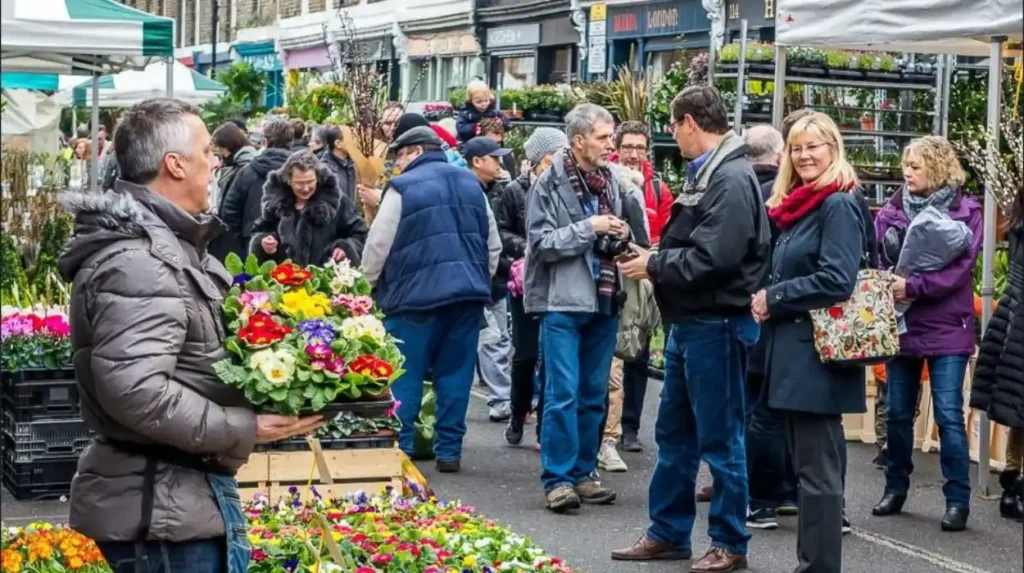
Columbia Road in Bethnal Green is best known for its Sunday flower market and independent shops selling homewares, antiques, art and design-led gifts. Visitors seeking plants, gardening supplies or decorative items should prioritise the area on Sunday morning and check individual shop hours.
Columbia Road offers a different shopping experience from Brick Lane. Flowers and plants are the central attraction, while permanent shops along the street extend the visit into interiors, antiques, art and specialist retail.
The council lists the flower market’s Sunday hours as 8am to 2pm. The market attracts visitors buying cut flowers, potted plants and gardening products. Independent shops and galleries along the street have separate opening hours.
What should visitors buy at Columbia Road Flower Market?
Flower shoppers can compare seasonal bouquets, individual stems, houseplants and outdoor plants. The selection varies according to the season, availability and individual sellers.
Before purchasing plants, consider transport arrangements and whether the product suits the intended growing conditions. Visitors travelling by public transport should also account for the space and care required to carry larger plants.
The surrounding independent shops sell products such as antique furniture, decorative accessories, artwork and home furnishings. These businesses make Columbia Road relevant to visitors who want more than flowers.
When is the best time to visit?
Sunday morning is the main period for experiencing the flower market. Arriving earlier provides more time to browse before the busiest part of the trading day, while later visits offer a chance to see sellers negotiating prices as trading winds down.
Columbia Road is within walking distance of Bethnal Green, Cambridge Heath, Hoxton and Shoreditch High Street stations, although walking times depend on the route and starting point.
Which independent shopping areas are best for clothing and textiles?
Tower Hamlets has several shopping areas suited to clothing and textiles, including Petticoat Lane for fashion and fabric-related retail, Brick Lane for vintage clothing, and Roman Road for everyday garments and accessories. Comparing these destinations helps shoppers find products that match their budgets and interests.
What makes Petticoat Lane useful for fashion shopping?
Petticoat Lane is associated with East London’s historic garment and textile trade. The market area around Middlesex Street and surrounding streets offers clothing, accessories and textile-related goods.
The market’s trading history stretches back to the eighteenth century. Its current retail identity reflects the wider development of London’s clothing trade and the changing communities that have worked and traded in the East End.
Visitors looking for clothing should compare fabric quality, stitching, sizing and prices between stalls. Ask about garment materials where labels are missing, especially when purchasing items intended for frequent use.
What can shoppers find on Roman Road?
Roman Road Market in Bow serves everyday shopping needs as well as visitors exploring East London’s traditional high streets. Its stalls include clothing, jewellery, toys, cosmetics and household goods, alongside fresh food and other practical purchases.
The council lists regular market days as Tuesday, Thursday and Saturday, with trading hours of 8am to 6pm. Individual stalls do not necessarily operate throughout every listed hour.
Roman Road is particularly suitable for travellers who want to explore a neighbourhood market rather than concentrate exclusively on tourist-oriented retail. Nearby shops add further opportunities to browse independently owned businesses.
How can shoppers compare vintage and new clothing?
Vintage shopping focuses on previously owned garments, older designs and pieces that are no longer widely available. New clothing from independent retailers offers a different choice, including contemporary designs and products from small labels.
Compare the total value of a purchase rather than the price alone. Check condition, fabric, fit and durability. For second-hand clothing, inspect fastenings, seams, linings and any signs of damage before paying.
Where can visitors discover independent food shops and specialist groceries?
Independent food retailers across Tower Hamlets include specialist grocers, market produce stalls, bakeries and small food businesses. Whitechapel, Chrisp Street, Brick Lane and Roman Road offer different ways to explore ingredients, regional food traditions and everyday products associated with the borough’s diverse communities.
Independent food shopping is an important part of the borough’s retail landscape. Visitors can find fresh fruit and vegetables, baked goods, spices, specialist ingredients and prepared foods, depending on the business and market.
What can shoppers find in Whitechapel?
Whitechapel Market is a long-established street market serving local residents and visitors. Its trading environment includes food stalls, clothing, household goods and products reflecting the area’s varied communities.
The market is useful for visitors interested in everyday shopping rather than exclusively souvenir-focused retail. Shoppers can explore ingredients used in South Asian cooking alongside other groceries and market goods.
When buying fresh food, check product condition, storage and any displayed price or weight information. Visitors with food allergies should confirm ingredients directly with the seller before purchasing prepared items.
Why visit Chrisp Street Market in Poplar?
Chrisp Street Market offers a neighbourhood shopping experience in a pedestrianised setting. The council identifies fruit and vegetable stalls, clothing, household essentials and cafés among its retail attractions.
The market operates from Monday to Saturday, with published hours of 8am to 6pm. All Saints and Langdon Park DLR stations provide access to the area.
Chrisp Street is a useful choice for visitors interested in how markets serve daily community needs. Its offer differs from the vintage fashion and creative products associated with Brick Lane.
How can visitors shop responsibly at food markets?
Choose products according to freshness, intended use and transport requirements. Carry reusable shopping bags, keep chilled items appropriately stored and ask about packaging when purchasing fragile or perishable goods.
Market opening schedules, seasonal produce and individual stall availability change. Confirm details before making a special journey for a particular ingredient or product.
Where can shoppers find handmade gifts, art and unusual products?
Tower Hamlets has independent retailers selling handmade jewellery, original artwork, vinyl records, musical instruments, design objects and unusual gifts. Spitalfields, Brick Lane and Redchurch Street are useful areas to explore for creative products, specialist collections and goods from individual designers.
The council’s Quirky Shopping Guide identifies more than 150 independent, unusual and specialist shops across East London. Its examples include vintage fashion, jewellery, locally designed products, vinyl records, ukuleles, mandolins and perfume-blending services.
Which shops suit visitors looking for handmade products?
Market stalls and independent design retailers are suitable for shoppers seeking distinctive presents. Products include illustrated prints, ceramics, handmade accessories and decorative objects, depending on the traders present.
Brick Lane’s creative market spaces bring together independent brands and makers. The Truman Brewery’s retail venues also feature craft and design sellers, although their schedules vary by venue and event.
Before buying artwork or handmade goods, ask the seller about the materials, dimensions and production process. Confirm whether an item is an original, a limited print or a mass-produced product.
Why explore Redchurch Street?
Redchurch Street, in the wider Shoreditch area, is another option for independent retail. Tower Hamlets Council identifies it as a specialist neighbourhood centre and lists a dedicated local business network for the area.
Visitors can include Redchurch Street in a wider walk connecting independent shops, design-led retail and the surrounding creative district. Check individual business websites for current opening hours and stock.
How can visitors plan an independent shopping itinerary in Tower Hamlets?
Visitors can plan an effective Tower Hamlets shopping itinerary by grouping nearby markets, checking trading days and choosing destinations according to their interests. A Sunday route can combine Columbia Road, Brick Lane and Spitalfields, while weekday visits suit Roman Road and Chrisp Street.
The borough’s shopping destinations are spread across several neighbourhoods. Planning around geography reduces unnecessary travel and gives visitors more time to browse individual retailers.
What is a practical Sunday shopping route?
Columbia Road Flower Market
Start with flowers, plants, antiques and independent homeware shops. The published flower-market hours are 8am to 2pm on Sundays.
Brick Lane
Browse vintage clothing, jewellery, artwork and collectibles. Allow extra time for independent retail spaces and food stalls.
Old Spitalfields Market
Finish with independent design products, gifts, fashion and food. Confirm the market’s current closing time before setting off.
This route combines three distinct retail environments without requiring visitors to travel across the entire borough. Check a current map before setting off, and allow time for walking between locations.
Which markets are suitable for weekday shopping?
Roman Road Market trades on Tuesday, Thursday and Saturday, according to the council’s published schedule. Chrisp Street Market operates Monday to Saturday, while Columbia Road’s principal flower market is a Sunday attraction.
Visitors with limited time should check opening information for individual shops rather than assuming every business follows the market’s general timetable. Public holidays, seasonal events and changes to trader schedules affect availability.
How can visitors support independent businesses while shopping?
Visitors support independent businesses by purchasing directly from small retailers, buying products from local makers and choosing neighbourhood markets for everyday goods. Asking about product origins, paying the displayed price and following each shop’s payment and return policies help create a positive retail experience.
Independent retailers contribute to local employment, provide specialist goods and help maintain the character of high streets. Tower Hamlets Council identifies high streets as important sources of essential products, local jobs and community activity.
How should visitors choose between market stalls and permanent shops?
Market stalls offer an opportunity to compare different traders in one location. Permanent independent shops provide a more fixed retail destination and often focus on a particular product category.
For example, visitors looking for vintage clothing can compare stalls around Brick Lane, while shoppers seeking specialist gifts can investigate independent design retailers in Spitalfields.
Both formats support a varied shopping experience. The right choice depends on the product, available time, price and whether the visitor wants to browse or purchase something specific.
What should shoppers check before making a purchase?
Check the total price, product condition and any restrictions on returns or exchanges. For jewellery, textiles and handmade goods, ask about materials and care requirements. For antiques and second-hand products, inspect the item carefully before paying.
Keep receipts for higher-value purchases and check whether the retailer accepts card or cash payments. Visitors buying large items should also plan how to transport them safely.
Explore More Area Guide
Tower Hamlets Food Markets Every Visitor Should Know
Authentic Food Experiences Across Tower Hamlets, East London
What should visitors know before shopping in Tower Hamlets?
Visitors should check market opening days, transport connections, payment options and individual retailer schedules before travelling. Comfortable walking shoes and reusable shopping bags are useful for market visits, while early arrival helps shoppers explore popular outdoor markets before the busiest periods.
Tower Hamlets offers a combination of outdoor markets, covered retail spaces and permanent independent shops. These settings have different operating patterns, so a little preparation makes it easier to visit the right places.
How can visitors reach the shopping areas?
Public transport connects the main shopping neighbourhoods with the wider London network. Liverpool Street provides access to Spitalfields and Brick Lane, while Shoreditch High Street Overground serves the eastern side of the Brick Lane area.
Bethnal Green and Cambridge Heath are useful for Columbia Road. Bow Church and Bow Road provide access to Roman Road, while the DLR stations All Saints and Langdon Park serve Chrisp Street. Exact walking distances depend on the chosen entrance and route.
Visitors should check Transport for London’s current journey information before travelling, especially when engineering work affects Underground, Overground or DLR services.
How can visitors avoid missing independent retailers?
Check the official market website and the individual shop’s latest opening information. Some markets operate on specific days, while permanent shops keep their own schedules.
Sunday is particularly useful for visitors interested in Columbia Road and Brick Lane’s street markets. For everyday shopping and neighbourhood retail, weekdays offer alternatives such as Whitechapel and Chrisp Street.
Shoppers looking for a particular designer, product or stall should confirm its availability in advance. Market traders change their stock, and a product featured in older photographs is not guaranteed to remain available.
Why are independent shops important to Tower Hamlets’ identity?
Independent shops help define Tower Hamlets through its historic markets, specialist businesses, creative traders and neighbourhood high streets. They connect contemporary shopping with the borough’s trading heritage and diverse communities, giving visitors opportunities to discover products and places beyond conventional shopping centres.
The borough’s retail landscape reflects several layers of East London’s development. Historic textile trading remains visible around Petticoat Lane, while Brick Lane is associated with vintage retail, art and food. Columbia Road has developed a distinctive identity around flowers and independent homeware shops.
These retail areas also serve local residents. Chrisp Street and Roman Road combine everyday shopping with market trading, while Spitalfields attracts visitors interested in fashion, design and specialist products. The council’s high-street programme recognises the role of these centres in supporting employment and community life.
For visitors, independent shopping offers a way to explore Tower Hamlets through its businesses rather than through a single commercial destination. Comparing markets, speaking with traders and visiting specialist shops provides a broader understanding of the borough’s economic and cultural character.
The most suitable places depend on the purpose of the visit: Brick Lane for vintage fashion and collectibles, Spitalfields for independent design, Columbia Road for flowers and homewares, Petticoat Lane for clothing and textiles, and Roman Road or Chrisp Street for neighbourhood shopping.
What are the best independent places to shop in Tower Hamlets?
Brick Lane, Old Spitalfields Market, Columbia Road, Petticoat Lane, Roman Road Market and Chrisp Street Market are popular places to explore independent retailers, vintage fashion, handmade gifts, flowers and local products.