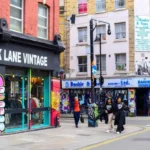
Shopping in Tower Hamlets offers visitors an alternative to central London’s major retail districts. Located in East London, the borough combines traditional street markets, independent shops, specialist food retailers, shopping centres and historic commercial streets. Areas such as Brick Lane, Spitalfields, Whitechapel, Bethnal Green and Canary Wharf provide different shopping experiences without requiring a journey to Oxford Street, Regent Street or Covent Garden.
- What Makes Tower Hamlets a Good Shopping Destination Outside Central London?
- Which Markets Should Visitors Explore in Tower Hamlets?
- Where Can Visitors Find Independent Shops and Unique Gifts in Tower Hamlets?
- Which Tower Hamlets Shopping Streets Offer the Best Local Experience?
- Which Neighbourhood Markets Are Best for Affordable Shopping?
- Roman Road Market
- Bethnal Green Road Market
- Watney Market
- How should visitors compare affordable markets?
- Where Can Shoppers Buy Specialist Food and International Products?
- Is Canary Wharf a Good Alternative to Central London Shopping?
- How Can Visitors Reach Tower Hamlets Shopping Areas Without a Car?
- Which stations are most useful?
- How can visitors plan a shopping route?
- Is walking between shopping destinations practical?
- When Is the Best Time to Shop in Tower Hamlets?
- How Can Tourists Shop Responsibly in Tower Hamlets?
- How Can Visitors Plan a Full Day of Shopping in Tower Hamlets?
- Morning: Explore Spitalfields
- Late morning: Walk towards Brick Lane
- Afternoon option one: Visit Whitechapel
- Afternoon option two: Visit Canary Wharf
- What should visitors prepare before leaving?
- Why Is Tower Hamlets Worth Exploring for Local Shopping?
For tourists, Tower Hamlets offers access to local crafts, vintage clothing, international food, everyday essentials and contemporary retail brands. Residents benefit from convenient neighbourhood shopping, while business travellers and digital nomads can combine shopping with cafés, riverside walks and cultural attractions.
The borough’s shopping identity reflects its history as a centre of trade, migration, manufacturing and commerce. Its modern retail destinations serve communities with diverse cultural backgrounds, alongside workers and visitors travelling through the City fringe and Canary Wharf.
What Makes Tower Hamlets a Good Shopping Destination Outside Central London?
Tower Hamlets is an East London borough offering traditional markets, independent retailers, specialist food shops and modern shopping centres. Its retail destinations serve tourists, residents and business travellers seeking local products, everyday essentials and distinctive shopping experiences beyond central London.
Tower Hamlets occupies a strategic position between the City of London, the River Thames and the wider East London area. Its retail landscape includes historic market streets, contemporary commercial developments and neighbourhood high streets.
Unlike a single-purpose shopping district, the borough contains several distinct retail areas. Brick Lane attracts visitors interested in vintage goods and independent traders. Spitalfields combines market stalls with restaurants and fashion retailers. Whitechapel serves local communities with everyday shopping and specialist food businesses. Canary Wharf provides a more corporate retail environment with established brands and convenient services.
This variety makes Tower Hamlets suitable for different budgets and shopping priorities. Visitors searching for unusual gifts follow a different route from shoppers buying groceries, clothing or business essentials.
The borough also benefits from extensive public transport connections. London Underground stations, the Elizabeth line, the Docklands Light Railway (DLR), London Overground and local bus services connect many shopping destinations with other parts of the capital.
Choosing Tower Hamlets instead of central London therefore depends on the products, atmosphere and neighbourhood experience a visitor wants. It is particularly suitable for travellers who prefer exploring several local retail districts rather than concentrating their day around major department stores.
Which Markets Should Visitors Explore in Tower Hamlets?
Tower Hamlets contains several established markets, including Old Spitalfields Market, Brick Lane Market and Whitechapel Market. Each serves a different purpose, from independent crafts and vintage merchandise to affordable clothing, household goods, fresh produce and specialist international food.
Markets are central to the borough’s shopping identity. They bring together independent traders, established businesses, food vendors and visitors interested in locally distinctive products.
Old Spitalfields Market
Old Spitalfields Market is a covered market near Liverpool Street and the City of London. Its stalls and surrounding shops offer clothing, accessories, jewellery, homeware, artwork and gifts. Food vendors provide additional options for visitors combining shopping with lunch.
The covered setting makes it a practical destination throughout the year. Its mix of permanent businesses and market traders creates a shopping environment that differs from conventional high-street retail.
Visitors should check the official market website for current trader listings, event schedules and opening hours before travelling.
Brick Lane Market
Brick Lane is a well-known shopping street in the eastern part of the borough. Its market activity includes vintage clothing, second-hand objects, collectibles, accessories and independent merchandise, particularly during busy weekend trading periods.
The surrounding streets also contain cafés, restaurants, bakeries and specialist food businesses. This combination makes Brick Lane useful for visitors who want to browse shops while exploring the area’s cultural character.
Market stalls and opening patterns vary by day. Sunday generally offers the strongest market experience, but visitors should confirm current arrangements before making a dedicated trip.
Whitechapel Market
Whitechapel Market runs along Whitechapel Road and serves a broad local shopping catchment. Its traders sell items such as clothing, accessories, household products and fresh food, with the exact selection changing between stalls.
The market reflects the area’s longstanding role as a commercial centre for East London communities. It is particularly useful for shoppers looking for everyday goods rather than luxury brands.
Visitors should compare prices, inspect product quality and check stall availability on arrival. As with other street markets, individual traders determine their own stock and payment arrangements.

Where Can Visitors Find Independent Shops and Unique Gifts in Tower Hamlets?
Independent shopping in Tower Hamlets is concentrated around Brick Lane, Spitalfields and neighbouring East London streets. These areas contain small fashion retailers, vintage stores, creative businesses, jewellery sellers and gift shops offering alternatives to mainstream shopping centres.
Independent retail provides access to products selected or produced by smaller businesses rather than national retail chains. In Tower Hamlets, these shops are closely connected with the borough’s creative industries, migration history and changing urban economy.
Brick Lane is a useful starting point for vintage clothing, retro accessories and second-hand finds. Some stores specialise in particular fashion periods, while others sell contemporary streetwear or mixed collections. Stock changes frequently, so repeat visits often produce different discoveries.
Spitalfields provides another option for independent shopping. Market stalls and nearby shops offer handmade accessories, artwork, jewellery, design-led gifts and home decorations. The area is suitable for visitors seeking portable souvenirs rather than standard tourist merchandise.
Smaller streets around these destinations also contain independent cafés and creative businesses. Their presence allows visitors to combine shopping with refreshments and short breaks.
Shoppers should distinguish between genuinely independent businesses, market traders and branches of larger companies. Checking the retailer’s website or business information helps identify locally operated shops and their product specialities.
Which Tower Hamlets Shopping Streets Offer the Best Local Experience?
Brick Lane, Whitechapel Road, Commercial Street and streets around Spitalfields provide different shopping experiences within Tower Hamlets. They connect markets, specialist retailers, food businesses and neighbourhood services, allowing visitors to explore several retail environments in one trip.
Shopping streets are important because retail activity extends beyond individual markets and shopping centres. A street-based route exposes visitors to independent businesses, food shops and everyday services that are easy to overlook when travelling directly between major attractions.
Brick Lane and its surrounding streets
Brick Lane is associated with vintage retail, independent fashion and international food. Visitors can browse second-hand clothing shops before exploring nearby businesses selling accessories, gifts and specialist products.
The wider neighbourhood also has a strong connection with Bangladeshi heritage. Restaurants, food retailers and community businesses contribute to its identity beyond shopping alone.
For historical context, explore the [Insert Anchor Text for Tower Hamlets’ Historical Background Article Here] to understand how trade, migration and changing industries shaped the borough’s present-day commercial streets.
Whitechapel Road
Whitechapel Road provides access to market stalls, food shops, pharmacies, convenience retailers and other everyday businesses. It is a practical destination for visitors staying in East London accommodation who need routine supplies or affordable products.
Its retail character is closely connected to local residents rather than exclusively to tourism. This makes the street useful for travellers seeking an everyday view of shopping in London.
Commercial Street and Spitalfields
Commercial Street connects the Spitalfields area with other parts of East London. Shops, cafés, restaurants and nearby markets provide opportunities for browsing between visits to cultural attractions.
Visitors can use the area as part of a walking itinerary that includes Old Spitalfields Market and the surrounding historic streets. Checking the opening times of individual businesses helps avoid arriving after smaller retailers have closed.

Which Neighbourhood Markets Are Best for Affordable Shopping?
Affordable shopping in Tower Hamlets is available at Whitechapel Market, Roman Road Market, Bethnal Green Road Market and Watney Market. These neighbourhood markets sell everyday products, clothing, household items and food, making them practical alternatives to expensive central shopping districts.
The borough’s market network includes ten established street markets, according to the London Borough of Tower Hamlets. Their locations and products reflect the needs of different neighbourhoods.
Roman Road Market
Roman Road Market serves Bow and the surrounding residential neighbourhoods. Its traditional market environment includes clothing, household goods, accessories and food stalls.
The street is useful for visitors interested in local shopping rather than premium fashion. Nearby cafés and independent businesses provide additional places to stop during a walk.
Roman Road also connects with the history of East London’s working communities. Its shopping environment reflects the continuing role of local markets in providing accessible goods and supporting small traders.
Bethnal Green Road Market
Bethnal Green Road provides a mixture of street trading and established high-street businesses. Visitors can browse everyday merchandise, clothing and convenience retailers while exploring the wider Bethnal Green area.
This destination suits travellers staying in nearby accommodation who want practical shopping without travelling across London. The surrounding neighbourhood also connects to parks, cultural venues and transport links.
Watney Market
Watney Market serves the Whitechapel and Stepney area, with shops and market businesses catering to local residents. It is useful for food shopping, household essentials and everyday purchases.
Visitors should check the current market schedule and trader listings before travelling. The selection at individual stalls changes, and not every product category is available every day.
How should visitors compare affordable markets?
Price comparisons work best when shoppers inspect similar products at several stalls. Check item quality, quantities, packaging and return conditions before purchasing. For clothing and accessories, examine stitching, fastenings and material labels.
Street markets offer a different buying experience from fixed-price chain shops. Some traders negotiate prices, while others display set prices. Ask politely before assuming a discount is available.
Where Can Shoppers Buy Specialist Food and International Products?
Tower Hamlets is a useful destination for international food shopping, with specialist retailers and market traders across Whitechapel, Brick Lane and surrounding neighbourhoods. Visitors can find South Asian ingredients, fresh produce, spices, baked goods and prepared foods.
Tower Hamlets has a long history of migration and cultural exchange. Its retail environment reflects communities with connections to Bangladesh, South Asia and other parts of the world. Food shopping is one of the clearest ways visitors encounter this diversity.
Whitechapel contains specialist grocers and food businesses selling ingredients used in South Asian cooking. Depending on the retailer, shoppers find rice, lentils, pulses, spices, fresh vegetables, sauces and packaged products.
Brick Lane is known for its restaurants, bakeries and food businesses. Visitors can combine browsing independent shops with purchasing snacks or eating at a local restaurant. Some market traders also sell prepared foods and products from different culinary traditions.
Spitalfields and the surrounding streets provide further options, including artisan food stalls and specialist vendors. The selection changes between businesses and market days.
What should visitors check when buying specialist food?
Check ingredient lists, allergen information, storage instructions and use-by dates on packaged products. For loose produce, inspect freshness and ask the seller about quantities and prices.
Travellers flying internationally should also check the destination country’s rules on bringing food across borders. Fresh produce, meat, dairy and certain plant products face restrictions in many countries.
Is Canary Wharf a Good Alternative to Central London Shopping?
Canary Wharf offers a modern shopping environment in Tower Hamlets, with established retailers, food outlets and services integrated into a major business district. It suits visitors seeking contemporary fashion, everyday essentials and convenient indoor shopping.
Canary Wharf differs from Brick Lane and Whitechapel because its retail environment is closely connected to offices, residential developments and transport infrastructure. The district serves financial-sector workers, residents, commuters and tourists exploring London’s Docklands.
Shopping areas include covered retail spaces and commercial walkways with fashion stores, beauty businesses, food outlets and other services. The mix of retailers changes over time, so the official Canary Wharf website provides the best source for current shop directories and opening hours.
Canary Wharf is particularly convenient during wet weather because many retail destinations are indoors or connected by sheltered routes. Visitors can combine shopping with a riverside walk, public art and views of the Docklands skyline.
The district also provides access to restaurants and cafés. Business travellers can therefore arrange a short shopping visit around meetings, while remote workers can explore the area during a break.
Canary Wharf is not a direct substitute for every type of market shopping. Visitors searching for second-hand clothing, traditional market stalls or unusual vintage goods should prioritise Brick Lane and Spitalfields. Those seeking mainstream retailers and a more structured shopping environment will find Canary Wharf more suitable.
How Can Visitors Reach Tower Hamlets Shopping Areas Without a Car?
Tower Hamlets shopping destinations are accessible by the London Underground, Elizabeth line, Docklands Light Railway, London Overground and local buses. Liverpool Street, Whitechapel, Shoreditch High Street and Canary Wharf provide useful transport connections for different retail areas.
Public transport reduces the need to drive between shopping destinations. However, the most suitable station depends on the market, street or shopping centre being visited.
Which stations are most useful?
Liverpool Street is convenient for Old Spitalfields Market and the eastern edge of the City. From the station, visitors can walk towards Spitalfields and explore nearby retail streets.
Shoreditch High Street station provides access to Brick Lane and surrounding independent shops. Aldgate East is another useful option for the Brick Lane and Whitechapel areas.
Whitechapel station connects visitors with the Elizabeth line, District line and Hammersmith & City line. It is useful for reaching Whitechapel Road and nearby market businesses.
Canary Wharf station serves the modern commercial district. Depending on the destination, visitors can use the Jubilee line or the Elizabeth line, as well as DLR connections available in the wider area.
How can visitors plan a shopping route?
A practical itinerary groups nearby destinations together instead of crossing the borough repeatedly.
- Spitalfields and Brick Lane: Start at Liverpool Street, visit Old Spitalfields Market and continue towards Brick Lane.
- Whitechapel: Use Whitechapel or Aldgate East to explore the market, specialist grocers and surrounding shops.
- Canary Wharf: Use a Canary Wharf station and explore the retail areas before walking along the waterfront.
These routes reduce unnecessary travel and make it easier to carry shopping bags. Check Transport for London for service disruptions, step-free access information and current journey options.
Is walking between shopping destinations practical?
Walking is practical for nearby destinations, especially around Spitalfields and Brick Lane. Distances increase when travelling between Whitechapel, Bethnal Green, Bow and Canary Wharf, so public transport is useful for longer journeys.
Wear comfortable shoes and check the weather before setting out. Visitors buying bulky products should consider luggage storage or return arrangements before travelling to another shopping district.
When Is the Best Time to Shop in Tower Hamlets?
The best shopping time in Tower Hamlets depends on the destination and the products visitors want. Sunday suits market browsing at Brick Lane, while weekday visits offer access to many everyday shops and provide an alternative to the busiest weekend market periods.
Market opening hours differ from those of permanent shops. A business operating every weekday does not necessarily follow the schedule of the street market outside its premises.
The council lists Brick Lane Market for Sundays, generally from 10 am to 3 pm, while Whitechapel Market trades from Monday to Saturday. Official information should be checked before travelling because market arrangements and individual trader hours change.
Visitors interested in handmade products, vintage clothing or specialist market stalls should arrive with enough time to browse. Earlier visits often allow more time to inspect products before the busiest periods.
Weekday shopping is more appropriate for visitors who need groceries, pharmacies, clothing shops or other everyday services. Canary Wharf is useful for shoppers who prefer a structured retail environment rather than a street market.
Seasonal events and special market programmes also affect shopping experiences. Check official listings for market events, temporary closures and extended opening hours.
How Can Tourists Shop Responsibly in Tower Hamlets?
Responsible shopping in Tower Hamlets involves supporting legitimate local businesses, comparing product quality, reducing unnecessary packaging and following market rules. Visitors can contribute to the local economy by buying from independent retailers and respecting the communities that use these shopping areas daily.
Independent retailers and market traders contribute to neighbourhood employment and the local economy. The borough council supports its street markets through trader licensing, management and market development. Its published information identifies more than 2,500 market pitches across the borough.
Visitors can support this local economy by purchasing suitable products from small businesses rather than treating market streets solely as tourist attractions.
Responsible shopping also involves respecting residential areas and public spaces. Keep entrances clear, follow pedestrian routes and dispose of packaging responsibly. Ask before photographing traders or their products, particularly when people appear in the image.
For clothing and vintage purchases, inspect the item’s condition before paying. For electronics, ask about testing, warranties and returns. Keep receipts for higher-value purchases and use secure payment methods.
Food shoppers should check product labels and storage requirements. Visitors purchasing gifts should also consider luggage space, breakage risks and customs restrictions when travelling overseas.
What should visitors know about refunds and returns?
Consumer rights depend on how a product is purchased, the nature of the transaction and whether the goods are faulty or misdescribed. In-person purchases do not generally carry the same automatic change-of-mind cancellation rights as many online purchases.
Ask about return policies before buying, especially at temporary market stalls. Retain proof of purchase and contact the seller promptly if a product is faulty. Citizens Advice provides guidance on UK consumer rights and dispute options.
Explore More Area Guide
Best Independent Shops and Markets in Tower Hamlets
Tower Hamlets Food Markets Every Visitor Should Know
How Can Visitors Plan a Full Day of Shopping in Tower Hamlets?
A full shopping day in Tower Hamlets works best when visitors combine nearby markets, independent retailers and food stops. A Spitalfields and Brick Lane itinerary suits weekend browsing, while Whitechapel and Canary Wharf provide alternatives for practical shopping and contemporary retail.
A well-planned route balances shopping time with travel, meals and breaks. Visitors do not need to cover the entire borough to experience its retail diversity.
Morning: Explore Spitalfields
Begin at Old Spitalfields Market. Browse independent stalls, fashion retailers, gifts and homeware, checking the day’s trader selection before arrival.
Allow time to explore the surrounding streets and stop for breakfast or coffee. Liverpool Street provides a convenient public transport connection.
Late morning: Walk towards Brick Lane
Continue towards Brick Lane to explore vintage clothing stores, specialist shops and independent businesses. On Sundays, the street market adds another layer to the experience.
Allow extra time if shopping for second-hand clothing or collectibles. Inspect items carefully and compare prices before making purchases.
Afternoon option one: Visit Whitechapel
Visitors interested in local markets, specialist groceries and affordable everyday products can travel to Whitechapel. The market and surrounding shops provide a different perspective on the borough’s commercial life.
This option suits travellers who want to explore neighbourhood retail rather than spend the afternoon in a major shopping centre.
Afternoon option two: Visit Canary Wharf
Shoppers seeking established brands, indoor retail spaces and waterfront scenery can travel to Canary Wharf instead. The district is suitable for browsing contemporary stores and stopping for refreshments.
Visitors with limited time should choose either Whitechapel or Canary Wharf rather than attempting to cover every area in one afternoon.
What should visitors prepare before leaving?
Check market schedules, transport services and shop opening hours. Set a spending budget, carry a reusable shopping bag and keep valuables secure in crowded areas.
Visitors should also identify the nearest station to their final destination. Planning the return journey in advance makes shopping easier, especially when carrying bags or travelling during busy periods.
Why Is Tower Hamlets Worth Exploring for Local Shopping?
Tower Hamlets provides a varied alternative to central London shopping, combining traditional markets, independent retailers, international food businesses and contemporary shopping destinations. Brick Lane and Spitalfields suit visitors seeking vintage fashion and distinctive gifts, while Whitechapel and Roman Road offer practical neighbourhood shopping.
Canary Wharf provides a modern retail environment for visitors who prefer established brands and convenient indoor shopping. Public transport links make it possible to explore these destinations without a car.
The best approach is to select shopping areas according to the products you want, check opening hours before travelling and leave time to explore the surrounding streets. This approach helps visitors experience East London’s commercial character while supporting the independent businesses and markets that contribute to Tower Hamlets’ identity.
Where can you go shopping in Tower Hamlets?
Tower Hamlets offers several shopping destinations, including Brick Lane Market, Old Spitalfields Market, Whitechapel Market, Roman Road Market and Canary Wharf. Each provides a different mix of independent shops, market stalls, food retailers and established brands.