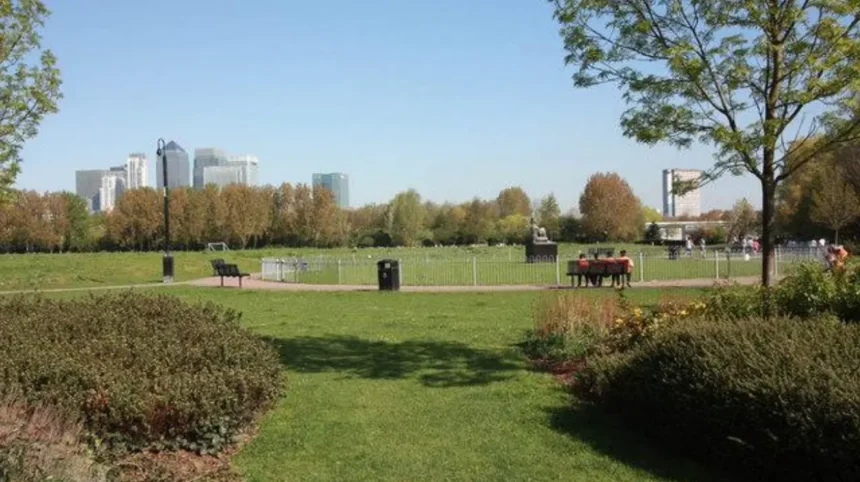
Tower Hamlets, in East London, offers a mix of historic parks, riverside paths, landscaped gardens and open green spaces. From Victoria Park’s expansive lawns to the waterside setting of Mudchute Park and Farm, visitors can find places for picnics, walking, wildlife watching and quiet breaks from the city.
- Why Are Tower Hamlets’ Parks Worth Visiting?
- Which Tower Hamlets Parks Are Best for Picnics?
- What Can Visitors Explore at Victoria Park?
- Where Can Visitors Enjoy a Riverside Walk in Tower Hamlets?
- Is Mile End Park Suitable for Walking and Relaxation?
- What Makes Mudchute Park and Farm Different from Other Parks?
- Which Smaller Parks Offer a Quieter Break in Tower Hamlets?
- Where Can Visitors Find Nature and Wildlife in Tower Hamlets?
- What can visitors expect at Tower Hamlets Cemetery Park?
- How can visitors watch wildlife responsibly?
- How Can Visitors Plan a Walking Route Between Tower Hamlets Parks?
- What Facilities and Rules Should Visitors Check Before Arriving?
- Which Tower Hamlets Park Suits Different Types of Visitors?
- How Do Tower Hamlets’ Parks Support Sustainable Urban Living?
- How Can Visitors Choose the Right Park in Tower Hamlets?
This guide explains where to go, what each location offers, how to plan a visit and which facilities suit different outdoor activities.
Why Are Tower Hamlets’ Parks Worth Visiting?
Tower Hamlets has more than 120 parks and green spaces, ranging from large public parks to small gardens and riverside spaces. These locations support picnics, walking, family recreation, wildlife observation and relaxation within easy reach of central London.
Tower Hamlets is a London borough on the eastern side of the capital. Its landscape combines residential neighbourhoods, the River Thames, historic docklands, the Regent’s Canal and modern developments around Canary Wharf. Public green spaces provide places to pause between sightseeing, shopping, business meetings and visits to local attractions.
The borough’s parks serve different purposes. Victoria Park provides extensive lawns, lakes and historic features. Mile End Park follows a linear route through the borough. Island Gardens offers river views towards Greenwich, while Mudchute Park and Farm combines open land with a working urban farm.
Tower Hamlets Council manages a network of parks and open spaces, with facilities that include playgrounds, outdoor gyms, sports areas, gardens and nature conservation sites. The council reports that its parks have received Green Flag recognition, an award programme that assesses the quality of public green spaces.
For visitors, the main consideration is choosing a park that matches the planned activity. A large park suits a picnic and a longer walk. A small garden suits a short break. A riverside park provides a different setting for photography, sightseeing and an evening stroll.
Which Tower Hamlets Parks Are Best for Picnics?
Victoria Park, Mile End Park and Millwall Park provide different settings for outdoor meals in Tower Hamlets. Visitors can choose open lawns for group picnics, landscaped areas for quieter breaks or accessible green spaces near walking routes and local transport.
Victoria Park
Victoria Park is the main choice for visitors who want a spacious outdoor setting. Its lawns, lakes, mature trees and historic features create several options for sitting outdoors. Visitors can bring sandwiches, fruit, drinks and a picnic blanket, subject to local park rules.
Mile End Park
Mile End Park suits visitors who want to combine a picnic with a walk. Its landscaped areas and linear layout connect several parts of East London. Choose a suitable seating or grass area away from cycle routes and busy pedestrian paths.
Millwall Park
Millwall Park offers open green space on the Isle of Dogs, with trees, paths and recreational facilities. It suits a relaxed lunch before exploring the nearby Docklands area. Sports activities take place here, so select a picnic spot clear of pitches and play areas.
Before visiting, check the relevant council park page for facilities, events and restrictions. Tower Hamlets Council prohibits barbecues in its parks and open spaces because they damage grass and create fire risks. Pack reusable containers, take rubbish home or use designated bins, and avoid leaving food for wildlife.
What Can Visitors Explore at Victoria Park?
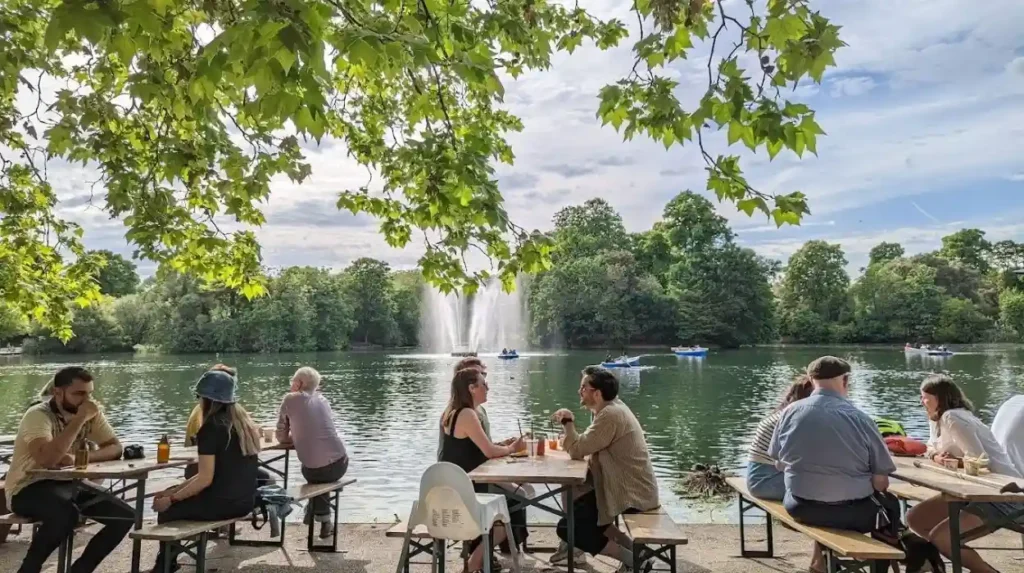
Victoria Park is Tower Hamlets’ largest park, covering approximately 86 hectares and receiving more than nine million visits annually. It opened in 1845 and contains lakes, landscaped lawns, historic monuments and walking routes for visitors seeking recreation and outdoor relaxation.
Victoria Park is often known locally as Vicky Park. Its creation responded to demand for accessible public recreation in the East End during the nineteenth century. The park opened in 1845, providing green space for communities living in a densely populated industrial district. Its historic importance forms part of the wider story of public parks in London.
Which features make Victoria Park suitable for a day outdoors?
The park contains several features that help visitors organise a varied visit.
- Open lawns: Suitable for picnics, reading, resting and informal outdoor games where permitted.
- Lakes and waterways: Provide views for a gentle walk and opportunities to observe waterbirds from designated paths.
- Historic features: The park includes a bandstand, memorials and original stone alcoves associated with London Bridge.
- Walking paths: Visitors can explore the landscape without needing to follow a single fixed route.
- Cafés and refreshments: Food and drink options support visitors who prefer to buy refreshments rather than carry a full picnic.
These features make Victoria Park useful for both short visits and longer outdoor days. Families can combine open-air play with a walk, while solo visitors can choose a quieter path or sit beside the water.
How can visitors reach Victoria Park?
Victoria Park is located around Grove Road and Victoria Park Road in East London. Mile End Underground station is a practical starting point, with a walk of approximately 10–15 minutes from the station towards the park via Grove Road. Cambridge Heath and Hackney Wick railway stations also serve the wider area.
The park opens at 7 am and closes at dusk, according to the council’s published visitor information. Opening notices at entrances provide the relevant daily details. Check the official park page before travelling, particularly when planning a visit around a seasonal event or public festival.
Where Can Visitors Enjoy a Riverside Walk in Tower Hamlets?
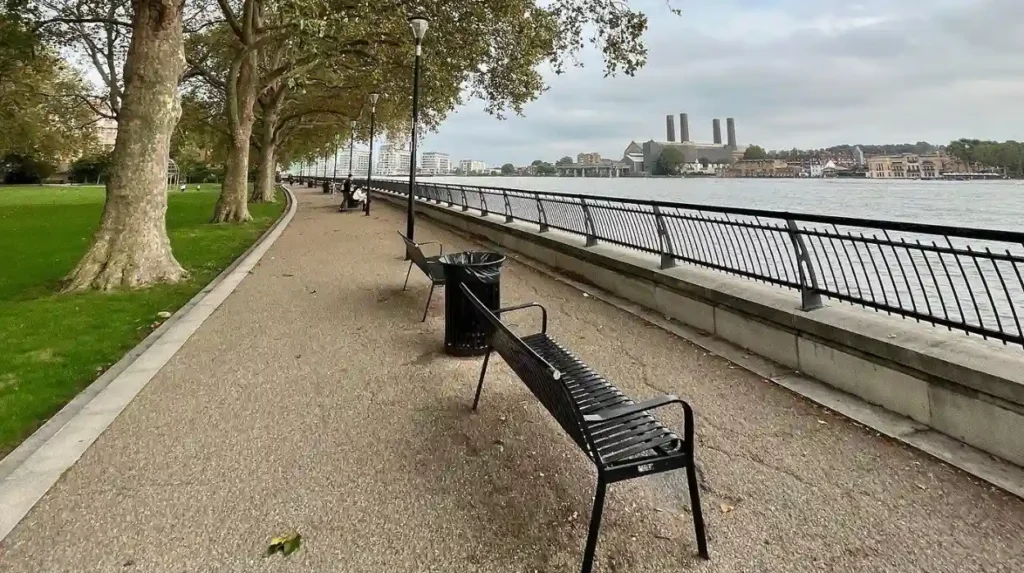
Island Gardens is a key riverside destination on the Isle of Dogs, offering landscaped green space and views across the River Thames towards Greenwich. It suits visitors who want a gentle walk, outdoor photography or a quiet break beside the river.
Island Gardens differs from the borough’s larger recreational parks. Its riverside position and landscaped setting make it a useful destination for a short outdoor visit rather than a full day of organised activities.
The park preserves a historic river frontage. Its landscaped views connect visitors with Greenwich’s maritime heritage and the architectural setting across the Thames. The Greenwich riverfront includes the Old Royal Naval College and the wider Maritime Greenwich landscape.
What can visitors do at Island Gardens?
A visit can focus on a riverside stroll, sitting on a bench, observing boats and photographing the Greenwich skyline. The setting also works for a short break during a wider Docklands itinerary.
Visitors should remain on public paths and respect planted areas. The river is a working waterway, so the waterfront should be treated as a viewing area rather than a swimming location.
Island Gardens also connects with the wider network of Isle of Dogs green spaces. Visitors can extend an outing towards Millwall Park or Mudchute, depending on available time and preferred walking distance.
How does Island Gardens connect with local history?
Island Gardens preserves a historic landscape associated with the Isle of Dogs and the River Thames. Its setting reflects the relationship between riverside land, shipping, industry and the planned development of East London.
As you explore the modern riverside setting, you are crossing land shaped by centuries of change. Read about the full to understand the borough’s historic development and the transformation of its waterfront.
Is Mile End Park Suitable for Walking and Relaxation?
Mile End Park is a 32-hectare linear park that follows the Regent’s Canal between Victoria Park and Limehouse Basin. Its landscaped spaces, ecological features, walking routes and recreational facilities make it suitable for gentle exercise, outdoor breaks and combining several destinations.
Mile End Park occupies land affected by industrial development and bombing during the Second World War. Its present layout reflects the redevelopment of urban land into public green space. The park provides a continuous green corridor through a densely built part of East London, although roads, railways and waterways divide some sections.
Which facilities are available at Mile End Park?
The park includes the Mile End Stadium, the Art Pavilion, the Ecology Pavilion, play spaces and landscaped areas. These features create opportunities for recreation, cultural activities and nature-related visits.
The Green Bridge across Mile End Road provides an important connection within the park. It helps visitors navigate the landscape while maintaining a route between green spaces on either side of the road.
Walking is a practical way to explore Mile End Park. Visitors can follow the canal-side route, stop at landscaped areas and continue towards Victoria Park or Limehouse Basin. The exact distance depends on the chosen start and finish points.
How can visitors plan a quiet visit?
Choose a weekday outside busy commuting periods for a quieter walk. Benches and suitable open areas provide places to rest, read or eat a packed lunch. Visitors working remotely should check mobile reception, available seating and nearby cafés rather than assume that the park provides dedicated work facilities.
The Art Pavilion hosts exhibitions and workshops, while the park’s outdoor facilities support activities beyond walking. Check the council’s official information for current events, venue access and opening arrangements before making a special journey.
What Makes Mudchute Park and Farm Different from Other Parks?
Mudchute Park and Farm combines open green space, wildlife habitats and an urban farm on the Isle of Dogs. It offers visitors a different outdoor experience, with opportunities to explore countryside-style surroundings while remaining within London’s Docklands neighbourhood.
Mudchute is one of Tower Hamlets’ recognised nature conservation sites. The wider park provides open land and habitats, while the farm introduces visitors to livestock and urban agriculture. The combination distinguishes it from formal gardens and conventional recreational parks.
What activities can visitors enjoy at Mudchute?
Walking through the park provides views across green areas and towards the surrounding Docklands skyline. Visitors can explore the farm, observe animals from permitted visitor areas and spend time outdoors away from heavily built-up streets.
The farm is particularly relevant for families introducing children to animals and farming. Visitors should follow farm signage, respect animal welfare instructions and supervise children around livestock. Access to individual farm facilities and activities depends on the published arrangements.
Mudchute also suits visitors interested in the relationship between urban development and green space. Canary Wharf’s commercial buildings provide a contrast with the park’s fields, making the location useful for landscape photography.
How should visitors prepare for Mudchute?
Wear comfortable walking shoes, carry drinking water and check the farm’s official visitor information before travelling. Farm opening arrangements, animal access and facilities differ from those of a conventional public park.
Visitors planning a picnic should choose appropriate public areas and follow local rules. Do not feed farm animals or wild animals unless authorised staff explicitly permit it. Keep food waste secure and take rubbish to designated disposal points.
Which Smaller Parks Offer a Quieter Break in Tower Hamlets?
Smaller parks and gardens provide convenient places to sit, walk and take a short outdoor break without visiting a major destination. Stepney Green Park, Weavers Fields and Altab Ali Park offer alternatives for visitors exploring neighbourhoods across Tower Hamlets.
Stepney Green Park
Stepney Green Park provides a neighbourhood green space with landscaped areas and recreational facilities. It suits a short walk, a break between local attractions or a quiet outdoor pause. Its smaller scale makes it easier to include in a neighbourhood itinerary.
Weavers Fields
Located in the Bethnal Green area, Weavers Fields offers open space for walking, informal recreation and relaxation. It provides a practical stop for visitors exploring the East End’s markets, streets and cultural attractions.
Altab Ali Park
Altab Ali Park is a central Whitechapel green space with historical and community significance. It is suitable for a short rest while exploring the surrounding streets, shops and cultural landmarks. Its location makes it more convenient for a brief stop than a full-day picnic.
These smaller spaces serve visitors who value convenience over extensive facilities. They are especially useful when an itinerary includes museums, markets, shopping streets or business appointments.
Facilities differ from one location to another. Check the Tower Hamlets parks directory for seating, play areas, toilets and other amenities before setting off. The council’s directory lists more than 120 parks and open spaces, allowing visitors to identify options close to their chosen destination.
Where Can Visitors Find Nature and Wildlife in Tower Hamlets?
Tower Hamlets contains designated nature conservation spaces where visitors can experience trees, meadows, birds and other urban wildlife. Tower Hamlets Cemetery Park and Mudchute Park and Farm are particularly relevant for people seeking natural habitats rather than formal lawns alone.
Tower Hamlets Cemetery Park is a historic cemetery that opened in 1841. It is now recognised for its nature conservation value, mature trees and woodland character. The landscape supports wildlife while preserving the site’s historical associations with the development of East London.
What can visitors expect at Tower Hamlets Cemetery Park?
The park offers a different experience from a traditional picnic lawn. Mature vegetation, shaded paths and quieter natural areas make it appropriate for reflective walks, wildlife observation and photography.
Visitors should remain on established paths where possible, avoid disturbing plants and animals, and respect memorials and historic features. Some surfaces are uneven, so suitable footwear is advisable.
Tower Hamlets Cemetery Park is best treated as a nature and heritage destination rather than a place for noisy group recreation. Check local signage and current visitor guidance before planning a visit.
How can visitors watch wildlife responsibly?
Look for birds and insects from a respectful distance. Bring binoculars for birdwatching and use a camera zoom instead of approaching animals. Keep dogs under control and follow any local restrictions.
The council advises visitors not to feed wildlife or leave food behind because discarded food encourages vermin. This guidance applies to picnic areas and natural habitats across the borough.
Green spaces also contribute to urban biodiversity by providing habitats and connections between developed areas. Planting, meadows, trees and water features support different species and improve the variety of environments available to wildlife.
How Can Visitors Plan a Walking Route Between Tower Hamlets Parks?
Visitors can connect several Tower Hamlets parks through a walking itinerary based on canals, neighbourhood streets and riverside paths. Victoria Park, Mile End Park and Limehouse Basin form a useful sequence for exploring green space while experiencing different parts of East London.
The most practical route depends on walking speed, weather and how much time visitors want to spend in each park. Rather than treating every location as a separate destination, plan a route that links green spaces with nearby transport connections and refreshments.
Victoria Park
Explore the lawns, lakes and historic features. Allow extra time for a picnic or a stop at a café.
Mile End Park
Follow suitable connecting routes towards the canal and park facilities. Stop at a quiet area for a break.
Limehouse Basin
Explore the basin’s waterside setting and enjoy a final stroll before continuing to nearby transport or refreshments.
This itinerary follows the green corridor associated with Victoria Park, Mile End Park and Limehouse Basin.
Actual walking distances depend on entrance choices and the paths selected. Use a current map to check route length, road crossings and accessibility.
What should walkers bring?
Comfortable shoes, water, weather-appropriate clothing and a charged phone are useful for a longer walk. A reusable bag helps carry picnic waste, while a small first-aid kit is practical for family outings.
Check for organised events that affect access or create busy paths. Cyclists, runners and pedestrians share some park routes, so stay aware of other users and keep clear of marked cycleways where provided.
What Facilities and Rules Should Visitors Check Before Arriving?
Park facilities vary across Tower Hamlets, so visitors should confirm opening times, toilets, seating, accessibility, events and activity restrictions before travelling. The council’s official parks directory provides location-specific information to help visitors choose suitable spaces for picnics, walking and relaxation.
Planning in advance helps visitors select a park that matches the needs of their group. A family with young children has different requirements from a solo walker or a visitor seeking a quiet place to read.
Important checks include:
- Opening times: Victoria Park opens at 7 am and closes at dusk according to published council information. Check the specific park’s current notices.
- Toilets and refreshments: Confirm facilities before a long visit rather than assuming every green space has public toilets or a café.
- Accessibility: Review entrances, paths, gradients and available facilities if using a wheelchair, pushchair or mobility aid.
- Events: Festivals, sporting activities and maintenance work affect the character or availability of some areas.
- Picnic rules: Barbecues are prohibited in Tower Hamlets parks and open spaces. Follow signage and dispose of waste responsibly.
- Dogs and wildlife: Follow local instructions, control dogs appropriately and do not leave food for wild animals.
The council’s parks directory allows visitors to search locations by facilities, including play areas, outdoor gyms, tennis courts and toilet provision. This is particularly helpful when the chosen park is not familiar.
Visitors should also consider weather conditions. Wet grass can become muddy, while exposed riverside paths can feel colder and windier than sheltered gardens. Carrying water during warmer weather and planning rest stops improves comfort on longer walks.
Which Tower Hamlets Park Suits Different Types of Visitors?
The right park depends on the purpose of the visit, available time and preferred surroundings. Victoria Park suits longer outings, Mile End Park suits canal-side walks, Island Gardens suits riverside views, and Mudchute Park and Farm suits visitors interested in animals and nature.
These suggestions identify the principal use of each location rather than guaranteeing a particular level of quietness or facility availability. Weather, events and time of day influence the visitor experience.
For business travellers based around Canary Wharf, Island Gardens, Millwall Park and Mudchute provide outdoor options on the Isle of Dogs. For tourists exploring the East End, Victoria Park and Mile End Park offer opportunities to combine green space with walking routes and local attractions.
Residents and repeat visitors can explore smaller gardens through the council’s parks directory. This approach helps identify nearby green spaces without travelling across the borough for every outdoor break.
Explore More Area Guide
Green Escapes in Tower Hamlets | East London Guide
How Havering Transformed: Historic Photos of Romford, Hornchurch, and Rainham, 1990s
How Do Tower Hamlets’ Parks Support Sustainable Urban Living?
Tower Hamlets’ parks provide public space for recreation, nature conservation and community activities within a densely developed London borough. Their trees, planted areas, waterways and open habitats support urban biodiversity while giving residents and visitors places to walk, relax and spend time outdoors.
Public parks contribute to the everyday experience of a city by providing outdoor space beyond private gardens and commercial venues. In Tower Hamlets, the range of green spaces includes large historic parks, small gardens, former industrial landscapes and natural habitats.
Why are green spaces important in East London?
Urban green spaces support physical activity through walking, cycling on permitted routes and outdoor exercise. They also provide settings for informal social contact, family activities and community events.
Trees and vegetation offer shade, while planted areas create habitats for insects and birds. Water features and connected green corridors contribute to the borough’s wider ecological network. The council identifies nature conservation and habitat improvement as important functions of its parks programme.
How can visitors help protect these spaces?
Responsible visits help maintain the quality of parks for future users. Visitors should take rubbish home or use designated bins, avoid damaging plants, respect wildlife and follow park regulations.
Choose reusable picnic containers, keep noise at a considerate level and leave natural areas undisturbed. Where events or sports activities take place, use the designated routes and avoid entering restricted areas.
Supporting local parks also involves respecting their historical importance. Sites such as Victoria Park and Tower Hamlets Cemetery Park preserve parts of East London’s social and environmental history alongside their modern recreational functions.
How Can Visitors Choose the Right Park in Tower Hamlets?
Visitors can choose the most suitable Tower Hamlets park by matching its facilities and location to the planned activity. Compare picnic space, walking routes, river views, wildlife habitats and transport connections, then check official visitor information before setting out.
For a full day outdoors, Victoria Park offers space for walking, picnicking and exploring historic features. Mile End Park suits visitors who prefer a linear walking route with canal connections. Island Gardens is appropriate for a shorter riverside visit, while Mudchute Park and Farm offers a combination of green space and farm activities.
Smaller parks, including Stepney Green Park and Altab Ali Park, are useful for short breaks during sightseeing or workdays. Tower Hamlets Cemetery Park provides a quieter setting for nature observation and heritage exploration.
With a little planning, visitors can combine green spaces, canals, historic landscapes and riverside walks into a rewarding East London itinerary. Tower Hamlets’ parks offer practical outdoor options for picnics, exercise, wildlife watching and relaxation throughout the year.
What are the best parks in Tower Hamlets?
Victoria Park, Mile End Park, Island Gardens, Mudchute Park and Farm, and Millwall Park are popular options. Each offers different facilities, including open lawns, walking routes, riverside views or nature-focused activities.