Tower Hamlets is an East London borough where historic parks, riverside gardens, urban nature reserves and community green spaces provide opportunities to relax outdoors. Located near the River Thames, Canary Wharf, Whitechapel and Bethnal Green, the borough combines dense urban neighbourhoods with accessible places for walking, wildlife watching and recreation.
- Why Are Green Escapes Worth Exploring in Tower Hamlets?
- Where Can Visitors Enjoy the Widest Green Spaces in Tower Hamlets?
- Where Can Visitors Discover Wildlife and Natural Habitats?
- Which Tower Hamlets Green Spaces Offer Riverside Views?
- Which Smaller Gardens Offer a Quieter Break from East London?
- Where Can Families Find Outdoor Activities in Tower Hamlets?
- How Can Visitors Choose the Right Green Escape for Their Interests?
- How Do Tower Hamlets’ Green Spaces Support Urban Nature?
- When Is the Best Time to Visit Green Spaces in Tower Hamlets?
- How Can Visitors Travel Between Tower Hamlets’ Green Escapes?
- What Should Visitors Know Before Exploring Tower Hamlets’ Green Escapes?
- Which Green Escapes Should Visitors Include in a Tower Hamlets Itinerary?
The borough council lists more than 120 parks and green spaces, ranging from large public parks to small garden squares. Its green spaces support leisure, community activities, biodiversity and outdoor exercise. Victoria Park, Mile End Park, Tower Hamlets Cemetery Park, Mudchute Park and Farm, and Island Gardens offer different ways to experience the borough’s natural environment.
Why Are Green Escapes Worth Exploring in Tower Hamlets?
Green escapes in Tower Hamlets provide places for walking, resting, exercising and experiencing urban nature. Visitors can explore large landscaped parks, historic gardens, wildlife habitats and Thames-side viewpoints without leaving East London. These spaces suit families, solo travellers, photographers and visitors seeking quieter breaks.
Tower Hamlets has a varied urban landscape shaped by residential neighbourhoods, commercial districts, historic waterways and transport infrastructure. Public green spaces provide outdoor destinations within this built-up environment.
The local council manages a diverse network of parks, gardens and open spaces. Its parks programme includes nature conservation, outdoor activities, playgrounds, sports facilities and community events. The council reports 14 Green Flag Award parks and 10 gold awards from London in Bloom on its parks information page.
These spaces serve different visitor needs. A large park offers room for longer walks and exercise, while a small garden square provides a convenient place to sit between sightseeing stops. Nature reserves offer opportunities to observe plants, birds and insects.
Visitors also encounter local history while exploring these green areas. Some public gardens occupy former burial grounds, while other landscapes reflect earlier industrial development, housing improvements and public-health initiatives.
For background on the relationship between these landscapes and the borough’s development, explore the full [history of Tower Hamlets’ parks and open spaces].
Where Can Visitors Enjoy the Widest Green Spaces in Tower Hamlets?
Victoria Park and Mile End Park offer two distinct ways to enjoy open space in Tower Hamlets. Victoria Park provides historic landscaping, lakes and expansive lawns, while Mile End Park combines linear walking routes, recreational facilities and ecological areas within an urban setting.
Victoria Park
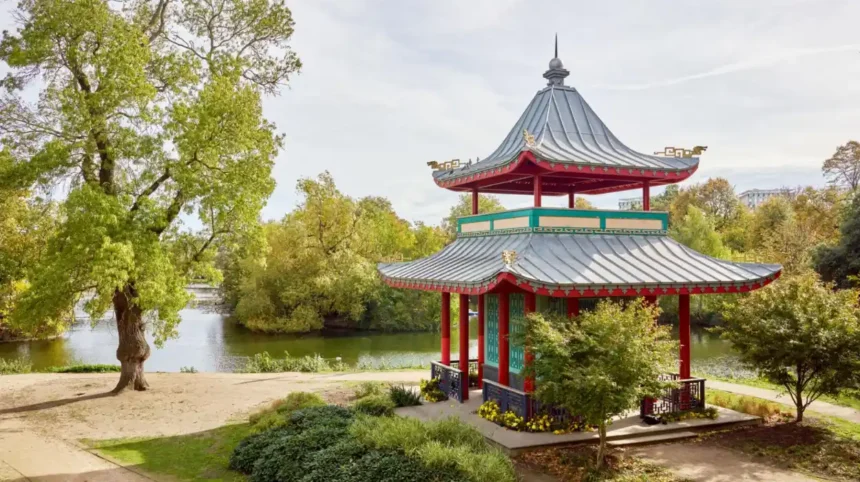
Victoria Park is one of the borough’s most prominent outdoor destinations. It opened in 1845 following a campaign for public recreation space in the crowded East End. The park’s creation responded to concerns about limited access to fresh air and healthy outdoor environments during the nineteenth century.
The park features lakes, mature trees, broad lawns, historic monuments and ornamental structures. Its landscaped setting accommodates walking, running, informal picnics and wildlife observation.
Historic features include the Burdett-Coutts Memorial, the bandstand and two original stone alcoves from old London Bridge. These features give visitors reasons to combine outdoor recreation with heritage exploration.
Victoria Park also hosts cultural events and seasonal activities. Visitors should check current event information before travelling because major events affect access to some areas and change the atmosphere of the park.
The park suits visitors planning a longer outdoor visit. Its size supports several different walking routes, while its open lawns provide room to rest away from busy streets.
Mile End Park
Mile End Park is a linear public park extending through the borough. Its facilities include landscaped areas, the Ecology Pavilion, the Art Pavilion, sports facilities and connections across Mile End Road through the Green Bridge.
The park combines recreational space with environmental features. Visitors can walk between different sections, observe planting and use designated facilities for exercise. Its layout makes it a useful outdoor stop for people exploring Bethnal Green, Bow and Mile End.
The Ecology Pavilion forms part of the park’s environmental focus. The Art Pavilion adds a cultural dimension through exhibitions and workshops, subject to its current programme.
Mile End Park is suitable for visitors who want an outdoor route rather than a single garden destination. Check local signs and current facility information before planning activities that depend on specific venues.
Where Can Visitors Discover Wildlife and Natural Habitats?
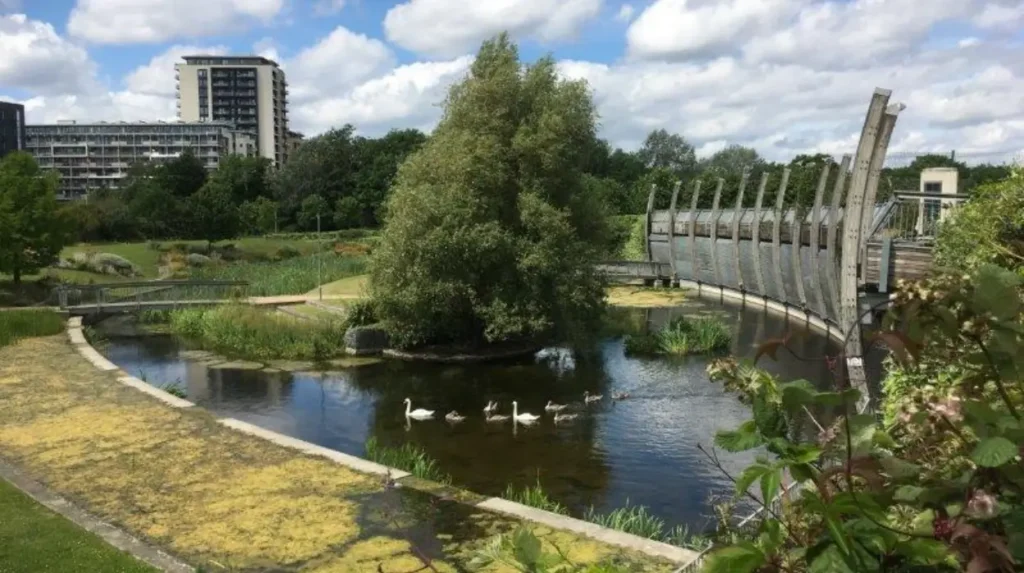
Tower Hamlets offers wildlife-focused green escapes at Tower Hamlets Cemetery Park and Mudchute Park and Farm. These locations combine public access with nature conservation, providing opportunities to encounter vegetation, birds and other urban wildlife while learning about the borough’s green infrastructure.
Tower Hamlets Cemetery Park
Tower Hamlets Cemetery Park is a local nature reserve on the site of a nineteenth-century cemetery. It opened in 1841 and is one of London’s historic Magnificent Seven cemeteries, a group of large Victorian burial grounds established around the capital.
Today, the site combines historical remains, wooded areas, paths and wildlife habitats. Trees, shrubs, flowering plants and unmanaged vegetation create varied conditions for wildlife. Visitors can observe seasonal changes in plant growth and look for birds and invertebrates along the paths.
The cemetery’s history distinguishes it from a conventional municipal park. Gravestones and historic features remain part of the landscape, while nature conservation shapes how visitors experience the grounds. The site is particularly relevant to travellers interested in local history, ecology and quieter walking routes.
Visitors should remain on appropriate paths, respect memorials and follow site notices. Conservation areas require care because trampling vegetation and disturbing wildlife can damage habitats.
Mudchute Park and Farm
Mudchute Park and Farm occupies a substantial green area on the Isle of Dogs. The site combines open land, natural habitats and a working city farm, creating a distinctive outdoor destination within London’s Docklands.
The farm provides opportunities to see animals and learn about their care. The surrounding park offers open views and walking space, making the site suitable for families and visitors seeking a combination of nature and recreation.
Mudchute is also recognised as a local nature reserve by Tower Hamlets Council. This designation reflects the site’s role in nature conservation as well as its value for public enjoyment.
Visitors should check the farm’s official information for current opening arrangements, animal encounters and any seasonal restrictions. Farm access and park access do not necessarily follow identical arrangements.
What wildlife can visitors look for?
Urban green spaces support birds, insects and other wildlife by providing food, shelter and places to breed. Visitors can look for common garden birds, pollinating insects around flowers and seasonal changes in vegetation.
Wildlife sightings depend on the season, weather, habitat and time of day. Quiet observation offers better opportunities than approaching animals or leaving food for them.
Tower Hamlets Council specifically advises visitors not to feed or leave food for wildlife in its parks, as this encourages vermin.
Which Tower Hamlets Green Spaces Offer Riverside Views?
Island Gardens and King Edward Memorial Park provide different ways to enjoy Tower Hamlets’ relationship with the River Thames. Island Gardens offers views across the water towards Greenwich, while King Edward Memorial Park provides riverside open space near Wapping and Shadwell.
Island Gardens
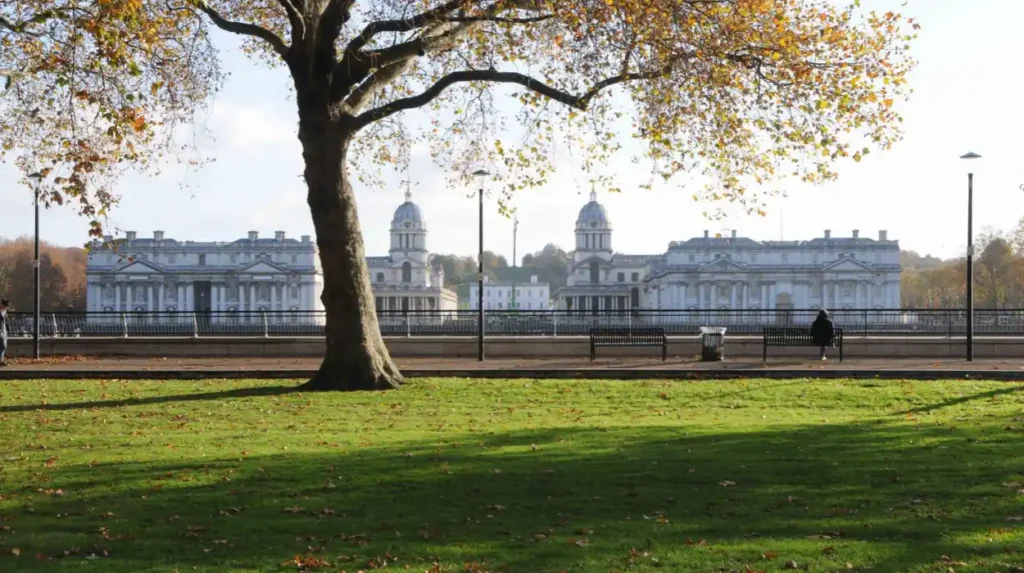
Island Gardens sits at the southern end of the Isle of Dogs. Its waterfront position gives visitors views across the Thames towards Greenwich, including the historic buildings associated with the Old Royal Naval College and the Maritime Greenwich World Heritage Site.
The garden has historical significance because its riverside location helped preserve views across the river during the area’s nineteenth-century development. The landscape is included on the Register of Historic Parks and Gardens in England.
Visitors can use Island Gardens as a short outdoor stop while exploring the Isle of Dogs. It also provides a natural break from the commercial buildings and busy streets around Canary Wharf.
The surrounding waterfront offers opportunities for photography, particularly when the river and Greenwich skyline are visible in clear weather. Visitors should use designated paths and remain aware of river-edge conditions.
King Edward Memorial Park
King Edward Memorial Park is a public green space beside the Thames in Wapping. It offers an outdoor setting for walking, resting and enjoying views of the river.
Its location makes it useful for visitors exploring historic Wapping, the riverside paths and the former docklands districts. The park provides a different experience from the large landscaped lawns of Victoria Park because the river forms a central part of the setting.
Check Tower Hamlets Council’s current park information for access details and any temporary restrictions before visiting.
How can visitors plan a riverside walk?
A riverside outing works well when combined with nearby historic streets and waterfront viewpoints. Visitors should check the route before setting out because not every stretch of the Thames has an uninterrupted public path.
Wear comfortable walking shoes, carry drinking water and check the weather. Some riverside sections have limited shelter, and wet surfaces require additional care.
Which Smaller Gardens Offer a Quieter Break from East London?
Smaller gardens and neighbourhood green spaces provide convenient places to rest between Tower Hamlets attractions. Stepney Green Park, Bethnal Green Gardens, Wapping Gardens and Weavers Fields offer alternatives to the borough’s larger parks, with locations suited to shorter visits and local walks.
Stepney Green Park
Stepney Green Park provides a neighbourhood setting for outdoor relaxation. It suits visitors exploring Stepney and the surrounding residential streets who want a green stop without committing to a longer park visit.
The wider Stepney area contains historic streets and buildings that reflect the development of the East End. A visit to the park fits naturally into a walking itinerary through this part of Tower Hamlets.
Bethnal Green Gardens
Bethnal Green Gardens provides a green space within an established urban neighbourhood. Its historical context adds interest for visitors who want to understand how public open spaces developed alongside East London’s changing residential areas.
The borough’s conservation documentation identifies Museum Gardens, associated with Bethnal Green, as a historic landscape with roots in an earlier common green and later public provision.
Visitors should confirm the exact garden they intend to visit, as several small green spaces and gardens are located around Bethnal Green.
Weavers Fields
Weavers Fields is an open space in Bethnal Green. It offers an accessible outdoor break for visitors exploring the surrounding neighbourhood and provides space for informal recreation.
Its name connects with the area’s historic textile-working associations. The park’s presence also reflects the way public open spaces emerged through changes in East London’s housing and urban landscape.
Wapping Gardens
Wapping Gardens provides another option for visitors exploring the historic riverside neighbourhood of Wapping. Its smaller scale makes it suitable for a short pause during a longer walk.
The surrounding area contains streets associated with London’s maritime and docklands history. Combining a garden visit with a walk through Wapping gives visitors a broader understanding of the relationship between public green space and the built environment.
Where Can Families Find Outdoor Activities in Tower Hamlets?
Families can combine green space with outdoor play, walking and educational activities across Tower Hamlets. Victoria Park offers extensive open space, Mile End Park has recreational facilities, and Mudchute Park and Farm combines outdoor exploration with opportunities to learn about farm animals.
The borough council reports more than 60 playgrounds across Tower Hamlets, including inclusive play facilities. Its parks also include outdoor gyms and sports areas, although the availability of specific equipment varies by location.
Victoria Park suits families who want room for walking and informal games. Its lakes, historic structures and lawns provide different points of interest during a visit.
Mile End Park is useful for families seeking a mixture of outdoor recreation and landscaped surroundings. Its facilities support different activities, while the Art Pavilion and Ecology Pavilion add educational and cultural opportunities when events or programmes are running.
Mudchute Park and Farm offers a different experience through its farm environment and nature areas. Families should check the current opening times and any charges for specific activities before travelling.
For a comfortable family outing, plan breaks, check toilet and accessibility information, and select a route appropriate for the ages and mobility of everyone in the group.
How Can Visitors Choose the Right Green Escape for Their Interests?
The right green escape depends on the available time, preferred activities and location. Victoria Park suits longer visits, Tower Hamlets Cemetery Park attracts nature and heritage enthusiasts, Island Gardens offers river views, and smaller neighbourhood gardens provide convenient stops during sightseeing.
Visitors can use the following guidance to organise an outdoor itinerary.
- For a full afternoon outdoors: Choose Victoria Park for its lakes, lawns, historic features and walking opportunities.
- For nature and heritage: Visit Tower Hamlets Cemetery Park to explore woodland habitats and historic cemetery features.
- For families: Combine Mudchute Park and Farm with time in its surrounding green areas.
- For river views: Explore Island Gardens and the Greenwich-facing waterfront.
- For a shorter break: Choose Stepney Green Park, Bethnal Green Gardens or Wapping Gardens according to your location.
- For a walk through an urban landscape: Follow suitable paths through Mile End Park.
These options allow visitors to match their plans to their interests rather than travelling across the borough unnecessarily.
What should visitors check before travelling?
Check the local council’s park directory for facilities, access information and current notices. Individual parks have different layouts, entrances and amenities. Event arrangements, maintenance work and seasonal activities also affect some visits.
Visitors with mobility requirements should confirm the accessibility of specific paths and facilities before travelling. Those planning to visit a farm, attend an exhibition or participate in an organised activity should check the relevant venue’s information separately.
How Do Tower Hamlets’ Green Spaces Support Urban Nature?
Green spaces support urban nature by providing vegetation, wildlife habitats and connected areas within a densely developed borough. Parks, gardens, nature reserves and planted corridors help sustain biodiversity while giving residents and visitors access to outdoor recreation and natural surroundings.
Urban biodiversity refers to the variety of living organisms within towns and cities. In Tower Hamlets, it includes plants, birds, insects and other species that use parks, gardens, waterways and planted areas.
Large parks provide extensive habitats, while smaller gardens offer stepping stones between green areas. Trees provide shade and shelter, flowering plants supply resources for pollinating insects, and vegetation creates nesting and feeding opportunities for some birds.
Tower Hamlets Council identifies nature conservation as a central function of its parks and open spaces. It also highlights Tower Hamlets Cemetery Park and Mudchute Park and Farm as local nature reserves.
The value of these spaces extends beyond wildlife. Green areas provide places for physical activity, social interaction and time outdoors. Their role becomes particularly important in urban neighbourhoods where buildings, roads and commercial development limit access to open land.
Visitors can support conservation by staying on designated paths, taking litter home, avoiding damage to plants and following local wildlife guidance. Respectful behaviour helps maintain these spaces for other visitors and protects their ecological value.
When Is the Best Time to Visit Green Spaces in Tower Hamlets?
Spring and summer offer opportunities to see flowering plants, leafy trees and active outdoor spaces across Tower Hamlets. Autumn brings changing foliage, while winter provides a quieter setting for walks and riverside views. Weather, daylight and scheduled events influence each visit.
Spring is suitable for observing fresh growth and seasonal flowers. Woodland areas and landscaped gardens provide opportunities to notice changes in vegetation and insect activity.
Summer brings longer daylight hours and more opportunities for outdoor exercise, picnics and family visits. Popular parks, particularly Victoria Park, also host events during parts of the year. Visitors should check current event information if they prefer a quieter experience.
Autumn offers changing leaf colours and seasonal changes in wildlife activity. Winter visits suit shorter walks and visits to accessible viewpoints, although wet paths and reduced daylight require additional planning.
There is no single best season for every park. Nature enthusiasts should consider seasonal habitat changes, while families and casual visitors should prioritise weather, facilities and opening arrangements.
How Can Visitors Travel Between Tower Hamlets’ Green Escapes?
Visitors can reach Tower Hamlets’ green spaces using London’s public transport network, walking routes and local cycling connections. The most efficient option depends on the chosen park, starting point and available entrances. Checking current transport services and walking directions helps reduce unnecessary travel.
Tower Hamlets contains several transport hubs, including Bethnal Green, Mile End, Canary Wharf and Island Gardens. These provide access to different parts of the borough, although the nearest station varies by destination.
For Victoria Park, visitors should check routes serving the park’s eastern and western sides. Mile End Park has access points around Mile End and its neighbouring streets. Island Gardens is located on the Isle of Dogs, while Mudchute is also accessible from the Docklands area.
Walking between nearby attractions offers an opportunity to discover smaller gardens and local streets. However, distances between northern Tower Hamlets, the Isle of Dogs and riverside destinations can be substantial.
Cyclists should use suitable routes and follow local rules about cycling within parks. Visitors should check current Transport for London information for service changes, step-free access and journey planning.
Explore More Area Guide
How Havering Transformed: Historic Photos of Romford, Hornchurch, and Rainham, 1990s
Romford North Street property faces HMO enforcement action Romford 2026
What Should Visitors Know Before Exploring Tower Hamlets’ Green Escapes?
Visitors should check access arrangements, park facilities, transport connections and local rules before setting out. Respecting wildlife, avoiding litter and following signs helps protect Tower Hamlets’ parks and gardens. Checking event schedules also helps visitors plan quieter visits or combine outdoor activities with local attractions.
Most green escapes work well as independent outdoor destinations, but facilities differ between sites. Large parks provide more space for extended visits, while smaller gardens are better suited to short breaks.
Visitors should bring weather-appropriate clothing, drinking water and any personal items required for their planned walk. Families should check playground availability, and visitors with accessibility needs should confirm the suitability of specific routes.
The council’s parks directory provides information on locations and facilities across the borough. It is the appropriate starting point for checking individual destinations and current local guidance.
Which Green Escapes Should Visitors Include in a Tower Hamlets Itinerary?
Tower Hamlets offers a varied collection of outdoor destinations, from the historic landscape of Victoria Park to the ecological habitats of Tower Hamlets Cemetery Park and Mudchute Park and Farm. Island Gardens and King Edward Memorial Park provide riverside settings, while smaller gardens offer convenient places to pause during neighbourhood walks.
The most suitable destination depends on the purpose of the visit. Travellers interested in heritage can explore historic landscapes and cemetery grounds. Families can combine open space with play and farm activities. Visitors seeking a quiet outdoor break can choose a neighbourhood garden or a riverside viewpoint.
With more than 120 parks and green spaces listed by the local council, Tower Hamlets provides a substantial network of outdoor places to explore.
These spaces offer practical ways to experience East London’s natural environment, local history and neighbourhood character within a single borough.
What are the best green spaces in Tower Hamlets?
Victoria Park, Mile End Park, Tower Hamlets Cemetery Park, Mudchute Park and Farm, and Island Gardens are popular green spaces in Tower Hamlets. They offer landscaped gardens, walking routes, wildlife habitats, family activities and riverside views.